
MIRI® Time-Lapse Incubator
|
Multiroom incubator with a built-in camera and microscope
Esco MIRI Time-Lapse Incubator
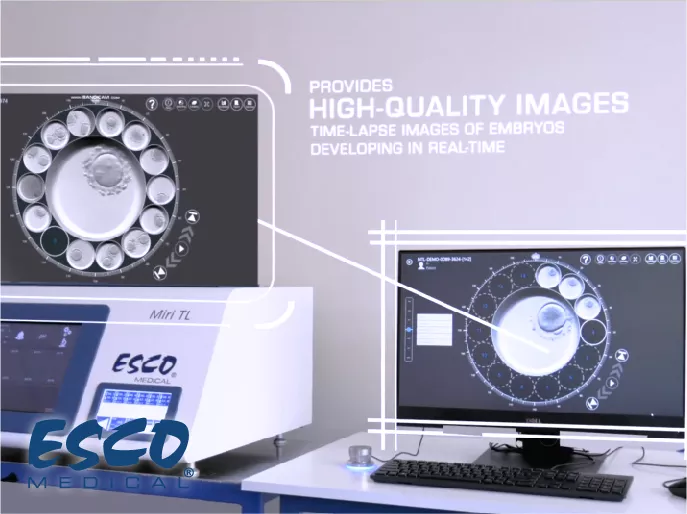
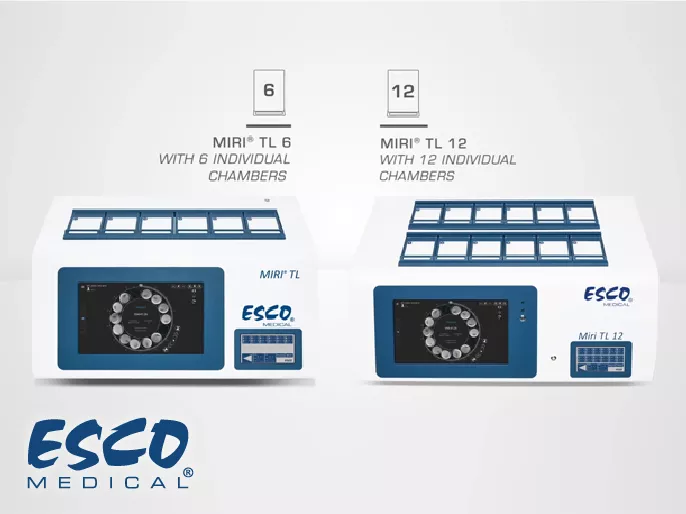
The technology built into the MIRI® TL allows embryologists to observe all critical events in embryo development. This enables them to annotate and select the best embryos for transfer based on morphokinetics, aiming to improve embryo quality and increase pregnancy rates. The MIRI® TL6 and TL12 feature multiple independent chambers with highly stable environments, allowing embryos from individual patients to be cultured separately without interference.
Using the embryo evaluation tools on the Viewer station, only the most viable embryos can be selected, eliminating non-viable ones from the start. This ensures no important events are missed, including the actual timing of cleavages compared to ideal times, morula and blastocyst stages, detection of unusual cleavage patterns such as Direct and Reverse Cleavage, synchrony of divisions, and multinucleation.
Integrated High-Resolution Time-Lapse Imaging
The incubator features a built-in camera system that captures high-quality images of each embryo at defined time intervals. Technically, this is achieved through a specialized optical path and a motorized stage that moves between the individual wells of the culture dish. This allows the system to generate a time-lapse video for every embryo, providing a complete record of its development from fertilization to the blastocyst stage. This continuous stream of data enables the detection of abnormal cleavage patterns that would be missed during traditional daily checks.
Multi-Room Chamber Isolation
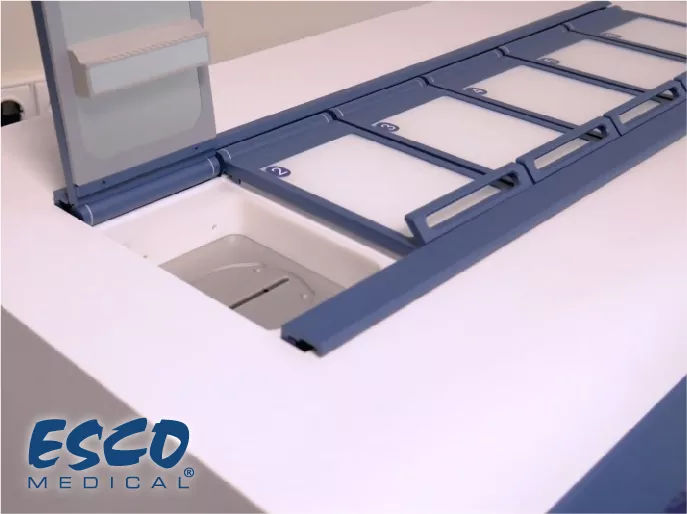
The technical architecture consists of several independent chambers, each acting as a standalone incubator for a single patient. This isolation is crucial because it ensures that when one chamber is accessed for maintenance or dish loading, the other chambers remain completely undisturbed. Each chamber has its own dedicated gas supply and heating control, preventing thermal and atmospheric "cross-talk" between different patient samples and maintaining a steady-state environment.
Morphokinetic Data Analysis and Annotation
Beyond imaging, the system includes sophisticated software designed for morphokinetic analysis. Embryologists can use the software to annotate key developmental milestones, such as the exact time of the first cleavage (t2) or the start of cavitation. Technically, these data points are compared against established models to assist in embryo selection. This objective data-driven approach reduces the subjectivity of traditional grading and provides a more comprehensive assessment of embryo viability.
Direct Heat and Thermal Stability
Thermal regulation is managed through a direct-heat system where the chamber floor and the lid are independently heated. This technical configuration ensures that the culture dishes are warmed directly, and the heated lid prevents the formation of condensation. Condensation prevention is critical in a time-lapse system, as any moisture on the lid would interfere with the optical clarity of the camera. The system is engineered to maintain temperature within a very tight range, typically +- 0.1 C.
Hypoxic Culture and Gas Mixing System
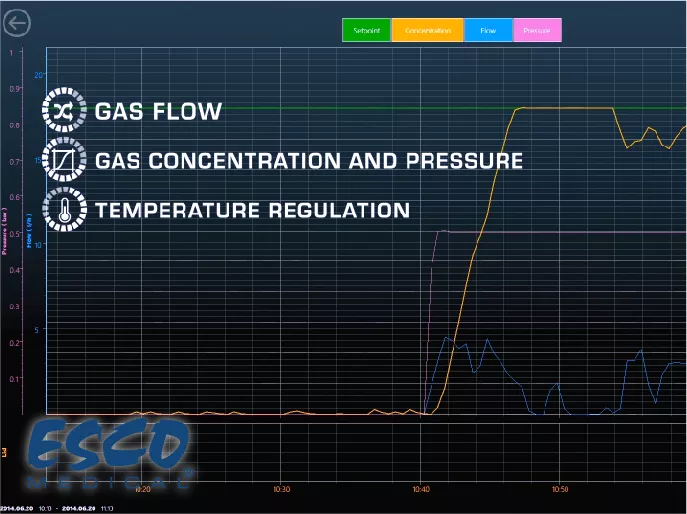
The MIRI Time-Lapse is technically optimized for tri-gas incubation, allowing for the regulation of CO2 and O2. Most laboratories use this feature to maintain a hypoxic environment (5 % O2), which is proven to be beneficial for embryo development. The integrated gas mixer uses high-precision sensors to ensure the atmosphere inside each chamber remains accurate. Rapid gas recovery after chamber closure ensures that the pH of the culture media is restored to the optimal level within minutes.
Specialized Dish Design for Precise Tracking
To facilitate automated imaging, the incubator utilizes specialized culture dishes with designated micro-wells. These wells are technically designed to keep each embryo in a fixed coordinate. The incubator software is programmed to recognize these coordinates, allowing the camera to automatically focus and capture images for every embryo in the dish without manual intervention. This standardized positioning is essential for the reliability of the time-lapse data.
Continuous Monitoring and Alarm Systems
The system is equipped with a comprehensive microprocessor-based monitoring unit that tracks all environmental parameters in real-time. An intuitive touchscreen display provides the status of all chambers at a glance. Technically, the system includes an extensive alarm suite that alerts the user to any deviations in gas concentration, temperature, or flow rate. This continuous oversight provides a high-security environment for the embryos, ensuring that any technical issues are addressed immediately.
Integrated HEPA and VOC Filtration
To protect the embryos from chemical and particulate contamination, the incubator incorporates advanced air filtration. The recirculating gas passes through a HEPA filter to remove airborne particles and a specialized VOC (Volatile Organic Compound) filter to eliminate toxic gases. This technical feature ensures that the micro-environment within the chambers remains ultra-pure, which is vital for the sensitive biological processes occurring during the early stages of human life.
Read more about Esco MIRI Time-Lapse Incubator