




Pour Point
|
For Fuels and Lubricants
.webp)
.webp)
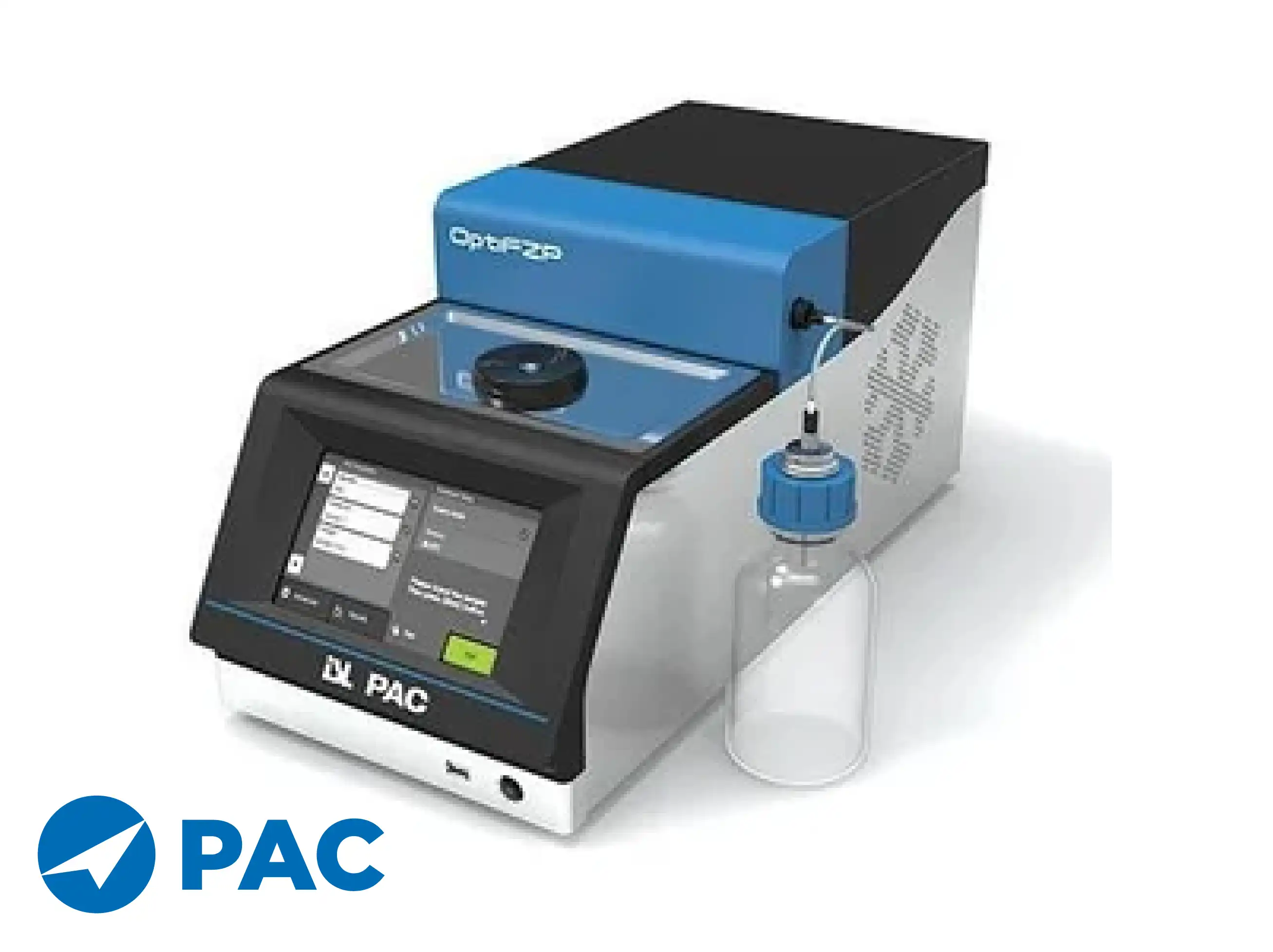
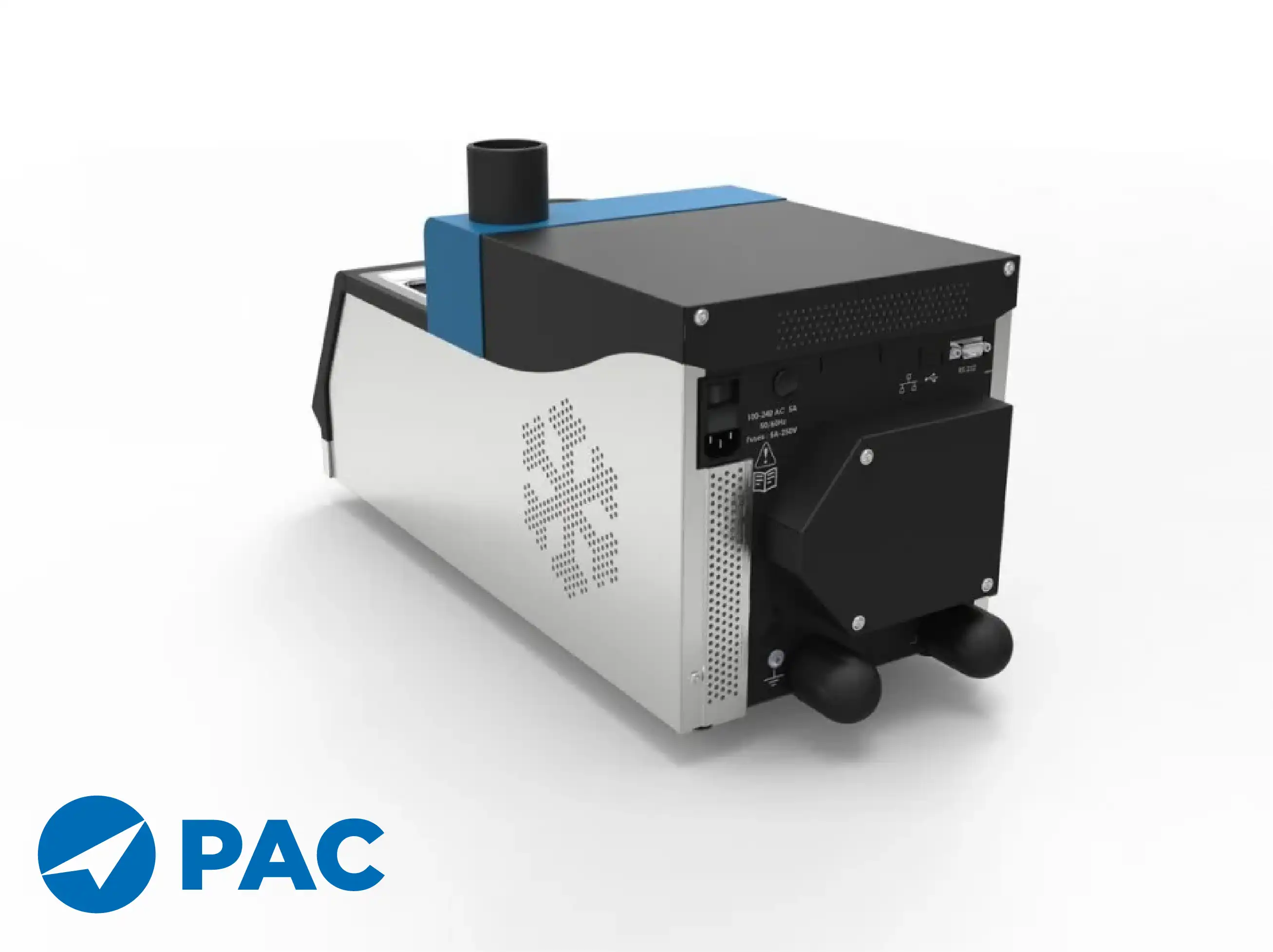
PAC Pour Point Applications
Pour point analysis is one of the most critical methods for evaluating the cold flow properties of petroleum products such as fuels, lubricants, and crude oil derivatives. It determines the lowest temperature at which a liquid can still flow under defined test conditions. At this temperature, the sample loses mobility and becomes semi-solid, which can lead to serious operational issues.
Understanding the pour point of fuels and lubricants is vital for predicting performance during cold storage, transportation, and operational use. When products have high pour points, they can solidify in pipelines, tanks, or engines, causing pump failures, blockages, and costly downtime. PAC’s pour point testing solutions enable companies to predict and prevent such issues by offering precise data that reflects the real behavior of products in challenging environments.
Technical Importance of Pour Point in Petroleum Logistics
The pour point is defined as the lowest temperature at which a petroleum product continues to flow under its own weight. This parameter is technically vital for the storage and transport of crude oils, lubricants, and heavy fuel oils. As temperatures drop, wax crystals begin to precipitate and interlock, eventually forming a rigid structure that prevents flow. PAC’s pour point applications are engineered to detect this transition precisely, providing data that allows refineries to determine the minimum safe operating temperatures for pipelines and storage tanks in cold climates.
Automated Detection via Pressure Pulse Technology
A core technical innovation in PAC’s pour point instruments is the use of pressure pulse technology to detect the onset of non-flow conditions. Unlike manual methods that rely on visual tilting of the sample, the automated system applies a small, controlled pressure pulse to the surface of the cooling sample. The instrument monitors the displacement or movement of the liquid; as soon as the sample stops responding to the pressure pulse due to wax formation, the pour point is recorded. This method eliminates the subjectivity of human observation and ensures 100 % repeatable results.
Precision Thermal Management and Cooling Profiles
Accurate pour point determination requires strictly controlled cooling rates to allow for proper wax crystal formation. PAC instruments utilize advanced Peltier cooling or high-capacity cryostats to manage the thermal environment. The system can be programmed to follow standardized cooling steps (e.g., 1 C or 3 C intervals) as required by international methods. This precise thermal management ensures that the sample is cooled uniformly, preventing localized freezing and ensuring that the measured pour point accurately reflects the bulk properties of the fuel.
Correlation with ASTM D97 and D5950 Standards
PAC’s pour point applications are technically optimized to provide full compliance with global regulatory standards, including ASTM D97 (the traditional manual method) and ASTM D5950 (the automated pressure pulse method). The software includes built-in correlation models that ensure the automated results are equivalent to the results obtained through manual tilting methods. This compliance is essential for laboratories that must provide certified data for fuel trade and quality assurance, ensuring that the automated speed does not compromise regulatory validity.
High-Throughput and Multi-Sample Capabilities
To maximize laboratory efficiency, PAC offers automated pour point analyzers capable of handling multiple samples in a single sequence. This technical configuration allows for unattended operation, as the instrument can automatically cool, test, and report results for a batch of samples. Once the pour point is detected, the system automatically begins a warming cycle to facilitate sample removal and cleaning. This automation reduces the labor-intensive nature of cold property testing and allows for 24/7 operation in high-volume refinery laboratories.
Integrated Cleaning and Sample Maintenance
Maintaining the integrity of the measurement cell is a critical technical requirement for repeatable pour point analysis. PAC systems often include automated cleaning cycles that flush the sample chamber with solvent and dry it with air. This ensures that no residual wax from a previous test can seed crystal growth in the next sample, which would lead to an artificially high pour point. The robustness of the cell design allows for the analysis of difficult samples, including dark oils and heavy crudes, without frequent manual intervention or sensor fouling.
Advanced Data Visualization and Peak Analysis
The software interface of PAC pour point analyzers provides sophisticated data visualization tools, including real-time cooling curves and pressure response logs. This allows technicians to observe the exact moment of crystallization and flow cessation. Technically, the software analyzes the slope of the response curve to differentiate between the true pour point and "false" readings caused by bubbles or surface tension. These digital records provide a complete historical audit trail for every sample, which is essential for troubleshooting and quality control audits.
Impact on Lubricant and Fuel Additive Research
Beyond routine quality control, PAC’s pour point applications are essential tools for research and development, particularly in the evaluation of Pour Point Depressants (PPDs). These chemical additives are used to lower the pour point of oils by modifying the shape and size of wax crystals. By providing high-precision, automated testing, PAC instruments allow researchers to quickly screen different PPD formulations and determine their effectiveness across various base stocks. This technical insight is vital for developing high-performance lubricants that can operate in extreme sub-zero environments.
Read More About PAC Products Here
.webp)
.webp)



.webp)


.webp)

.webp)