




Total Elemental Combustion Analysis
|
For Accurate Fuel and Chemical Analysis
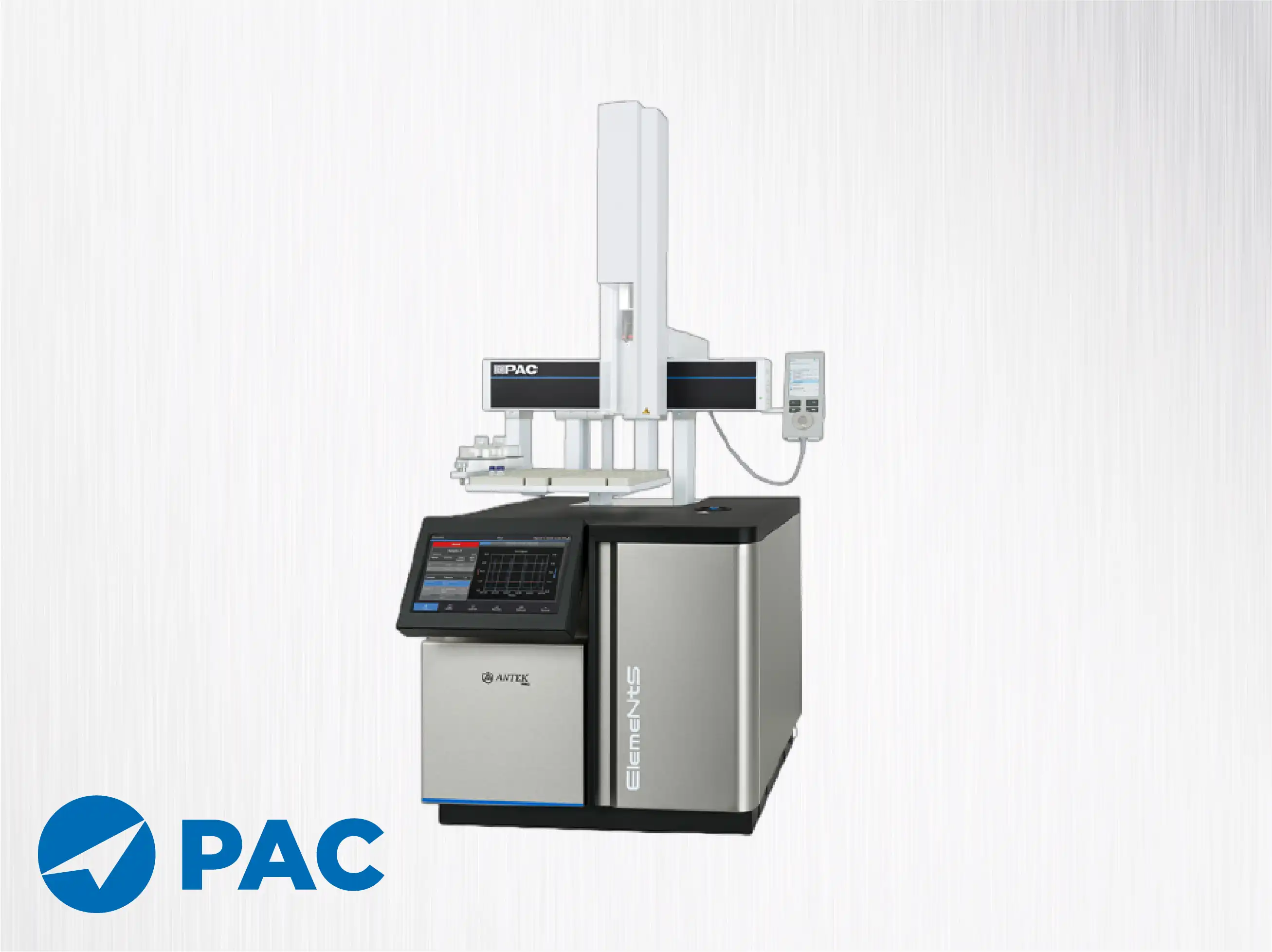
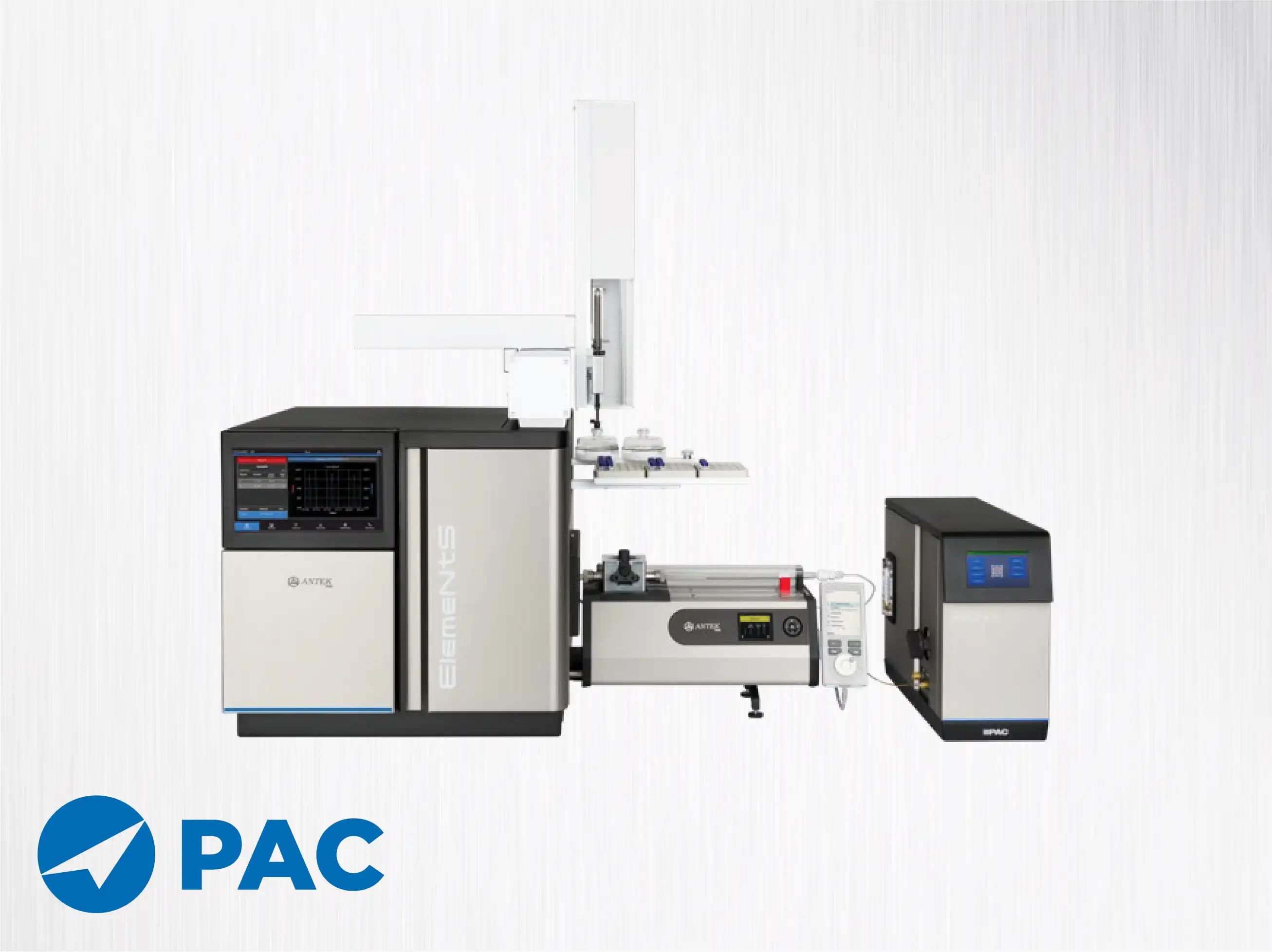
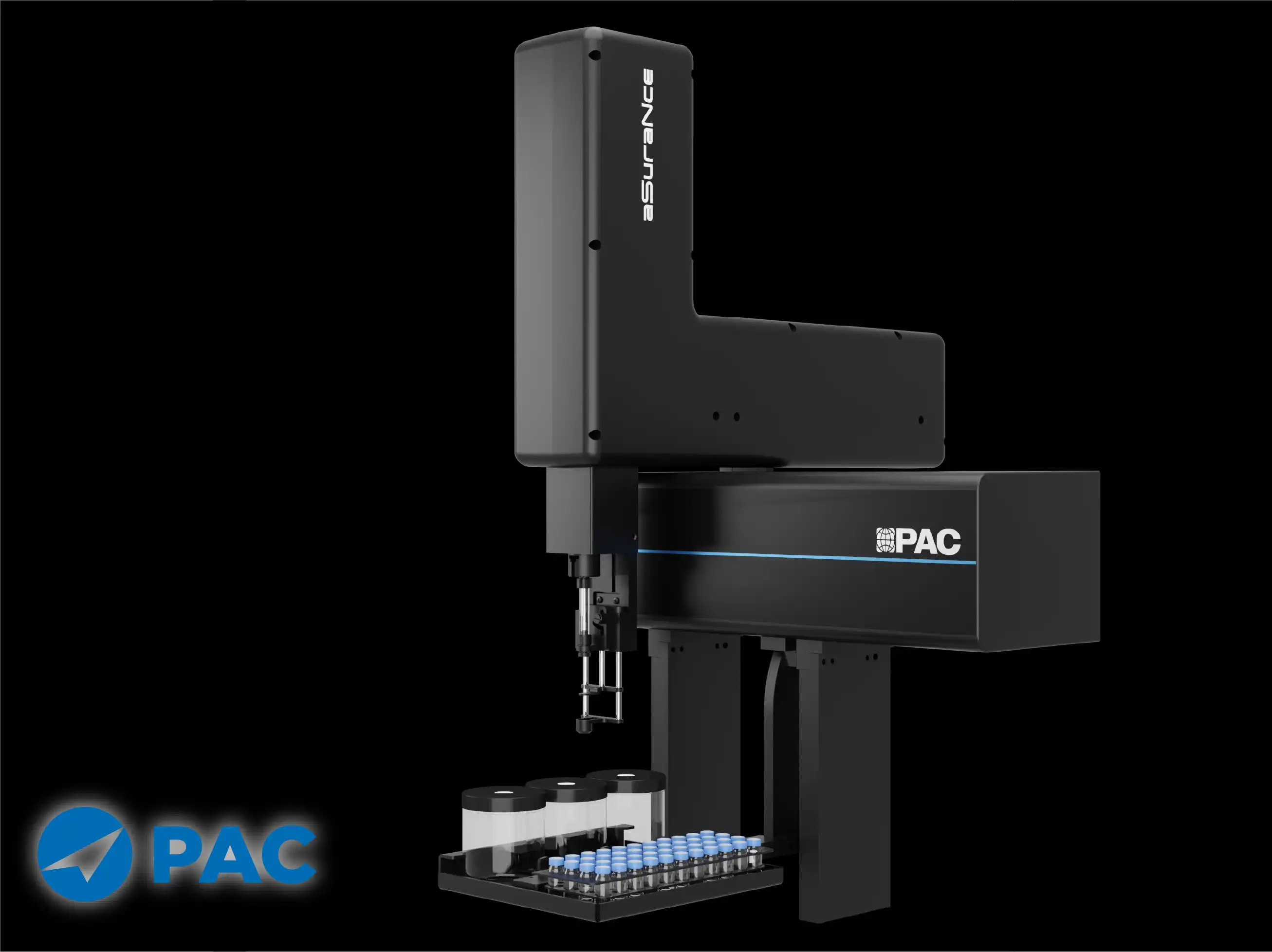
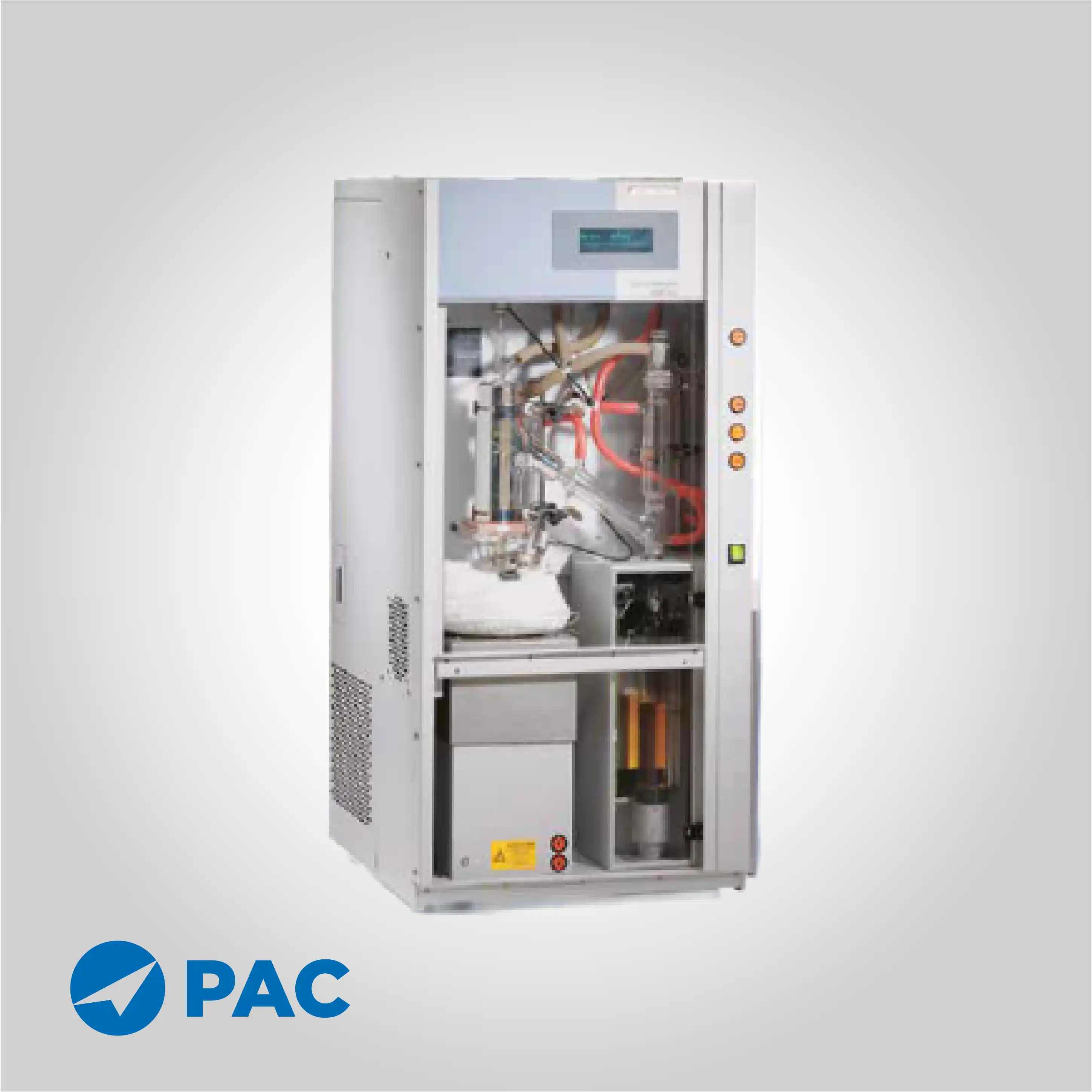
PAC Total Elemental Combustion
Total elemental combustion analysis is a vital method for accurately determining elemental composition in fuels, chemicals, and materials. It provides essential data on carbon, hydrogen, nitrogen, sulfur, and other key elements, enabling laboratories and industrial facilities to optimize quality control, compliance, product performance, and process efficiency across multiple applications.
PAC’s total elemental combustion system offers fully automated, high-precision analysis, minimizing human error and operator-dependent variability. The system ensures accurate quantification of trace and major elements, providing reproducible results across a wide range of sample types including solids, liquids, powders, and complex mixtures, supporting both research and industrial applications.
High-Temperature Oxidative Combustion Technology
The PAC ElemeNtS analyzer utilizes a technical process known as high-temperature oxidative combustion to convert complex hydrocarbon matrices into simple gaseous oxides. The sample is introduced into a furnace operating at temperatures typically exceeding 1000 C in an oxygen-rich environment. Technically, this process ensures that all chemically bound sulfur and nitrogen are converted into sulfur dioxide (O2) and nitric oxide (NO), respectively. This complete combustion is fundamental for accurate elemental quantification, as it eliminates matrix interference and prepares the sample for high-sensitivity detection.
Dual Detection via UVF and Chemiluminescence
A key technical advantage of the ElemeNtS system is its ability to perform simultaneous sulfur and nitrogen analysis in a single injection. For sulfur detection, the system employs Ultra-Violet Fluorescence (UVF), where SO2 molecules are excited by UV light and emit fluorescence as they return to a ground state. For nitrogen, it uses Chemiluminescence, reacting $NO$ with ozone to produce a light-emitting NO2 species. This dual-detector configuration provides a comprehensive elemental profile of the sample, significantly increasing laboratory efficiency and reducing the time required for fuel certification.
Precision at Ultra-Low Concentrations
The ElemeNtS analyzer is technically engineered to detect sulfur and nitrogen at ultra-low concentrations, reaching levels as low as 20 parts per billion (ppb). This extreme sensitivity is vital for modern refineries producing Ultra-Low Sulfur Diesel (ULSD) and Tier 3 gasoline. By maintaining a high signal-to-noise ratio through advanced signal processing and stable detector cooling, the instrument ensures that even the smallest traces of contaminants are quantified accurately. This precision is essential for meeting the stringent environmental mandates enforced by global regulatory bodies.
Advanced Matrix Independence and Linearity
A significant technical challenge in combustion analysis is maintaining accuracy across different fuel types, from light gases to heavy liquids. The ElemeNtS analyzer features a highly linear response across a wide dynamic range, spanning from low ppb to percentage levels. Technically, the system's design ensures matrix independence, meaning that the calibration remains valid regardless of whether the sample is a volatile solvent or a complex vacuum gas oil. This robustness reduces the need for frequent recalibrations and provides reliable data for diverse refinery streams.
Automated Sampling and Intelligent Injection
To ensure repeatability and minimize operator-induced variability, the ElemeNtS system incorporates a fully automated liquid autosampler and specialized gas/LPG injection modules. Technically, the injection speed and volume are precisely controlled to prevent incomplete combustion or "coking" in the furnace. The intelligent injection logic allows the system to adjust parameters based on the sample's boiling point and viscosity. This automation ensures that every sample is introduced under optimal conditions, maintaining the longevity of the combustion tube and the consistency of the analytical results.
Strict Compliance with International Standards
The technical configuration of the PAC ElemeNtS is strictly aligned with major international test methods, including ASTM D5453 and D6667 for sulfur, and ASTM D4629 and D7183 for nitrogen. These standards are the industry benchmarks for determining elemental content in petroleum products and hydrocarbons. By adhering to the standardized flow rates, temperatures, and detection protocols defined in these methods, ElemeNtS ensures that the data generated is legally and commercially valid for global trade and regulatory environmental reporting.
Innovative Maintenance-Friendly Design
The ElemeNtS analyzer features a technical design focused on maximizing uptime and simplifying maintenance. It includes a unique furnace design that allows easy access to the combustion tube and a streamlined sensor layout. The system's software monitors key performance indicators, such as furnace temperature, gas flow rates, and detector stability, providing proactive alerts for maintenance needs. This "maintenance-friendly" architecture reduces the total cost of ownership by minimizing downtime and allowing laboratory personnel to perform routine service tasks quickly and efficiently.
Digital Connectivity and LIMS Integration
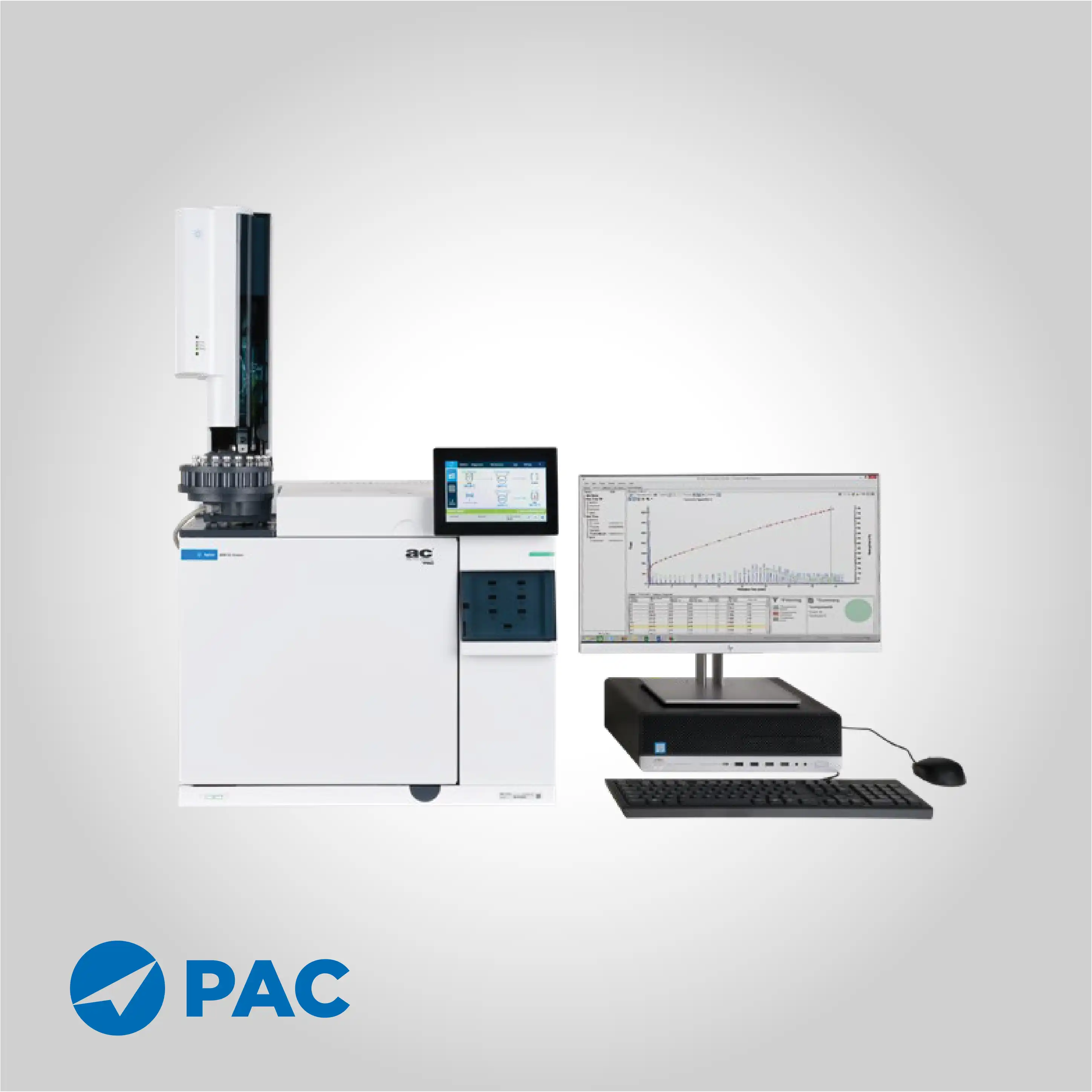
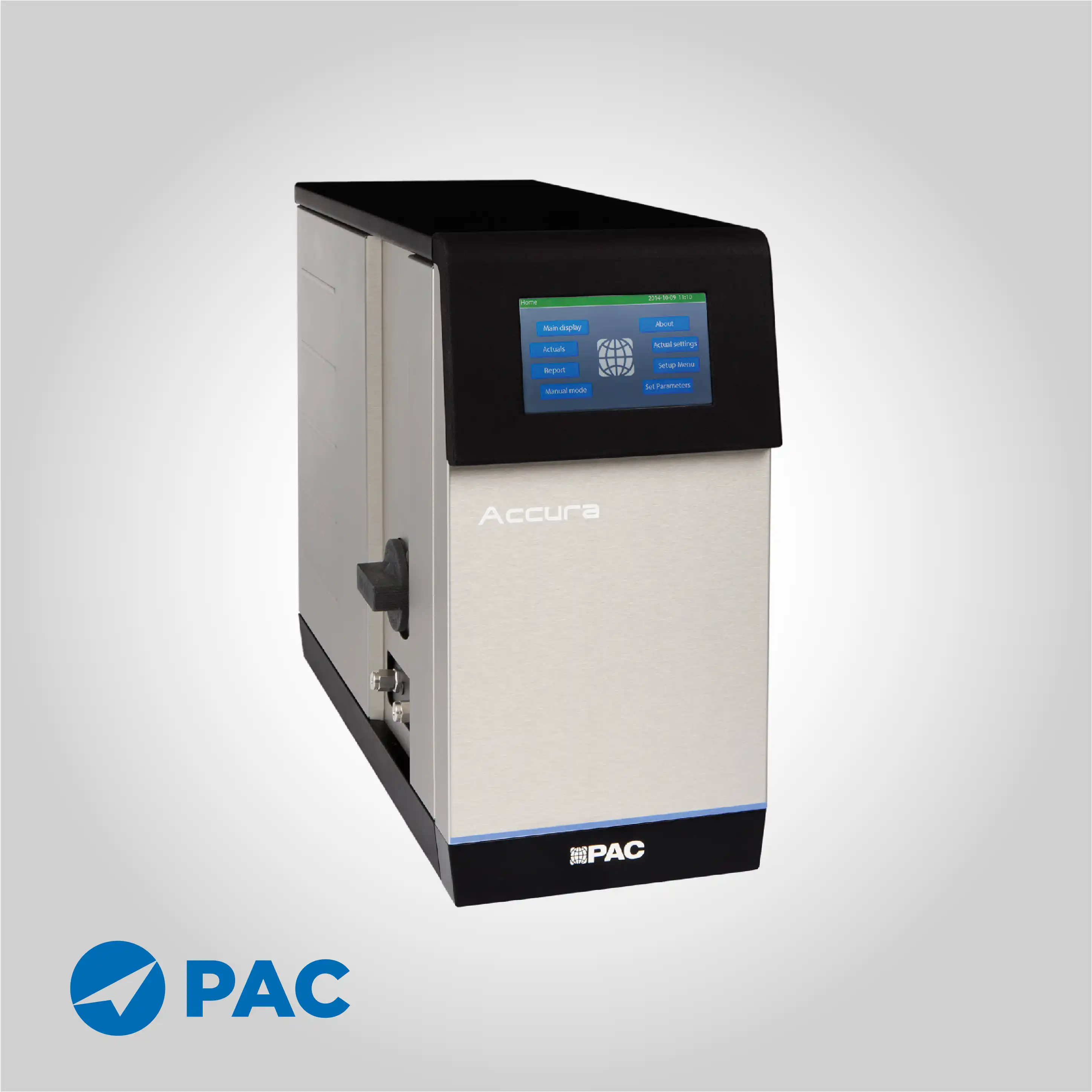
The data produced by the ElemeNtS analyzer is managed through a sophisticated software platform that supports full digital traceability and data integrity. All calibration curves, test results, and instrument parameters are stored in a secure electronic database. The system is designed for seamless integration with Laboratory Information Management Systems (LIMS), facilitating the automated transfer of elemental data for refinery process control. This technical connectivity ensures that sulfur and nitrogen levels are immediately available for operational decision-making, protecting downstream catalysts and ensuring final product compliance.
Read More About PAC Products Here
.webp)
.webp)



.webp)


.webp)

.webp)