




Jet Fuel Thermal Oxidation Testing
|
Precise, High-Temperature Fuel Stability Analysis
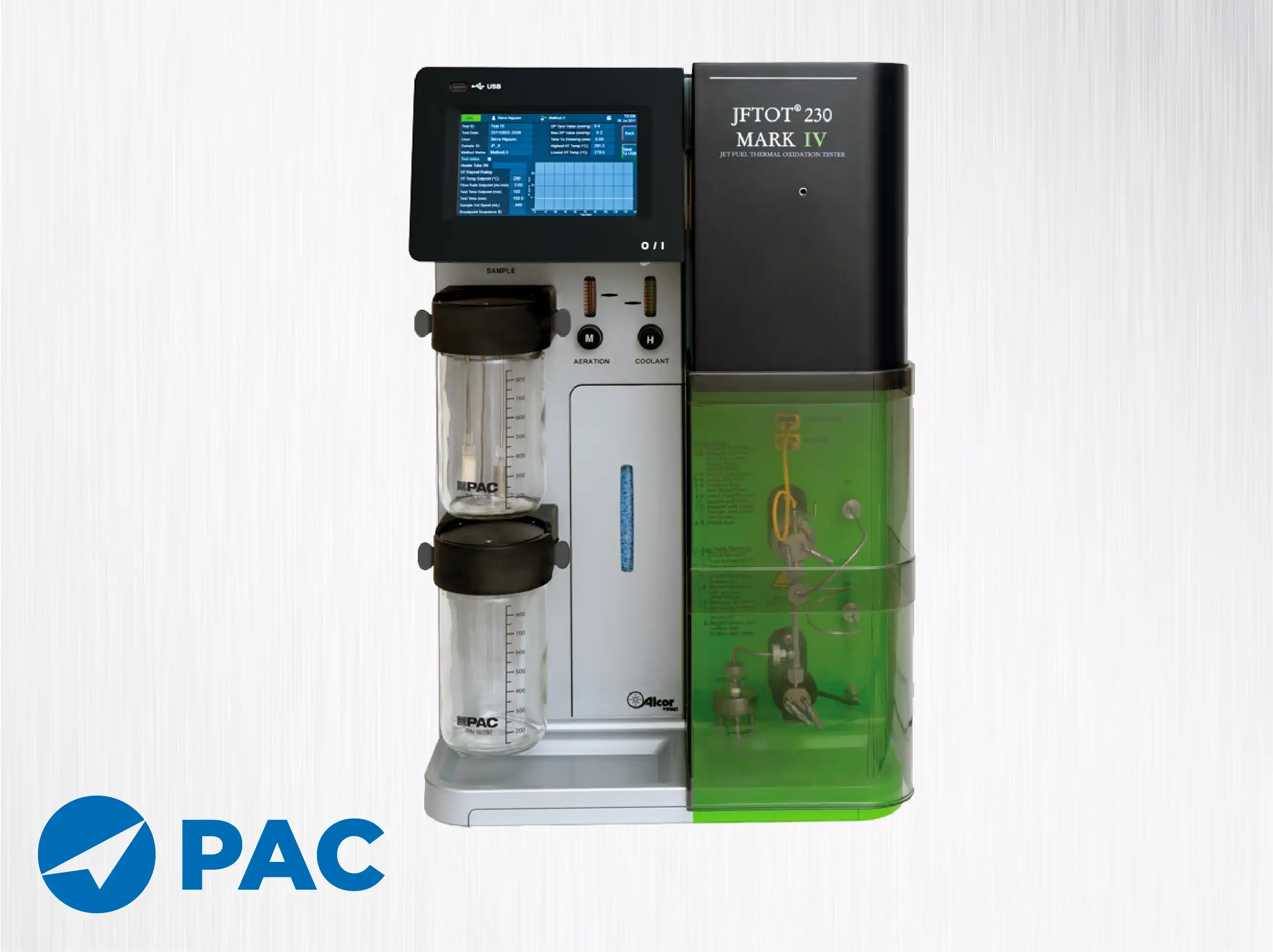
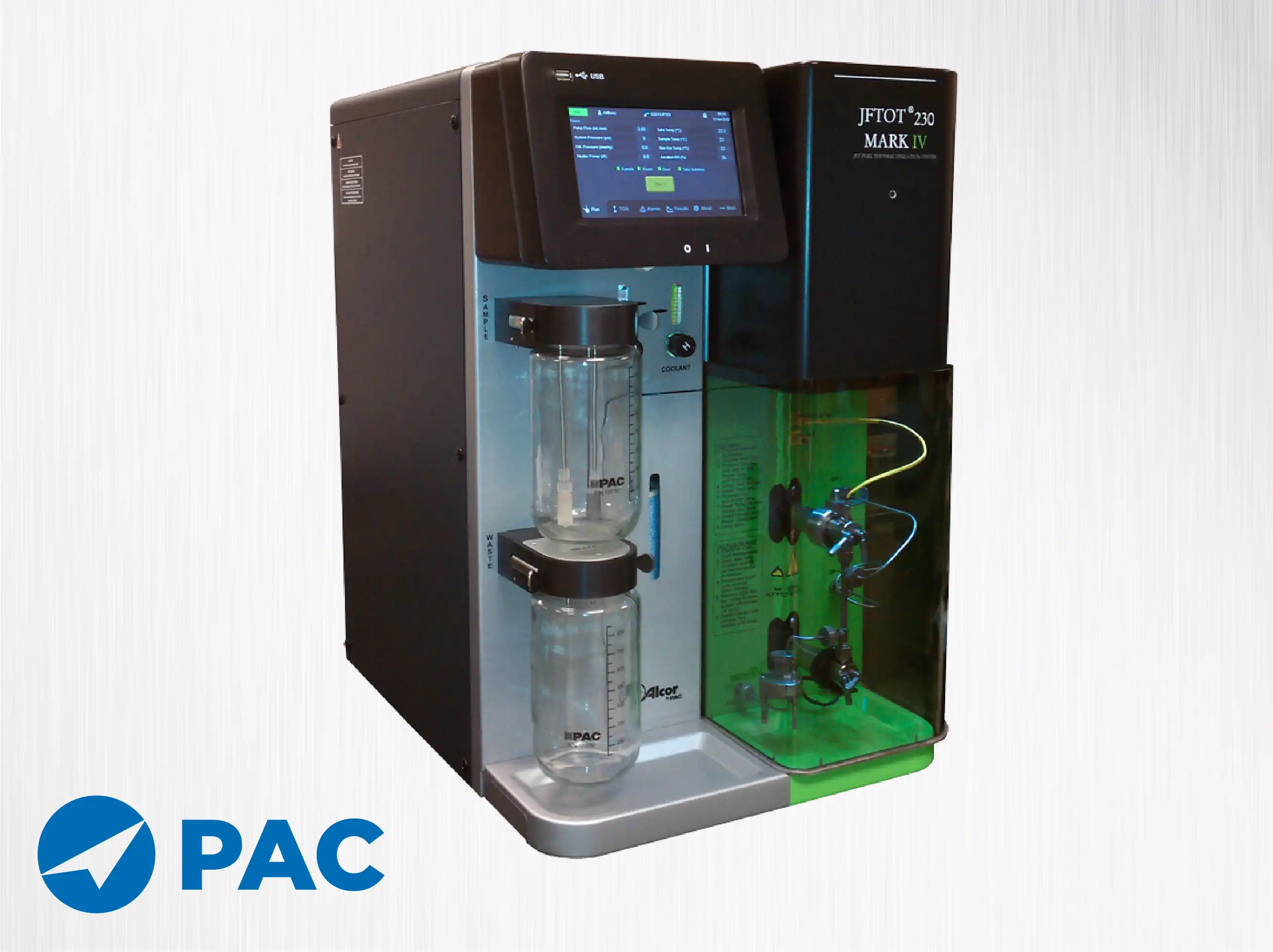
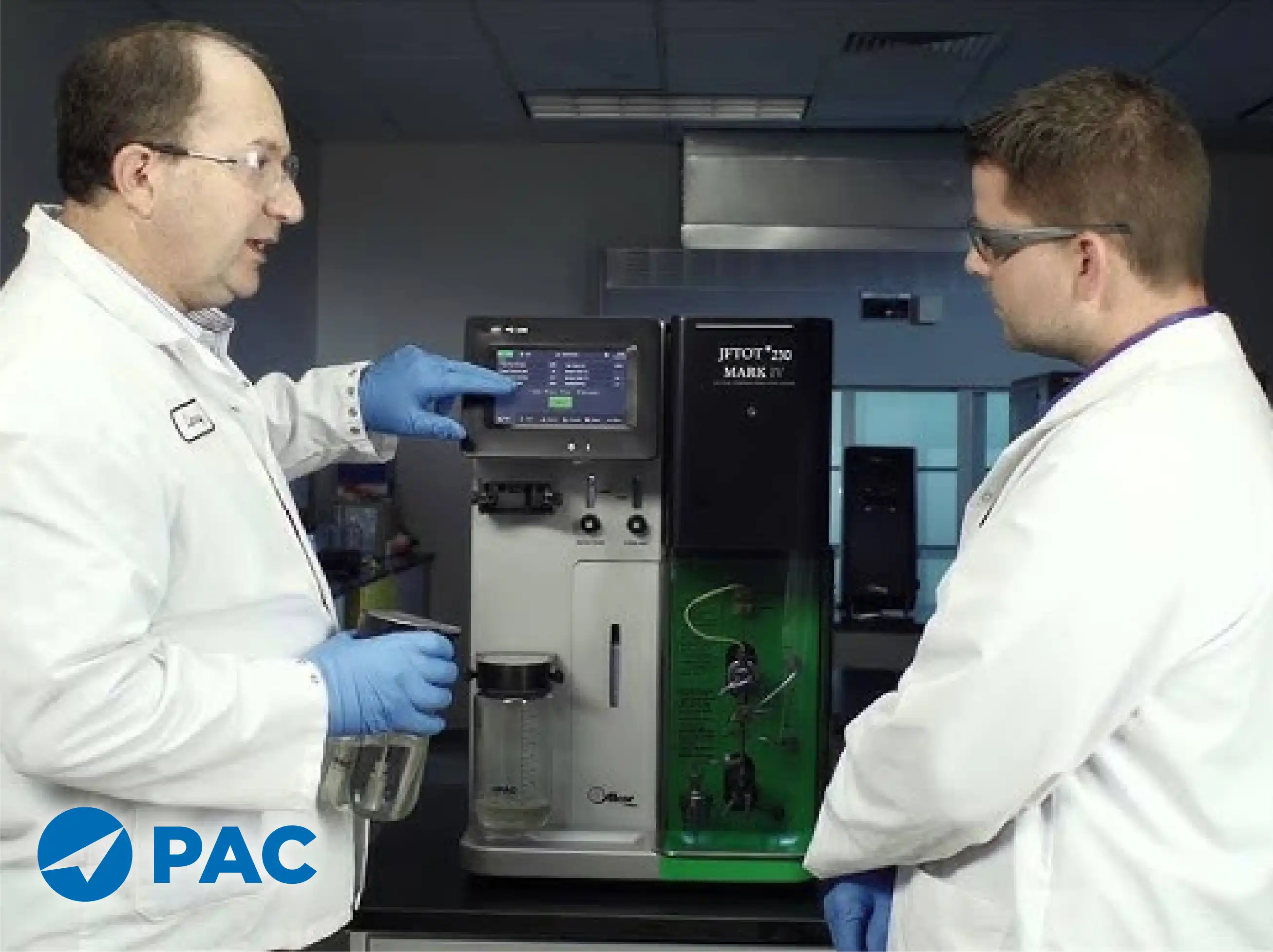
PAC Jet Fuel Thermal Oxidation Testing
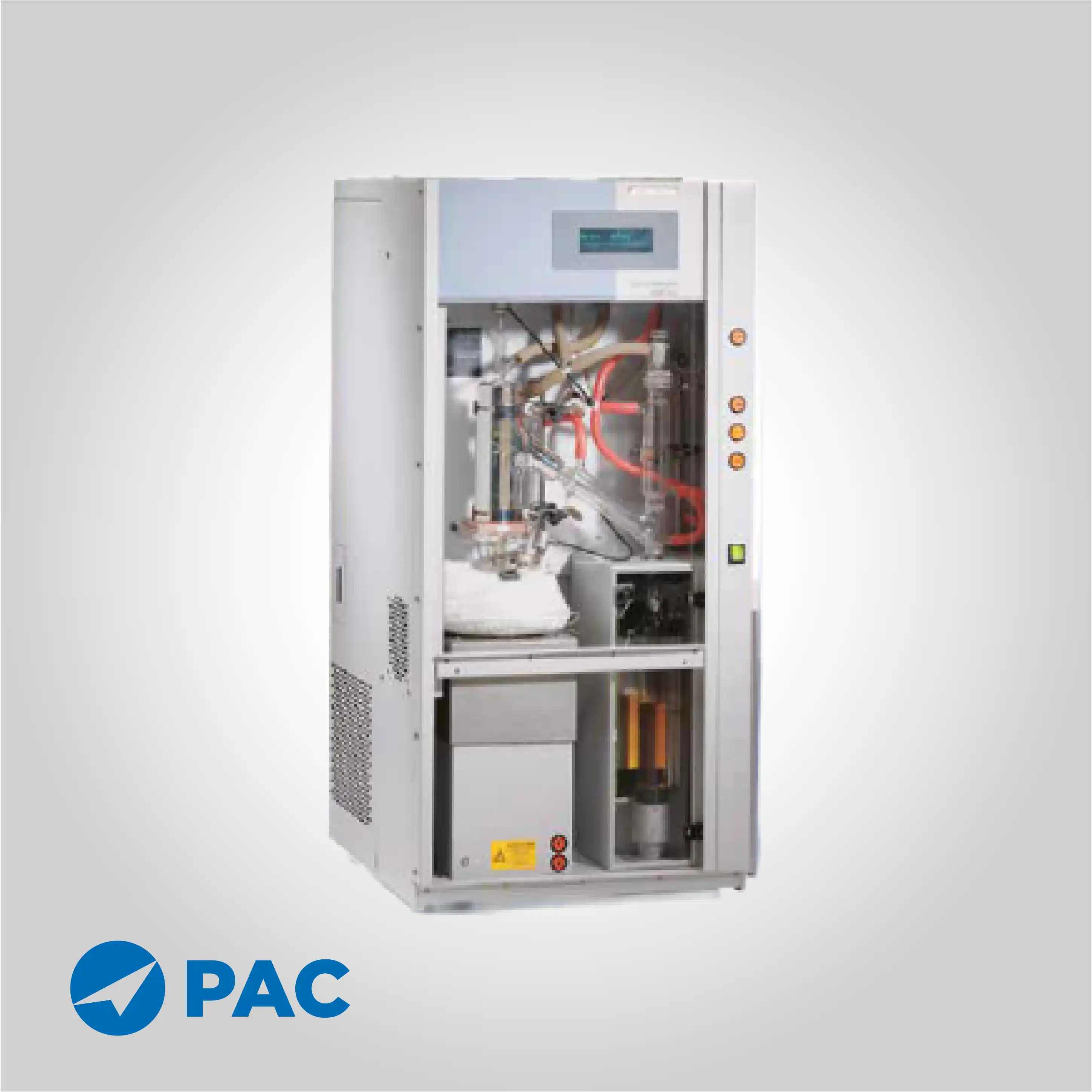
Jet Fuel Thermal Oxidation Testing evaluates the thermal stability of aviation fuels under high-temperature conditions that replicate real operational environments. The test simulates fuel flow through heated tubes, assessing the fuel’s tendency to form deposits, color changes, and other chemical degradation. Accurate evaluation of these parameters is critical for ensuring engine reliability, safety, and long-term fuel performance.
The system employs precision-controlled heater tubes with accurate temperature management and uniform flow distribution. Sensors continuously monitor the temperature and pressure within the tubes, ensuring reproducible and standardized testing conditions. This allows for detailed assessment of fuel stability characteristics under realistic thermal stress conditions, essential for aviation safety and regulatory compliance.
Automated ASTM D3241 Compliance and Testing
The technical core of the system is its strict adherence to the ASTM D3241 standard for thermal oxidation stability. The analyzer automates every phase of the test, including fuel aeration, priming, the 150-minute test run, and the final cooling phase. Technically, this automation removes human subjectivity, ensuring that the heating ramp, flow rate, and pressure remain within the narrow tolerances required by global aviation fuel specifications.
Precision Heater Tube Temperature Control
To accurately simulate engine environments, the system utilizes a high-precision thermocouple to monitor and regulate the heater tube temperature. Technically, the temperature is maintained with exceptional stability, preventing thermal spikes that could lead to false-positive deposit formation. This precise control is vital for differentiating between fuels that pass or fail the stringent thermal stability requirements of jet fuel specifications.
Differential Pressure Monitoring Across Filters
As fuel undergoes thermal oxidation, it may form particulates that accumulate on a specialized test filter. The system technically monitors the differential pressure (Delta P) across this filter throughout the duration of the test. An increase in pressure indicates the formation of insoluble materials. By recording the rate of pressure change, the analyzer provides a technical quantitative measure of the fuel's particulate-forming tendencies.
Optically Integrated Deposit Rating Systems
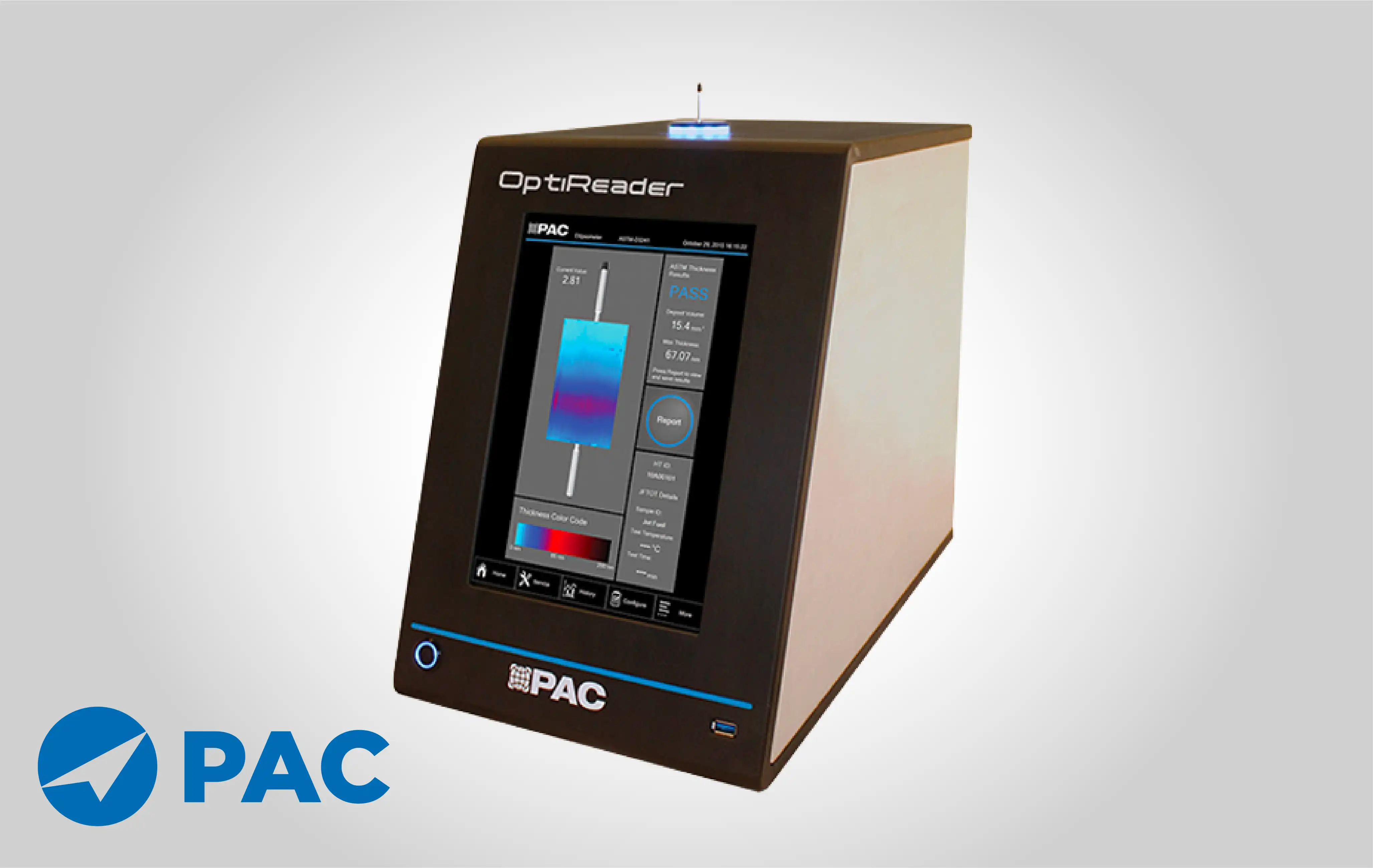
Traditionally, heater tube deposits were rated visually, but PAC’s technical approach incorporates automated optical rating. This system uses a multi-wavelength sensor to scan the heater tube surface and quantify the thickness and volume of carbonaceous deposits. Technically, this provides a standardized, objective result that eliminates the variability between different human raters, ensuring global consistency in fuel quality assessment.
Integrated Safety and Leak Detection
Safety is a paramount technical consideration when testing volatile fuels at high temperatures. The analyzer is equipped with integrated sensors to detect fuel leaks or abnormal pressure buildup within the system. Technically, if a breach or an over-pressure condition is identified, the system immediately initiates an emergency shutdown and isolates the heating element to prevent any hazardous incidents in the laboratory environment.
Advanced Aeration and Priming Cycles
Before the thermal oxidation begins, the fuel must be technically prepared through a standardized aeration process to ensure it is saturated with air. The system automates this cycle, followed by a precision priming step to remove air bubbles from the pump and flow lines. This ensures that the subsequent test is performed under a consistent chemical state, which is critical for the reproducibility of oxidation results.
Data Integrity and Electronic Reporting
To meet modern laboratory requirements, the system is technically designed for total data integrity. All test parameters, including temperature profiles, pressure data, and optical ratings, are stored in a secure electronic format. Technically, this allows for the generation of comprehensive reports that comply with ALCOA+ principles, ensuring that the fuel certification data is traceable, unalterable, and ready for regulatory audit.
User Interface and Process Automation
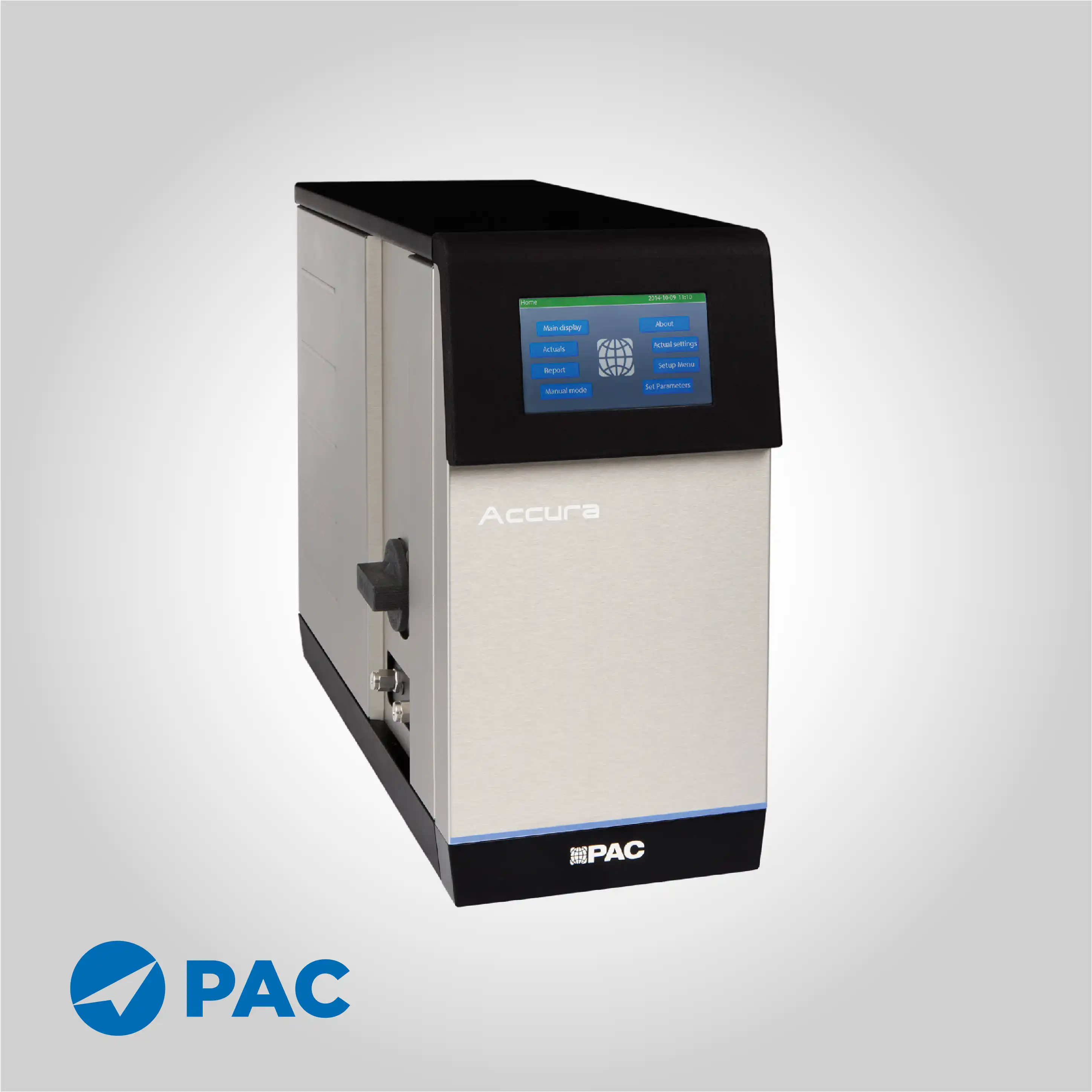
The technical complexity of the JFTOT procedure is simplified through an intuitive touchscreen interface. Operators can select pre-programmed methods and monitor the test progress in real-time through graphical displays. Technically, the software guides the user through the setup process and performs automated system suitability checks, ensuring that the instrument is in peak technical condition before every analysis.
Read More About PAC Products Here
.webp)
.webp)



.webp)


.webp)

.webp)