




High-Precision Micro Carbon Residue Analysis
|
For Fuel and Lubricant Characterization


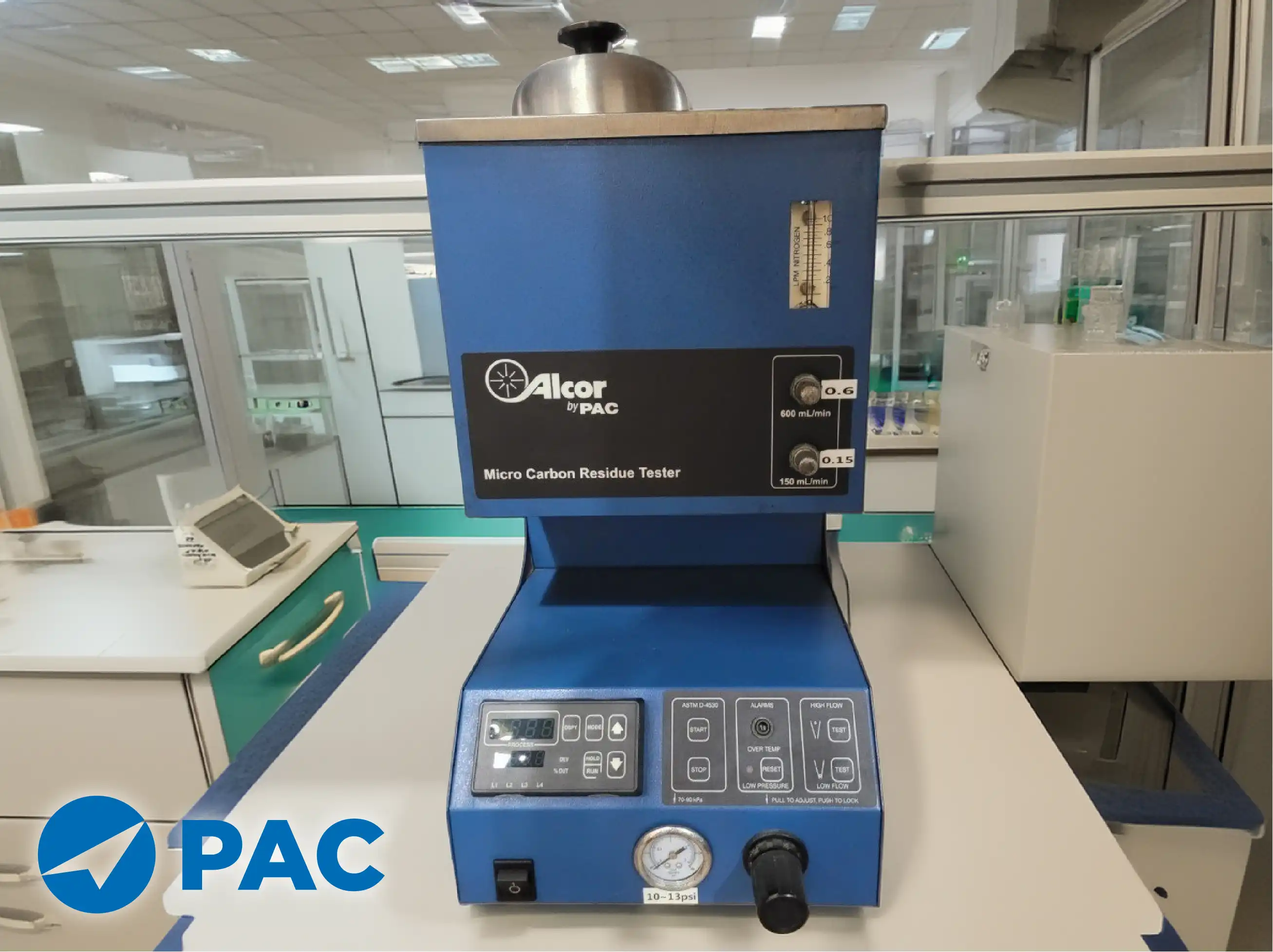
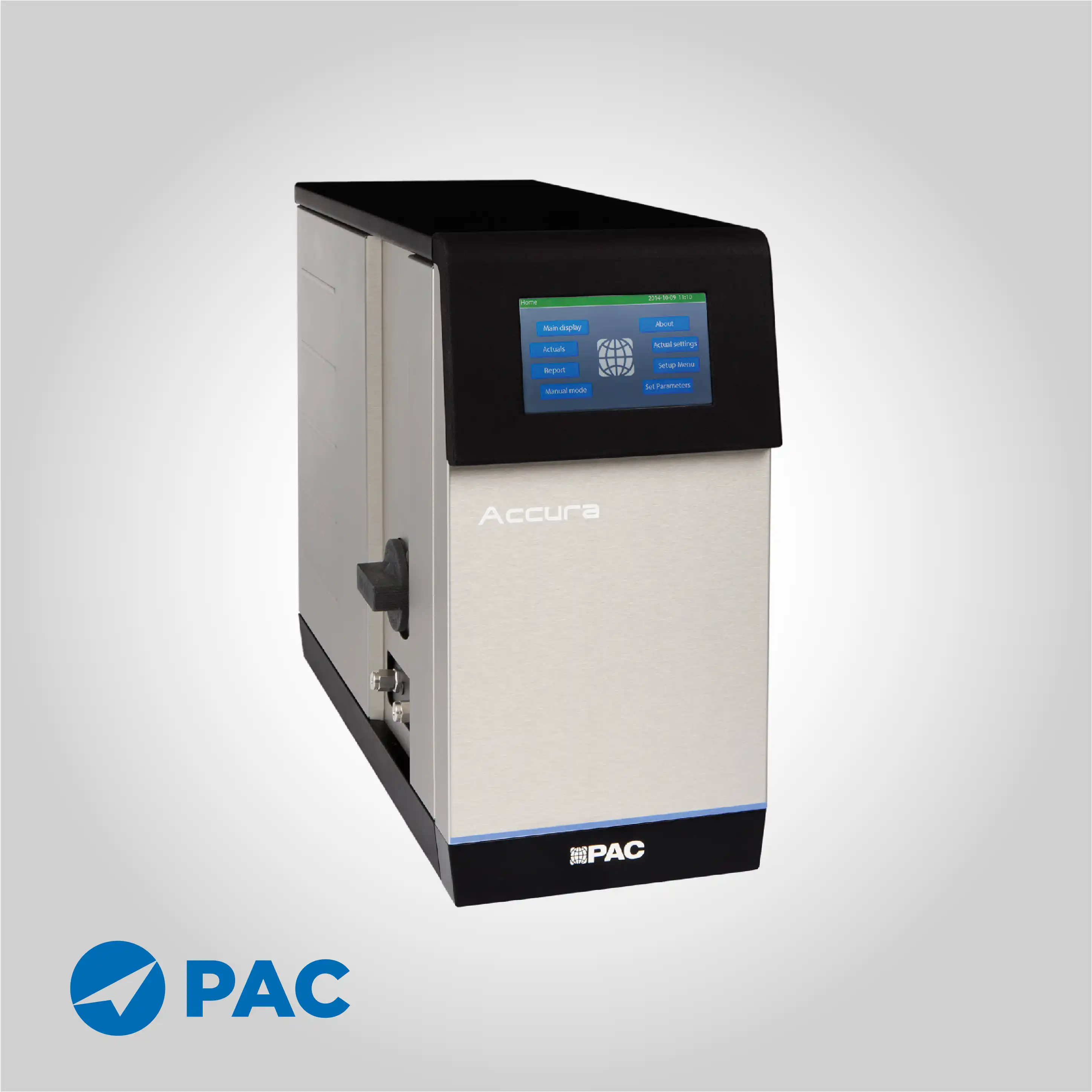
PAC Micro Carbon Residue
Micro Carbon Residue (MCR) analysis is a critical test for evaluating the carbon-forming tendencies of petroleum products, fuels, and lubricants. It measures the amount of carbon residue left after controlled thermal decomposition of a sample under specified conditions.
The MCR testing system operates by subjecting a precisely measured quantity of liquid sample to controlled heating under a defined inert atmosphere or specified conditions. The sample is progressively heated to high temperatures until complete thermal decomposition occurs, after which the remaining carbon residue is weighed or quantified.
Precise Temperature Control for Accurate MCR Measurement
Temperature control and uniform heating are central to accurate MCR measurement. The system maintains a stable and reproducible thermal environment, ensuring that all samples experience consistent heating rates and exposure times. This eliminates variability due to uneven heat distribution, allowing for precise and repeatable determination of carbon residue levels, which is crucial for comparing fuels, lubricants, or chemical feedstocks across multiple batches or production lots.
Compliance with International Standards
The testing methodology adheres to international standards, providing laboratories with reliable, traceable results for regulatory compliance and product specification. Both high-boiling and low-boiling hydrocarbons can be accurately analyzed, including fuels with additives, complex blends, or highly viscous components. By providing a standardized procedure, the system ensures that Micro Carbon Residue data is comparable across different facilities, enhancing quality assurance and process optimization.
Optimized Sample Handling and Preparation
Sample handling and preparation are optimized to ensure reproducibility and safety. The system allows precise dosing of sample volumes, minimizing measurement errors and preventing contamination. Combined with controlled heating and inert atmosphere management, the system ensures accurate MCR determination even for highly reactive or thermally sensitive materials. This capability is essential for petrochemical research, engine fuel testing, and lubricant formulation studies.
Automated Data Acquisition and Reporting
Data acquisition and management are fully automated, providing real-time monitoring of thermal decomposition, sample behavior, and residue formation. Software automatically records sample weight before and after the test, calculates carbon residue percentages, and generates standardized reports. This ensures traceability, minimizes operator variability, and provides laboratories with comprehensive documentation for compliance, process control, and research purposes.
Robust Construction and Safe Operation
Robust construction, safety interlocks, and thermal protection features ensure safe and long-term operation. The system is designed for continuous laboratory use, minimizing downtime and maintenance requirements. Its reliable operation enables repeated testing of multiple fuel or lubricant samples, providing consistent and accurate MCR results that support product development, process optimization, and regulatory compliance.
Comprehensive Carbon Residue Evaluation
By combining precise thermal control, automated sample management, and integrated data analysis, the Micro Carbon Residue testing system provides laboratories with fast, accurate, and reproducible evaluation of carbon-forming tendencies. It supports refining operations, fuel and lubricant quality control, and research initiatives, enabling stakeholders to assess combustion behavior, optimize formulations, and ensure compliance with international standards.
Read More About PAC Products Here
.webp)
.webp)



.webp)


.webp)

.webp)