




High-Precision Hydrocarbon Vapor Pressure Measurement
|
Accurate ASTM-Compliant Testing
.webp)
PAC Vapor Pressure Testing
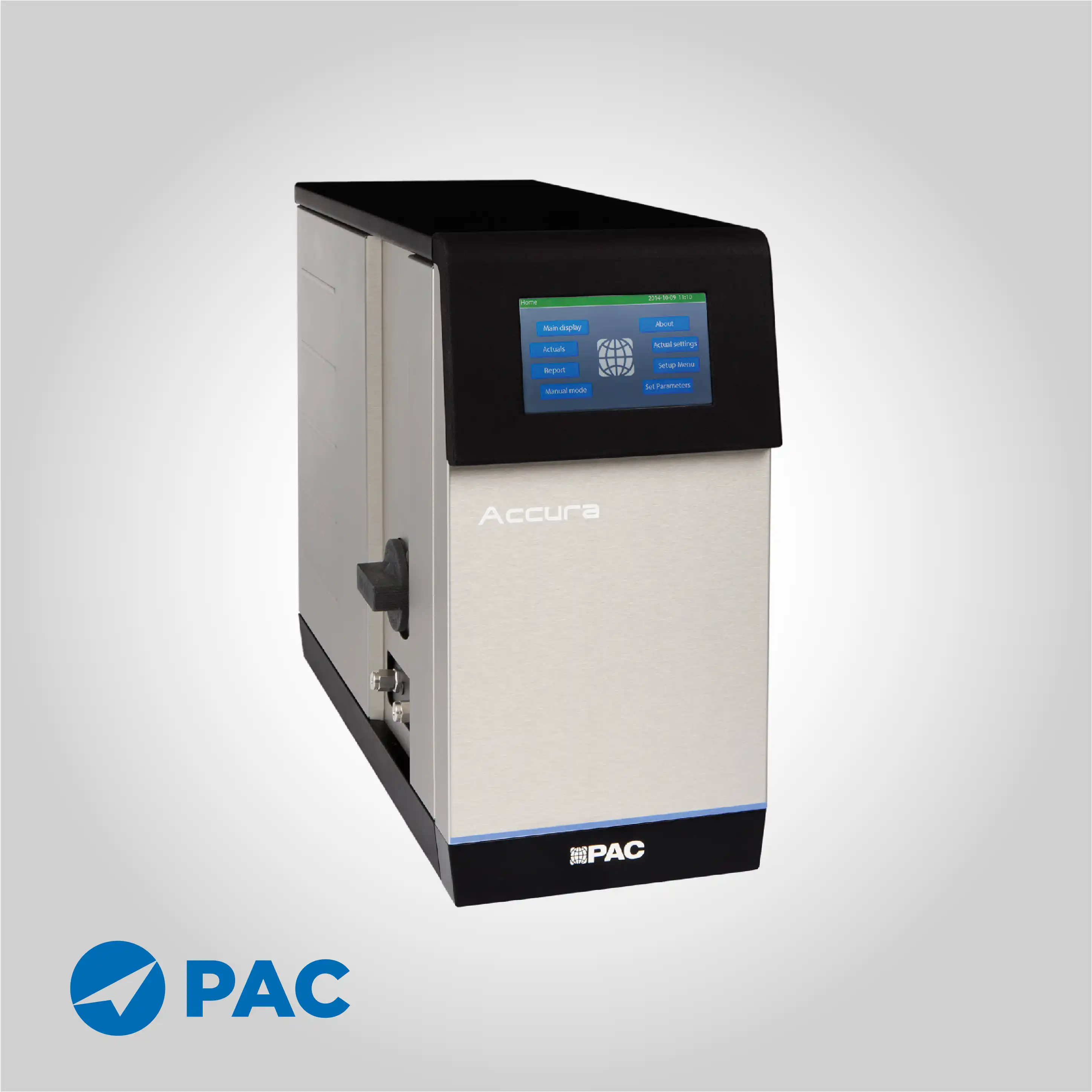
The vapor pressure measurement system is designed to provide accurate and reliable determination of hydrocarbon volatility across a broad range of samples, including crude oils, refined fuels, and chemical intermediates. Understanding vapor pressure is critical for hydrocarbon volatility assessment, as it affects not only storage and handling safety but also process efficiency and material formulation.
The instrument operates using advanced pressure sensing technology, capable of detecting minute changes in vapor pressure with exceptional accuracy. Samples are securely introduced into a sealed chamber where the vaporization process generates a measurable pressure. This method enables precise evaluation of ASTM-compliant hydrocarbon vapor pressure, ensuring that measurements are fully reproducible and consistent with international standards.
Critical Role of Vapor Pressure in Fuel Volatility
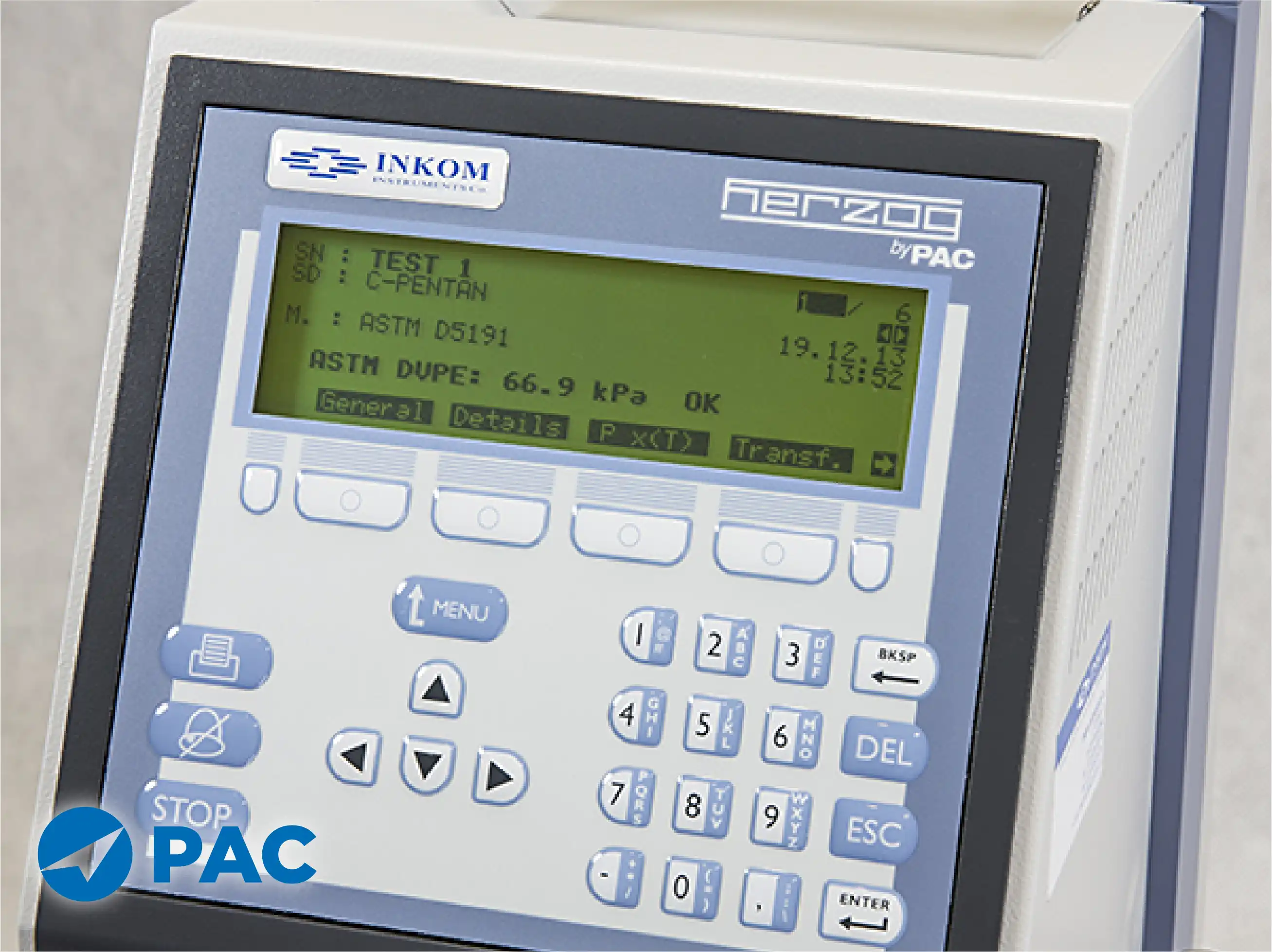
Vapor pressure is a fundamental technical property of liquid fuels, representing the pressure exerted by the vapor in equilibrium with its liquid phase at a specific temperature. In the petroleum industry, vapor pressure testing is essential for determining the volatility of gasoline and other light distillates. This parameter directly impacts engine startability, warm-up characteristics, and the tendency for vapor lock in fuel systems. The PAC HVP 972 is engineered to provide precise measurements of this property, ensuring that fuels meet the rigorous volatility standards required for different seasonal climates and altitudes.
Integrated Cooling and Thermal Management
Precision in vapor pressure testing is highly dependent on strict temperature control, as even minor fluctuations can significantly alter the resulting pressure. The HVP 972 features a built-in Peltier cooling system that allows for rapid thermal stabilization of the measurement cell. This integrated cooling eliminates the need for external water baths or bulky chillers. The system maintains a constant temperature, typically 37.8 C (100 F) for standard Reid Vapor Pressure (RVP) correlations, ensuring that the sample is measured under the exact conditions required by international test methods.
Versatility for Gasoline, Crude Oil, and Solvents
The HVP 972 is technically versatile, capable of analyzing a wide range of samples including automotive gasoline, aviation fuels, solvents, and crude oil. For crude oil analysis, the instrument supports the ASTM D6377 method, which measures the vapor pressure of "live" crude oil samples without the loss of light ends. This capability is critical for safe transport and storage, as it allows operators to determine the potential for pressure buildup in pipelines and tankers. The system’s ability to handle different Vapor-to-Liquid (V/L) ratios makes it a universal tool for refinery laboratories.
Automation and Minimal Sample Handling
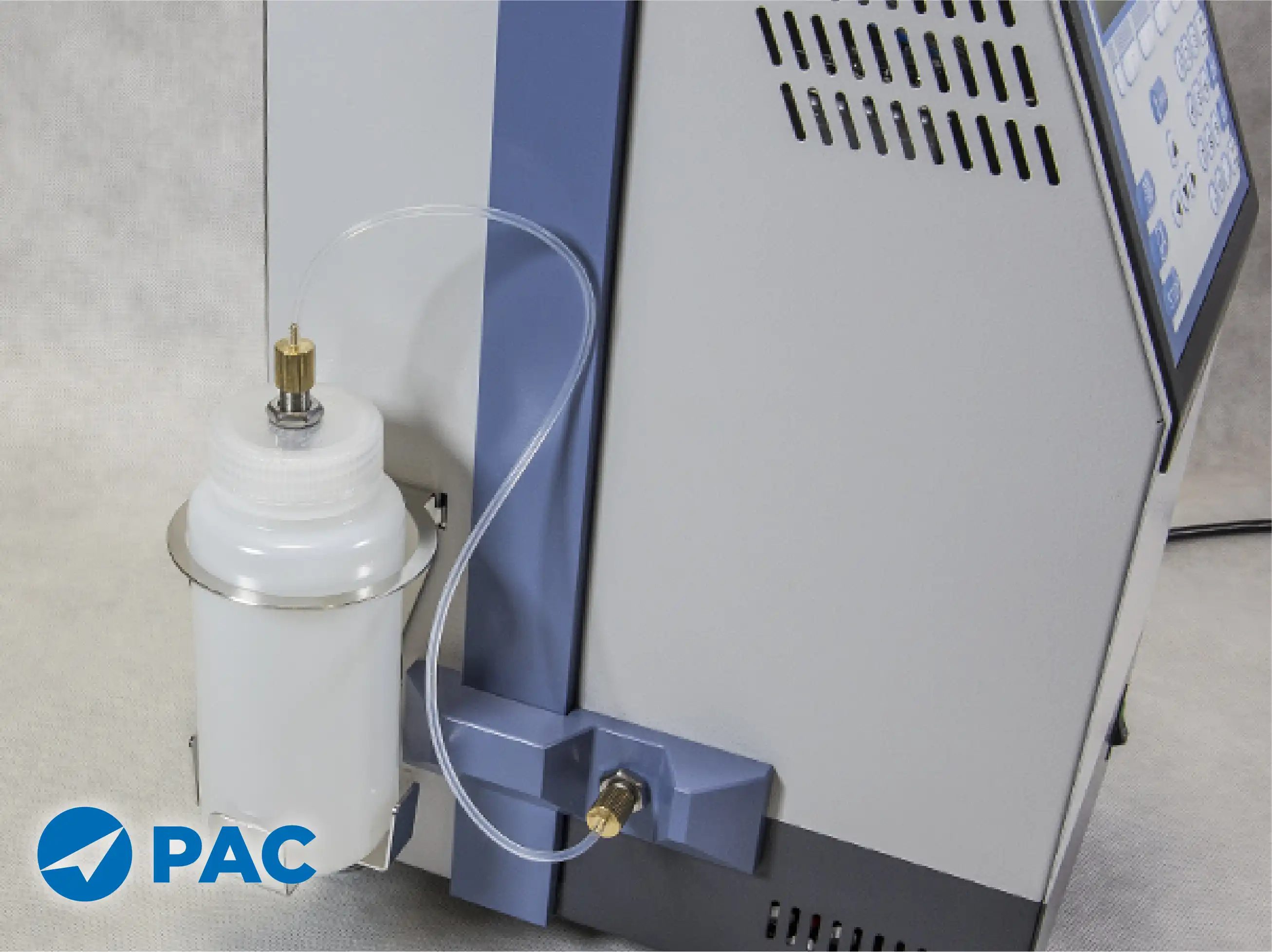
To enhance laboratory throughput and data integrity, the HVP 972 features a fully automated testing cycle. The process involves automatic sample aspiration, rinsing, and measurement. This technical automation minimizes the risk of operator error and limits the exposure of personnel to volatile organic compounds (VOCs). The instrument requires a very small sample volume, typically less than 10 mL, which reduces waste and makes it ideal for high-cost or limited-quantity samples. The "push-button" operation ensures that complex vapor pressure sequences are executed with 100 % consistency.
Compliance with Global ASTM and EN Standards
PAC’s vapor pressure applications are strictly aligned with global analytical standards, including ASTM D5191, D6377, D6378, and EN 13016. ASTM D5191 is the primary method for measuring the Dry Vapor Pressure Equivalent (DVPE) in spark-ignition engine fuels. By utilizing the HVP 972, laboratories ensure that their results are fully correlated with traditional manual Reid methods while benefiting from modern automation. This compliance is essential for the legal certification of fuels for domestic and international trade, ensuring that all data is traceable to verified reference methods.
Sophisticated Pressure Sensors and Calibration
The instrument utilizes high-resolution pressure transducers to monitor the measurement cell. These sensors are capable of detecting very small changes in pressure with a high degree of linearity across the entire measurement range. To ensure long-term reliability, the HVP 972 includes built-in calibration and diagnostic routines. The system can be validated using pure chemical standards like pentane or cyclopentane. This technical self-validation ensures that the instrument maintains its accuracy, providing the lab with confidence in the reported Vapor Pressure Equivalent (VPE) values.
Digital Data Management and LIMS Integration
The technical performance of the HVP 972 is supported by an advanced software interface that manages all test parameters and results. The system records the complete pressure and temperature profile for every sample, creating a comprehensive digital audit trail. This data can be seamlessly integrated into a Laboratory Information Management System (LIMS), facilitating automated reporting and data sharing across the refinery’s quality control network. This digital connectivity reduces manual paperwork and ensures that the volatility data is immediately available for process optimization and regulatory compliance.
Read More About PAC Products Here
.webp)



.webp)


.webp)

.webp)