




Full Composition Analysis by Gas Chromatography
|
High-Precision Hydrocarbon Characterization

PAC Full Composition Analysis
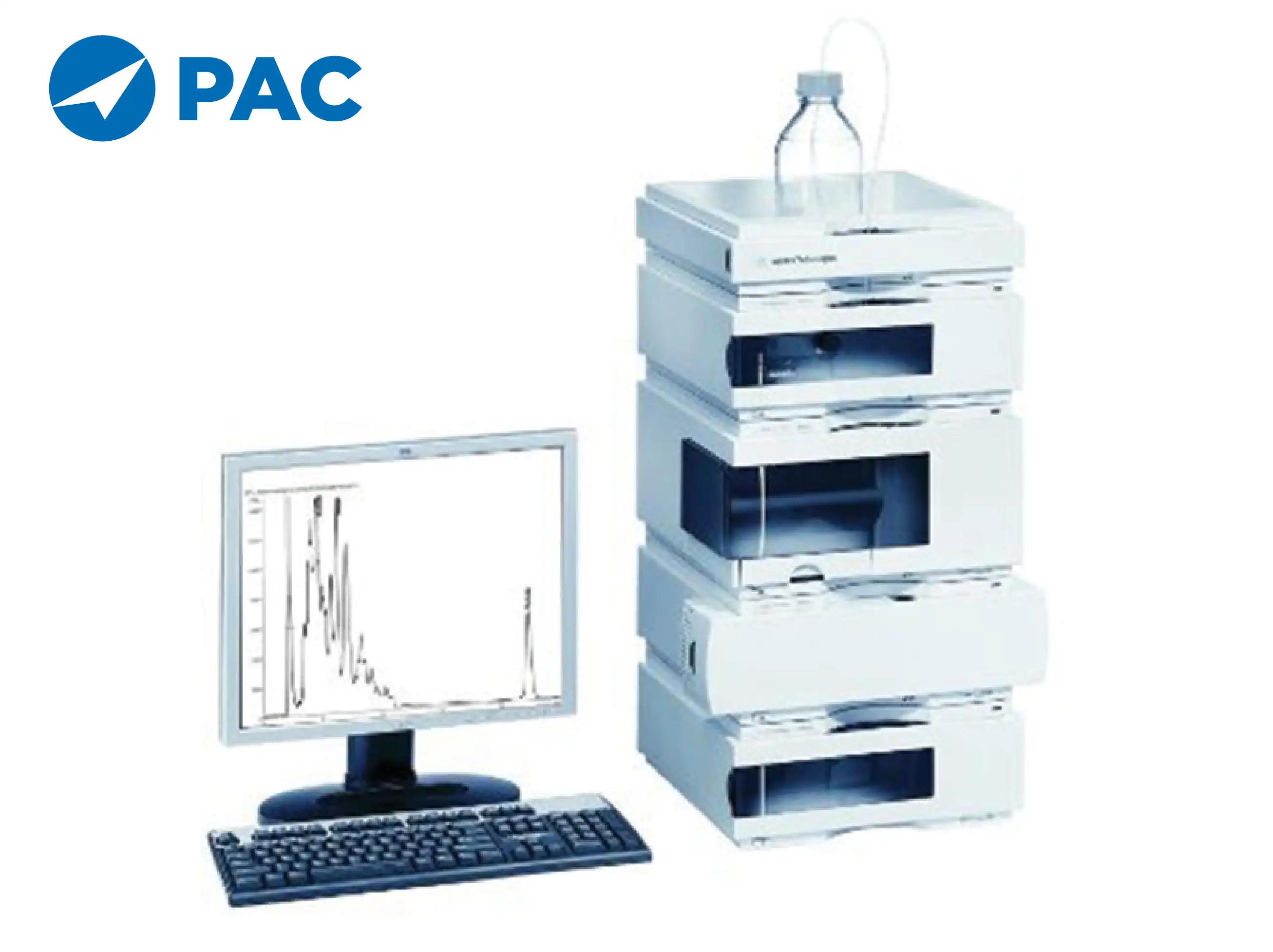
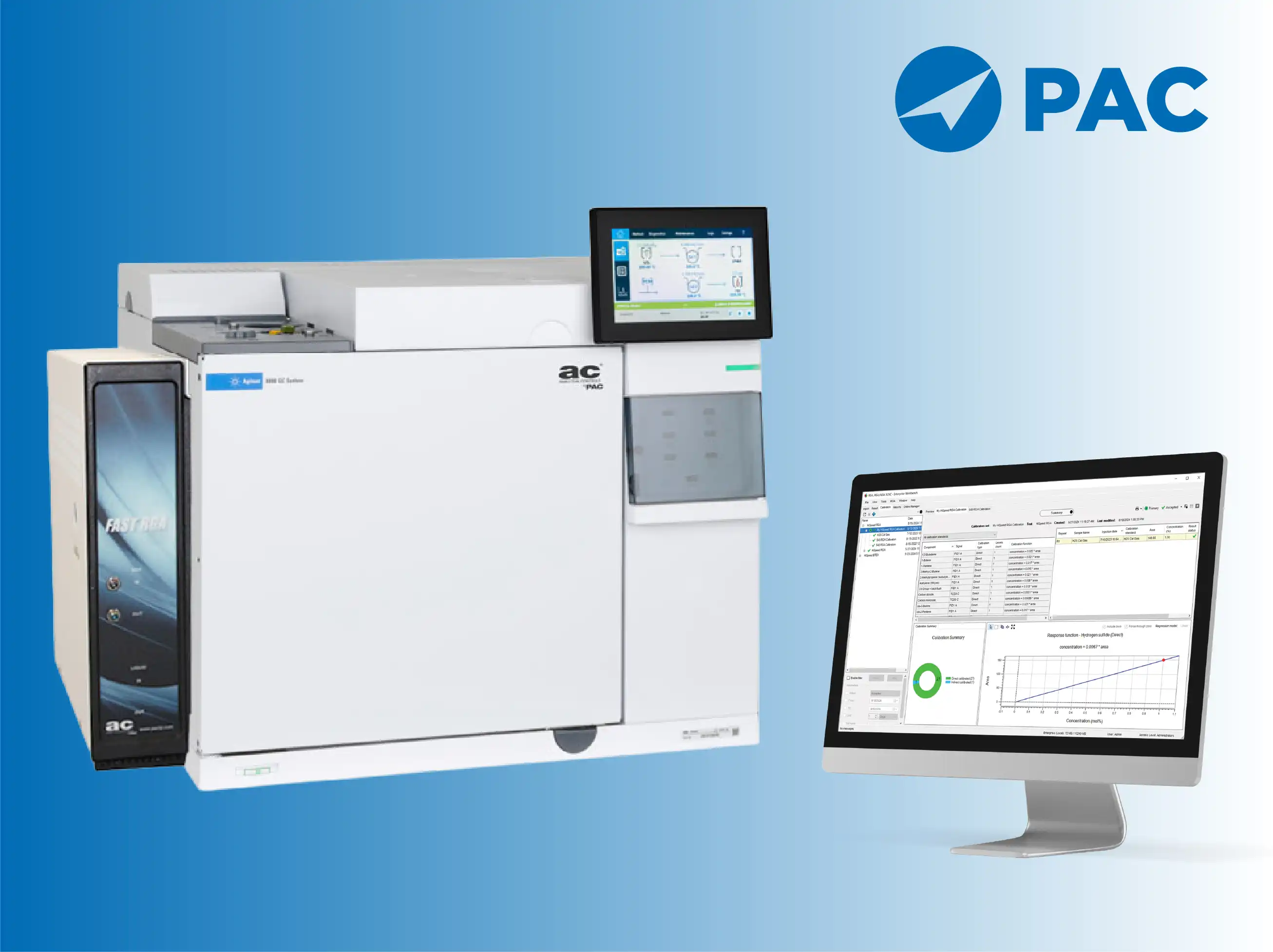
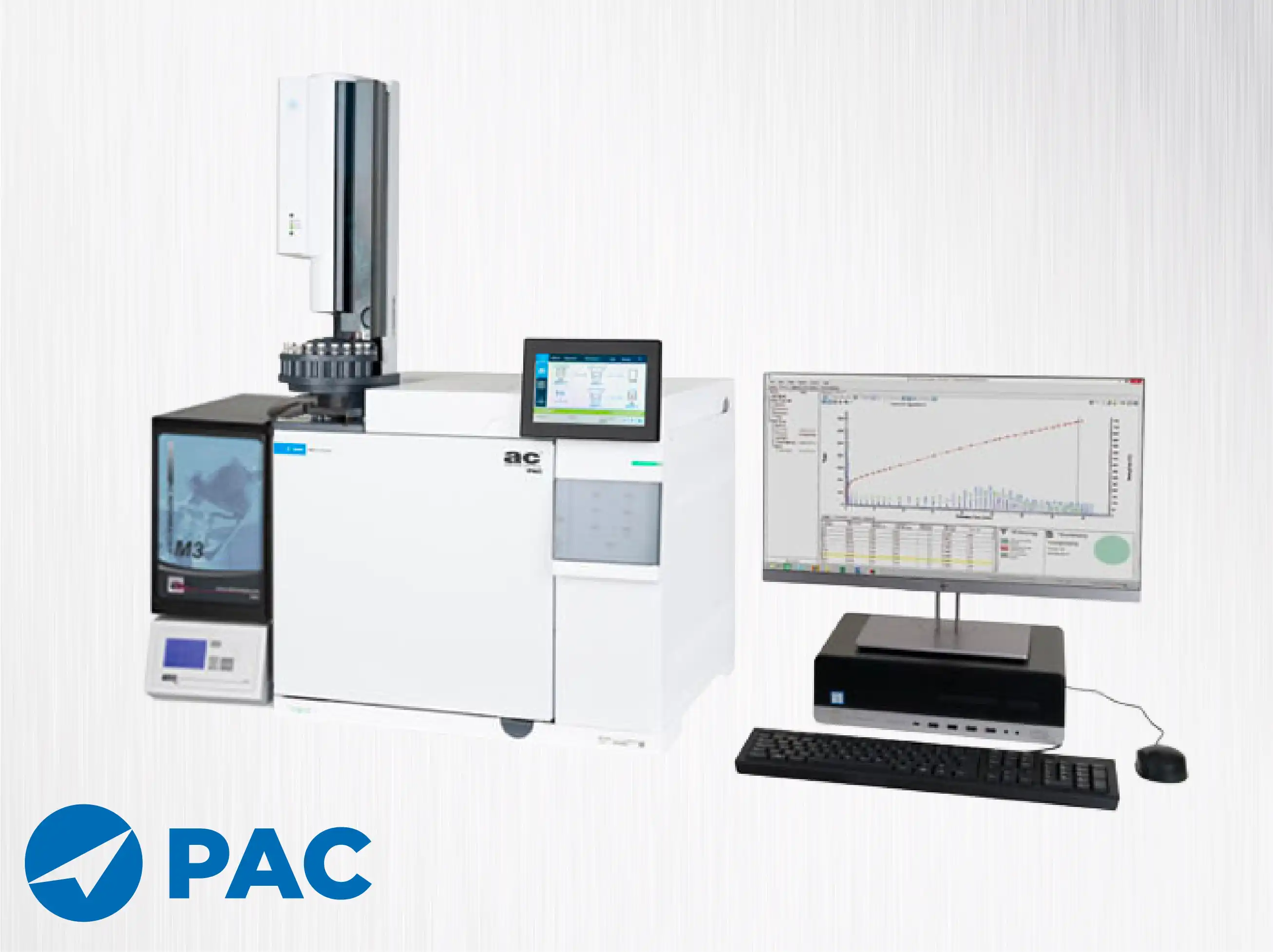
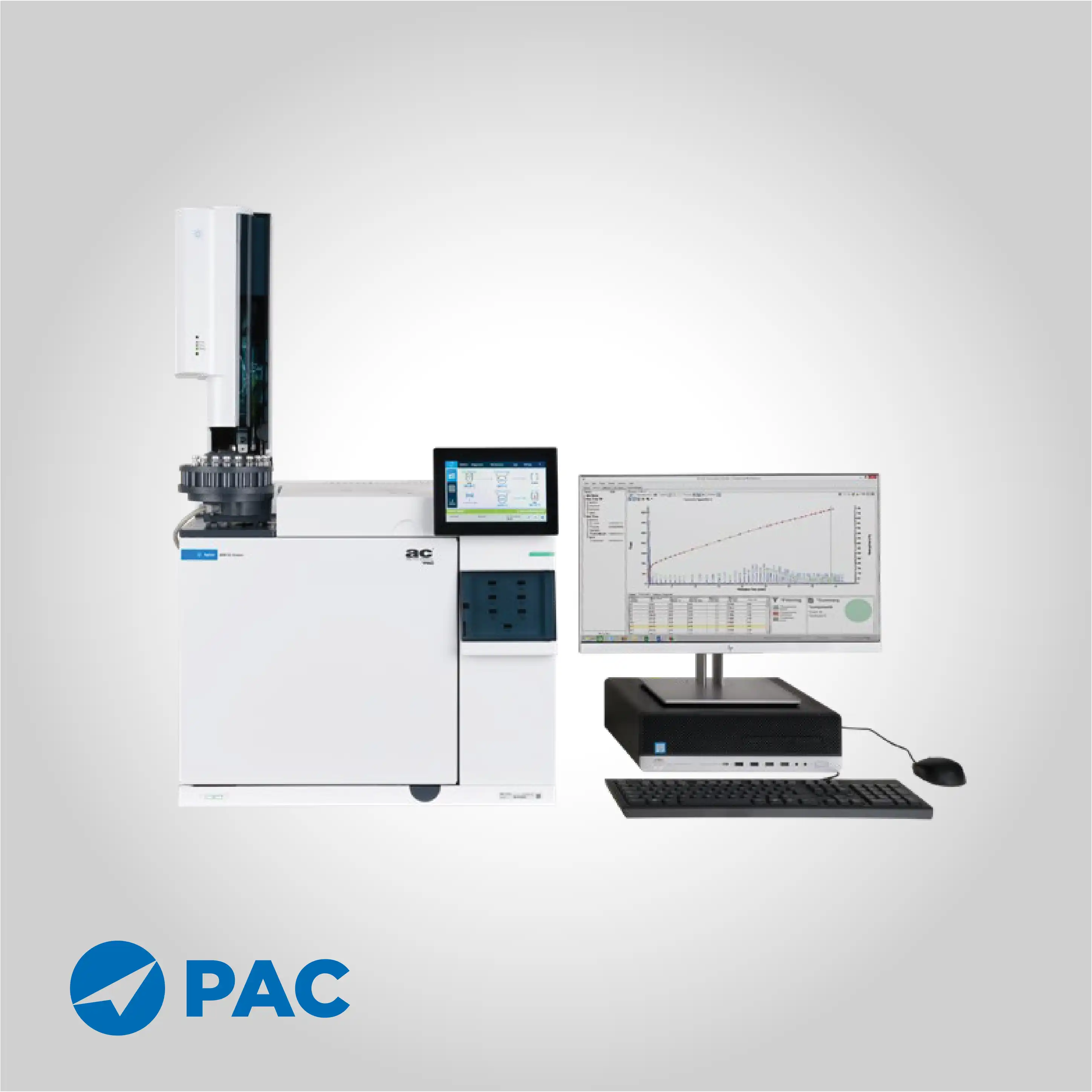
PAC’s Gas Chromatography systems for Full Composition Analysis are engineered to deliver precise and reliable hydrocarbon composition data across a wide range of applications in the natural gas, LPG, and petrochemical industries. These systems determine the complete component makeup of gaseous and liquefied hydrocarbons, supporting accurate measurements for process control, energy content determination, and product specification verification.
The analytical configuration integrates high-resolution chromatographic columns that ensure excellent separation of components from methane up to C12 hydrocarbons and beyond. This setup provides superior peak definition and baseline stability, resulting in accurate quantification even for trace-level compounds. It supports compliance with ASTM, ISO, and GPA standard test methods for compositional analysis.
Comprehensive Hydrocarbon Speciation and Characterization
Full Composition Analysis (FCA) by PAC is technically engineered to provide a complete breakdown of complex petroleum streams. This process involves the separation and identification of individual hydrocarbon components across a wide boiling range. By utilizing high-resolution gas chromatography, the system can distinguish between paraffins, isoparaffins, olefins, naphthenes, and aromatics. This level of detail is essential for refineries to determine the chemical makeup of feedstocks and final products, directly influencing the optimization of downstream conversion units.
Detailed Hydrocarbon Analysis (DHA) for Light Fractions
For light naphtha and gasoline streams, the system employs Detailed Hydrocarbon Analysis (DHA). Technically, this involves the use of high-efficiency capillary columns that provide maximum peak resolution for components up to C12. The DHA software automates the identification of hundreds of peaks by comparing retention indices against extensive databases. This allows for the precise calculation of physical properties such as octane number, vapor pressure, and average molecular weight based on the exact molar composition of the sample.
PIONA Analysis via Multi-Column Switching
PIONA analysis is a technical cornerstone of PAC’s composition solutions, specifically designed for complex naphtha samples. The system uses a multi-column switching technique to group hydrocarbons into their respective chemical families: Paraffins, Isoparaffins, Olefins, Naphthenes, and Aromatics. This is achieved through a combination of polar and non-polar columns, along with specialized traps that selectively retain certain groups. This automated separation provides a clear percentage-based distribution of chemical groups, which is vital for catalytic reformer control and aromatics production.
Integration of Simulated Distillation (SimDist)
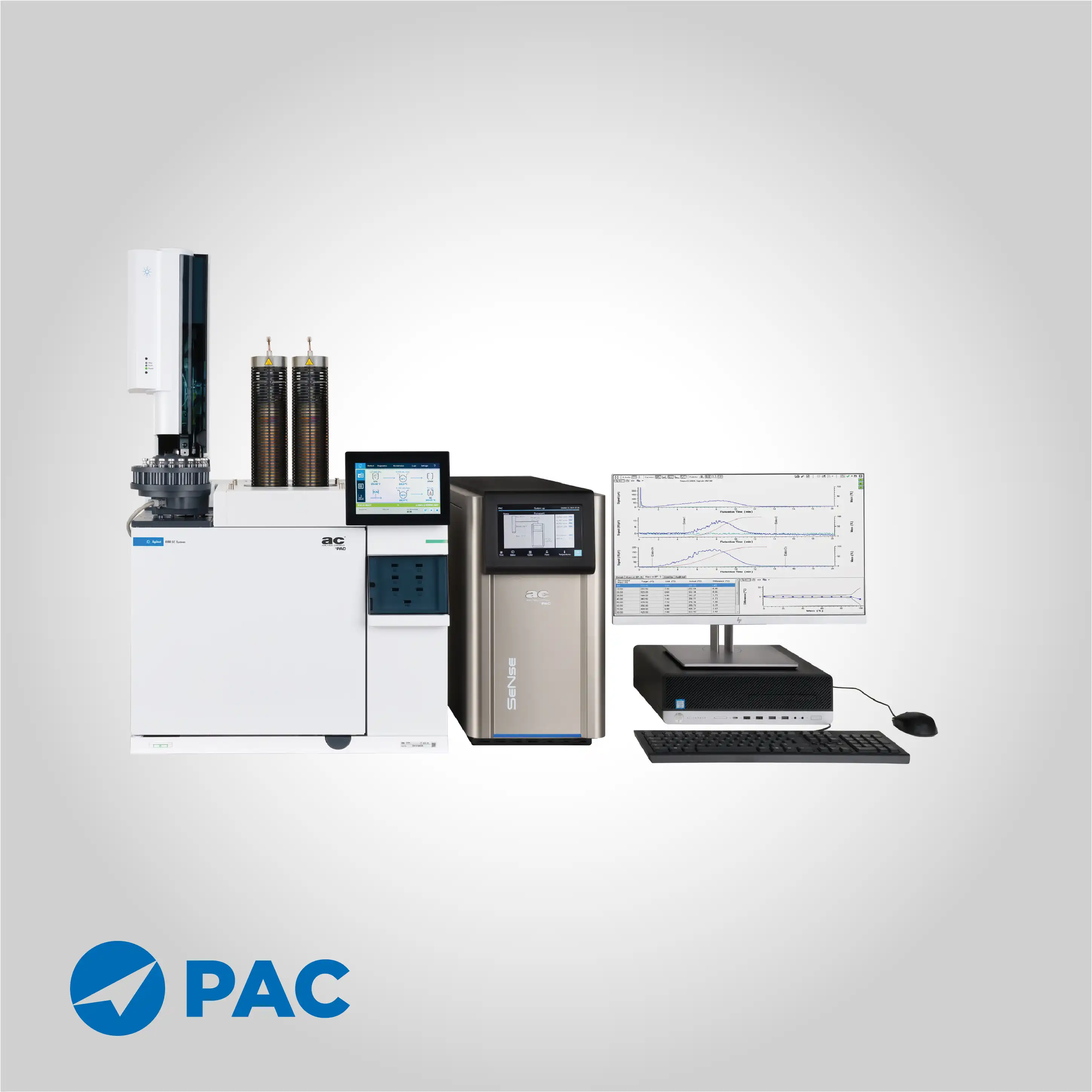
A vital part of full composition analysis is Simulated Distillation (SimDist), which determines the boiling range distribution of petroleum fractions. Technically, SimDist replaces traditional physical distillation by correlating the elution time of hydrocarbons from a GC column with their known boiling points. PAC’s SimDist solutions cover everything from light gasoline to heavy vacuum residues (C 100+), providing a mass-balance-based distillation curve that is much faster and more repeatable than manual atmospheric or vacuum distillation methods.
Advanced Detection Systems for Heteroatom Analysis
Beyond carbon and hydrogen, PAC’s GC systems can be equipped with specialized detectors for the analysis of sulfur, nitrogen, and oxygenated compounds. Technically, detectors such as Sulfur Chemiluminescence (SCD) and Nitrogen Chemiluminescence (NCD) allow for the detection of trace-level impurities that can poison refinery catalysts or impact environmental compliance. Integrating these detectors into the full composition analysis ensures that the chemical profile includes both the hydrocarbon matrix and any reactive heteroatom species present in the fuel.
Compliance with International ASTM and EN Methods
The technical configuration of PAC’s composition analyzers is strictly aligned with international regulatory methods, including ASTM D6729, D6730, D5134, and D8071. These methods define the required column specifications, temperature programs, and detector sensitivities for valid hydrocarbon analysis. By adhering to these standardized protocols, PAC ensures that the data generated is globally recognized and legally defensible for trade, quality control, and regulatory reporting in the global petroleum market.
Sophisticated Data Processing and Peak Identification
The technical performance of the hardware is supported by a powerful software suite designed for complex chromatographic data. The software utilizes advanced algorithms for baseline correction, peak deconvolution, and automated identification using the Kovats Retention Index. This ensures that even co-eluting peaks are accurately quantified. The system also supports the integration of results into a Laboratory Information Management System (LIMS), providing a centralized platform for managing the vast amount of data produced during a full composition run.
Impact on Refinery Efficiency and Yield Optimization
The ultimate technical goal of Full Composition Analysis is to provide actionable data for refinery yield optimization. By knowing the exact chemical composition of an intermediate stream, process engineers can adjust reactor temperatures and pressures to maximize the production of high-value components like high-octane gasoline or petrochemical feedstocks. This high-precision analysis reduces giveaway, minimizes the production of low-value byproducts, and ensures that the final refinery output consistently meets the targeted quality specifications.
Read More About PAC Products Here
.webp)
.webp)


.webp)


.webp)

.webp)