




Trace Analysis by Gas Chromatography
|
Ultra-Sensitive Trace Detection
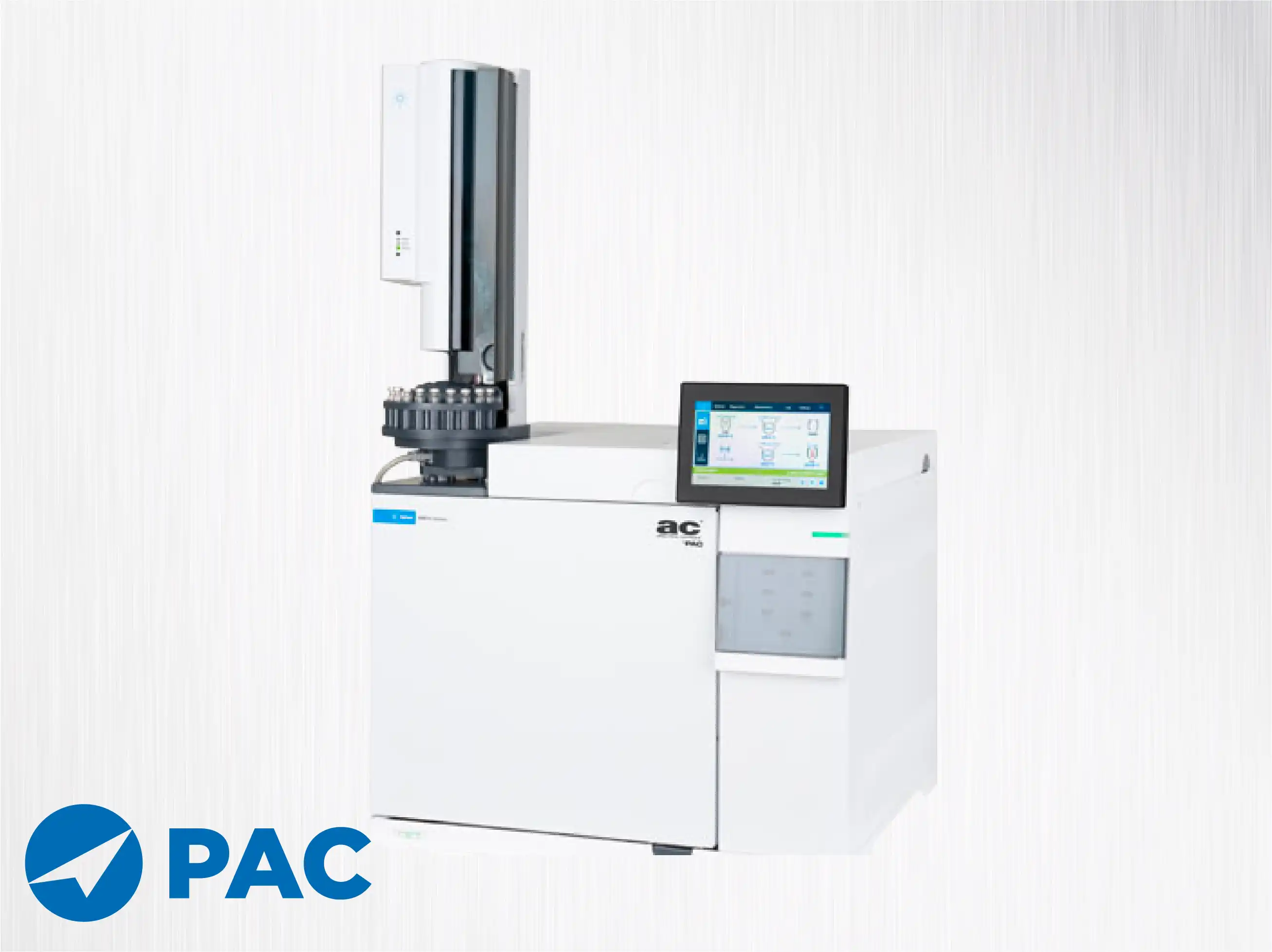
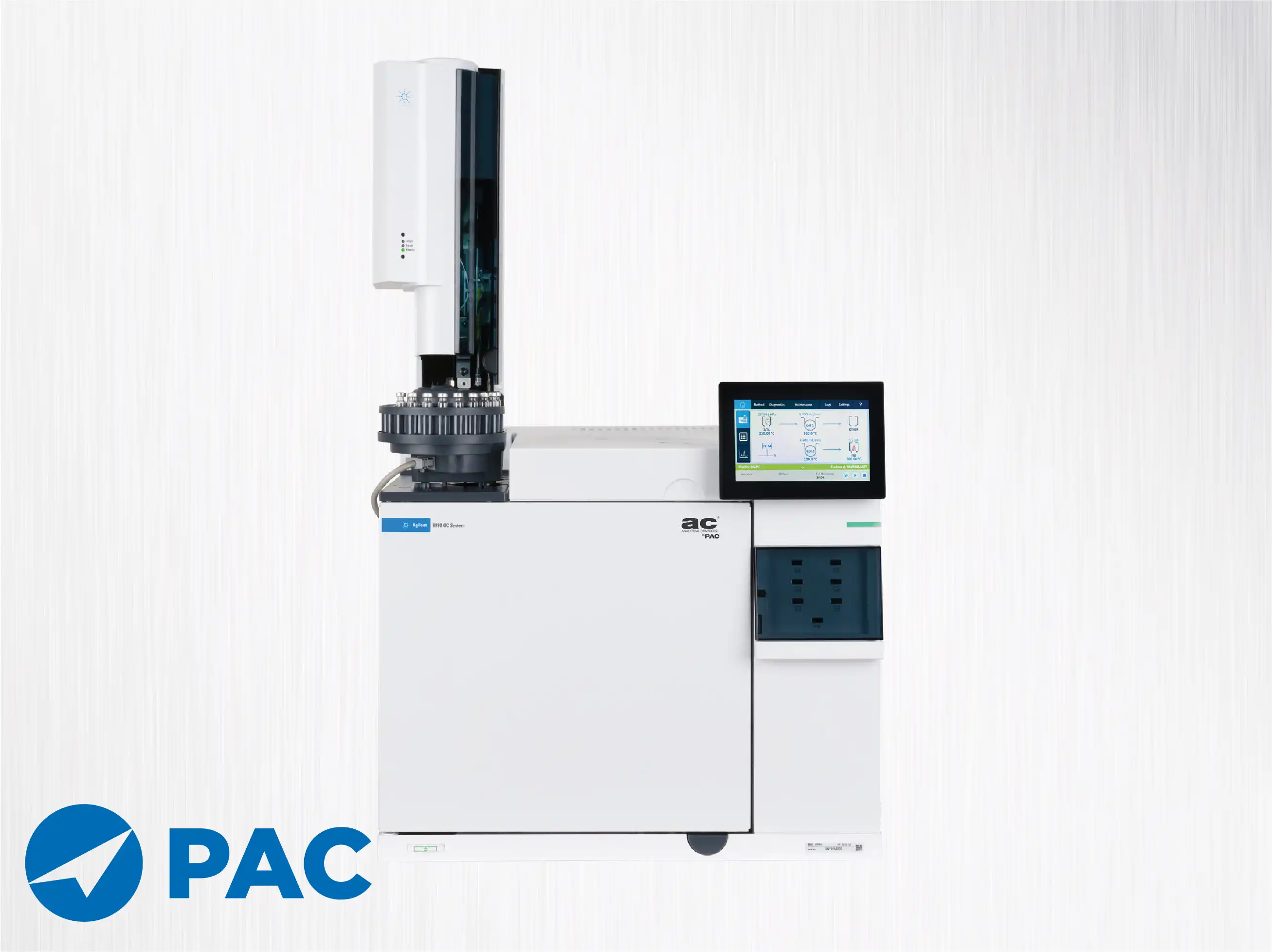

PAC Trace Analysis
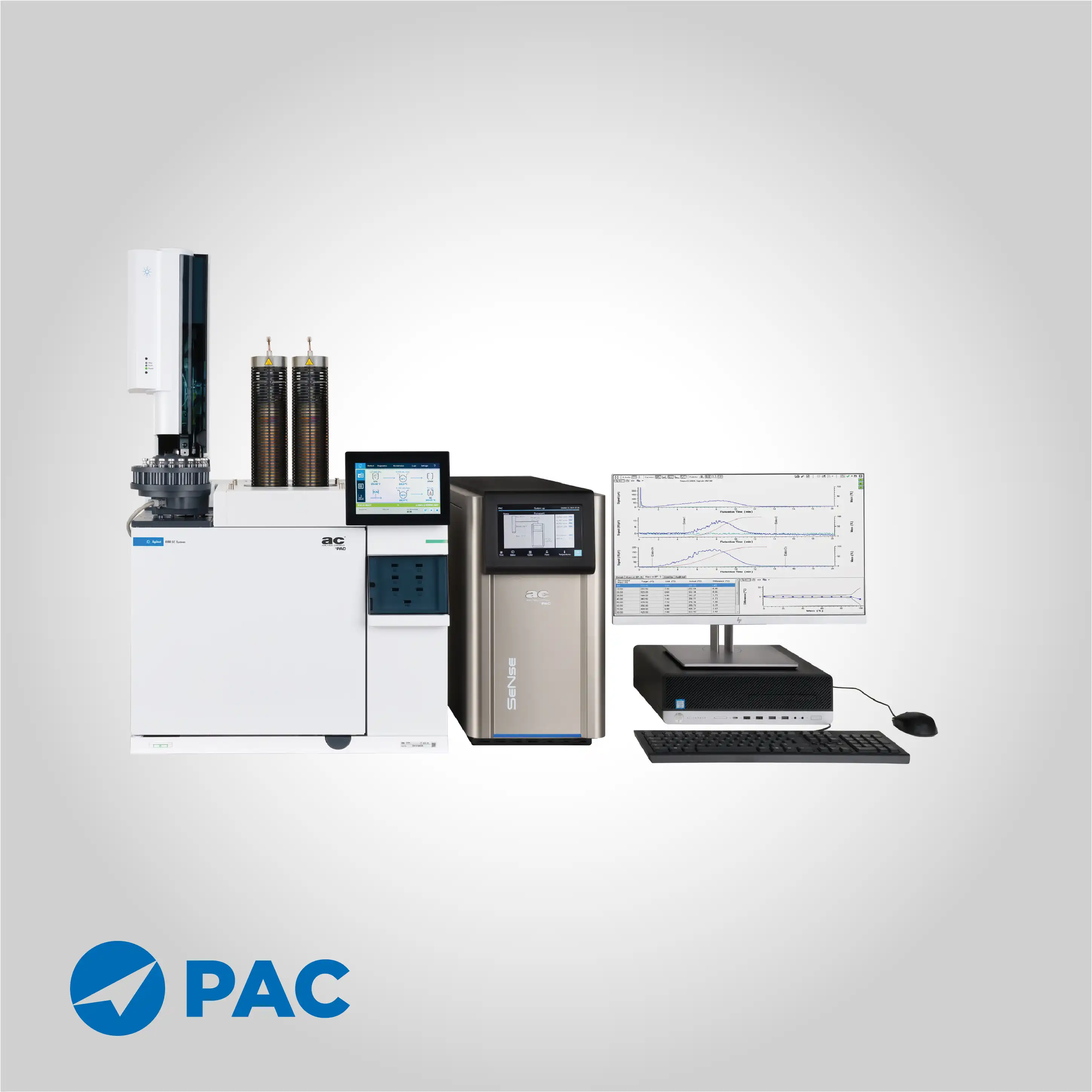
Trace Analysis with gas chromatography enables the detection of compounds at ultra-low concentrations, often in the parts-per-billion range. This high precision is critical for laboratories dealing with environmental monitoring, pharmaceutical research, food safety, and petrochemical applications.
The system’s advanced capillary column technology allows for unparalleled separation efficiency, even for compounds that co-elute in conventional methods. This capability is essential for resolving highly complex matrices where multiple trace components coexist, ensuring that no compound is overlooked.
The Critical Role of Trace Impurity Detection
Trace analysis in gas chromatography is a specialized technical field focused on identifying and quantifying impurities present at extremely low concentrations, often at parts-per-million (ppm) or parts-per-billion (ppb) levels. In the petrochemical industry, the presence of even trace amounts of sulfur, nitrogen, or oxygenates can poison expensive refinery catalysts and compromise the quality of final products. PAC’s trace analysis solutions are engineered to provide the high sensitivity and selectivity required to monitor these "contaminants" in various hydrocarbon matrices, from refinery gases to liquid fuels.
High-Sensitivity Sulfur Chemiluminescence Detection (SCD)
The Sulfur Chemiluminescence Detector (SCD) is a cornerstone technical component for trace sulfur analysis. The SCD operates by combusting sulfur compounds in a hydrogen-rich flame to form sulfur monoxide (SO), which then reacts with ozone to produce light. This light emission is proportional to the amount of sulfur present. This detector is technically superior because it is highly selective for sulfur and virtually "blind" to the hydrocarbon matrix, allowing for the detection of individual sulfur species like mercaptans and sulfides without interference from the main fuel components.
Precision Nitrogen Chemiluminescence Detection (NCD)
Similar to sulfur analysis, trace nitrogen detection is achieved through Nitrogen Chemiluminescence Detection (NCD). The NCD technically converts nitrogen compounds into nitric oxide (NO) via high-temperature combustion. The reaction of NO with ozone produces excited nitrogen dioxide (NO2), which emits infrared light as it decays. This method is essential for identifying trace nitrogen species that can inhibit catalytic activity in hydrotreating units. The NCD provides a linear response and high equimolarity, ensuring that different nitrogen molecules are detected with consistent sensitivity.
Advanced Sampling Systems for Volatile Impurities
To maintain the integrity of trace analysis, PAC utilizes advanced sampling systems designed to prevent the loss or contamination of volatile impurities. This involves the use of inert materials and specialized injection valves that ensure a representative sample is delivered to the GC column. Technically, preventing the "adsorption" of polar trace compounds onto internal surfaces is vital for achieving accurate ppb-level results. These systems are optimized for various sample states, including pressurized gases, liquefied petroleum gas (LPG), and light liquids.
Multi-Dimensional Chromatography for Complex Matrices
Trace analysis often requires the separation of small impurity peaks from massive hydrocarbon solvent peaks. To achieve this, PAC employs multi-dimensional chromatography (Heart-Cutting). Technically, this involves the use of multiple columns with different polarities and a switching valve. The main components are "cut" away, while the trace fractions of interest are transferred to a second, high-resolution column for final separation. This technique dramatically improves the signal-to-noise ratio and prevents the detector from being overwhelmed by the bulk sample.
Compliance with Stringent ASTM and EN Trace Methods
PAC’s trace analysis instruments are strictly aligned with international regulatory methods such as ASTM D5504, D5623, and D4629. These standards define the required detection limits and repeatability for trace sulfur and nitrogen in gaseous and liquid hydrocarbons. By adhering to these standardized protocols, PAC ensures that the analytical data is valid for environmental reporting and refinery process control. This compliance is essential for refineries that must meet the "Ultra-Low Sulfur" (ULS) mandates required for modern transportation fuels.
Automated Calibration and System Validation
Ensuring the accuracy of sub-ppm measurements requires rigorous calibration. PAC systems feature automated calibration routines using certified permeation tubes or pressurized gas standards. Technically, the system can perform regular "check-runs" to validate detector sensitivity and retention time stability. Automated validation is critical in trace analysis because detector response can drift over time; continuous monitoring ensures that the instrument remains within its validated performance envelope, providing high confidence in the detected impurity concentrations.
Digital Data Integration and Catalyst Life Management
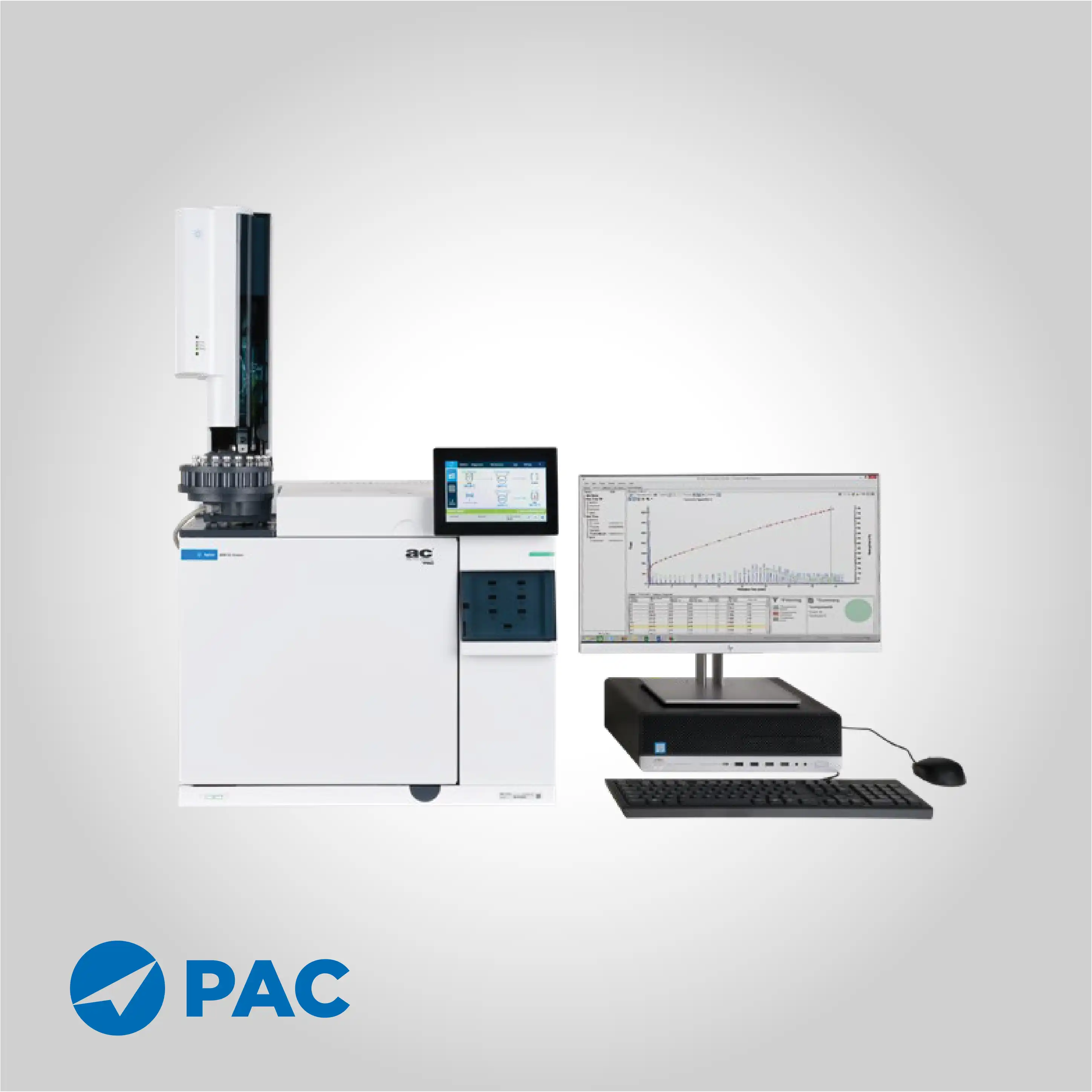
The data produced by trace analysis GC systems is integrated into sophisticated software that supports refinery-wide data management. By tracking the concentration of trace poisons over time, process engineers can predict the remaining life of refinery catalysts and optimize regeneration cycles. Technically, the software provides trend analysis and automated alarms if impurity levels exceed safety thresholds. This digital connectivity ensures that trace analysis is not just a laboratory exercise but a vital tool for maximizing refinery profitability and asset protection.
Read More About PAC Products Here
.webp)
.webp)



.webp)


.webp)
.webp)