




High-Accuracy Percent-Level Quantification of Major Components
|
Accurate Percent-Level Analysis by Gas Chromatography
Percent-Level Analysis
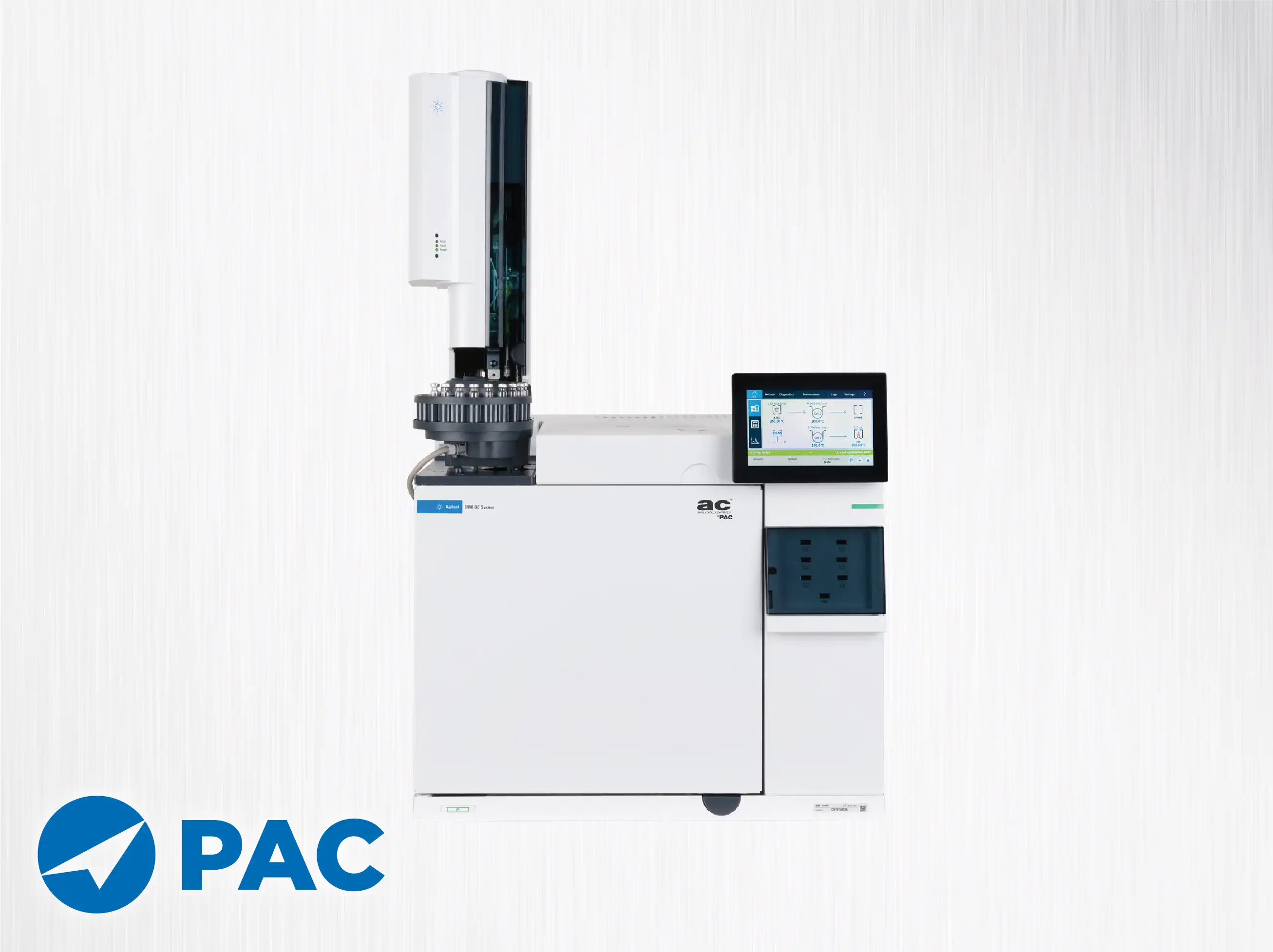
Percent-level analysis in gas chromatography is designed to quantify major components within complex mixtures with high precision and repeatability. This analytical approach focuses on compounds present in the percent concentration range rather than trace levels, allowing laboratories to perform accurate compositional profiling of fuels, gases, and chemical products.
The system ensures superior separation efficiency for hydrocarbon groups and individual components in the sample. It achieves excellent resolution and baseline stability, enabling analysts to distinguish and quantify compounds even when present in overlapping regions. This is essential for applications such as refinery product quality control, blending verification, and compliance testing.
High-Linearity Compositional Quantification
The technical primary objective of percent-level analysis is the precise quantification of major components within a hydrocarbon stream. These GC systems are engineered to maintain high linearity across a broad concentration range, ensuring that the detector response remains proportional to the analyte mass from 0.1\% to 100\%. This technical accuracy is essential for calculating mass balances in refinery processes and determining the precise purity of industrial gases.
Specialized Thermal Conductivity Detection (TCD)
For the analysis of permanent gases and non-hydrocarbon components like H2, He, and N2, the TCD is the technical standard. PAC’s TCD technology utilizes a micro-volume cell designed to minimize peak broadening and maximize sensitivity. Technically, the detector measures the change in thermal conductivity of the gas stream compared to a reference gas, providing a universal detection method that is stable, reliable, and non-destructive to the sample.
Heart-Cutting and Column Switching Configurations
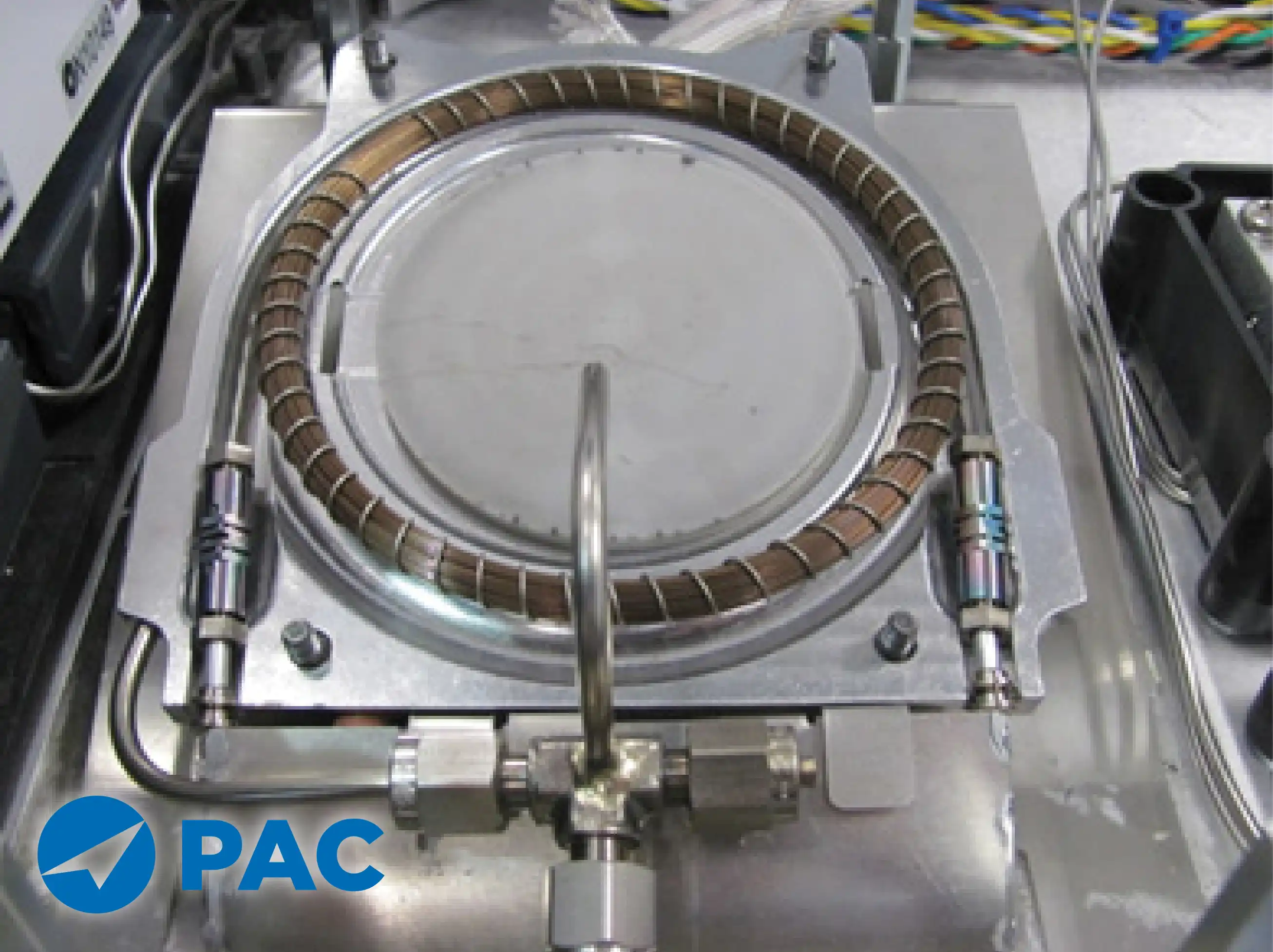
To resolve complex mixtures containing both light gases and heavy hydrocarbons, the system employs technical valve-switching configurations known as "heart-cutting." This allows specific fractions from one column to be diverted to a second column with a different stationary phase. This technical approach ensures that overlapping peaks are resolved and that the most volatile components are separated from the heavier matrix without extending the total analysis time.
Automated Backflush for Column Longevity
A critical technical feature for percent-level analysis is the automated backflush capability. After the light components of interest have migrated to the analytical column, the flow in the pre-column is reversed. Technically, this vents high-boiling point "heavies" out of the system, preventing them from contaminating the primary analytical column. This safeguard maintains stable retention times and protects the stationary phase from degradation, which is vital for continuous industrial operation.
Precise Liquid Injection for LPG Analysis
Analyzing Liquefied Petroleum Gas (LPG) requires the technical ability to inject samples under high pressure to maintain their liquid state. The systems utilize specialized liquid sampling valves (LSV) that deliver a precise, repeatable volume into the vaporization chamber. This technical control ensures that the vaporized sample accurately represents the bulk composition, allowing for the reliable determination of propane, butane, and pentane percentages.
Natural Gas BTU and Calorific Value Calculation
The software integrated with these GC systems is technically designed to perform automated energy calculations. By measuring the percent-level concentrations of hydrocarbons from C1 to C6+, the system calculates the British Thermal Units (BTU), specific gravity, and compressibility of natural gas. This technical data is crucial for custody transfer, ensuring that the economic value of the gas is accurately determined based on its energy content.
Rapid Cycle Times for Process Control
In a refinery or processing plant, technical efficiency is measured by the speed of data acquisition. These GC systems utilize optimized oven programming and high-performance columns to achieve fast cycle times. Technically, providing a full compositional breakdown in just a few minutes allows operators to make real-time adjustments to process parameters, ensuring that the final product remains within the required percentage specifications.
Chemically Deactivated Flow Paths
To ensure the integrity of the analysis, all internal components that come into contact with the sample are technically deactivated. This involves a specialized surface treatment that prevents the adsorption of reactive or polar species. Technically, an inert flow path is essential for percent-level analysis to prevent sample bias and ensure that the detected concentration reflects the true composition of the hydrocarbon stream, even for components present at lower percentages.
Read More About PAC Products Here
