




Viscosity & Density Measurements
|
For Liquids
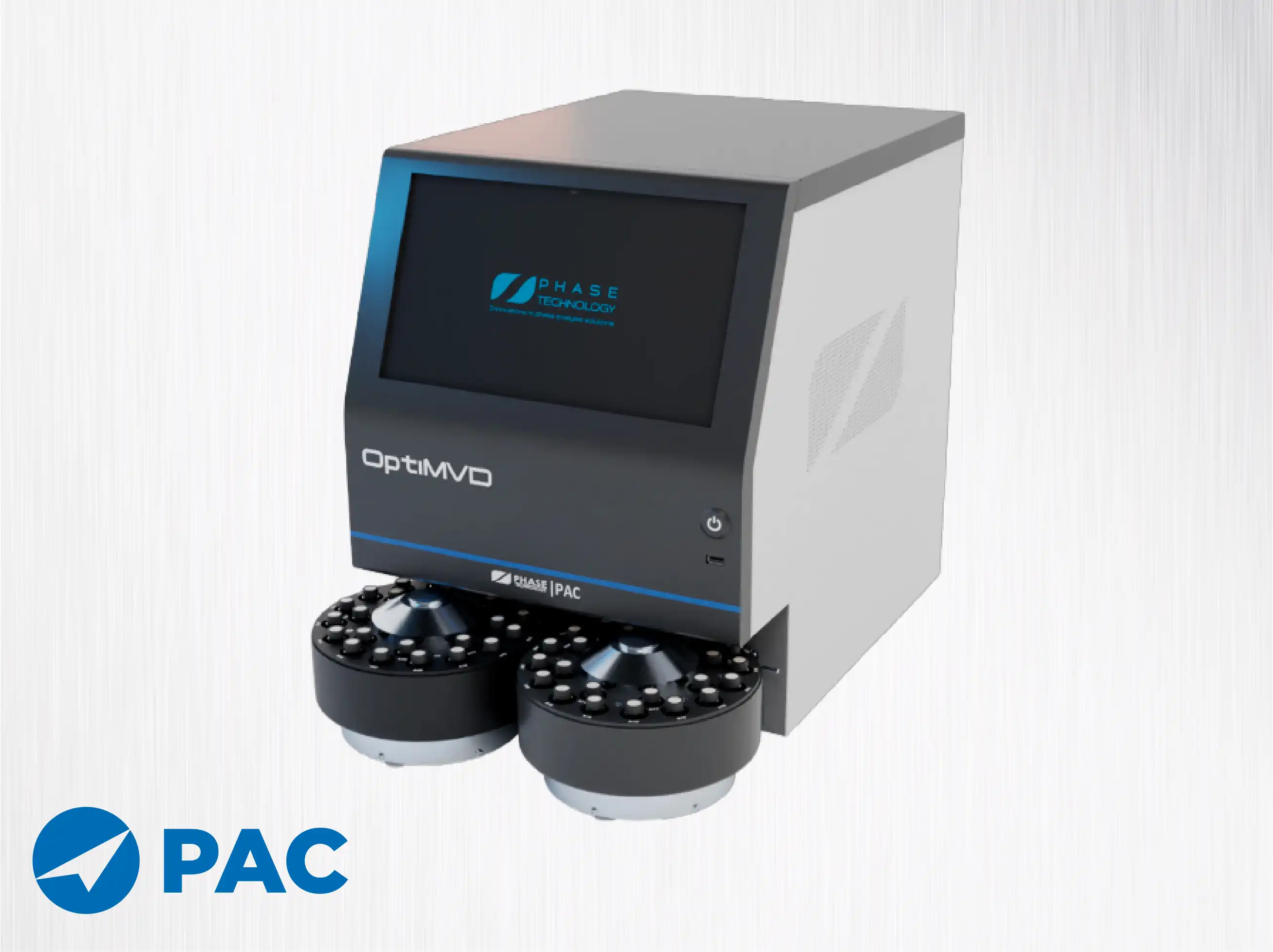
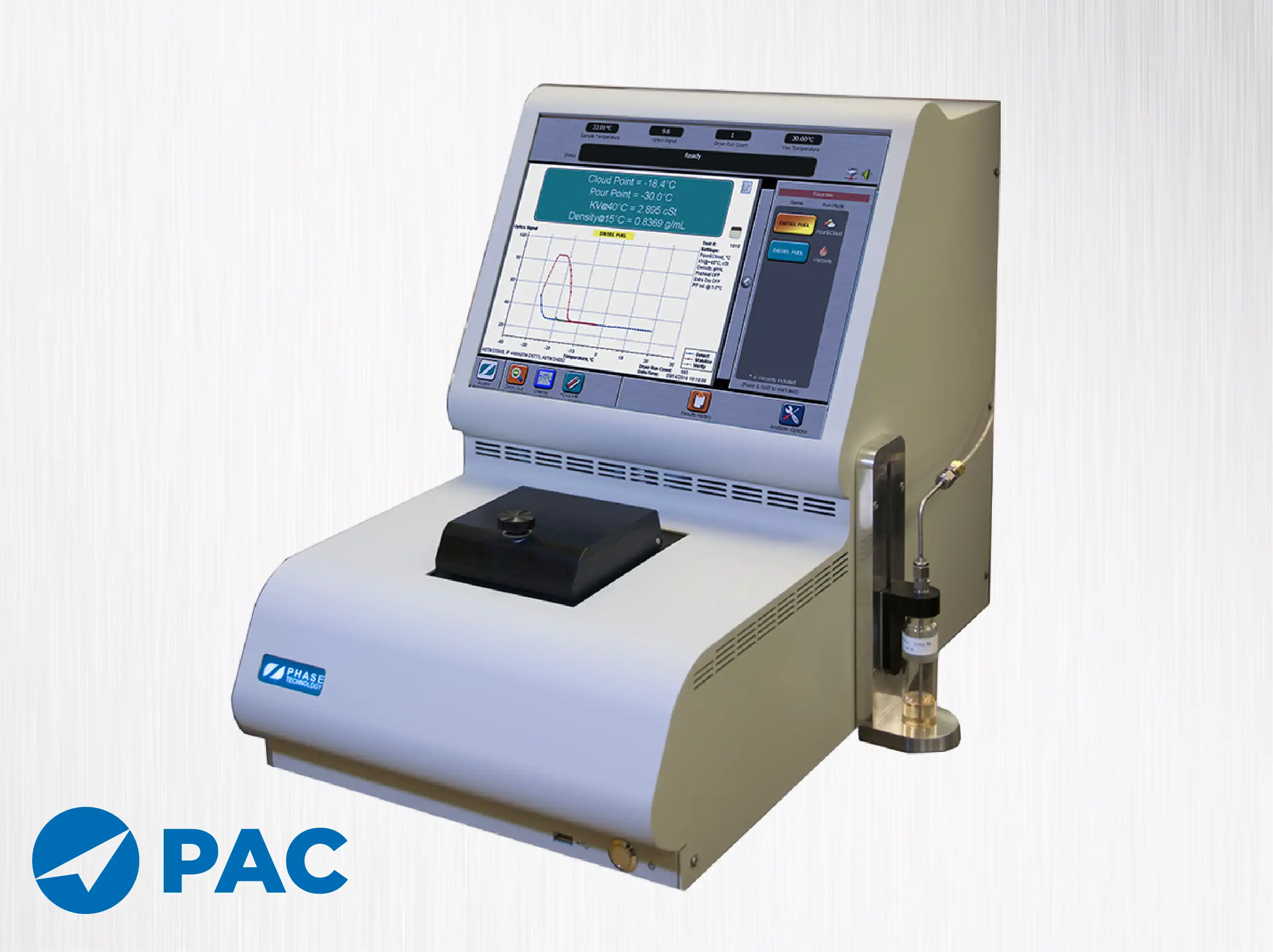
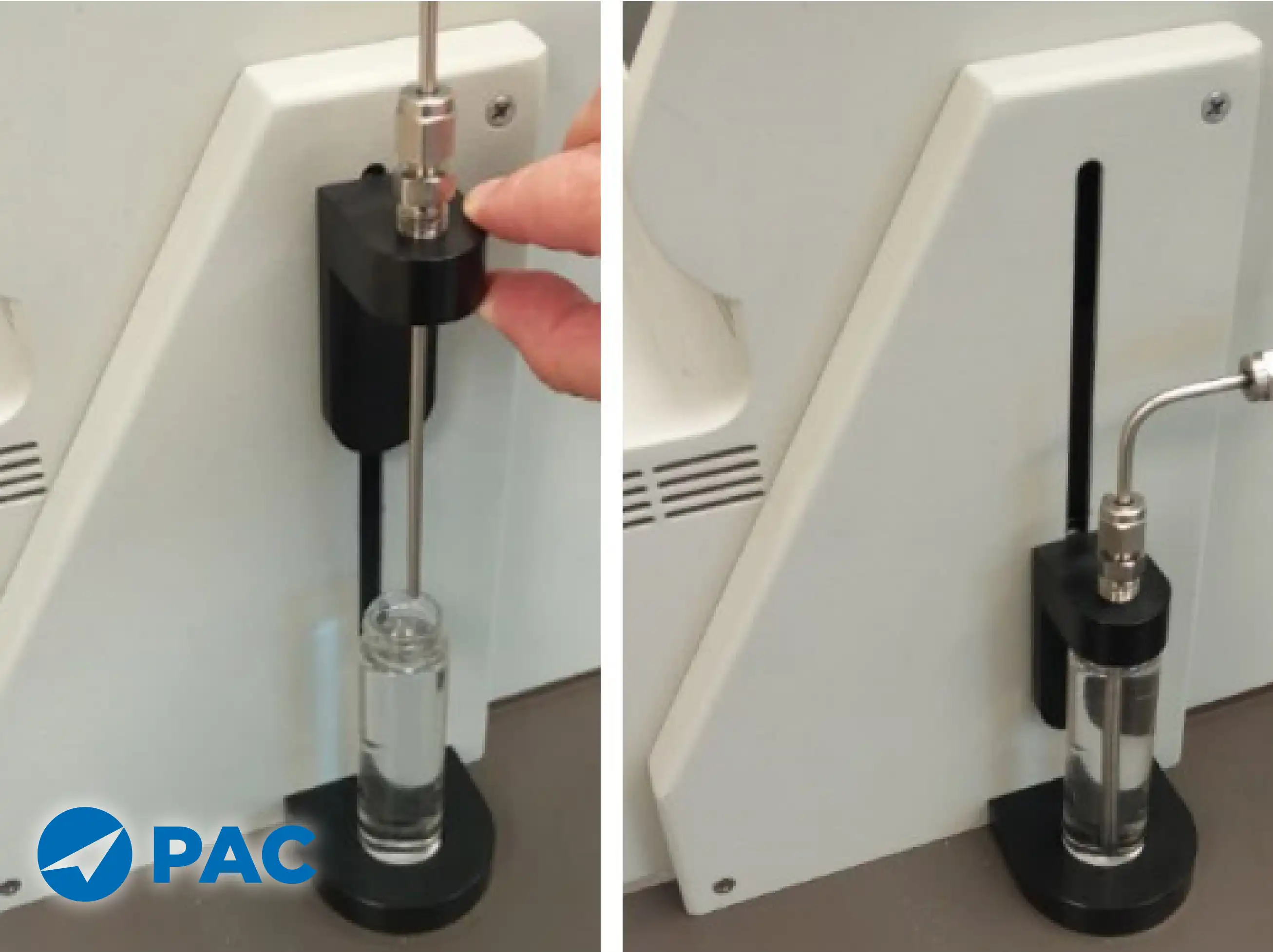
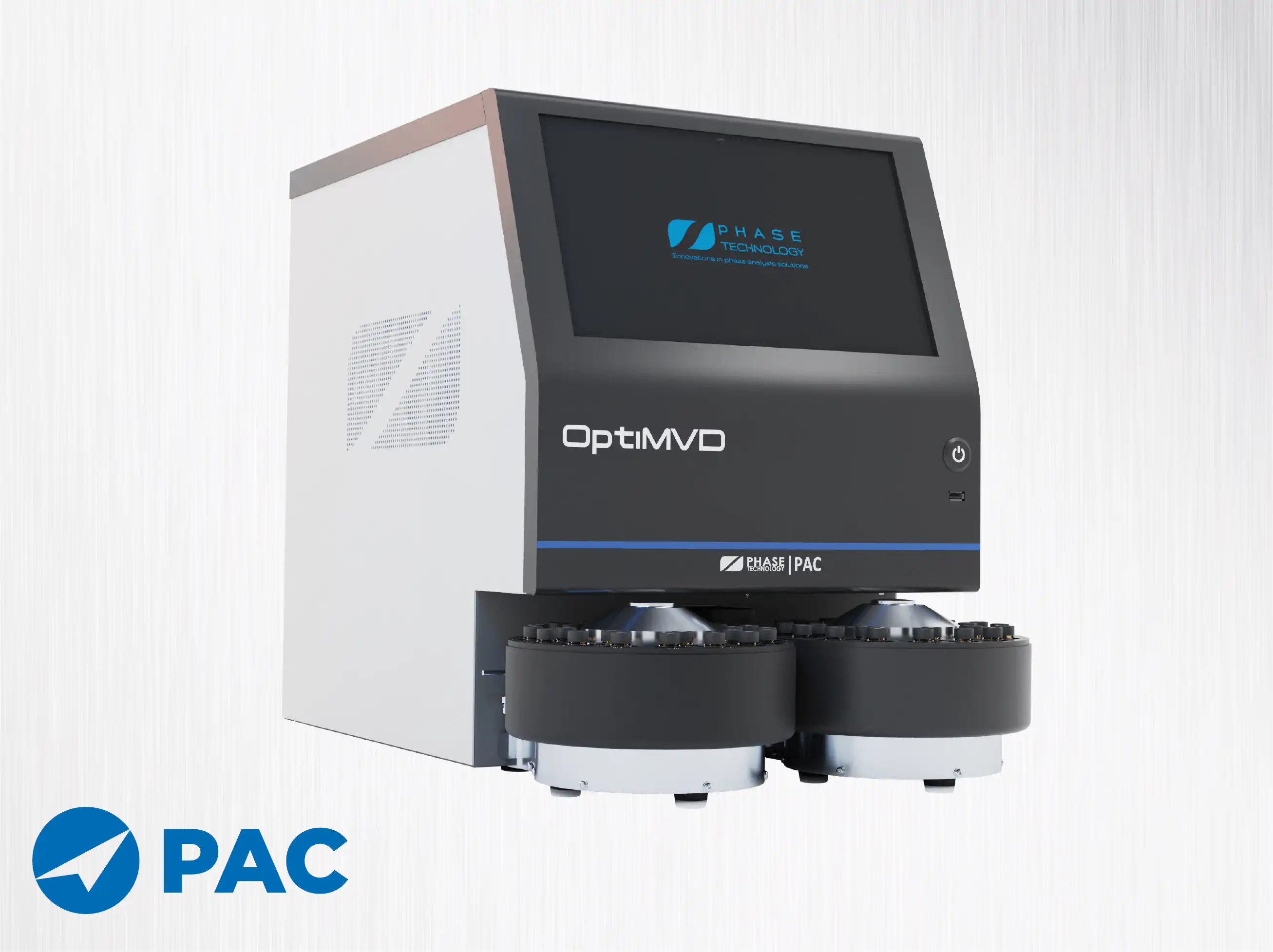
PAC Viscosity & Density
Accurate determination of viscosity and density is essential for understanding the flow behavior and compositional characteristics of liquids across fuels, lubricants, chemicals, and specialty fluids. Combined viscosity-density measurement systems provide laboratories with a single platform to assess both dynamic and physical properties simultaneously, reducing sample handling, improving reproducibility, and enhancing workflow efficiency.
The devices operate using advanced oscillating sensor technology, enabling simultaneous measurement of dynamic viscosity and density in real-time. Viscosity is assessed by monitoring the fluid’s resistance to shear under controlled oscillation, while density is determined by precise oscillation frequency changes of a vibrating U-tube immersed in the sample.
Fundamental Role of Viscosity in Petroleum Characterization
Viscosity is technically defined as the measure of a fluid's internal resistance to flow, and it is perhaps the most critical physical property for petroleum products. From light fuels to heavy lubricants and crude oils, viscosity dictates how a substance behaves during transport, filtration, and atomization in engines. PAC’s viscosity solutions are engineered to provide precise measurements of both dynamic and kinematic viscosity. By accurately characterizing these flow properties, refineries can ensure that their products meet the specific requirements of engine manufacturers and international grading systems like SAE or ISO.
Oscillating Piston Technology for Dynamic Viscosity
A core technical feature in PAC’s viscosity portfolio is the use of oscillating piston technology. In this method, a piston is electromagnetically driven back and forth within a thermally controlled measurement chamber. The time it takes for the piston to move a specific distance is directly proportional to the dynamic viscosity of the liquid sample. This technology is particularly robust because it requires a very small sample volume and is resistant to vibration and environmental interference. It allows for continuous monitoring of viscosity changes across a wide range of temperatures, providing a high-fidelity rheological profile.
Integrated Density Measurement via Oscillating U-Tube
To provide a complete fluid profile, many PAC instruments integrate density measurement alongside viscosity. This is technically achieved using the oscillating U-tube principle, where a hollow tube is filled with the sample and vibrated at its resonant frequency. Since the frequency of oscillation depends on the mass of the fluid within the tube, the system can calculate the density with extreme precision (up to 0.0001 g/cm3). Integrating density and viscosity into a single run allows for the automatic calculation of kinematic viscosity (v =eta/rho), streamlining the laboratory workflow and reducing the potential for error from separate measurements.
High-Temperature and High-Pressure (HTHP) Capabilities
In the technical evaluation of lubricants and reservoir fluids, it is essential to measure viscosity under extreme conditions. PAC offers specialized viscometers designed for High-Temperature and High-Pressure (HTHP) environments. These instruments can simulate the conditions found deep within oil reservoirs or inside high-performance engines, operating at pressures up to 20,000 psi and temperatures exceeding 190 C. This capability is vital for understanding the stability of additives and the lubricating film thickness of oils when subjected to the mechanical and thermal stresses of modern industrial applications.
Automation and Solvent-Efficient Cleaning
Technical efficiency in the laboratory is enhanced through PAC’s automated sample handling and cleaning systems. Automated viscometers eliminate the manual labor associated with traditional glass capillary tubes. The systems are designed to perform automated cleaning cycles using minimal solvent volumes, which reduces chemical waste and operational costs. Once a test is completed, the system automatically flushes the measurement cell and dries it with air, ensuring that there is no cross-contamination between samples. This automation allows for high-throughput testing with minimal operator intervention.
Compliance with International Analytical Standards
PAC’s viscosity and density instruments are strictly aligned with global regulatory standards, including ASTM D445, D7042, D4052, and ISO 12185. ASTM D445 is the traditional benchmark for kinematic viscosity, while D7042 covers the newer, faster methods using integrated density and dynamic viscosity sensors. By adhering to these protocols, PAC ensures that the data generated is globally recognized for trade and quality certification. The instruments include built-in calibration routines and support for certified reference materials (CRM), ensuring that the lab stays within the precision limits required by international bodies.
Precise Thermal Control and Stability
PAC viscometers utilize advanced Peltier cooling and heating or high-precision baths to maintain a stable thermal environment within +- 0.01 C. This technical precision is achieved through sophisticated PID control loops and high-resolution thermistors. By ensuring that the sample is measured at an exact, uniform temperature, PAC instruments provide the repeatability and reproducibility necessary for comparing batches of oil across different refinery sites or for long-term quality monitoring.
Digital Data Management and LIMS Integration
The technical data produced by PAC viscosity and density analyzers is managed through powerful software that supports full digital traceability. Every measurement is recorded with a complete timestamp, temperature log, and calibration status. The software allows for the automated transfer of results to Laboratory Information Management Systems (LIMS), eliminating manual data entry and potential transcription errors. This digital integration is essential for modern quality control environments, providing a permanent and searchable database that supports audit trails and complex statistical process control (SPC) analysis.
Read More About PAC Products Here
.webp)
.webp)





.webp)

.webp)