
Kjeldahl Systems
|
Highest throughput and maximized flexibility
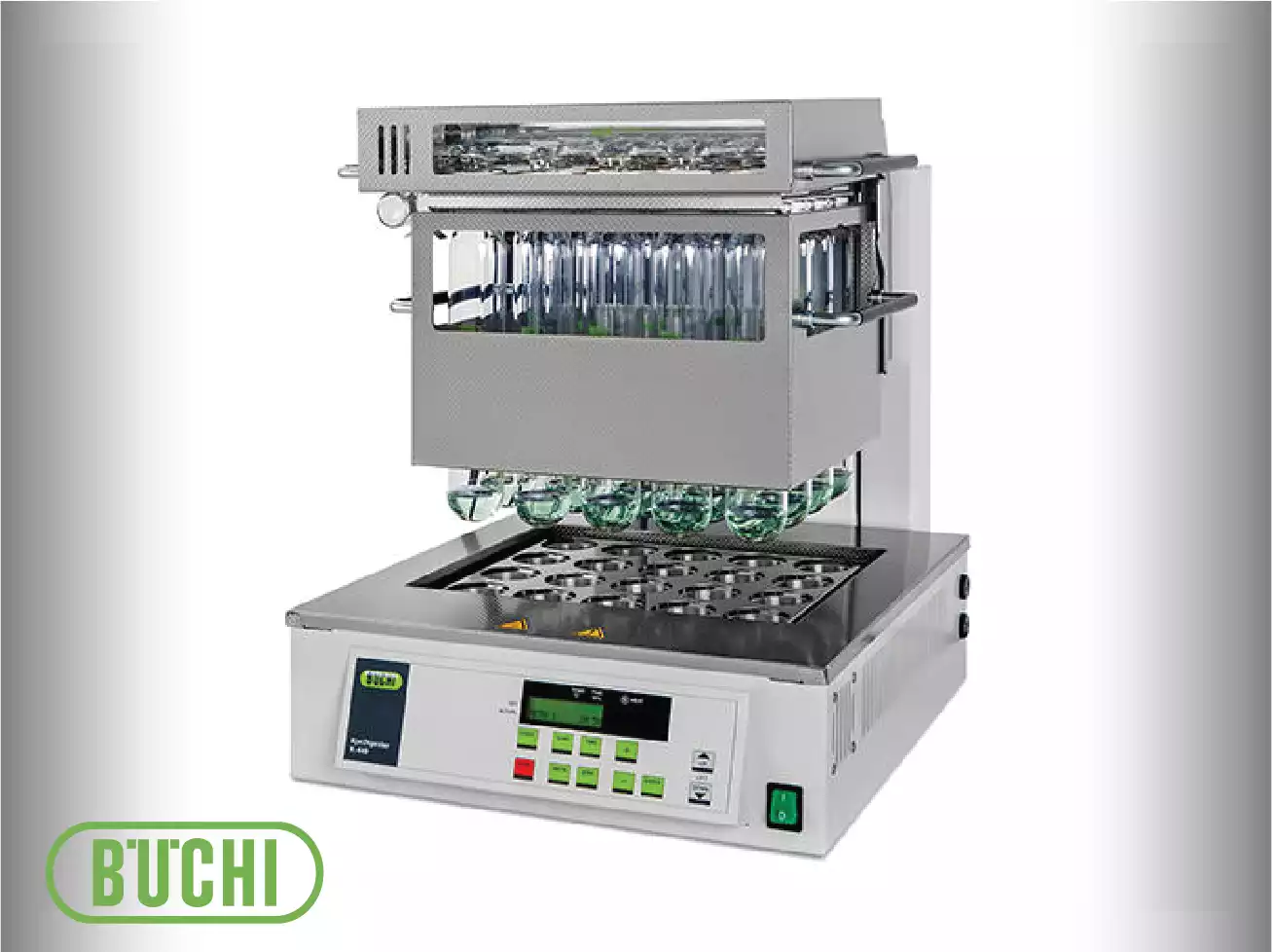
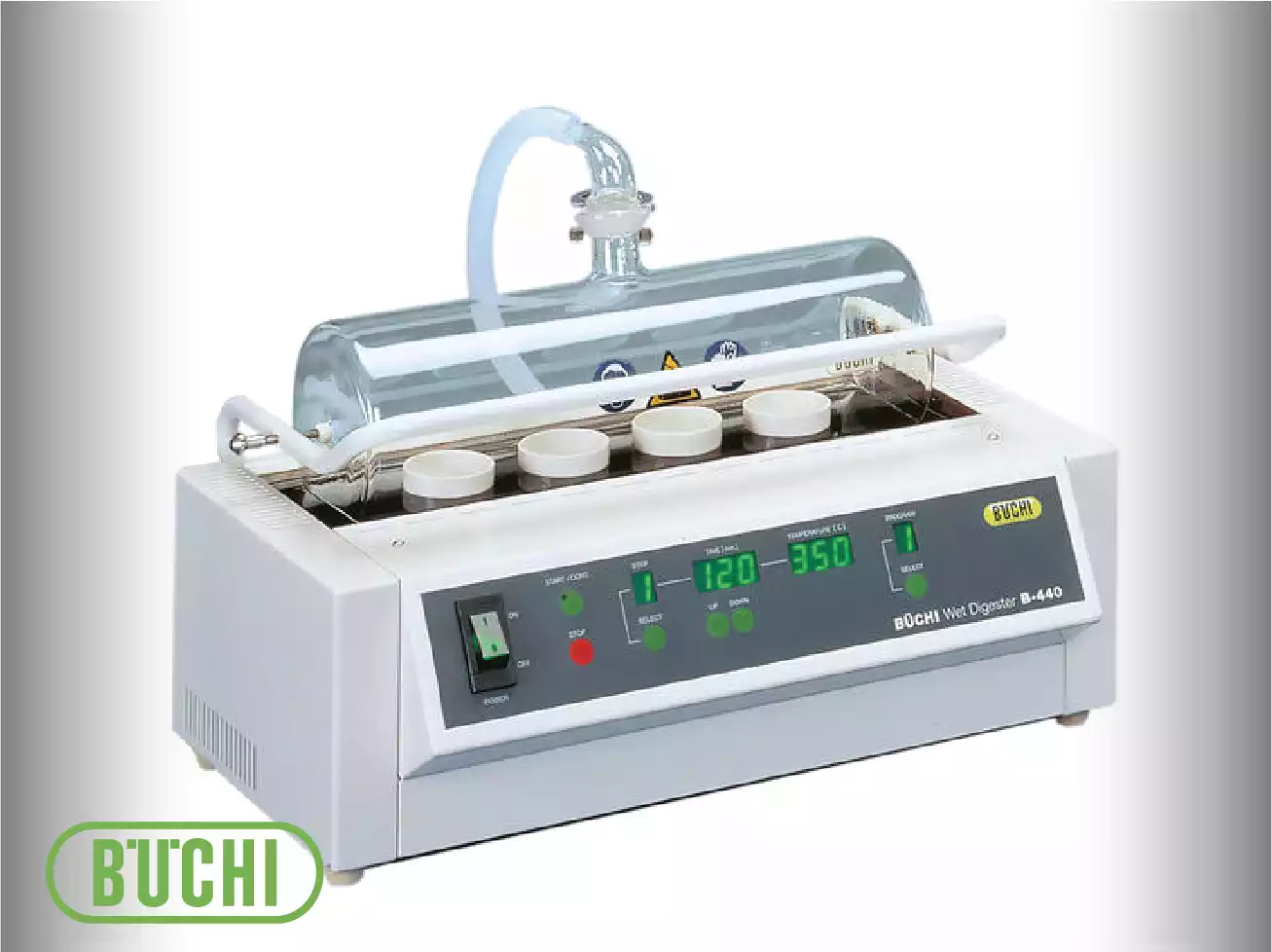
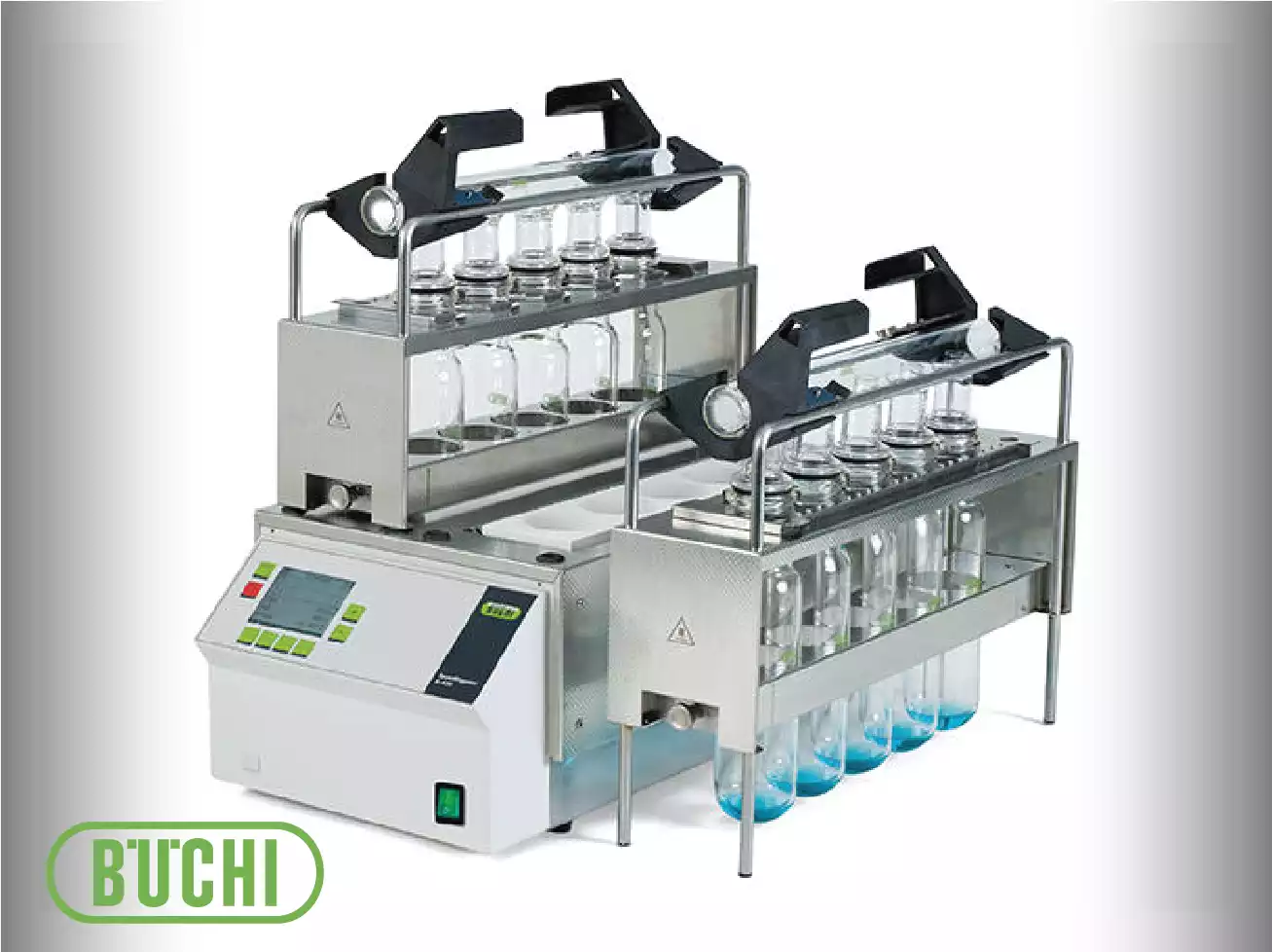
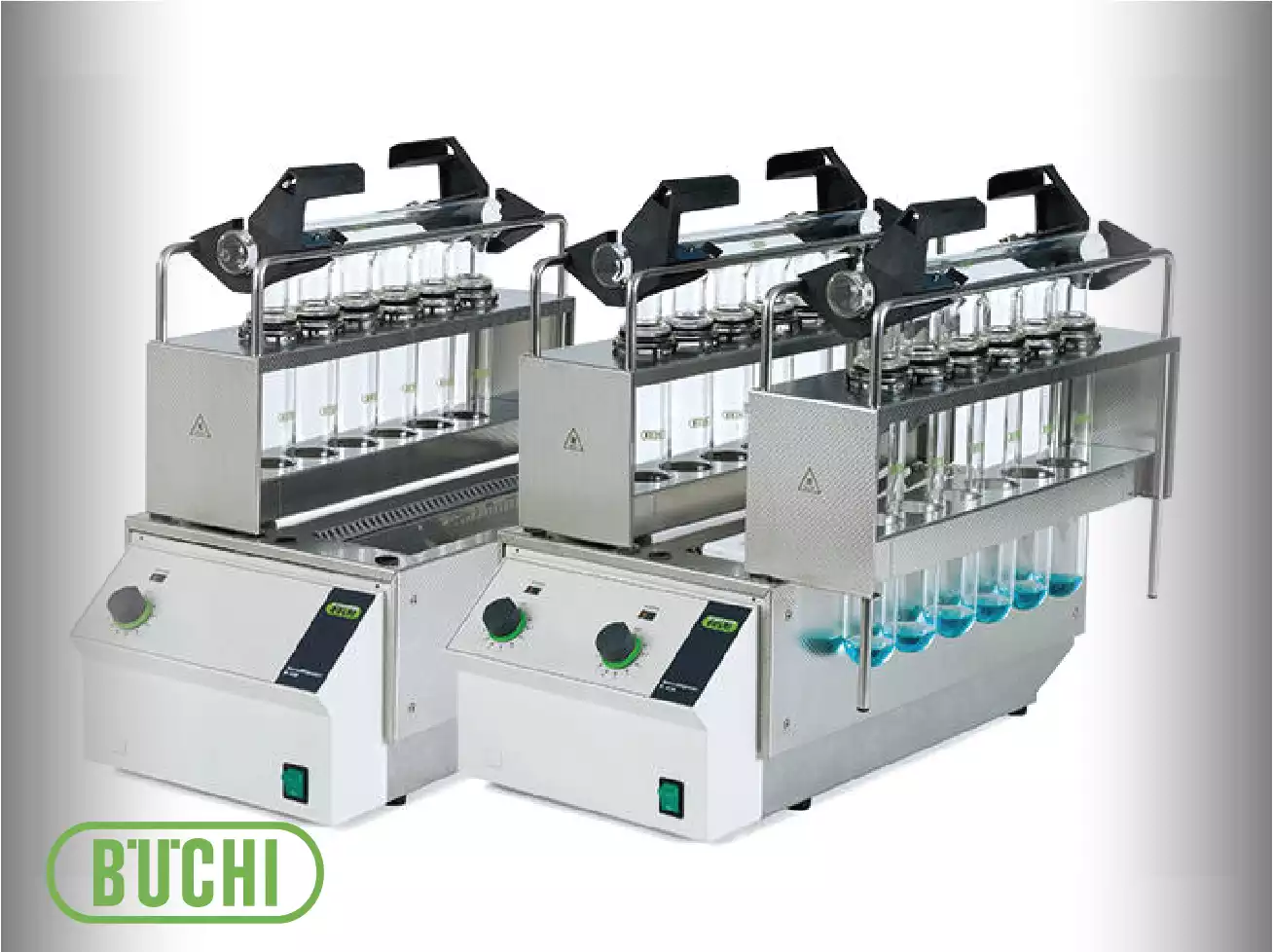
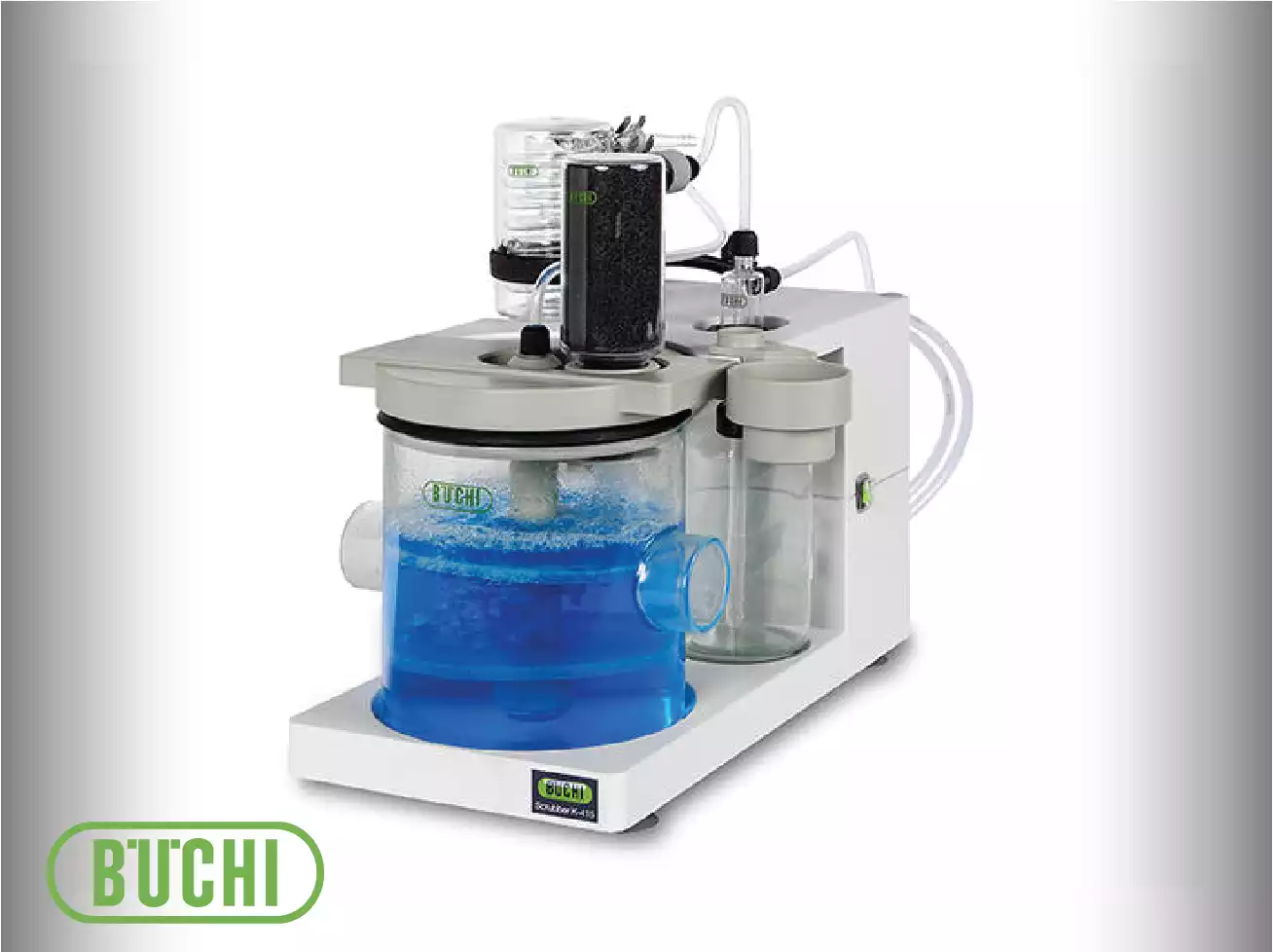
Buchi Kjeldahl Systems
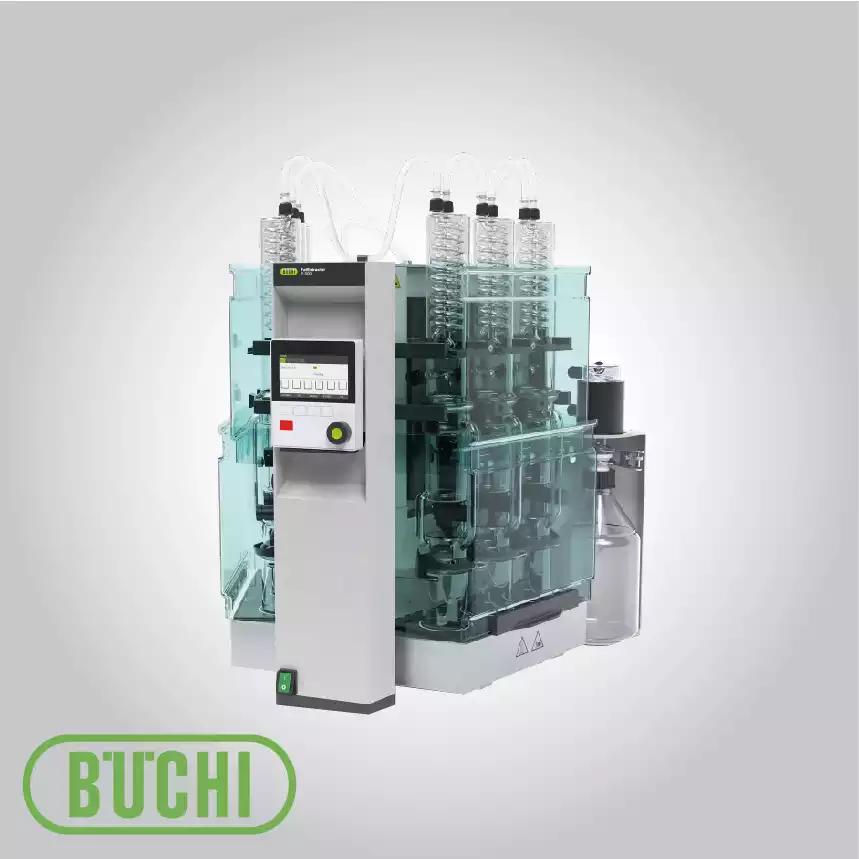
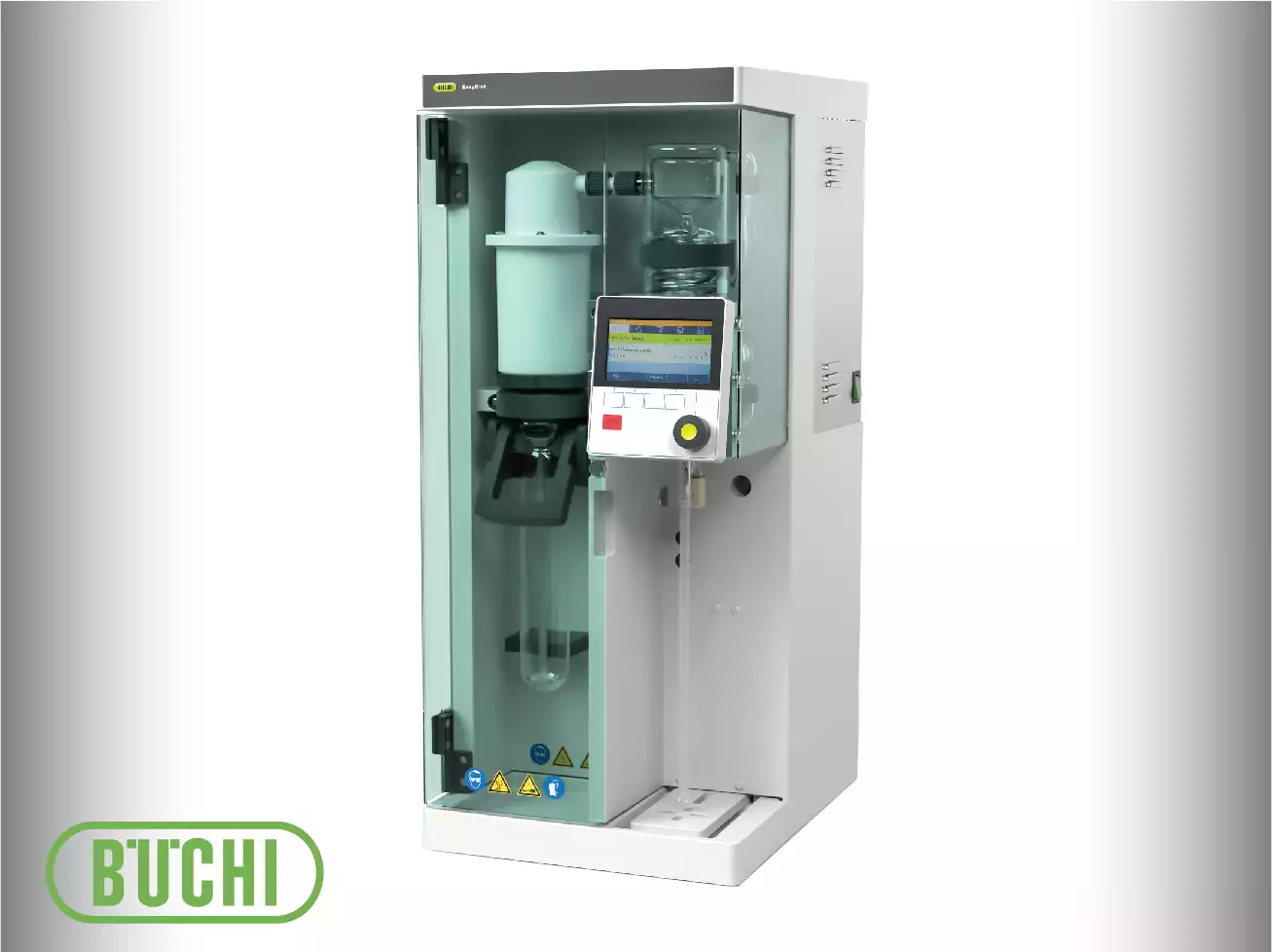
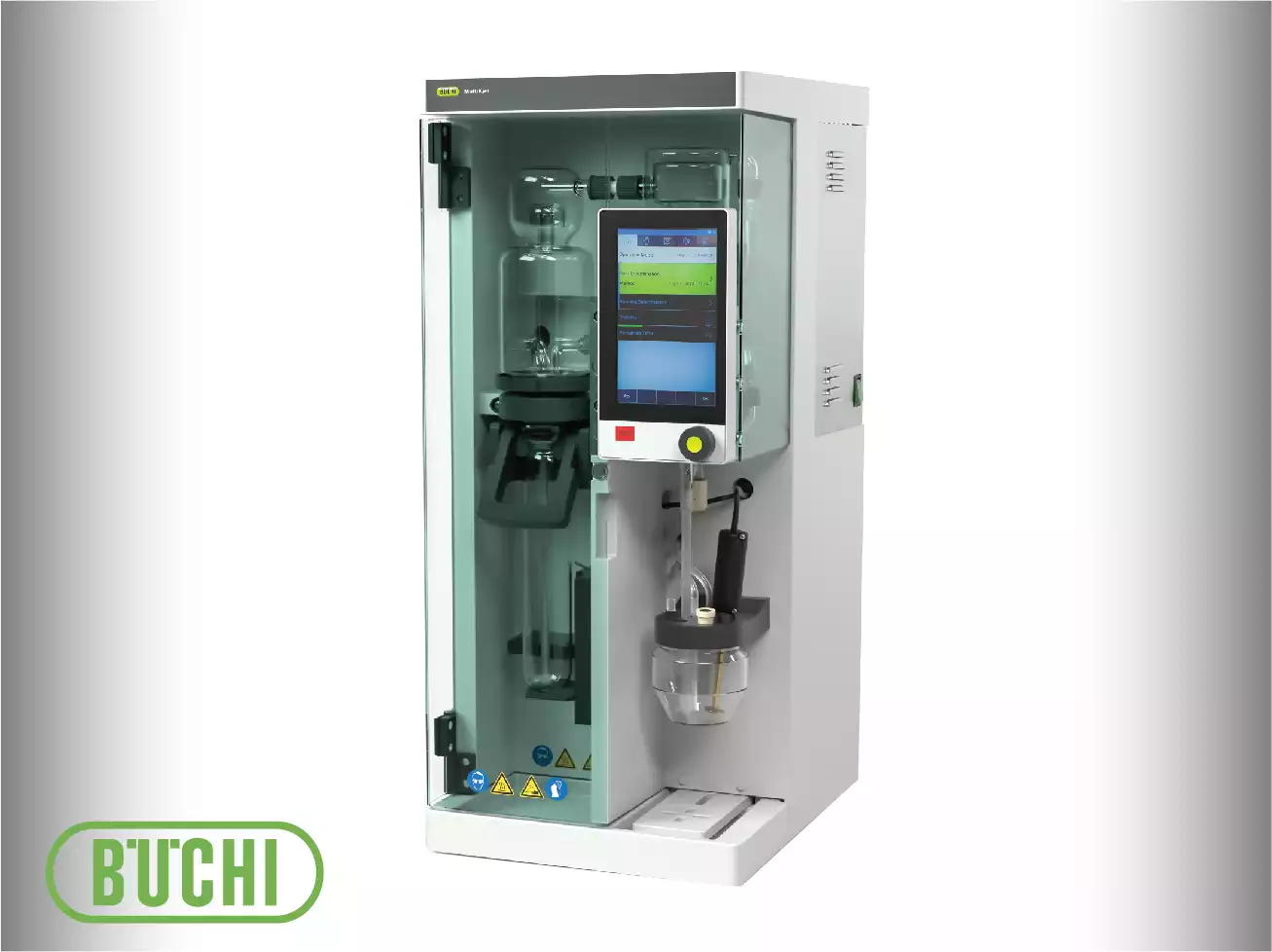
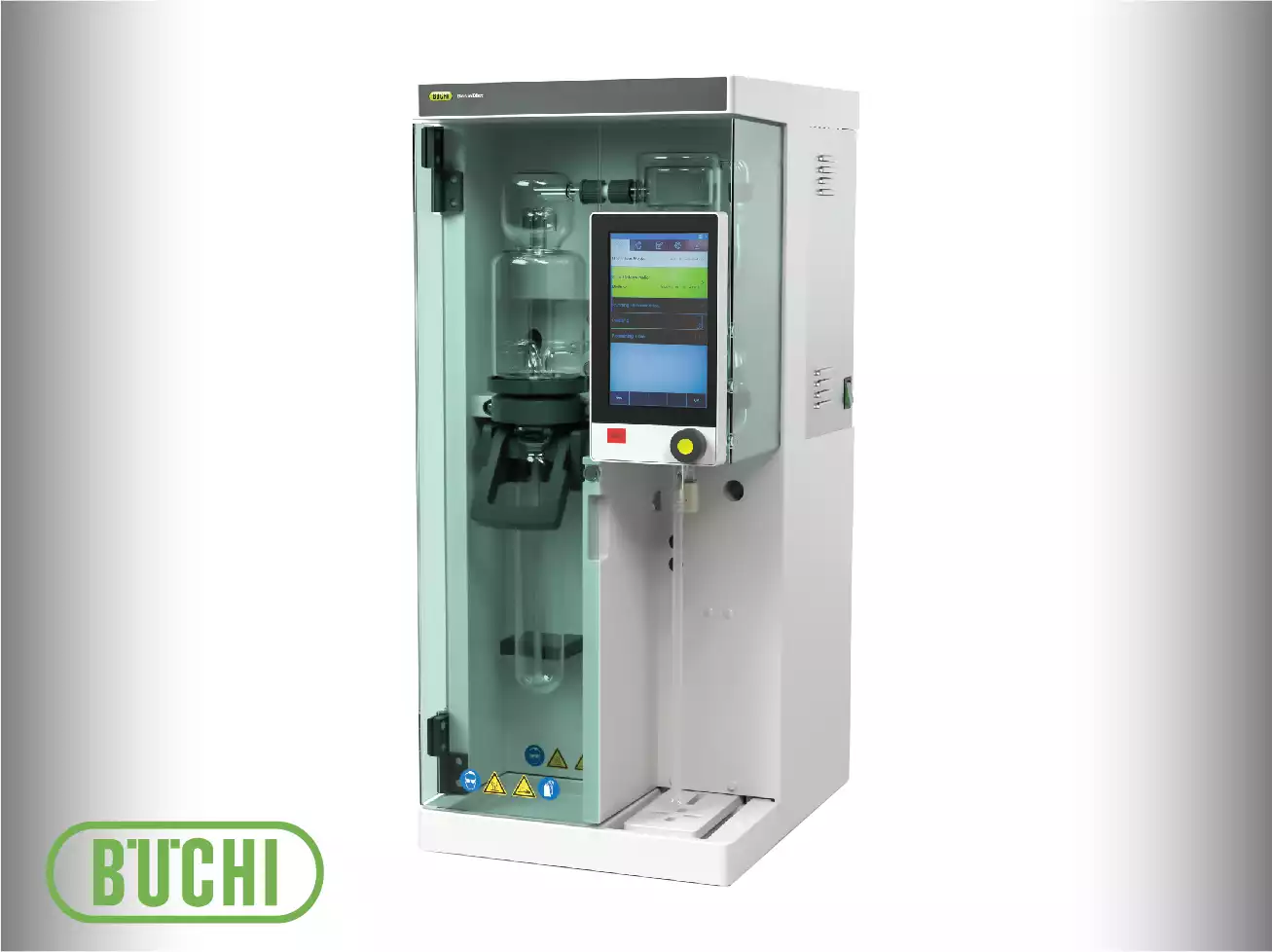
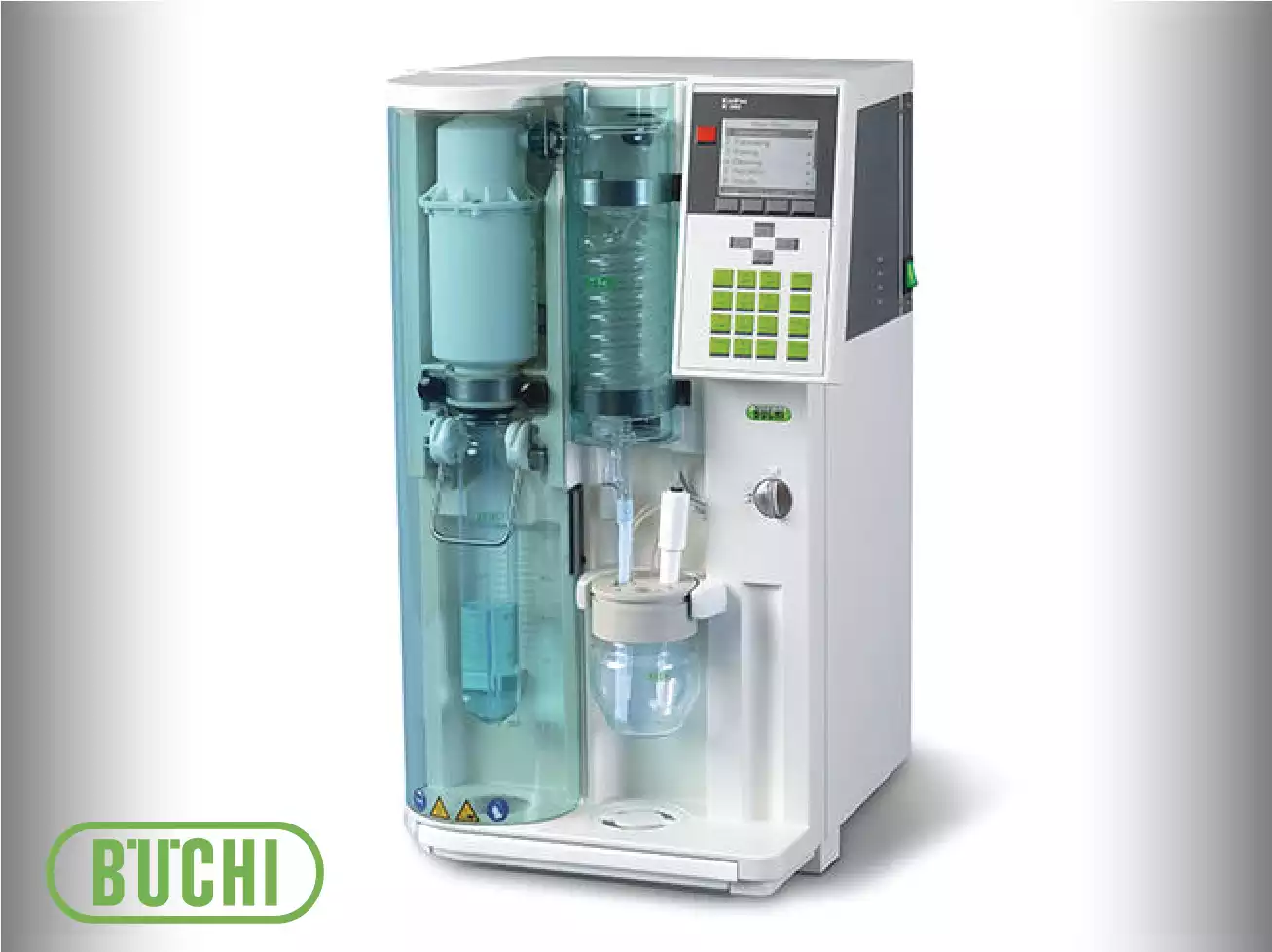
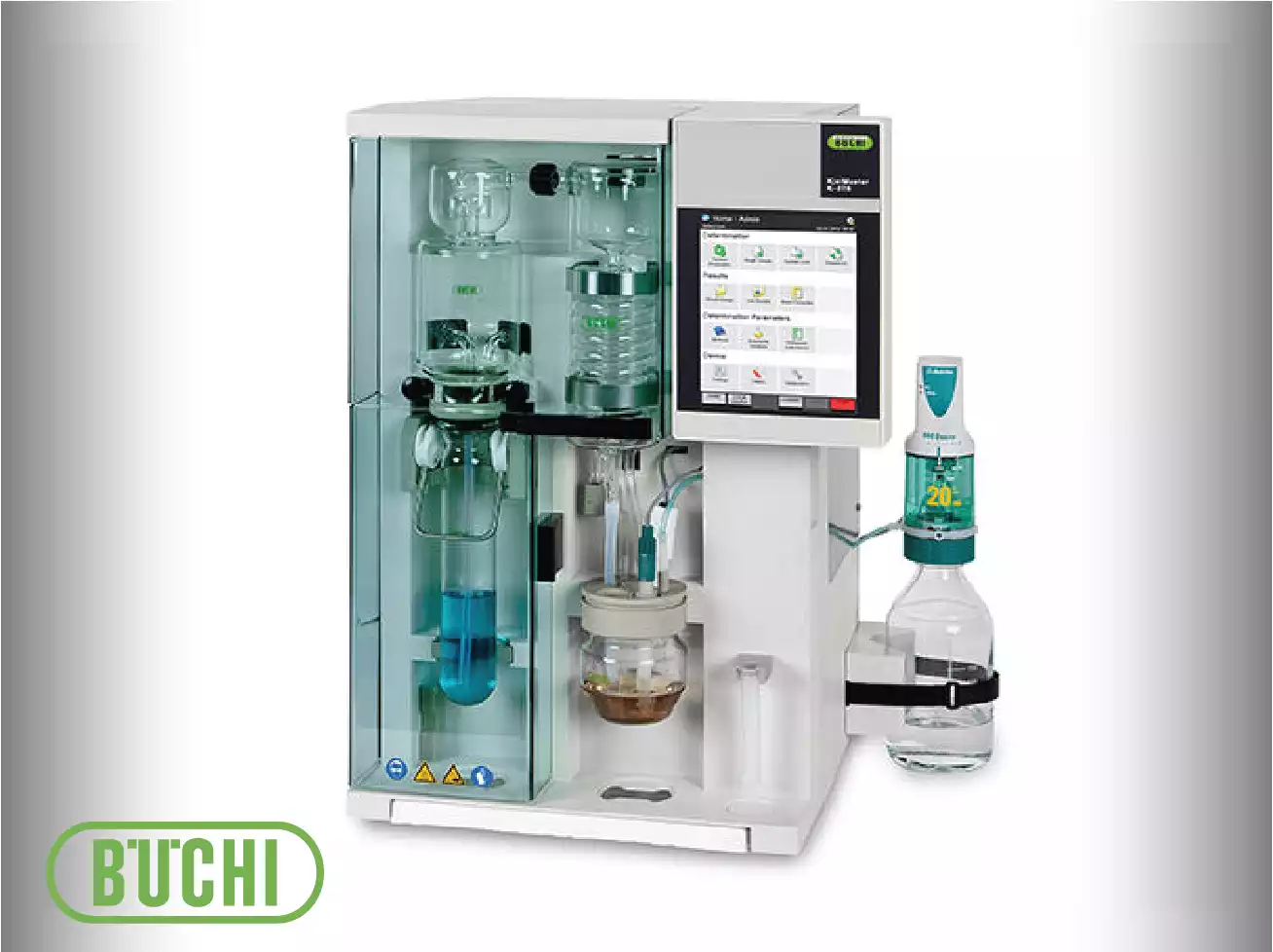
Buchi's Kjeldahl Systems constitute a comprehensive suite of instruments engineered for the accurate and reliable determination of nitrogen and protein content, primarily utilizing the established Kjeldahl method. The full analytical process is segmented into two main stages: high-speed acid digestion and steam distillation. The distillation units, on the other hand, are highly automated, featuring adjustable and programmable steam power (10–100%) and incorporating MaxAccuracy Mode to ensure precise and highly reproducible results, streamlining the second critical phase of the analysis.
The systems are defined by their focus on automation and high throughput, which significantly reduces manual user interaction and analysis time. The integrated workflow allows for the direct transfer of the sample tube rack from the digester to the autosampler of the distillation unit, supporting up to 48 sample positions for continuous, unattended operation. Furthermore, the steam distillation units are versatile, capable of analyzing a broad range of parameters beyond just Total Kjeldahl Nitrogen (TKN), including Total Volatile Basic Nitrogen (TVBN), essential oils, cyanide, and volatile acids. This modularity and high degree of automation ensure maximal performance, resource efficiency, and high operational safety, aligning with stringent laboratory requirements.
High-Speed, High-Throughput Digestion
The digester instruments are engineered for high-speed and high-throughput sample preparation, handling up to 20 samples simultaneously in a single run. These block digesters are designed to minimize manual interaction. The fully automated version includes a convenient automatic lift for raising and lowering the sample tube rack, which further enhances process convenience and safety. The ability to save and execute all digestion methods through a programming mode ensures method compliance and reproducibility across different analytical batches, optimizing the first critical step of the Kjeldahl process.
Homogeneous Heating and Sample Integrity
Achieving homogeneous heating is a key technical focus in the design of the digester units. The optimized design of the heating chambers ensures that all samples within the block are heated uniformly, preventing inconsistencies in the chemical reaction. This is particularly vital for critical samples prone to foaming, where non-uniform heating could lead to sample loss or inaccurate results. Furthermore, one system allows for the individual control of two separate heating chambers, providing flexibility to run different digestion protocols concurrently and safely reaching temperatures up to $580^\circ\text{C}$.
Automated Steam Distillation with KjelMaster
The automatic distillation unit is central to the second stage of the Kjeldahl analysis. The system is designed for convenient nitrogen and protein analysis with significantly reduced need for user interaction. Its sophisticated intelligent software manages the process automatically, saving both time and costs. Automation and sample throughput are substantially increased when the distillation unit is paired with an autosampler accessory, which can accommodate either 24 or 48 sample positions for high-volume, unattended operation.
Precision Control via MaxAccuracy Mode
The distillation units feature a proprietary MaxAccuracy Mode which is crucial for achieving the highest level of analytical precision. This mode ensures the integrity of the distillation process by providing precise control over the steam delivery and reaction conditions. Furthermore, the steam power is adjustable and programmable from 10% to 100%, including the ability to set programmable steam ramps. This fine control is essential for managing the release of ammonia and preventing carryover or incomplete distillation, which directly impacts the accuracy and reliability of the final TKN result.
Versatility Beyond Total Kjeldahl Nitrogen (TKN)
While primarily known for Total Kjeldahl Nitrogen (TKN) determination, the distillation units, particularly the Dist Line, are extremely versatile and designed for a broad range of other analytes. This versatility includes the analysis of Total Volatile Basic Nitrogen (TVBN), nitrate, and nitrite, which are key nitrogen-related parameters. Additionally, they can be configured for the distillation of non-nitrogenous parameters such as alcohol, essential oils, sulfite, cyanide, phenol, formaldehyde, volatile acids, and VDKs, offering maximal operational flexibility.
Seamless Integration for High Throughput
A core feature of the complete Kjeldahl solution is the seamless integration between the digestion and distillation stages, specifically designed for fully automated, high-throughput processing. The design ensures that the sample tube rack from the digester can be placed directly into the autosampler of the distillation unit without manual sample transfer. This integration minimizes handling time, reduces the risk of cross-contamination, and allows for the establishment of a continuous, high-volume workflow for nitrogen and protein determination.
Operational Safety and Resource Sustainability
Operational safety is a paramount design consideration. The distillation units ensure maximal safety during operation through robust construction and intelligent software that reduces user interaction with hot reagents and steam. Additionally, the latest steam distillation units are engineered to ensure the sustainable use of resources, implying optimized consumption of water and energy, while maintaining extremely high analytical accuracy. Safety features are integrated to provide a secure and efficient laboratory environment.
Auxiliary Cooling for System Performance
The reliable performance of the Kjeldahl systems is supported by dedicated Recirculating Chillers. These chillers are specifically designed to work in conjunction with the distillation and digestion units, providing the necessary cooling capacity to maintain stable process temperatures. They offer a cooling range from $-10^\circ\text{C}$ to $+25^\circ\text{C}$ and feature convenient controls like central temperature setting, energy-saving ECO-mode, and automatic start/stop functionality when used as a fully integrated system.
Read More About Buchi Products Here.