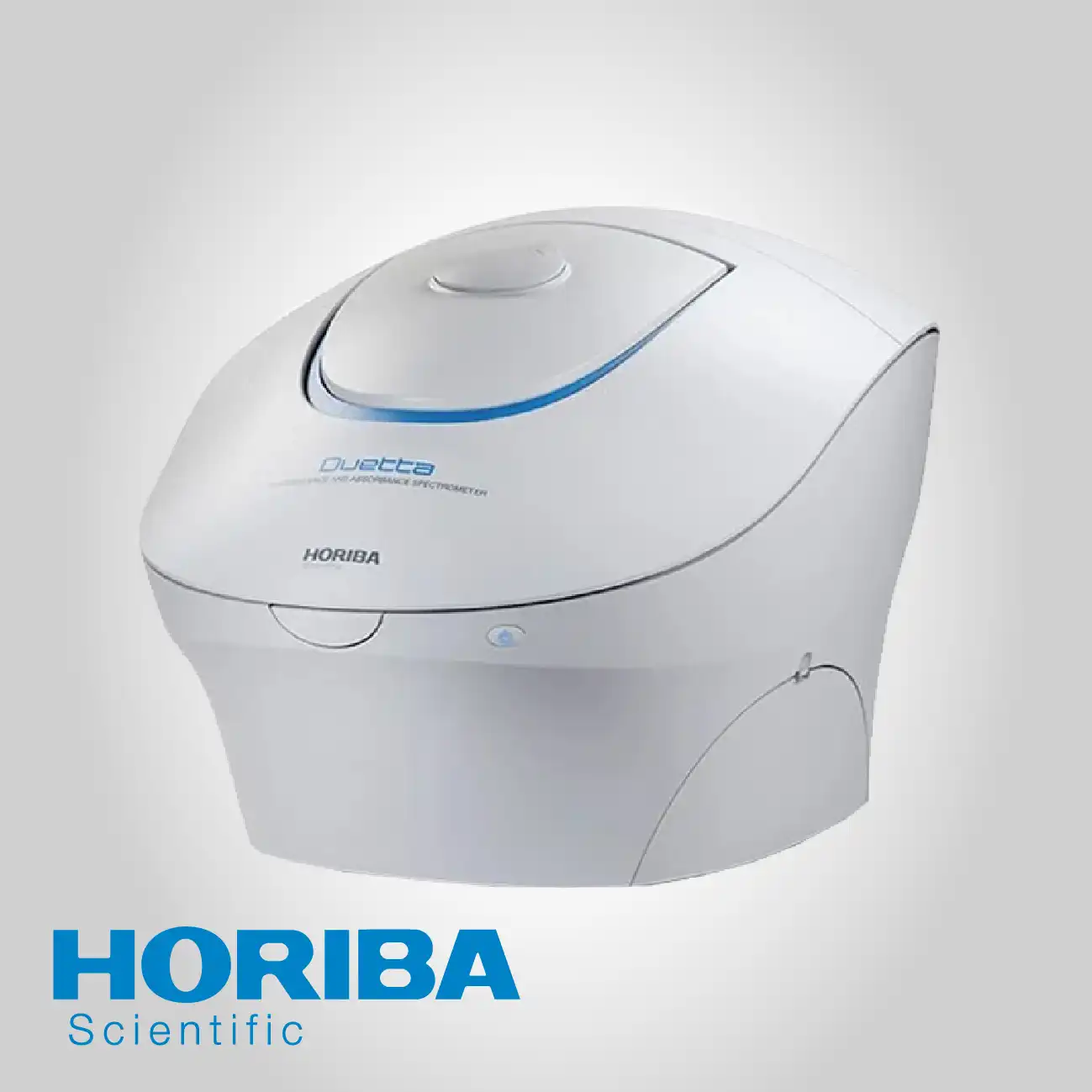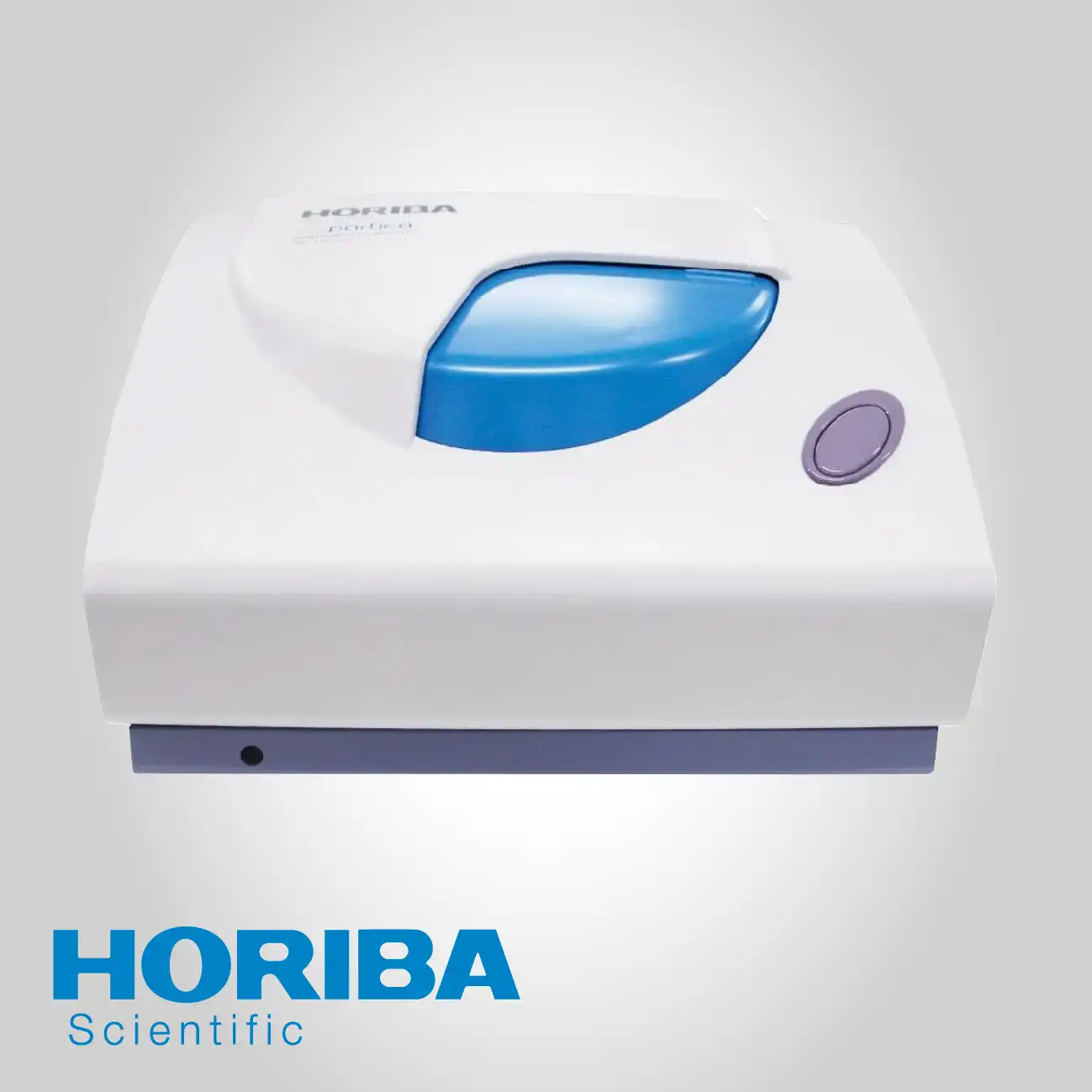

Elemental Spectroscopy and Gas Fusion Analysis
|
Advanced Materials Characterization
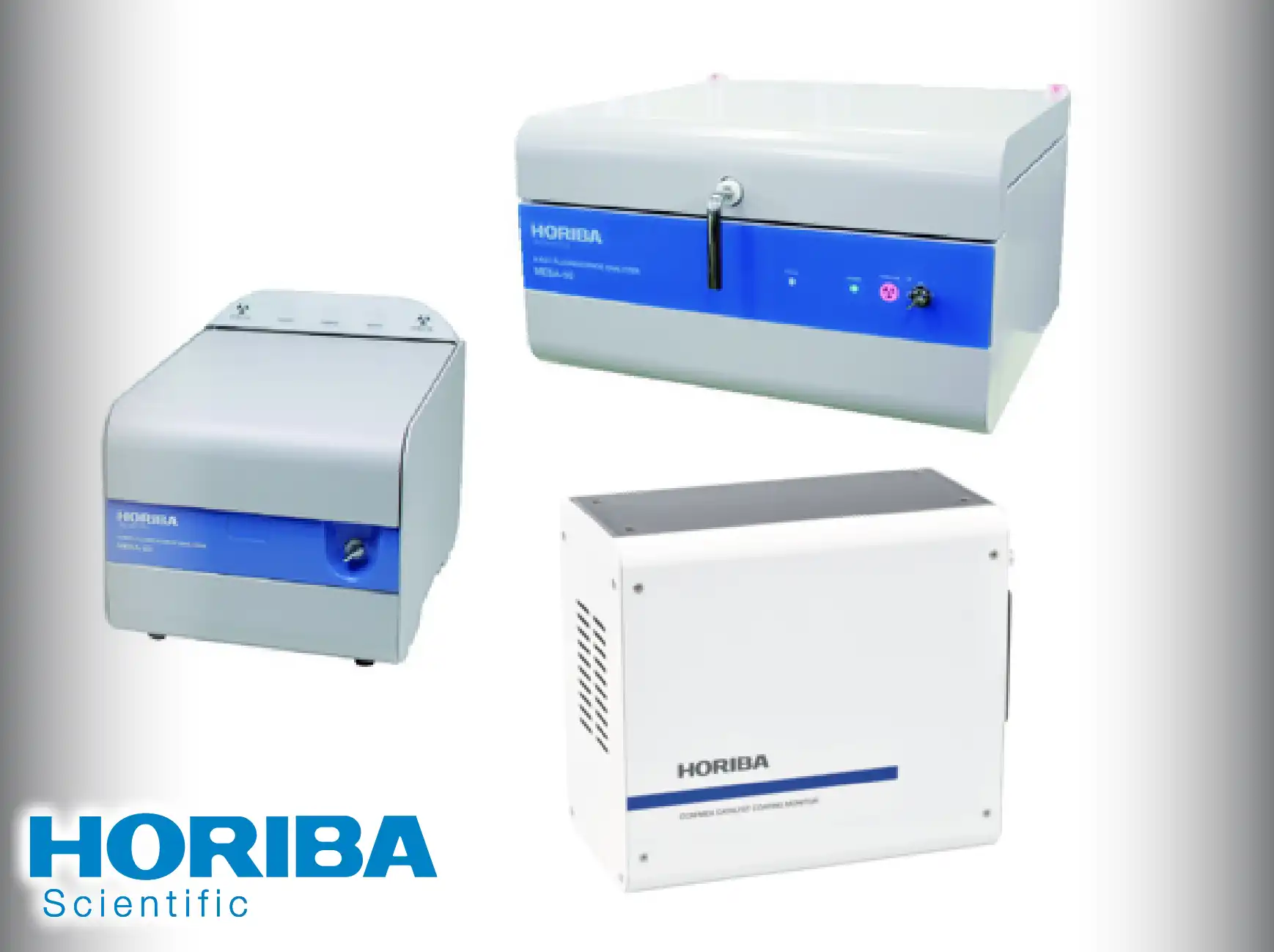
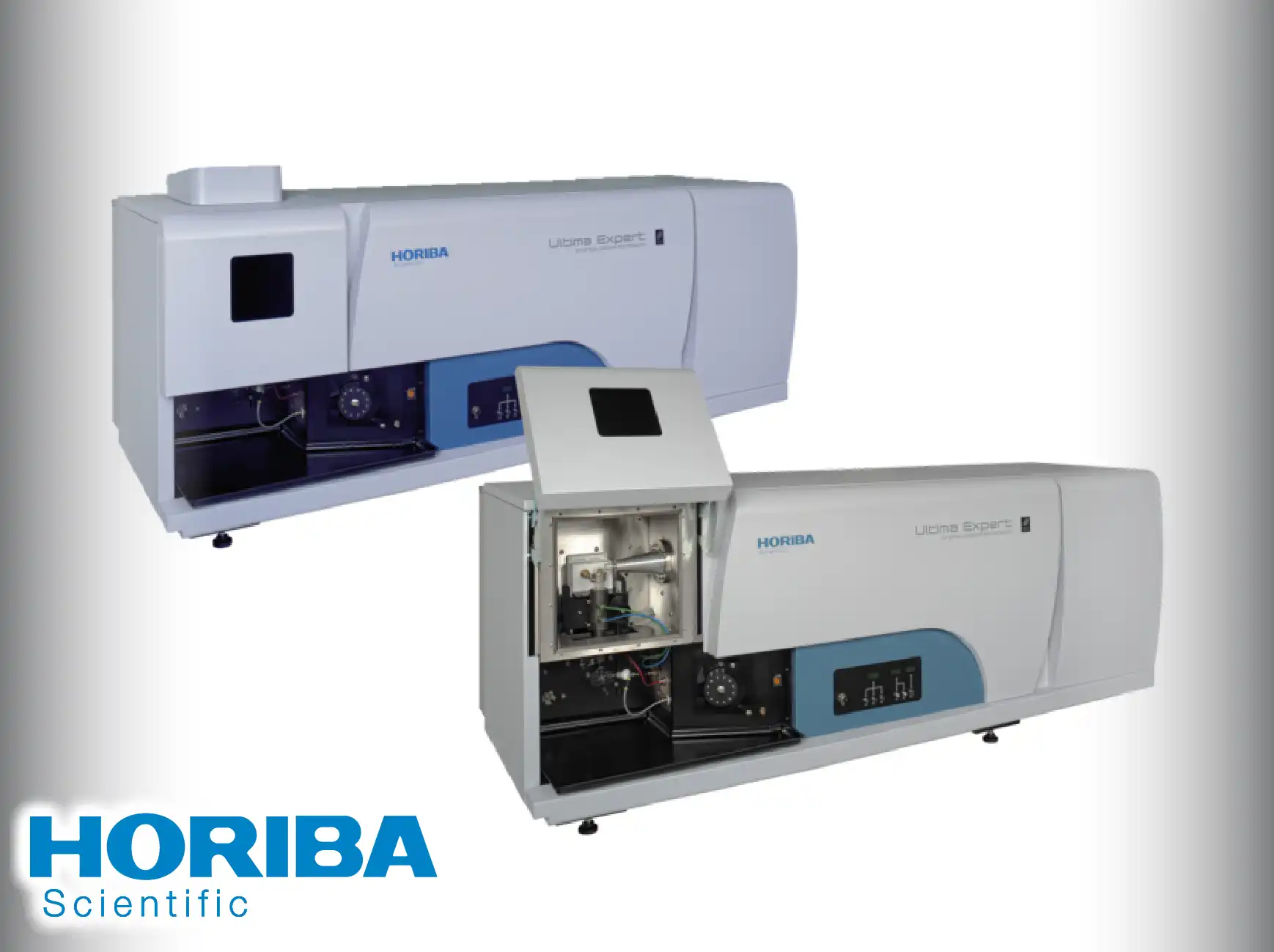
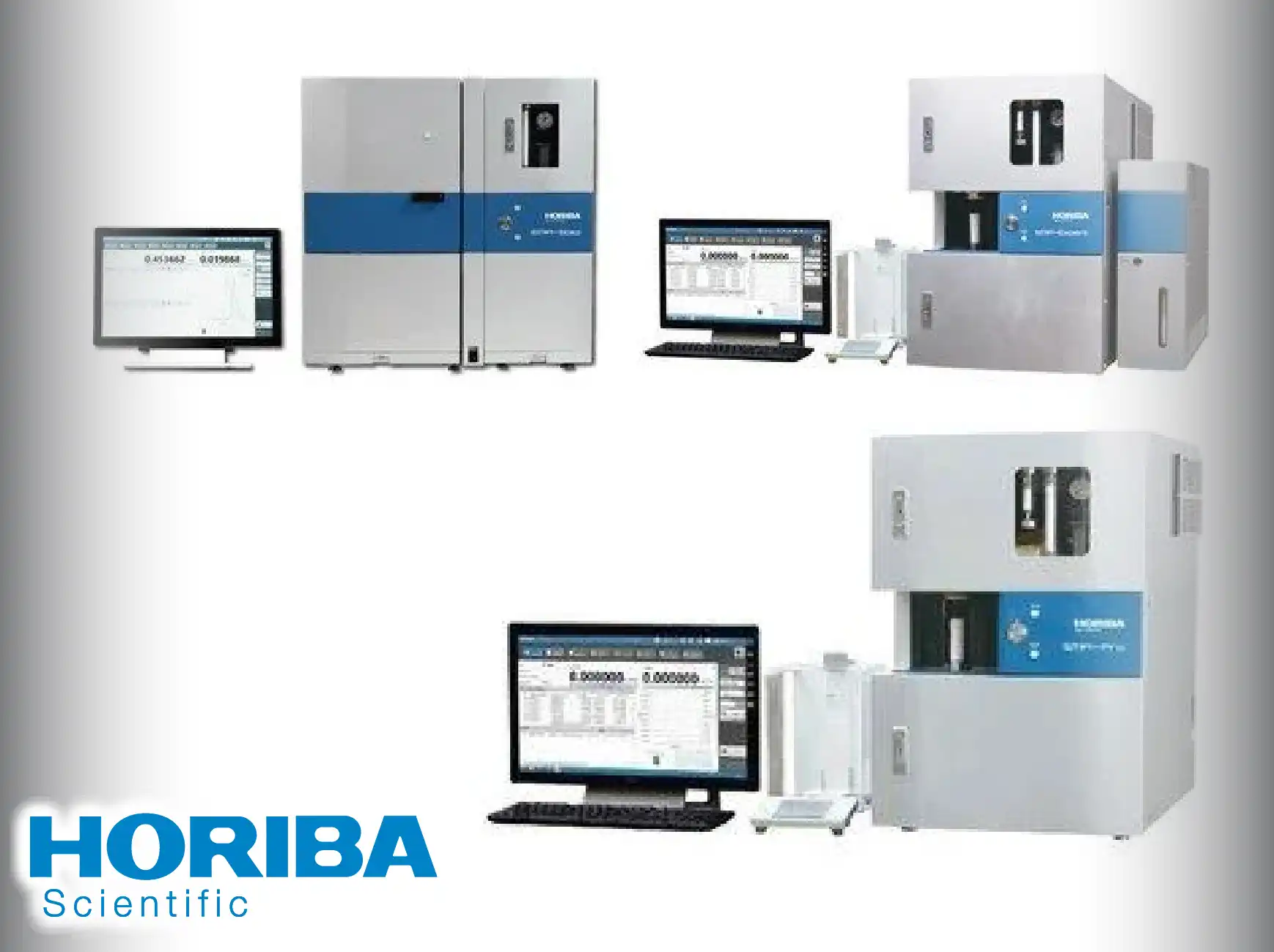
Horiba Elemental Analysis Solutions
Horiba’s elemental analysis solutions represent a pinnacle of analytical engineering, specifically designed to quantify the concentration of light elements within solid and liquid matrices. These instruments utilize two primary high-energy extraction methods: high-frequency induction combustion for carbon and sulfur, and inert gas fusion for oxygen, nitrogen, and hydrogen. By subjecting samples to extreme temperatures, the target elements are liberated as gases, which are then precisely measured using non-dispersive infrared (NDIR) detectors and thermal conductivity sensors.
The technical robustness of these systems is characterized by their ability to handle diverse sample types—from fine powders to large metallic chips—with minimal preparation. Advanced features such as automated crucible handling, dual-range detectors, and high-performance gas purification systems ensure that the analysis remains consistent and free from environmental contamination. Furthermore, Horiba integrates sophisticated software platforms that manage calibration curves, statistical analysis, and maintenance tracking.
Glow Discharge Optical Emission Spectroscopy (GDOES)
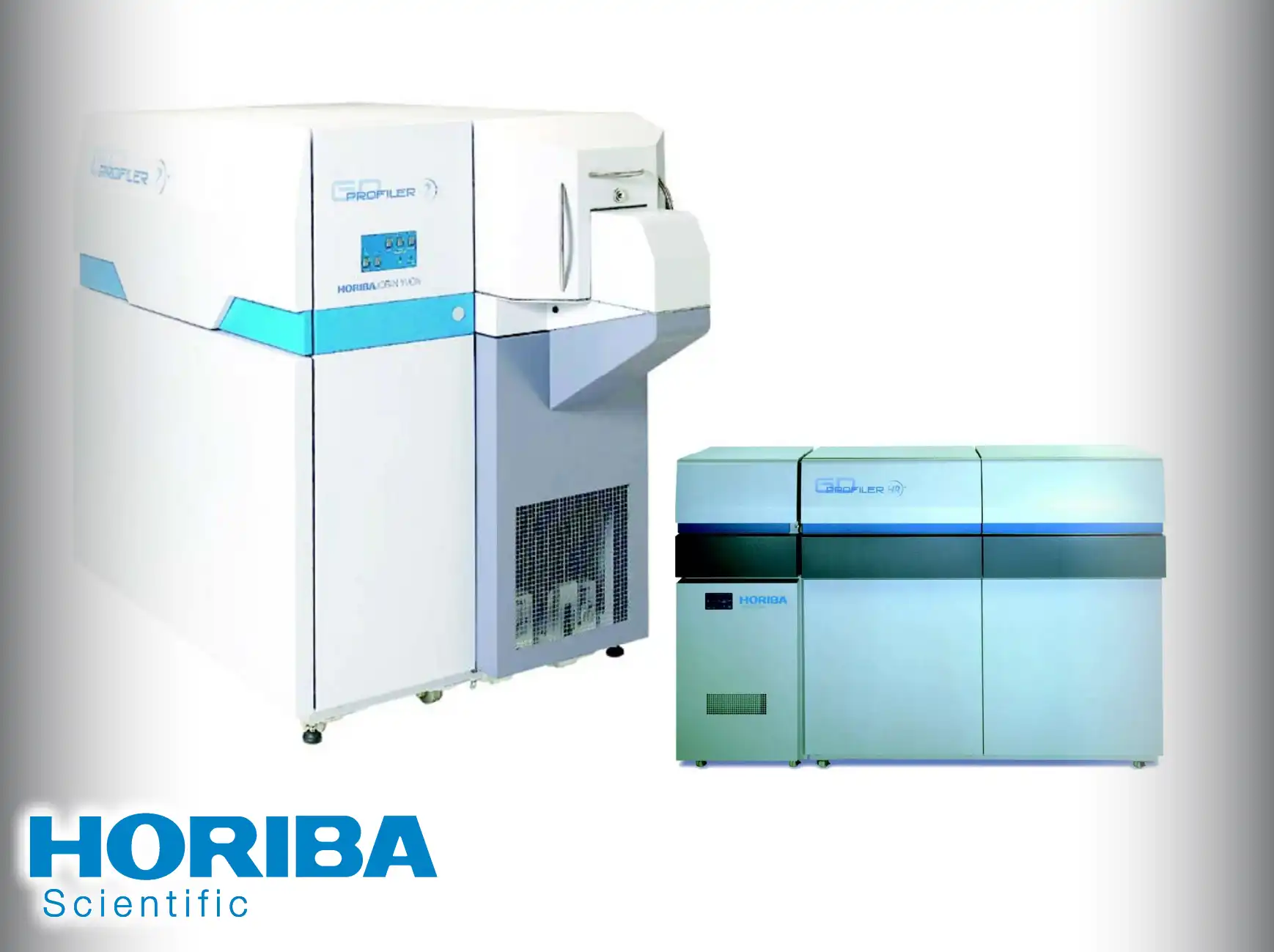
GDOES is a premier analytical technique for the rapid determination of both surface depth profiles and bulk elemental composition of solid materials. By utilizing a controlled plasma to sputter the sample surface, it measures emitted light to analyze coatings and light elements like Hydrogen and Oxygen with nanometer resolution.
Advanced Capabilities of Pulsed RF GDOES
By leveraging Pulsed RF technology, GDOES expands its range beyond metals to include insulating materials like ceramics and polymers. This system generates quantitative depth profiles within minutes, utilizing "Ultra Fast Sputtering" to assess complex interfaces and coating performance in high-tech manufacturing.
Inductively Coupled Plasma - Optical Emission Spectroscopy (ICP-OES)
ICP-OES is a "workhorse" for the quantitative analysis of liquid samples, capable of measuring over 70 elements simultaneously. It uses a high-temperature argon plasma to atomize samples, providing the superior sensitivity required for environmental monitoring and high-throughput quality control.
Performance in Complex Matrices with ICP-OES
To maintain accuracy in challenging samples like seawater, ICP-OES employs high-resolution optics and sophisticated detection systems. These features minimize matrix effects and extend the dynamic linear range, reducing the need for time-consuming sample dilutions while maintaining reliable results.
Carbon/Sulfur & Oxygen/Nitrogen/Hydrogen Analysis
This group of techniques determines critical light elements in solid matrices through combustion or inert gas fusion. Extracted gases are measured using infrared or thermal conductivity detectors, providing essential data for industries like 3D printing and semiconductors where impurity control is vital.
Furnace Technology for Gas Analysis
Utilizing high-frequency induction and precision resistance furnaces, these systems reach temperatures exceeding 2300°C. This ensures the complete decomposition of high-melting-point materials, allowing for trace analysis sensitivity down to 0.001 ppm for purity certification in electronic components.
X-ray Fluorescence Spectroscopy (XRF)
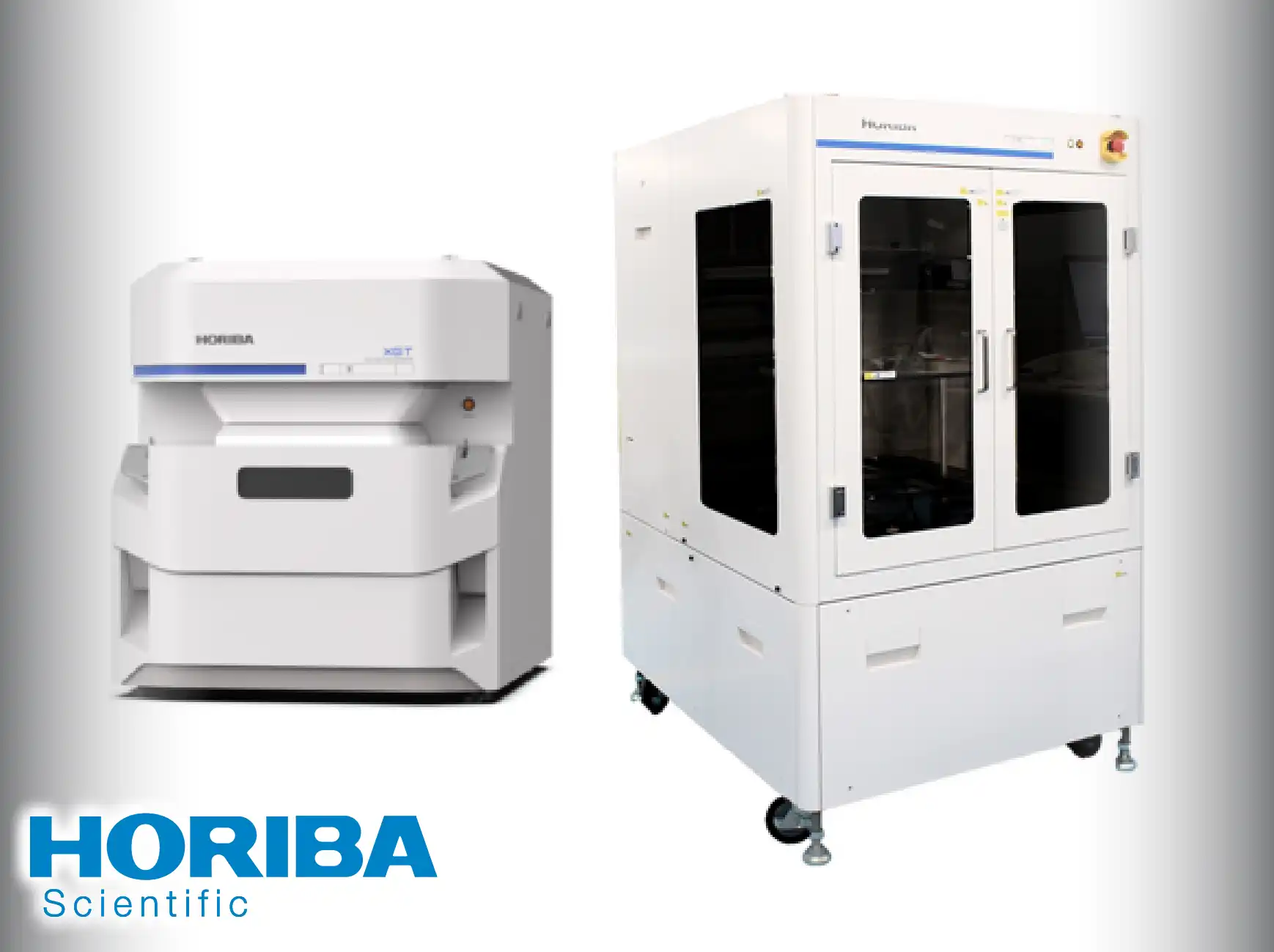
XRF is a versatile, non-destructive technique for determining the elemental composition of solids, liquids, and powders. It works by exciting atoms with X-rays to emit characteristic fluorescent radiation, allowing for a rapid elemental "fingerprint" from Sodium to Uranium without damaging the specimen.
Quantitative Accuracy and Mapping in XRF
To ensure precision, XRF uses the "Fundamental Parameters Method" to correct for complex element-element interactions. Additionally, micro-XRF technology provides spatial resolution, allowing for detailed mapping of elemental distribution across a surface, which is critical for failure analysis.
Click here for more information about Horiba Solutions