



.webp)
Mini Capsulation Machines
|
Automated and Manual
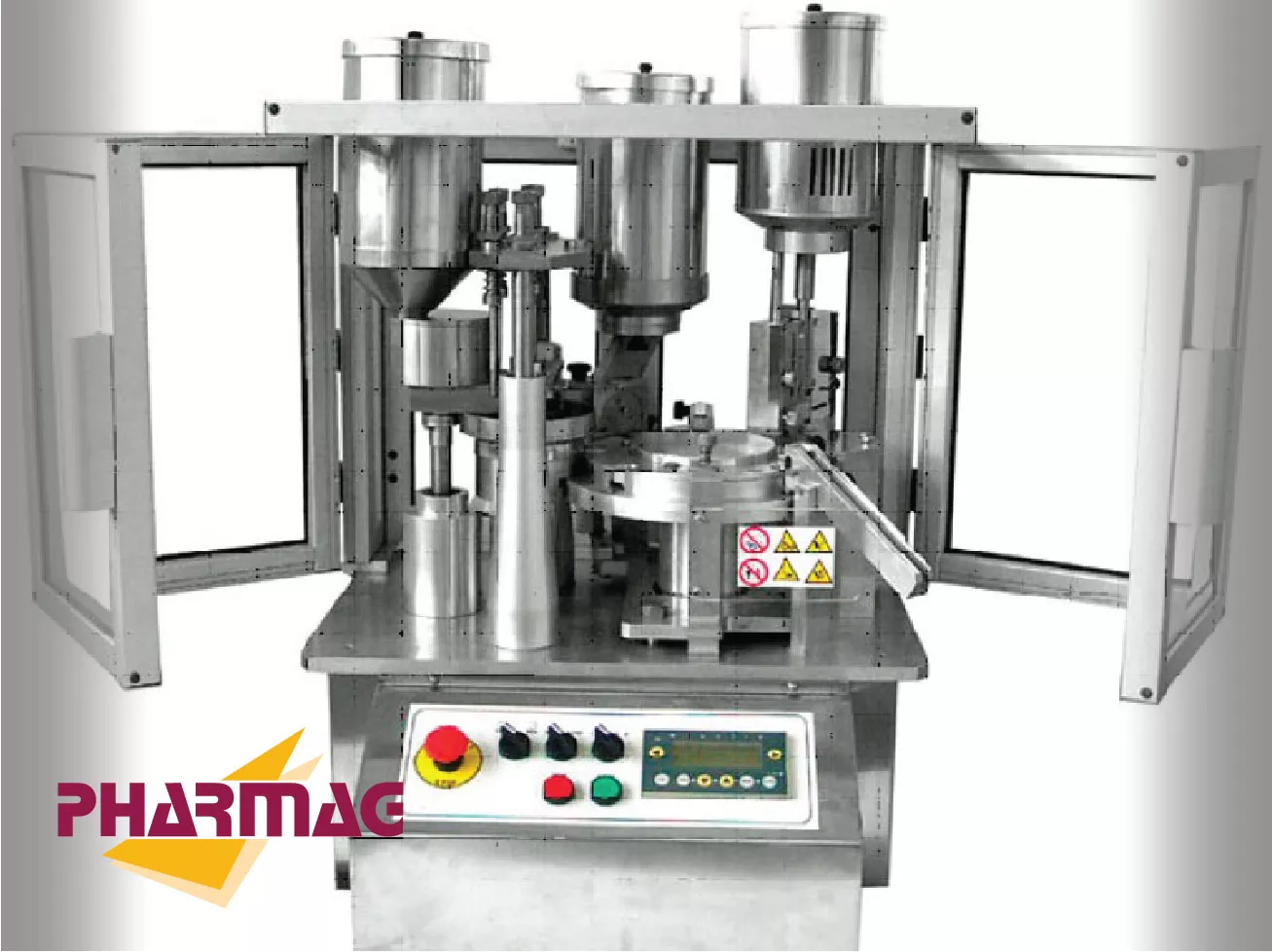
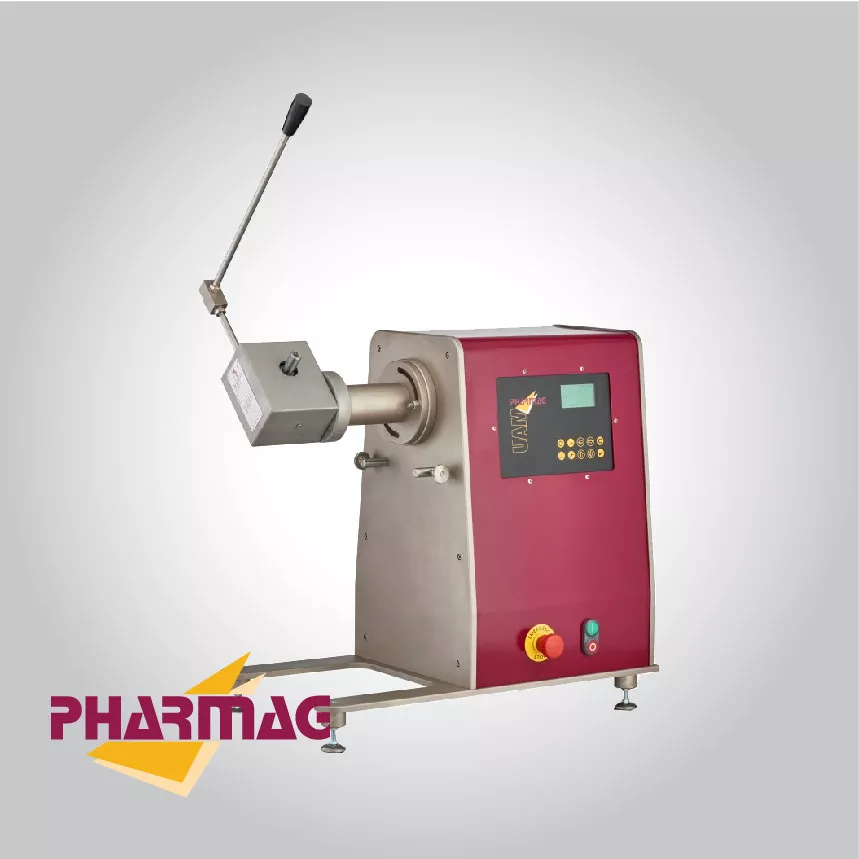
Pharmag Mini Capsulation Machines
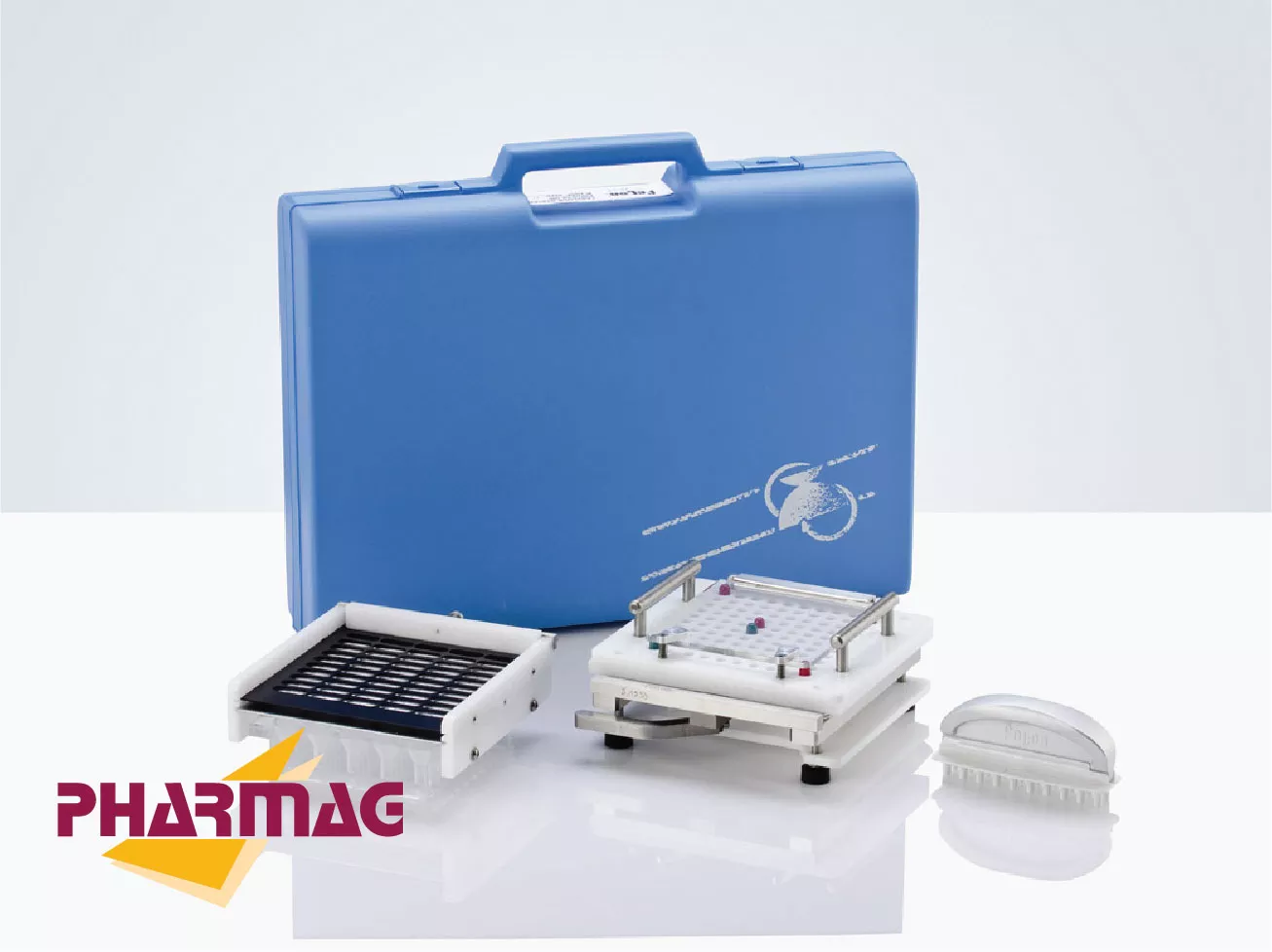
Feton Manual Capsulation System
The Feton FASTLOCK – Manual Capsule Filling Instrument is a reliable manual capsule filling system for research and development as well as for small batch production. The Feton FASTLOCK – Manual Capsule Filling Instrument is provided with a loader and powder frame, which can simultaneously fill 100, 200, 300 or 400 caps per each single operation.
Operating Range
Working with the Feton – Manual Capsule Filling Instrument has been made easy. Four different capacities are available: 100, 200, 300 and 400 capsules per single run. A trained user with a good experience can easily achieve 1200 – 4000 capsules per hour respectively. The smart design of the Feton FASTLOCK – Manual Capsule Filling Instrument is intended to arrange 100, 200, 300 or 400 empty capsules in such a way, as to make them fall automatically in the right direction into the capsule filling unit. Furthermore, operators can easily use the Feton FASTLOCK – Manual Capsule Filling Instrument to open and close 100, 200, 300 or 400 capsules of the same size with just one single move.
Precision Capsule Orientation and Loading
The loading process in mini capsulation machines is a critical technical stage where empty capsules are oriented and placed into the filling plates. Pharmag systems often utilize a manual loader that ensures the capsules are positioned with the body down and the cap up. This precise orientation is achieved through mechanical alignment features, reducing the risk of damaged capsules during the separation phase and ensuring that every hole in the plate is occupied before the filling starts.
Efficient Separation of Capsule Caps and Bodies
Once loaded into the plates, the system facilitates the separation of the capsule caps from the bodies. This is technically managed by applying a gentle vacuum or mechanical force while the plates are secured. The caps are retained in the upper plate while the bodies remain in the lower plate, exposing the cavity for powder insertion. This separation must be clean and consistent to prevent deformation of the gelatin shells, ensuring they can be re-joined perfectly after filling.
Powder Bed Uniformity and Filling Technique
The filling stage involves spreading the powder or granules over the lower plate containing the capsule bodies. Pharmag machines utilize manual or semi-automated spreading tools to ensure a uniform powder bed. The technical challenge is to achieve consistent packing density across all capsules. For cohesive powders, a tamping device can be used to compress the material into the bodies, allowing for higher fill weights and ensuring that each capsule receives the exact required dose according to the formulation.
Interchangeable Plate Sets for Multi-Size Flexibility
To accommodate the wide range of capsule sizes used in the industry (from size 000 to size 5), these machines feature interchangeable plate sets. The technical design allows for rapid changeovers between different sizes without the need for complex tools. Each plate set is precision-machined to match the specific diameter and length of the corresponding capsule size, ensuring a snug fit that prevents powder leakage and maintains the structural integrity of the capsules during the locking process.
Mechanical Closing and Locking Mechanism
After filling, the upper plate containing the caps is realigned with the lower plate containing the filled bodies. The machine employs a mechanical closing system that applies uniform pressure across the entire plate. This technical action locks the caps and bodies together, activating the "click-lock" feature of modern hard gelatin capsules. Consistent pressure is vital to ensure that all capsules are closed to the same specified length, meeting pharmacopoeial standards for finished dosage forms.
Pharmaceutical-Grade Material Construction
In compliance with Good Manufacturing Practices (GMP), Pharmag mini capsulation machines are constructed from materials that are resistant to corrosion and chemical interactions. Stainless steel components and anodized aluminum plates are standard. This technical focus on material science ensures that the drug substances remain pure and that the equipment can withstand rigorous cleaning and sterilization procedures between different batches or formulations, preventing cross-contamination.
Scalability and Process Development
Mini capsulation systems serve as an essential tool for process development. The technical parameters established during small-scale runs—such as flow properties of the powder bed and tamping pressure—can be documented and used as a baseline for scaling up to high-speed industrial encapsulation lines. This makes the mini capsulator an indispensable part of the galenic laboratory, allowing for the optimization of formulations using minimal quantities of expensive active pharmaceutical ingredients (APIs).
Ergonomic Benchtop Design and Portability
The technical architecture of Pharmag systems prioritizes a compact, ergonomic footprint suitable for laboratory benchtops. The machines are designed for manual operation with minimal physical strain, featuring smooth-acting levers and intuitive plate handling. Their portable nature allows them to be used in various settings, such as under laminar flow hoods for handling sensitive or potent compounds, providing a flexible and efficient solution for specialized pharmaceutical production and educational purposes.
Read more about Pharmag Mini Capsulation Machines
.webp)