




PAC Atmospheric Distillation
|
Precision Atmospheric Distillation for Petroleum and Fuel Analysis
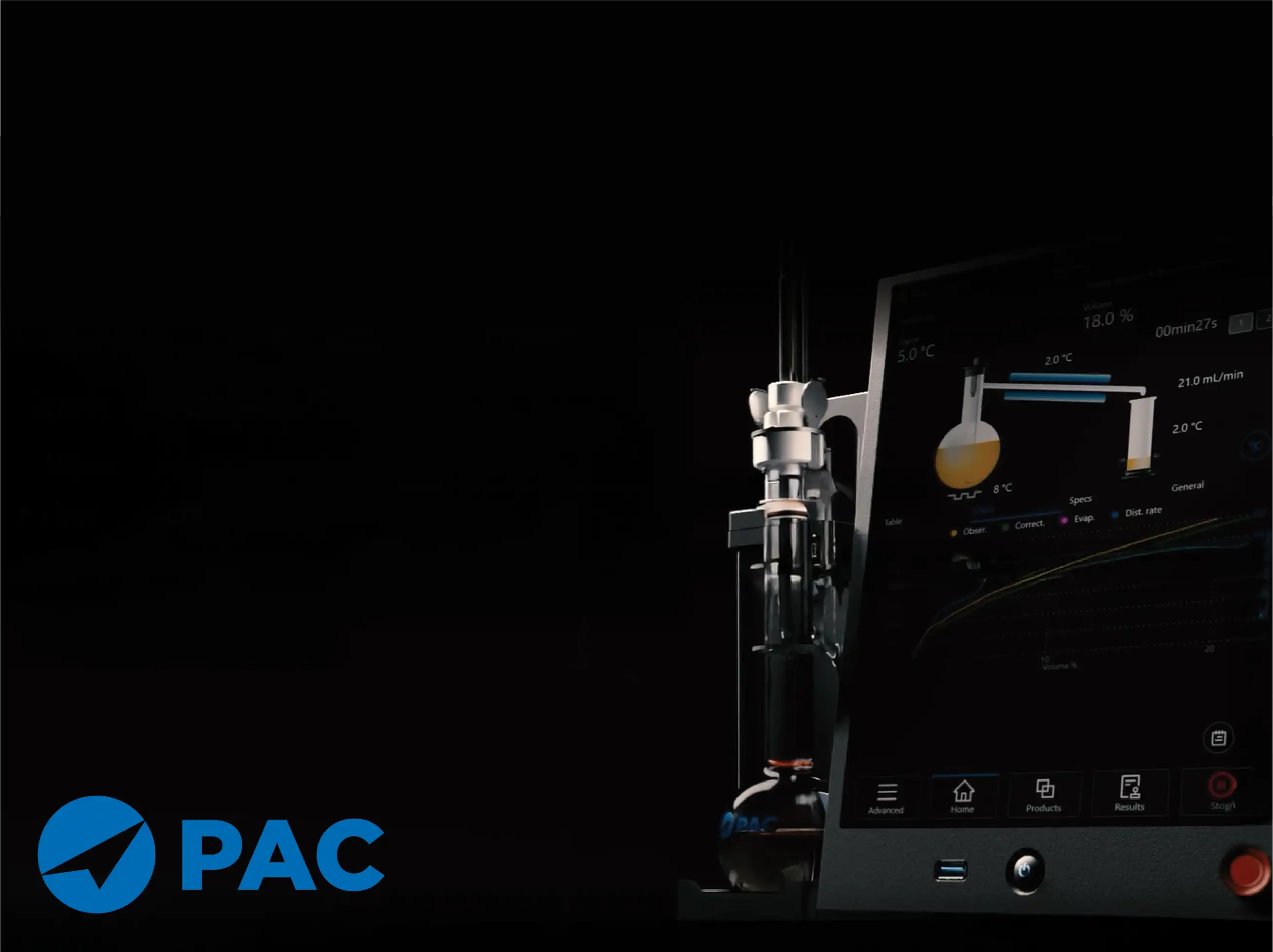
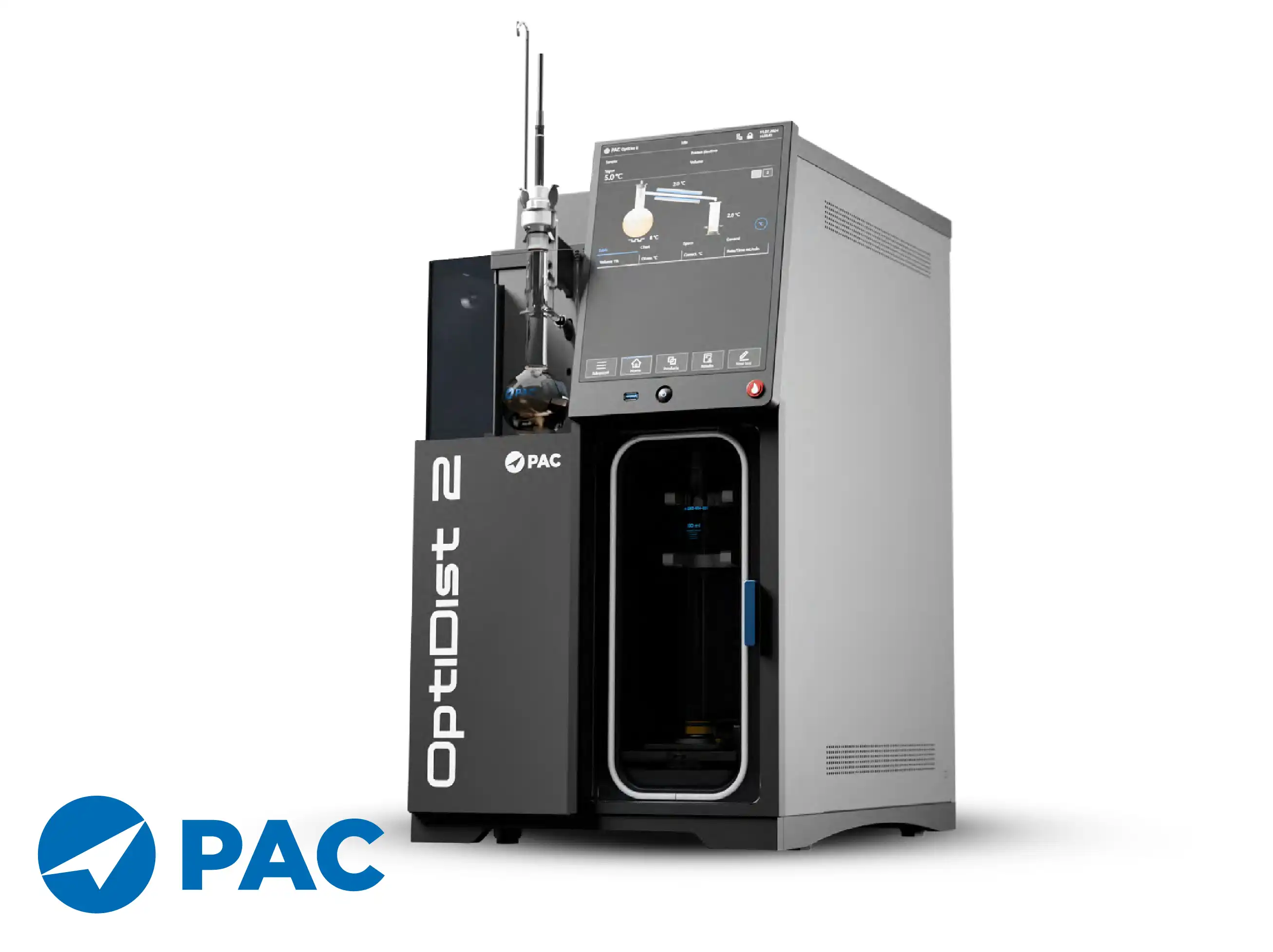

PAC Atmospheric Distillation
Atmospheric distillation is a key analytical method for evaluating petroleum products by determining their boiling range distribution under standard atmospheric conditions. This test provides essential insights into the volatility, composition, and overall quality of fuels and distillates, making it crucial for refineries, laboratories, and quality control processes.
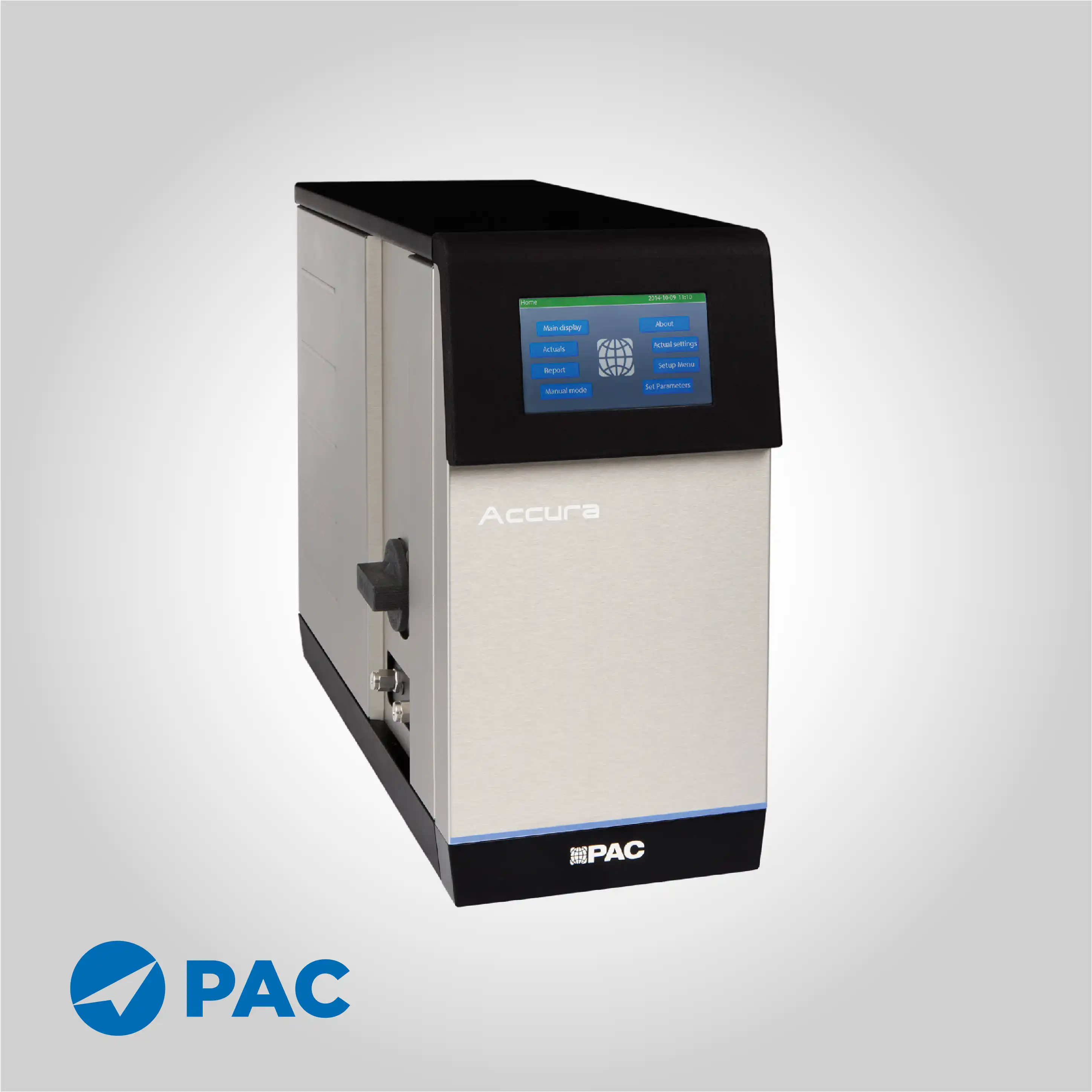
PAC’s atmospheric distillation technology offers fully automated and precise measurements that comply with ASTM D86, ISO 3405, and other international standards. With advanced temperature control and digital volume detection, the system ensures consistent, repeatable, and reliable results for all analytical and quality assurance applications.
High-Resolution Temperature Control for Accurate Fuel Characterization
The instrument employs high-resolution temperature sensors and precision heating elements to detect the initial boiling point (IBP), final boiling point (FBP), and full distillation curves with exceptional accuracy. This precise measurement capability is essential for comprehensive characterization of different fuel types, including gasoline, diesel, kerosene, and jet fuel. By monitoring subtle variations in boiling behavior, laboratories can assess fuel volatility, chemical composition, and performance characteristics, ensuring that fuels meet strict industrial, environmental, and regulatory standards.
Integrated Cooling and Condensation Management
PAC’s atmospheric distillation systems feature integrated cooling and condenser management, providing stable and controlled temperature environments for both vapor and condensate phases. This integration minimizes sample loss and prevents deviations in distillation curves caused by temperature fluctuations. By maintaining consistent thermal conditions, the system ensures highly reproducible results across multiple runs, which is critical for laboratories that require precise data for research, fuel development, and quality assurance programs.
Broad Temperature Measurement Range
The system supports a wide temperature range up to 400°C, allowing for the testing of both light and heavy fuel fractions within the same experimental setup. This capability is particularly valuable in laboratories that analyze a variety of hydrocarbon fractions without needing separate instruments. Accurate characterization across this broad spectrum ensures that refiners and researchers can obtain complete profiles for fuels of varying volatility and chemical complexity, from light gasoline cuts to heavier distillates used in diesel or industrial applications.
Automated Sample Handling and Built-In Safety Features
Automated sample handling reduces the need for direct operator intervention, minimizing exposure to high temperatures and potentially hazardous samples. Built-in safety features, such as automated shutoffs, controlled heating ramps, and secure containment, ensure compliance with modern laboratory safety standards. This combination of automation and safety allows technicians to perform multiple runs efficiently while safeguarding personnel and preventing operational errors, which is essential in high-throughput analytical laboratories.
Fully Automated Operation Enhances Efficiency
PAC’s atmospheric distillation technology minimizes subjective human observation, providing fully digital and traceable results. Automation improves laboratory workflow efficiency, reduces error, and enhances reproducibility. The system is capable of handling high-volume testing while maintaining precise control over all distillation parameters, making it suitable for both research-intensive laboratories and routine quality control environments where consistent, reliable measurements are required.
Critical Data for Process Optimization and Fuel Blending
Atmospheric distillation results provide key insights for refinery process optimization, fuel blending strategies, and quality control. Detailed distillation curves allow analysts to predict product performance, stability, and compliance with regulatory limits. These data are critical for adjusting refining operations, optimizing blending formulas, and ensuring that fuels meet specific standards for volatility, combustion, and emission characteristics, thereby improving overall refinery efficiency and product safety.
Ensuring Consistent Product Quality
By delivering repeatable and precise measurements, PAC’s atmospheric distillation solutions support consistent fuel quality assessment and product uniformity. The ability to accurately track distillation profiles across multiple batches allows laboratories and refineries to monitor production processes and identify deviations early, maintaining market-ready products that comply with regulatory standards. This level of control is essential for competitive fuel production and research validation.
Global Laboratory and Refinery Impact
PAC’s combination of automation, precision temperature management, and integrated safety features ensures reliable and reproducible atmospheric distillation results. Laboratories and refineries worldwide benefit from consistent analytical data that enhances operational decision-making, process control, and safety. By providing robust, accurate, and efficient distillation measurements, PAC technology supports global fuel characterization and quality assurance initiatives, helping ensure sustainable, high-performance fuel production.
Read More About PAC Products Here
.webp)
.webp)



.webp)


.webp)

.webp)