




PAC Boiling Point Analyzer
|
Boiling Point Analyzer for Accurate Fuel and Petroleum Characterization
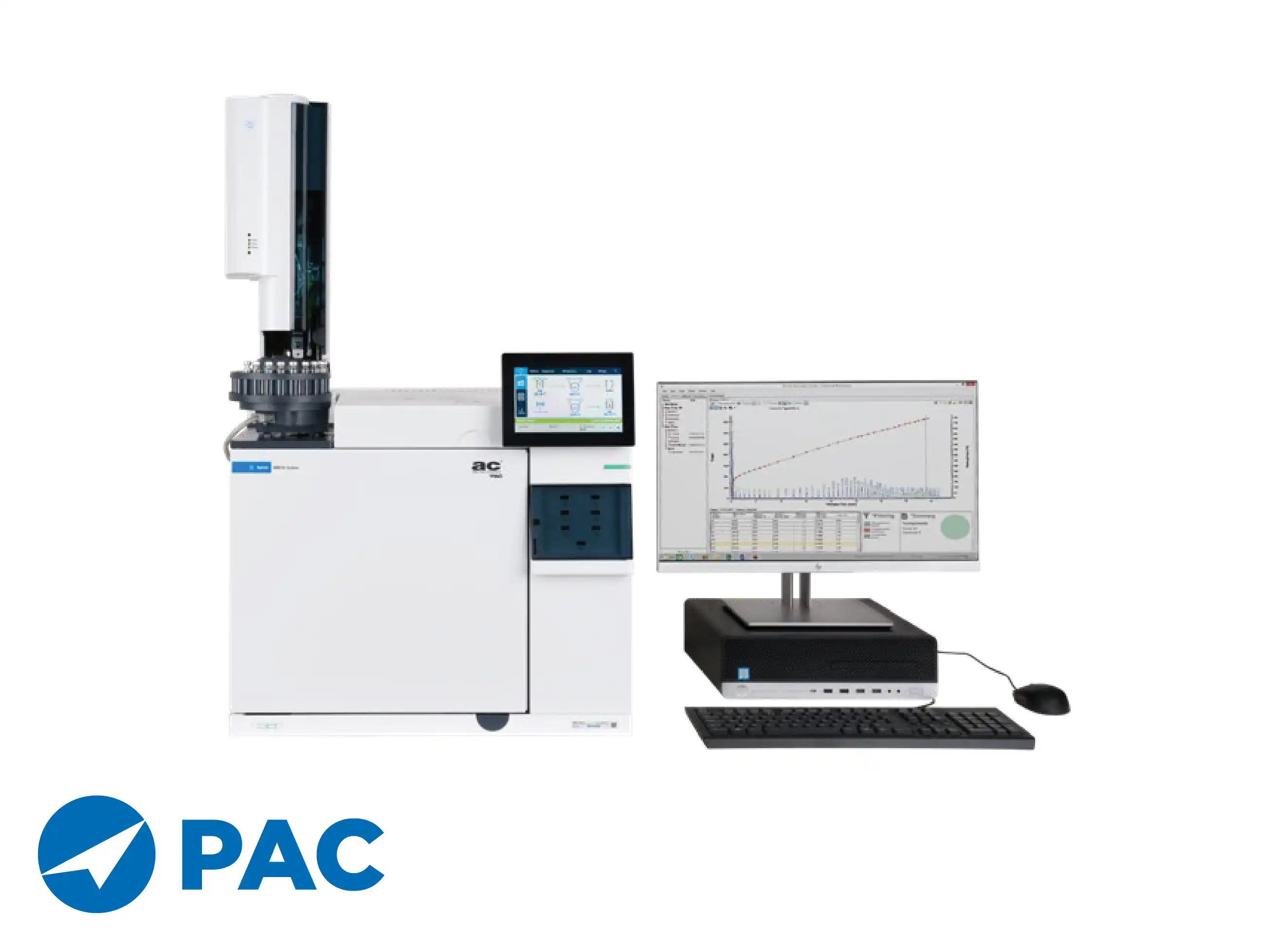
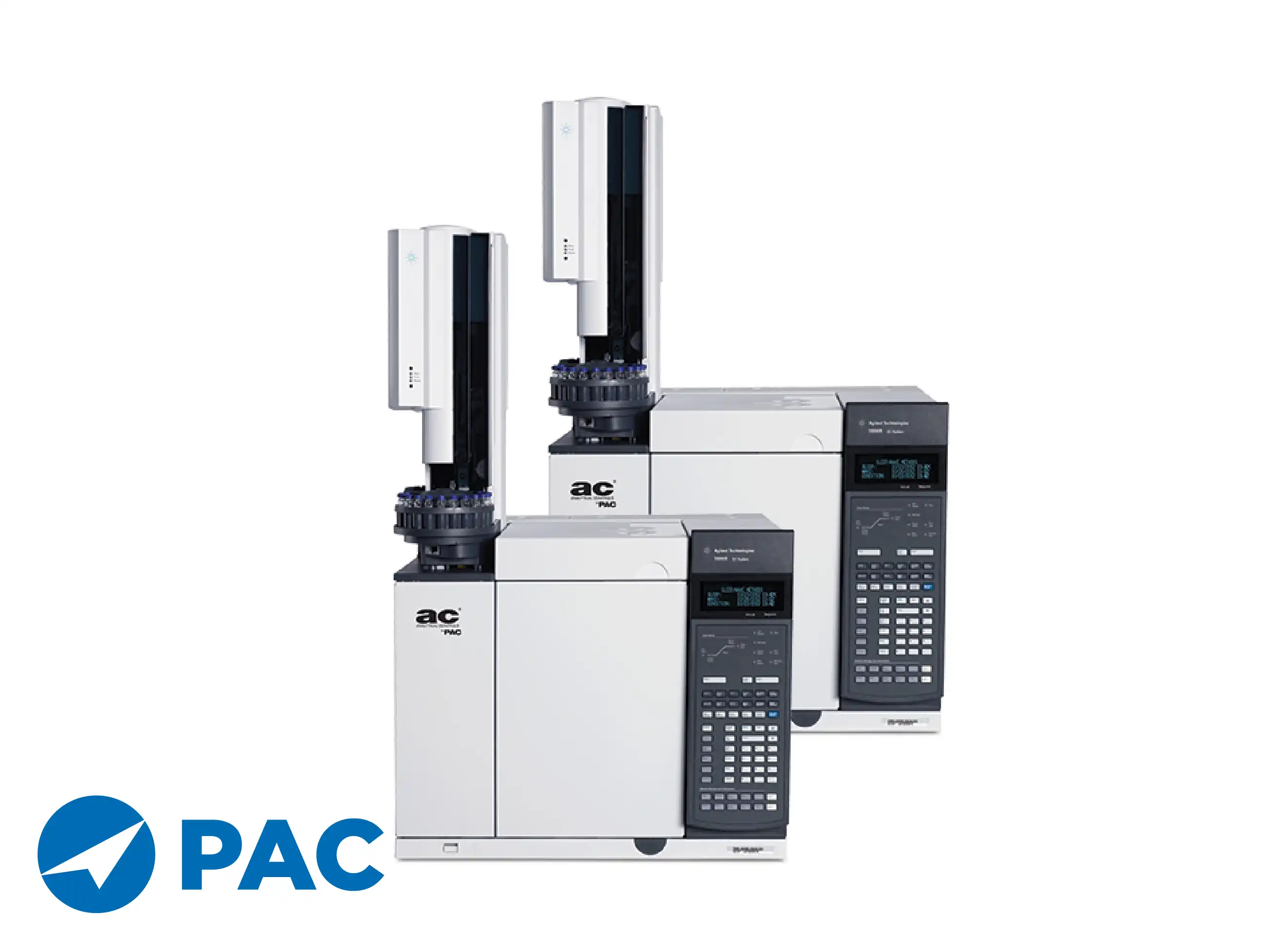
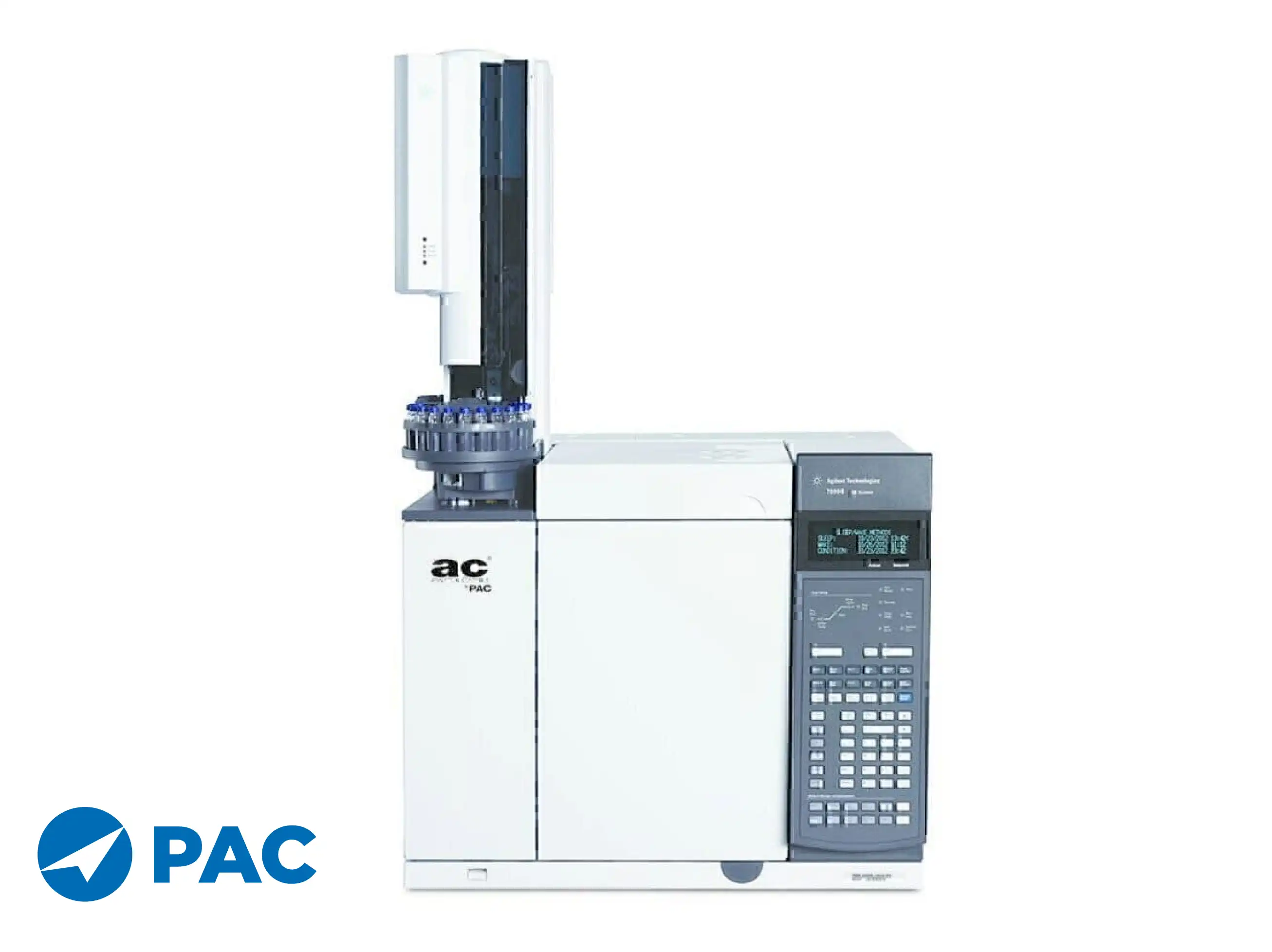
PAC Boiling Point Distillation
Boiling point analysis is a critical method for assessing fuels, petroleum products, and chemical liquids, providing essential data on volatility, composition, and quality. It is widely used in laboratories and industrial operations to guide fuel blending, refining, and quality assurance, ensuring products meet performance expectations and regulatory requirements.
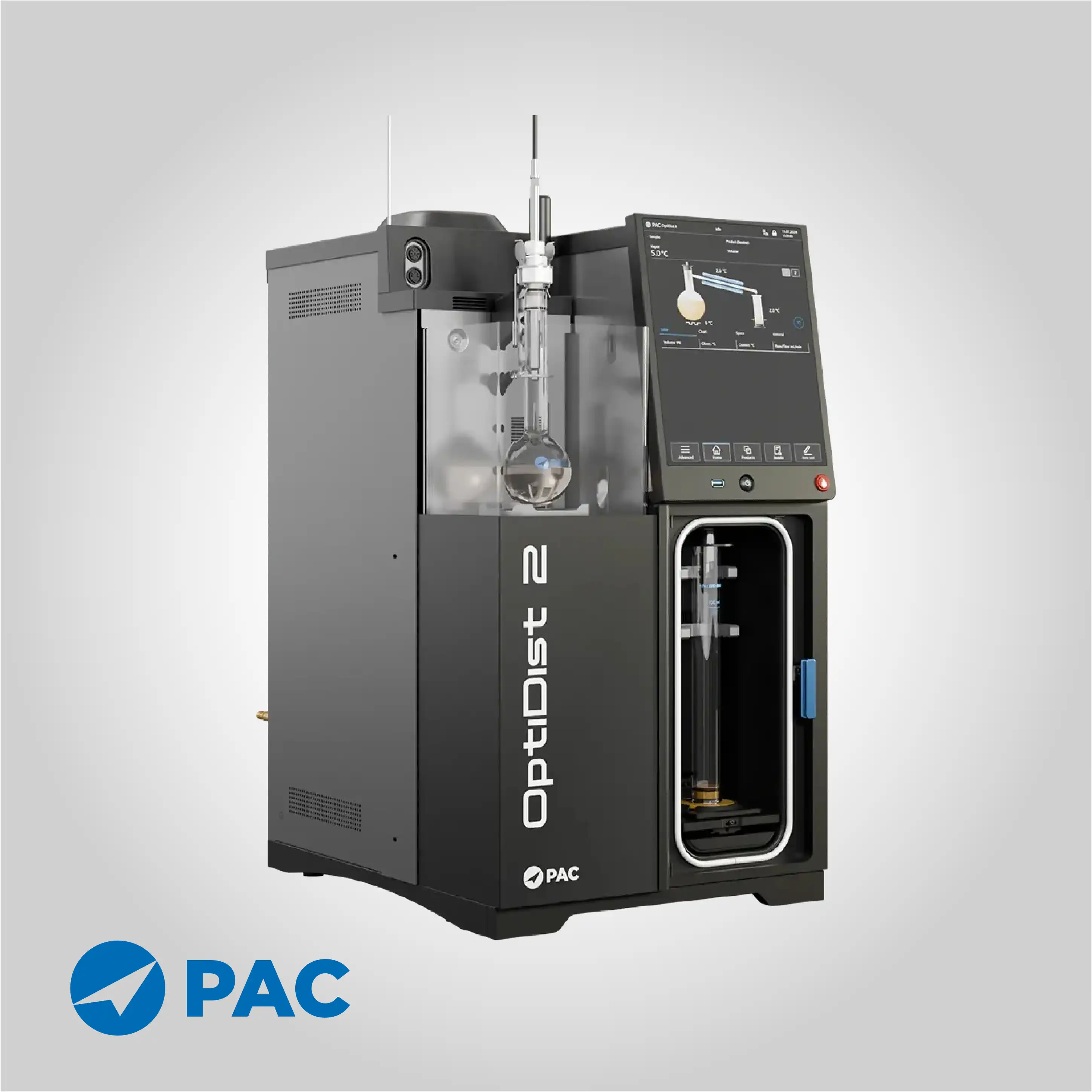
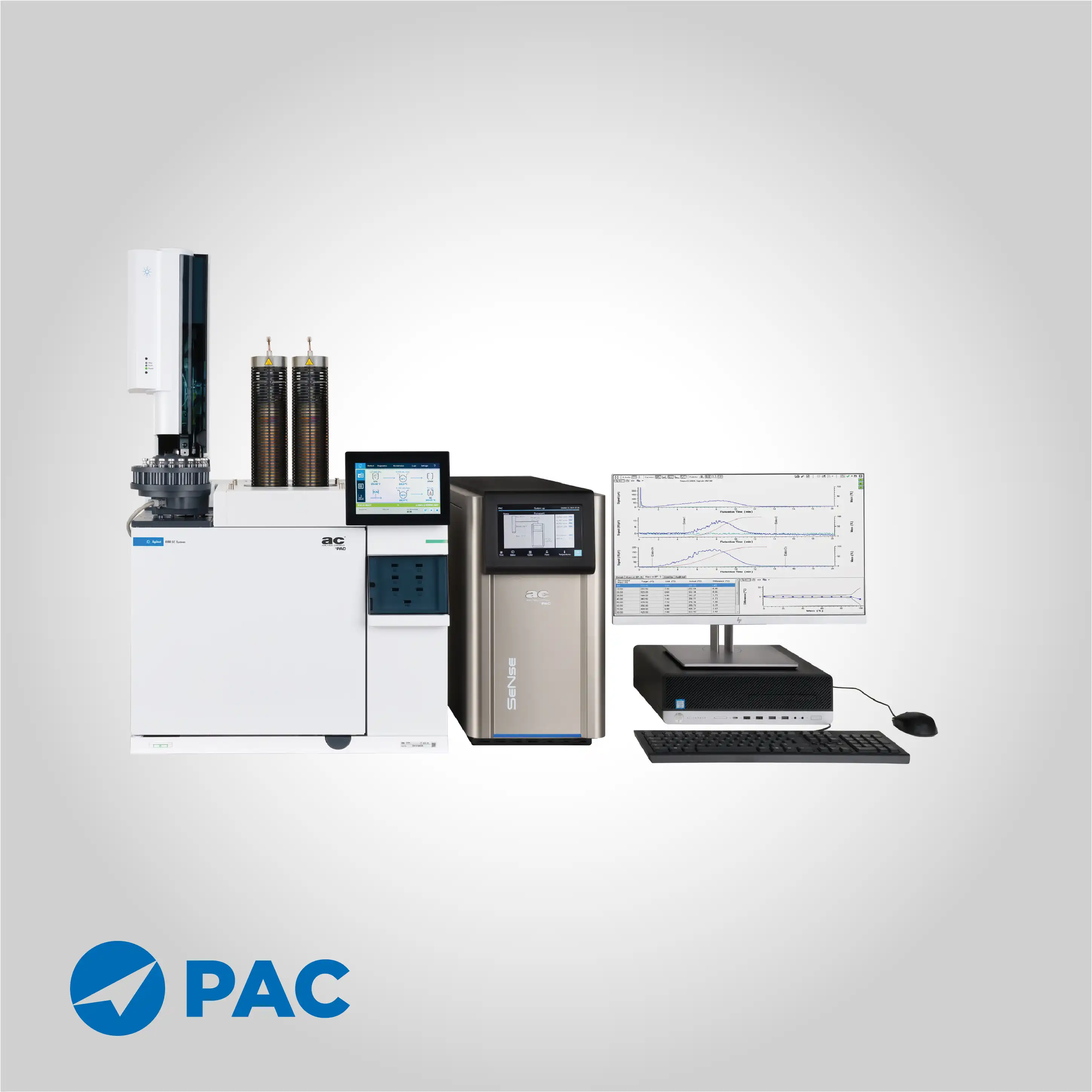
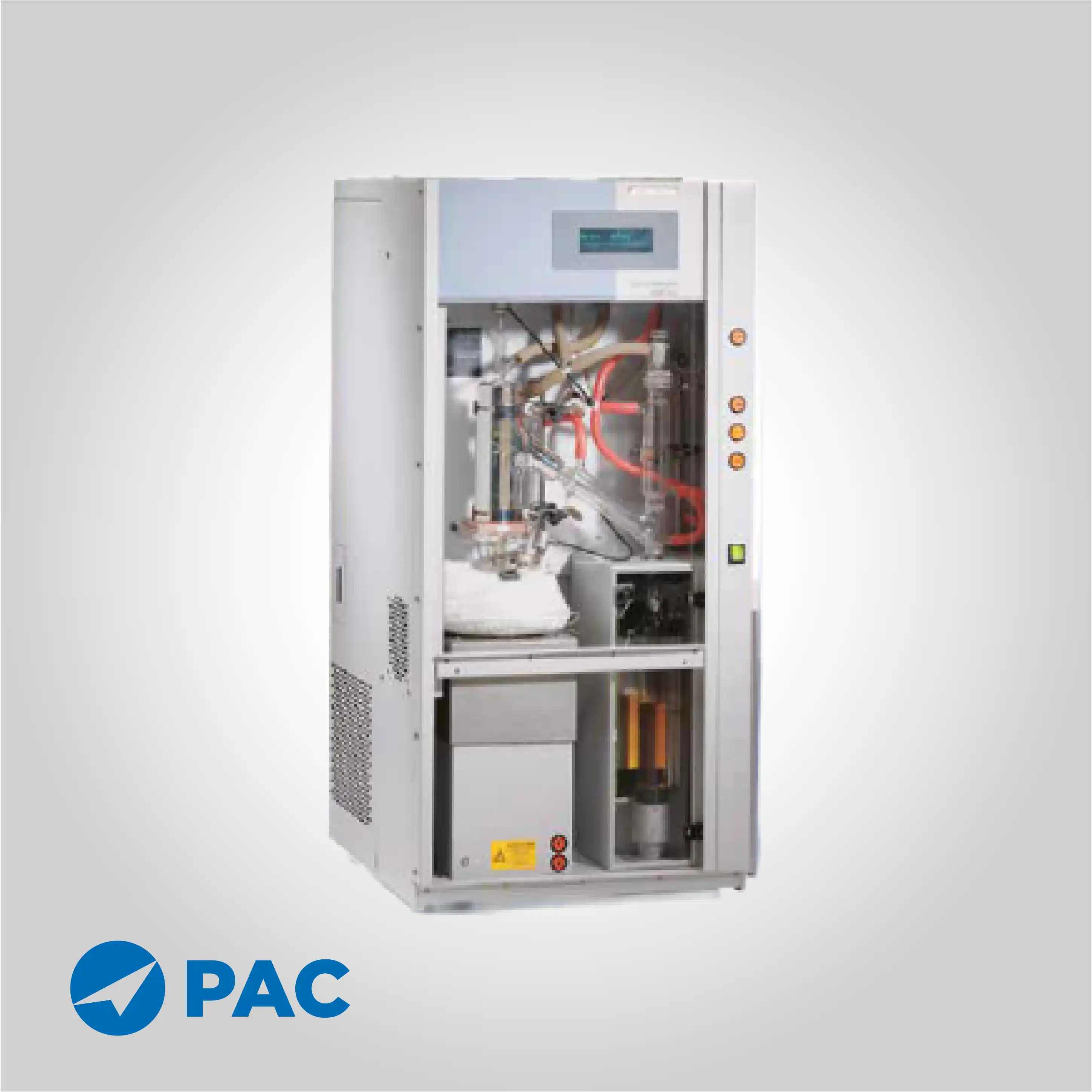
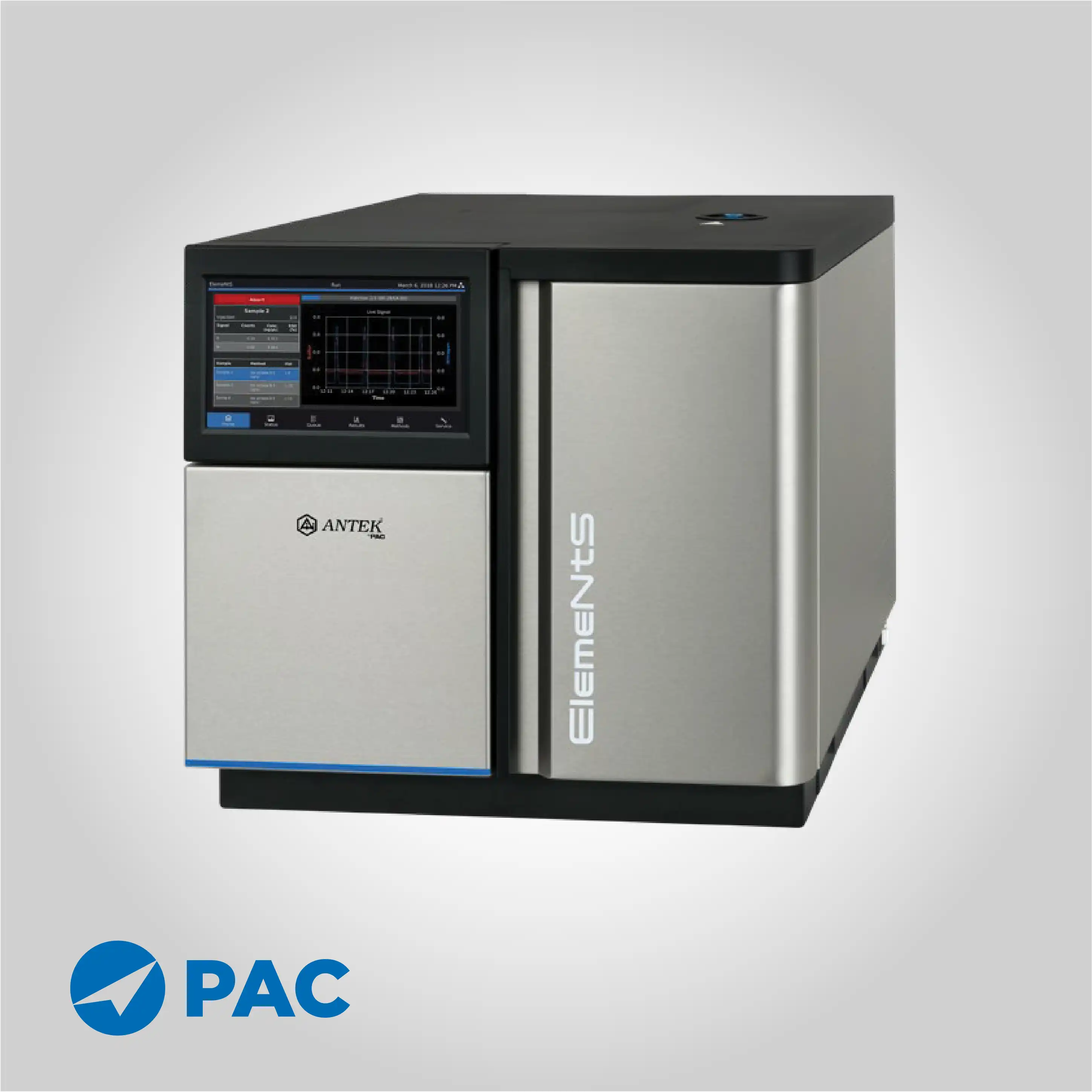
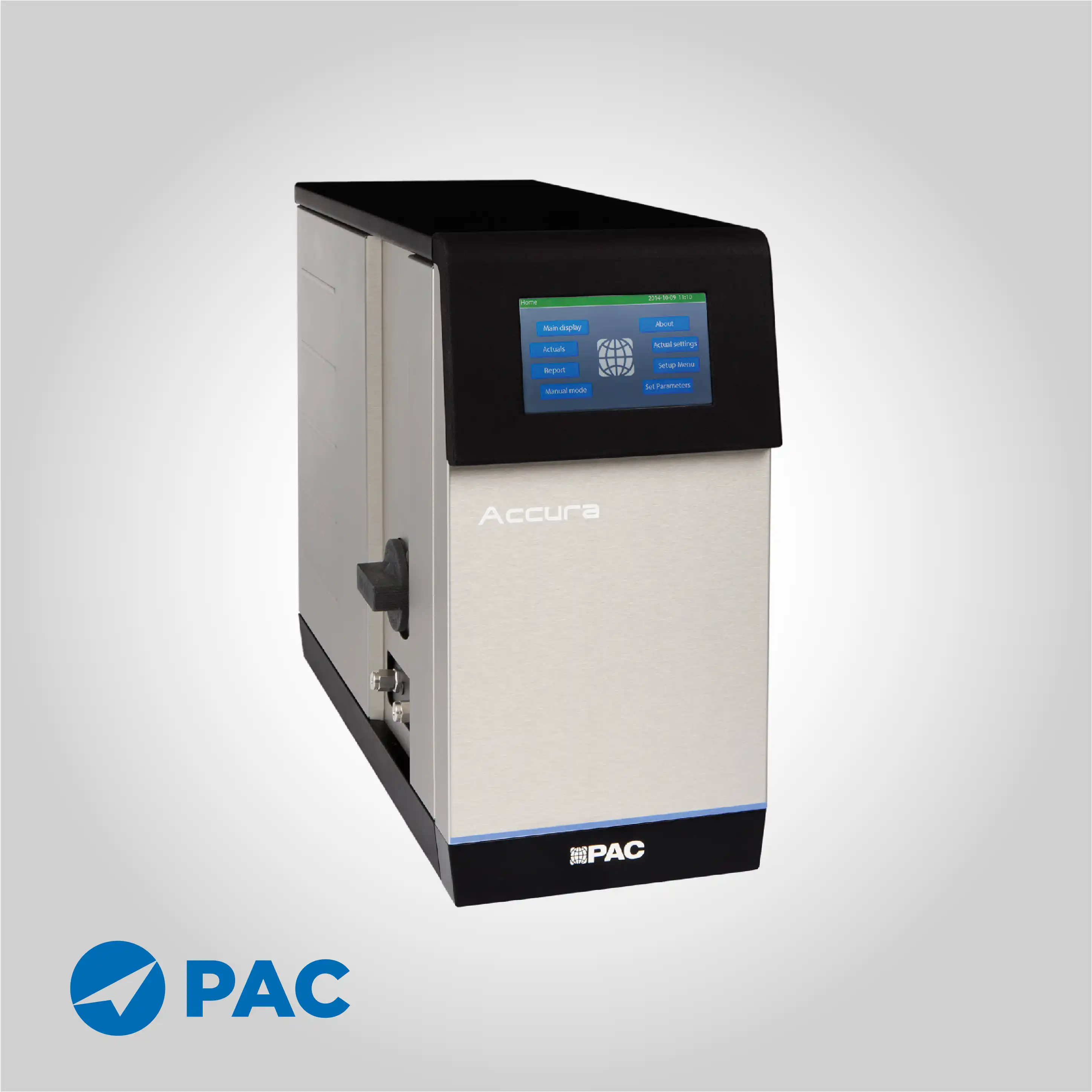
PAC’s boiling point analyzer delivers automated, precise, and reproducible measurements. Advanced digital sensors and temperature control accurately detect the initial boiling point (IBP), final boiling point (FBP), and intermediate distillation behavior, reducing operator variability and providing reliable results for complex hydrocarbon mixtures.
Wide Sample Compatibility and Versatility
The PAC boiling point analyzer is engineered to accommodate a wide range of sample types, from light and heavy fuels to distillates, biofuels, and complex chemical liquids. This versatility allows laboratories and industrial facilities to test multiple categories of hydrocarbons and chemical products using a single instrument, eliminating the need for multiple devices. By providing a uniform approach to analyzing diverse sample matrices, the analyzer ensures that all samples, regardless of volatility or composition, are evaluated with consistent precision and accuracy. This capability is crucial for research laboratories, refinery quality control, and industrial chemical analysis, where reliable results are necessary across a broad spectrum of substances.
Advanced Thermal Management for Accurate Distillation
The system incorporates state-of-the-art thermal management, maintaining stable and controlled temperature profiles throughout the distillation process. By carefully regulating both heating and cooling phases, the instrument prevents sample degradation, minimizes thermal fluctuations, and ensures accurate measurement of both low- and high-boiling fractions. This level of thermal precision is critical for obtaining reproducible distillation curves, particularly when analyzing complex hydrocarbon mixtures where small deviations in temperature can significantly impact the interpretation of volatility, composition, and product performance.
Automated Sample Handling and Streamlined Workflow
Automated sample handling, combined with precise temperature ramping, greatly enhances laboratory workflow efficiency. The system requires minimal sample volumes, reduces manual handling, and limits operator exposure to high temperatures and potentially hazardous materials. This automation ensures consistent operation, enabling laboratories to conduct routine quality control, research experiments, and industrial testing with greater safety, efficiency, and repeatability. Reduced human intervention also lowers the likelihood of procedural errors, supporting reliable results across multiple sample runs.
High-Resolution Data Acquisition and Analysis
High-resolution data acquisition provides detailed insights into boiling point curves, recovery percentages, and distillation behavior. Subtle variations in chemical composition, volatility, and hydrocarbon distribution are detected, enabling precise assessment of refining performance, batch-to-batch fuel consistency, and product stability. Detailed distillation data allows analysts to identify potential deviations or anomalies in fuel characteristics, informing process adjustments and quality assurance decisions to maintain compliance with industry and regulatory standards.
Integration with Laboratory Information Management Systems (LIMS)
The analyzer seamlessly integrates with Laboratory Information Management Systems (LIMS) to facilitate digital data logging, reporting, and traceability. Built-in calibration routines and automated quality checks enhance reproducibility and reliability, supporting high-throughput laboratory environments. This integration ensures that all results are accurately documented, easily accessible, and fully traceable, which is critical for regulatory audits, quality control verification, and research documentation.
Supporting Fuel Certification and Process Optimization
Boiling point determination is essential for fuel certification, process optimization, and ensuring compliance with international standards. The analyzer provides accurate and reproducible data necessary for fuel blending control, verification of new formulations, and R&D initiatives for alternative fuels and specialty chemicals. By delivering precise distillation profiles, the system supports refiners, chemical manufacturers, and researchers in optimizing product performance, operational efficiency, and market readiness.
Enhanced Efficiency and Accuracy Through Automation
Automation, high-precision sensors, and advanced temperature control work together to minimize operator variability, maximize throughput, and maintain analytical consistency. Laboratories benefit from faster, more reliable testing cycles, reduced sample consumption, and lower operational costs. The combination of automation and precise control ensures that both research laboratories and industrial quality control facilities can achieve reproducible, high-quality results across all tested samples, improving efficiency without sacrificing analytical rigor.
Reliable, Reproducible, and Industrially Robust Results
PAC’s boiling point analyzer delivers reliable and reproducible results for complex hydrocarbon mixtures and chemical liquids. Its integration of precision temperature management, automation, and robust safety features ensures consistent analytical outcomes, operational efficiency, and regulatory compliance. Laboratories and industrial facilities can rely on this technology to support critical decision-making, optimize processes, and ensure that fuels and chemical products consistently meet required performance and quality standards worldwide.
Read More About PAC Products Here
.webp)
.webp)



.webp)


.webp)

.webp)