




Vacuum Distillation
|
For High-Boiling Petroleum and Lubricant Analysis
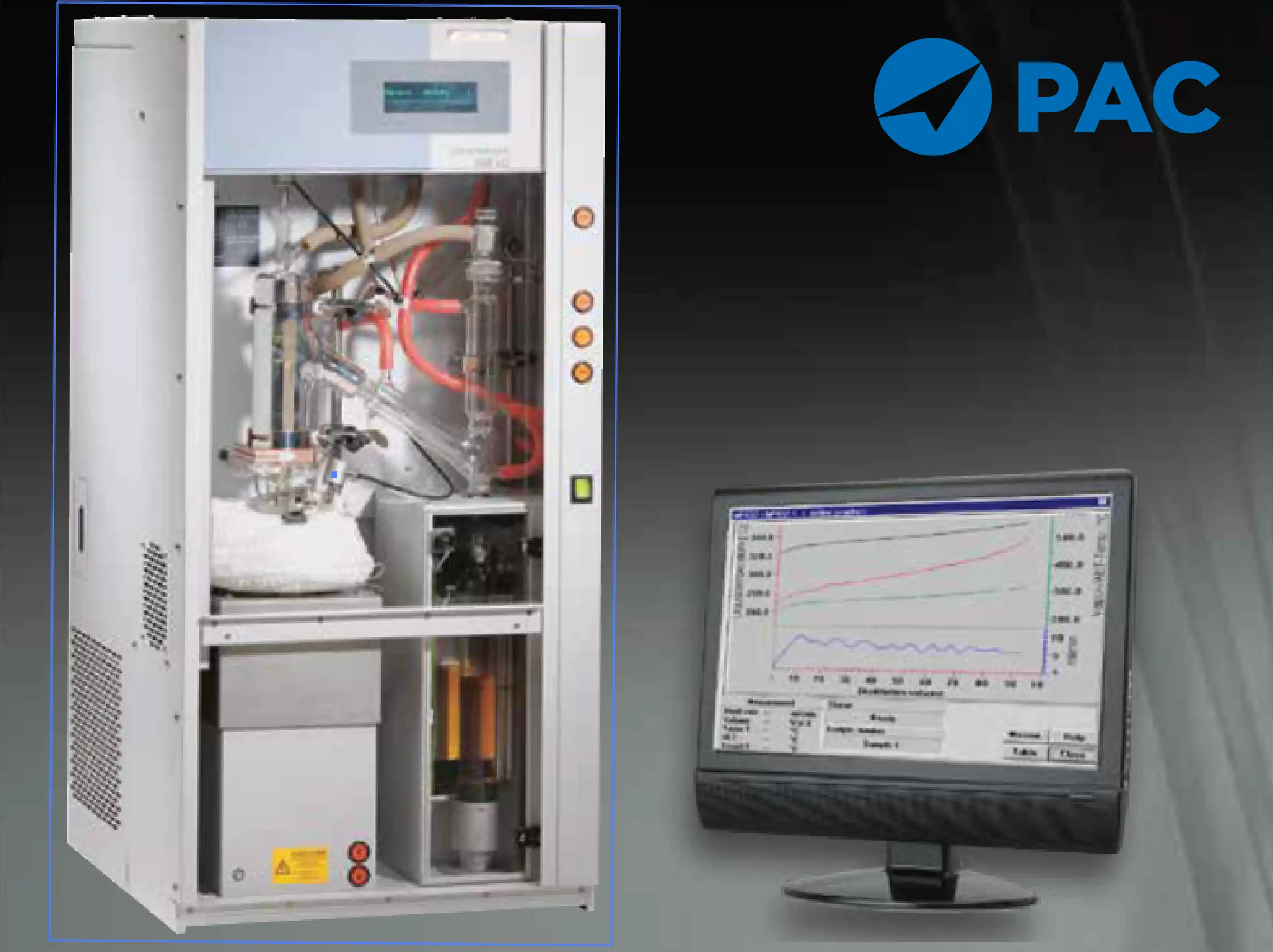
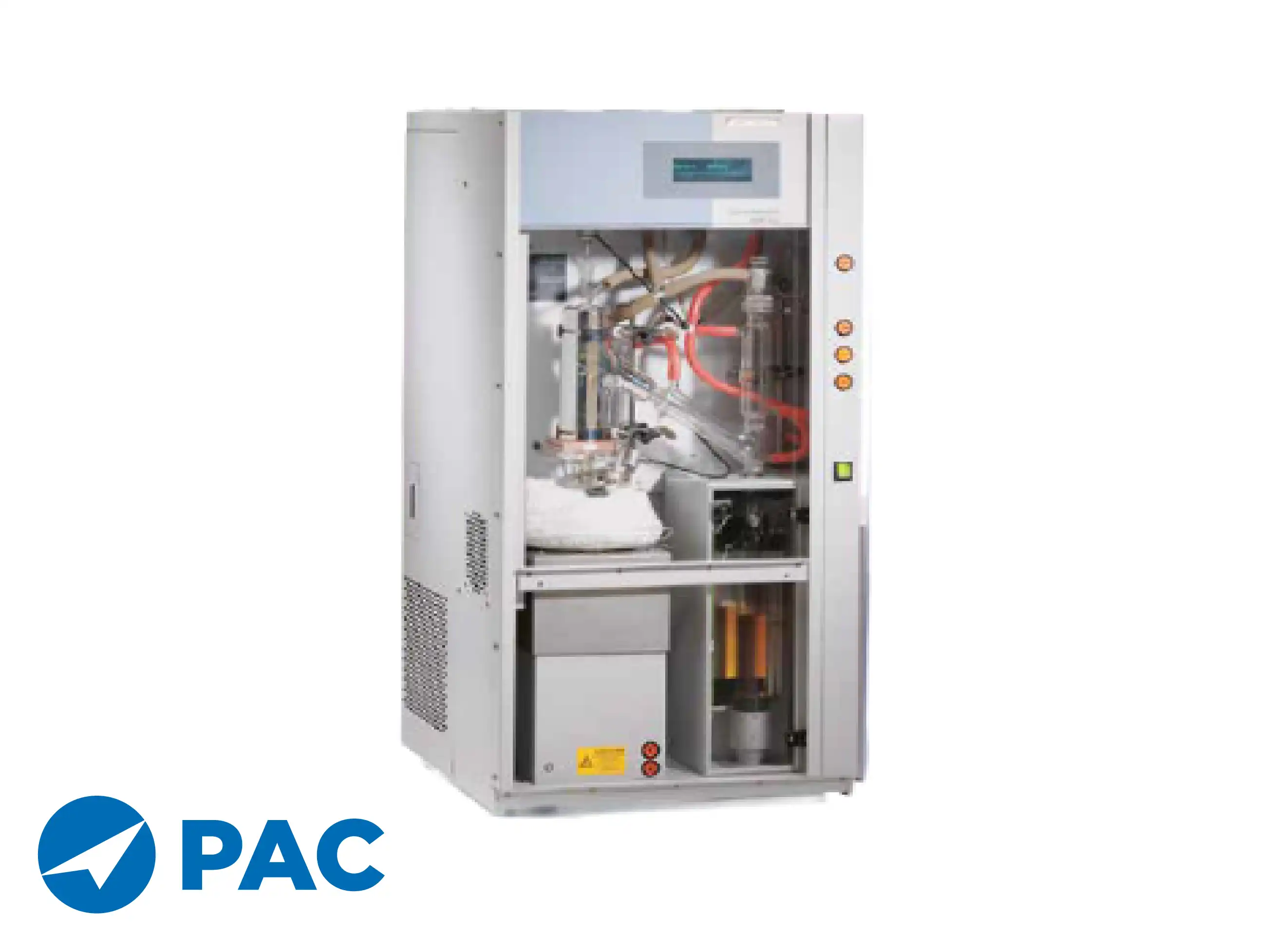
PAC Vacuum Distillation
Vacuum distillation is an essential analytical process for determining the boiling range characteristics of petroleum fractions that have high boiling points and cannot be distilled under atmospheric pressure. It allows the evaluation of lubricating oils, heavy gas oils, residues, and specialty hydrocarbon products with exceptional accuracy and reproducibility.
The technology operates by reducing the ambient pressure inside the distillation chamber, lowering the boiling temperature of heavy samples to prevent thermal cracking or decomposition. This enables precise measurement of distillation behavior for materials that are thermally sensitive or have high molecular weights.
Fundamentals of Vacuum Distillation for Heavy Fractions
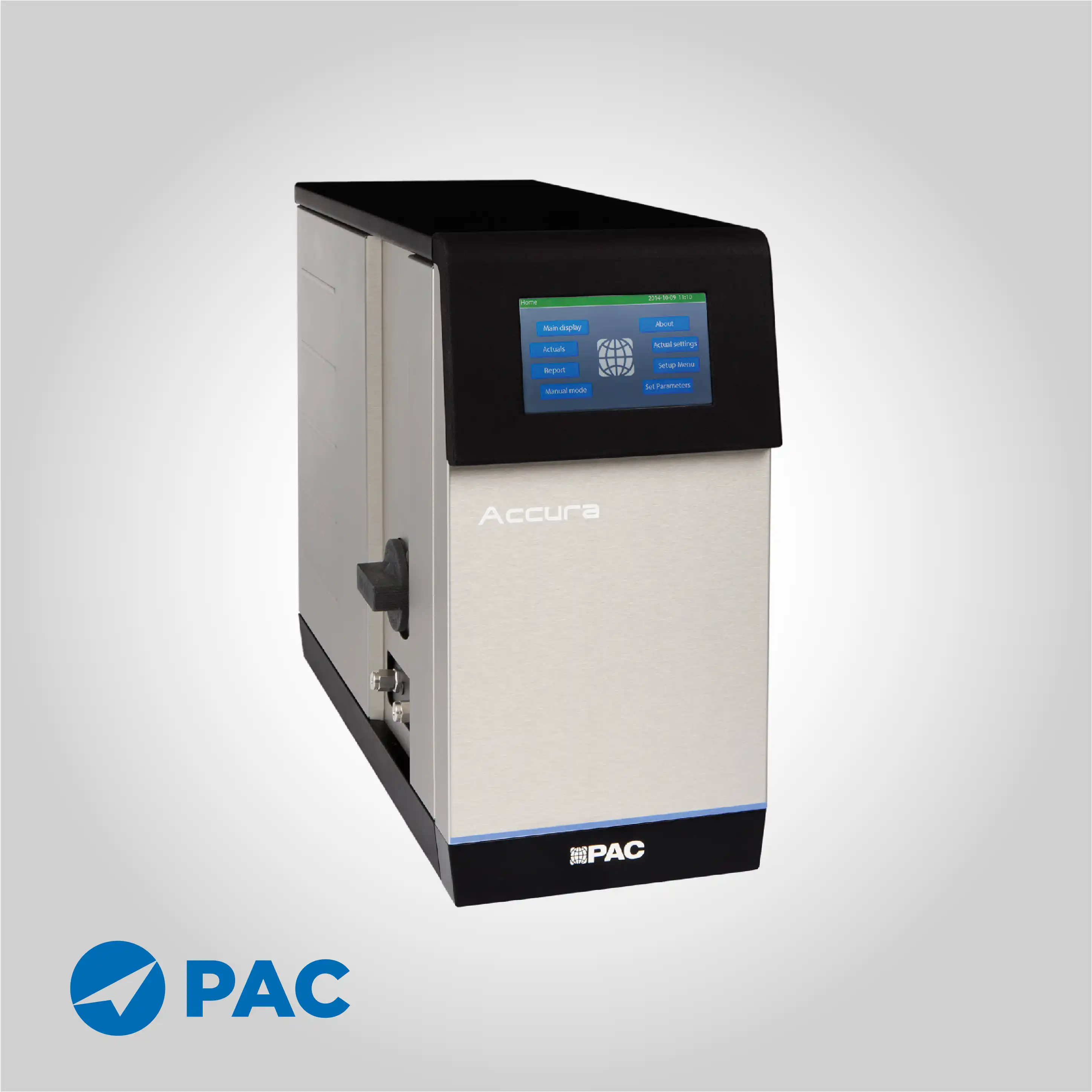
Vacuum distillation is a critical technical process used to characterize heavy petroleum fractions that would otherwise decompose if distilled at atmospheric pressure. By significantly reducing the internal pressure of the system, the boiling points of these heavy hydrocarbons are lowered, allowing for separation without thermal cracking. The PAC HDV 632 is specifically engineered to perform this delicate operation, providing essential data for vacuum gas oils, lubricating base stocks, and heavy fuel oils. This analysis is vital for refineries to determine the true boiling range of their heaviest streams.
Precise Vacuum Regulation and Control
The technical core of the HDV 632 is its advanced vacuum control system, which maintains a highly stable and precise pressure throughout the distillation run. According to the ASTM D1160 standard, the instrument must sustain vacuum levels as low as 1 mmHg (torr). The HDV 632 utilizes a high-precision electronic vacuum regulator and a robust pump to minimize pressure fluctuations. This stability is crucial because even minor changes in vacuum pressure can lead to significant errors in the calculated Atmospheric Equivalent Temperature (AET), directly impacting the accuracy of the distillation curve.
Automated Distillation Sequence and Process Monitoring
To eliminate human error and ensure repeatability, the HDV 632 features a fully automated distillation sequence. Once the sample is loaded and the parameters are set, the instrument manages the initial evacuation, the heating ramp, and the detection of the initial boiling point (IBP). Technically, the system monitors the vapor temperature and the recovered volume in real-time. This automation ensures that the complex relationship between temperature, pressure, and volume is recorded with 100 % consistency, providing a standardized distillation profile for every sample.
Integrated Cooling and Thermal Management
Effective thermal management is essential in vacuum distillation to prevent the condensation of heavy vapors in unintended areas. The HDV 632 incorporates an integrated cooling system that manages the temperature of the condenser and the receiver chamber. Technically, this allows for the precise collection of the distillate at the specified temperatures required by international standards. The system is designed to handle high-viscosity samples, ensuring that the distillate remains fluid enough for accurate volume measurement while preventing the loss of light ends.
High-Precision Vapor Temperature Measurement
The accuracy of the distillation curve depends heavily on the precision of the vapor temperature measurement. The HDV 632 utilizes a high-resolution Pt100 resistance temperature detector (RTD) positioned at the neck of the distillation flask. This sensor provides real-time data with a high degree of sensitivity. The instrument's microprocessor then applies the necessary corrections to convert the observed vapor temperature into the Atmospheric Equivalent Temperature (AET) based on the instantaneous vacuum pressure, ensuring that the results are comparable to atmospheric distillation data.
Compliance with ASTM D1160 and Global Standards
The HDV 632 is technically optimized to comply strictly with the ASTM D1160 test method. This standard is the global benchmark for the distillation of petroleum products at reduced pressures. By adhering to the specific flask dimensions, heating rates, and vacuum protocols defined in D1160, PAC ensures that the data generated is legally and commercially valid for the global petroleum trade. This compliance is essential for quality control laboratories that must verify the specifications of heavy distillates for downstream processing or final product sales.
Safety Systems and Environmental Protection
Given the high temperatures and low pressures involved, the HDV 632 is equipped with multiple technical safety layers. These include automatic over-temperature shut-off, flask breakage detection, and a safety shield to protect the operator. The system also features an automated "cool down" cycle at the end of the test to ensure the distillation flask can be handled safely. These safety protocols allow for unattended operation in busy laboratory environments, reducing the risk of fire or equipment damage during the distillation of flammable heavy oils.
Digital Data Management and LIMS Integration
The technical data produced by the HDV 632 is managed through a sophisticated software interface that provides full traceability. The system records the complete distillation curve, including vacuum levels and temperature profiles, for every run. This digital data can be seamlessly integrated into a Laboratory Information Management System (LIMS), facilitating automated reporting and long-term data storage. This connectivity ensures that refineries can easily access historical distillation data for trend analysis, process optimization, and regulatory auditing.
Read More About PAC Products Here
.webp)
.webp)



.webp)


.webp)

.webp)