




Heater Tube Scanner
|
Precise, Non-Destructive Fuel Tube Analysis
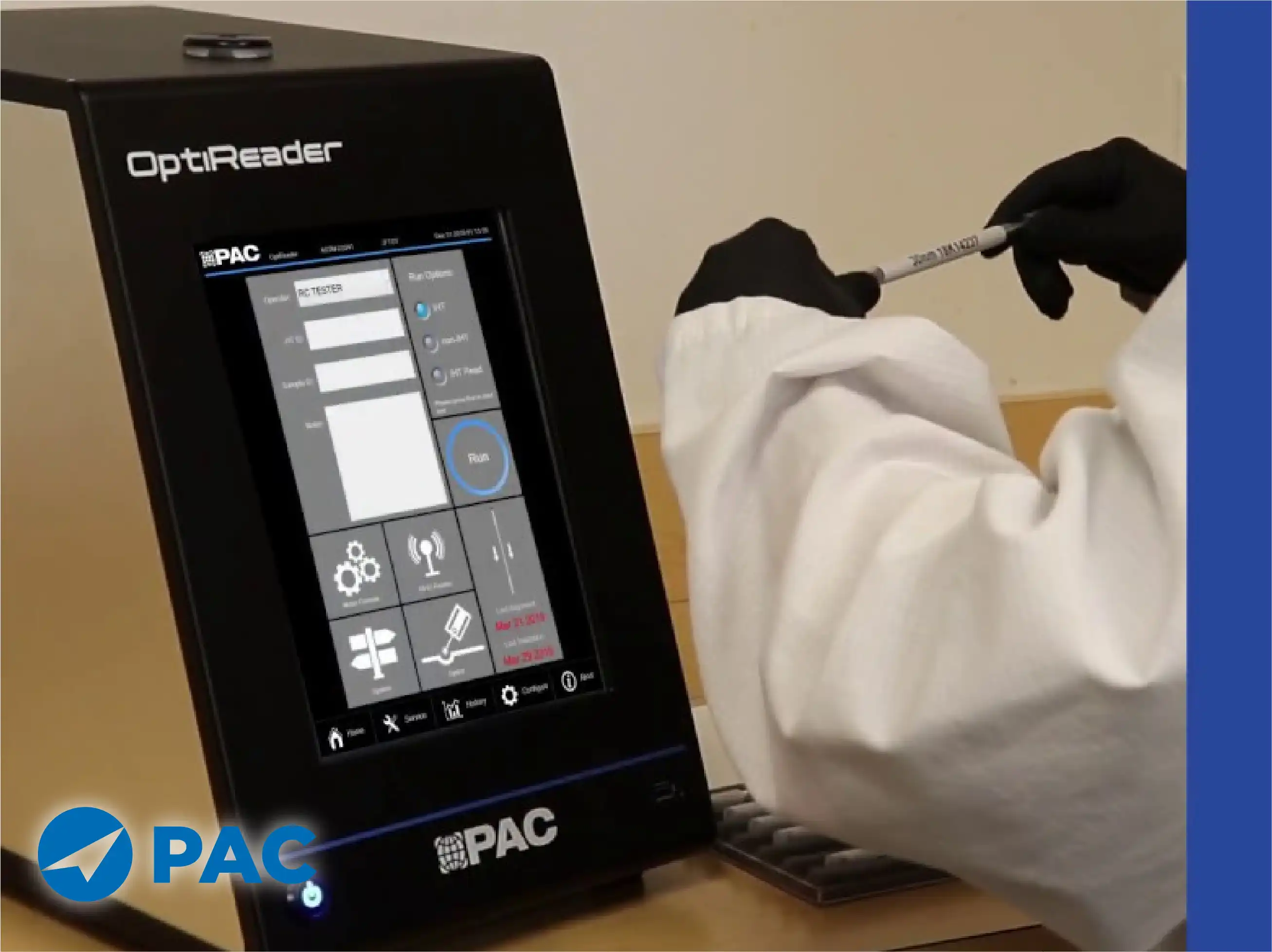
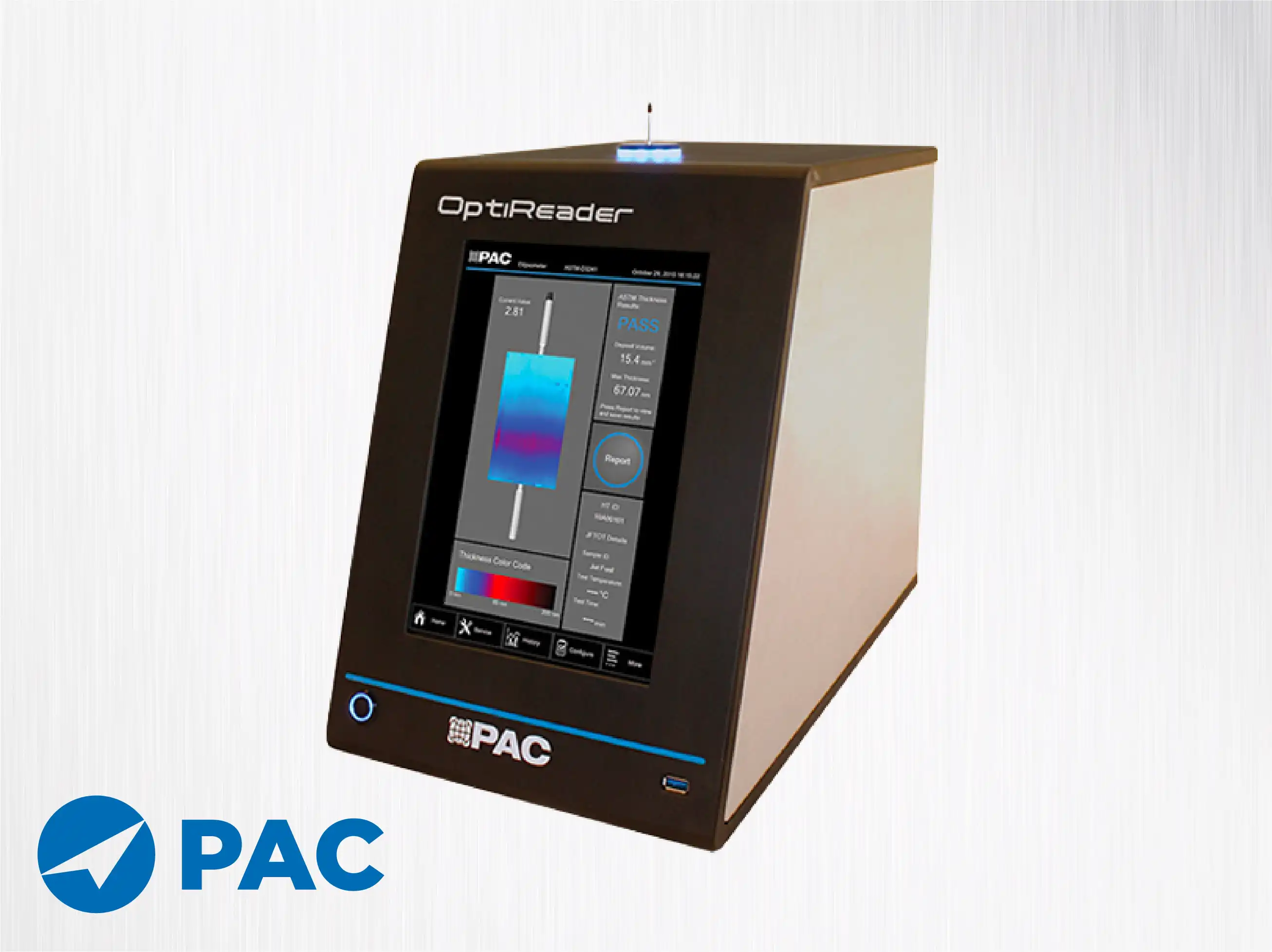
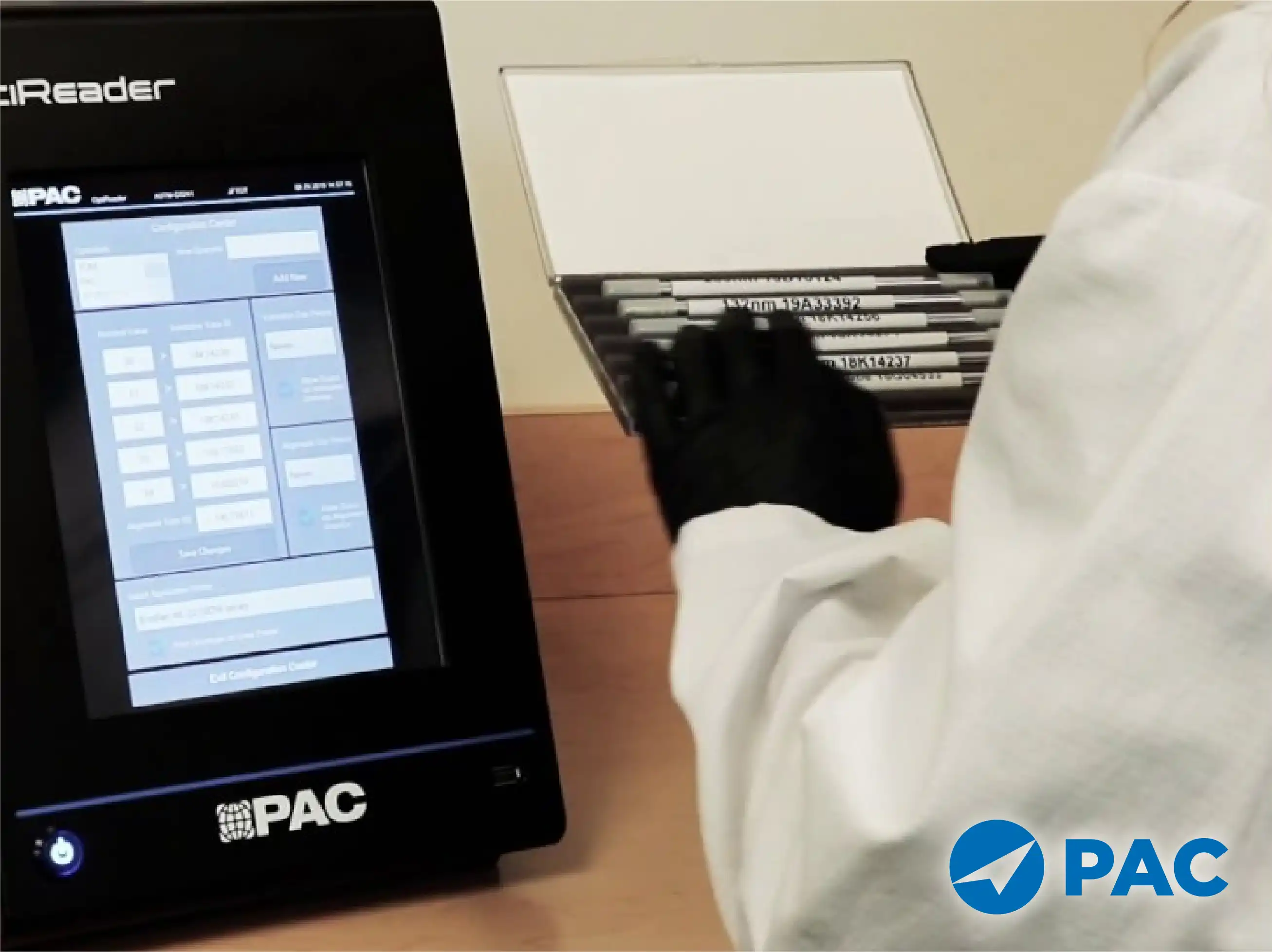
PAC Heater Tube Scanner
Heater Tube Scanning is an essential diagnostic process used to evaluate the internal condition of fuel heater tubes in refining and petrochemical operations. These tubes are exposed to extreme temperatures and complex hydrocarbon flows, leading to fouling, coking, and oxidation over time. Through high-precision scanning, the system provides non-destructive measurement of deposit thickness, corrosion patterns, and surface degradation, ensuring early detection of performance issues.
The technology is built around advanced optical and imaging sensors that deliver high-resolution mapping of tube interiors. The scanning process captures detailed measurements of tube geometry, wall integrity, and deposit accumulation with micrometer accuracy. This allows engineers to visualize and quantify changes over time, identify hot spots or areas of accelerated wear, and establish accurate baselines for predictive maintenance programs.
Objective Quantification of Thermal Oxidation Deposits
The PAC OptiReader is technically designed to provide an objective, automated rating of deposits formed on heater tubes during jet fuel thermal stability tests. Traditionally, this process relied on visual rating using a color scale, which is highly subjective and prone to operator error. The OptiReader eliminates this variability by using advanced multi-wavelength optical sensors to quantify the thickness and volume of deposits. This transition from qualitative to quantitative analysis ensures that fuel quality decisions are based on repeatable, scientific data rather than human perception.
Multi-Wavelength Sensor Technology
The core of the OptiReader’s technical performance is its multi-wavelength sensor array. This system scans the entire surface of the heater tube, measuring the light absorbance and reflectance at various points. By analyzing the spectral data, the instrument can differentiate between various types of deposits and accurately calculate the deposit thickness in nanometers. This level of precision is critical for identifying the onset of fuel degradation that might be invisible to the naked eye but significant for high-performance aviation turbines.
Full 360-Degree Surface Mapping
Unlike manual methods that only inspect a fraction of the tube, the OptiReader performs a complete 360-degree scan of the heater tube surface. Technically, this involves rotating the tube while a linear sensor array moves along its axis. This dual-axis motion results in a comprehensive "map" of the deposit distribution. This full-surface characterization is essential because deposits are rarely uniform; the ability to identify localized "hot spots" or peak deposit thickness provides a much more accurate assessment of the fuel's thermal stability.
Integration with ASTM D3241 and JFTOT
The OptiReader is specifically engineered to complement the JFTOT (Jet Fuel Thermal Oxidation Tester) and is strictly aligned with the ASTM D3241 standard method. This standard governs the thermal oxidation stability of aviation turbine fuels. By utilizing the OptiReader as the primary rating tool, laboratories can ensure that their results are fully compliant with the latest regulatory requirements. The instrument's software automatically translates the physical measurements into a standardized rating, facilitating seamless integration into existing aviation fuel certification workflows.
High-Resolution Interferometry for Thickness Measurement
For advanced analysis, the OptiReader utilizes high-resolution interferometry to measure deposit thickness. Technically, this involves analyzing the interference patterns of light reflecting off the deposit surface and the underlying tube metal. This non-destructive technique allows the instrument to resolve deposit layers down to the nanometer scale. This precise measurement of "deposit volume" is a superior technical metric compared to simple color-based ratings, as it directly correlates with the physical amount of material formed during the oxidation process.
Automated Calibration and System Validation
To maintain the highest level of accuracy, the OptiReader features an automated calibration and validation routine. The system uses certified reference tubes with known deposit characteristics to verify the performance of the optical sensors and the mechanical drive system. This technical self-check ensures that the instrument remains within its specified tolerance levels. Automated validation is a key requirement for laboratories operating under ISO 17025 or other rigorous quality management systems, providing an immutable record of instrument performance.
Sophisticated Data Visualization and Reporting
The OptiReader software provides powerful data visualization tools, including 2D and 3D deposit maps. Technically, these maps allow the user to visualize the intensity and location of deposits across the entire heater tube. The software automatically calculates the average and maximum deposit thickness and generates a comprehensive report that can be exported to a Laboratory Information Management System (LIMS). This digital reporting eliminates manual data entry errors and provides a detailed historical record for auditing and research purposes.
Impact on Aviation Safety and Fuel Research
Technically, the precision provided by the OptiReader has a direct impact on aviation safety and fuel research. By providing more accurate data on how fuels degrade at high temperatures, researchers can better evaluate the effectiveness of antioxidant additives and the performance of new synthetic fuel blends. In refinery quality control, the ability to detect subtle shifts in thermal stability allows for proactive process adjustments. Ultimately, the OptiReader ensures that only fuels meeting the highest stability standards are supplied to the aviation industry, reducing the risk of engine deposit issues.
Read More About PAC Products Here
.webp)
.webp)



.webp)


.webp)

.webp)