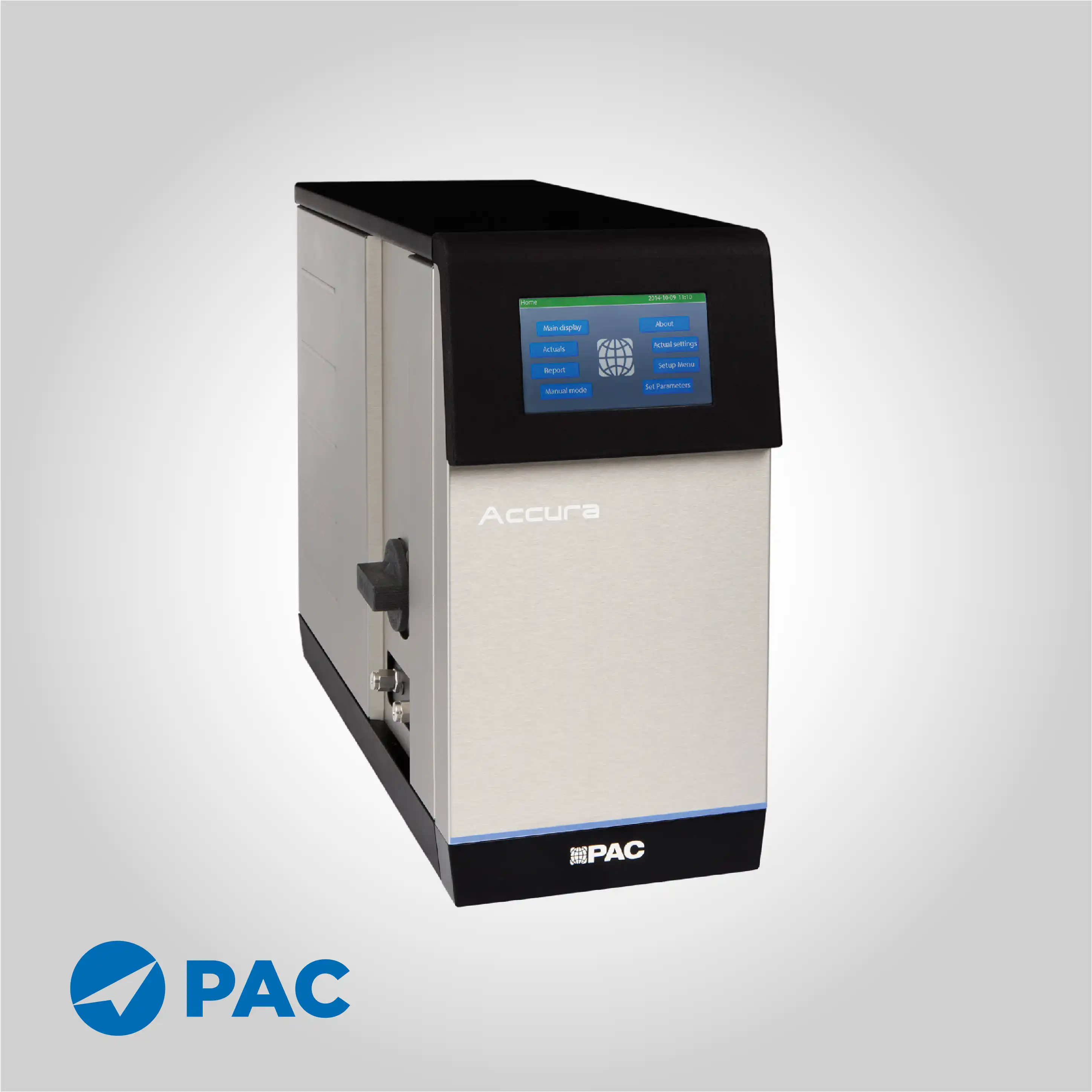

PAC Gas Chromatography Systems
|
For LPG and Light Hydrocarbon Testing
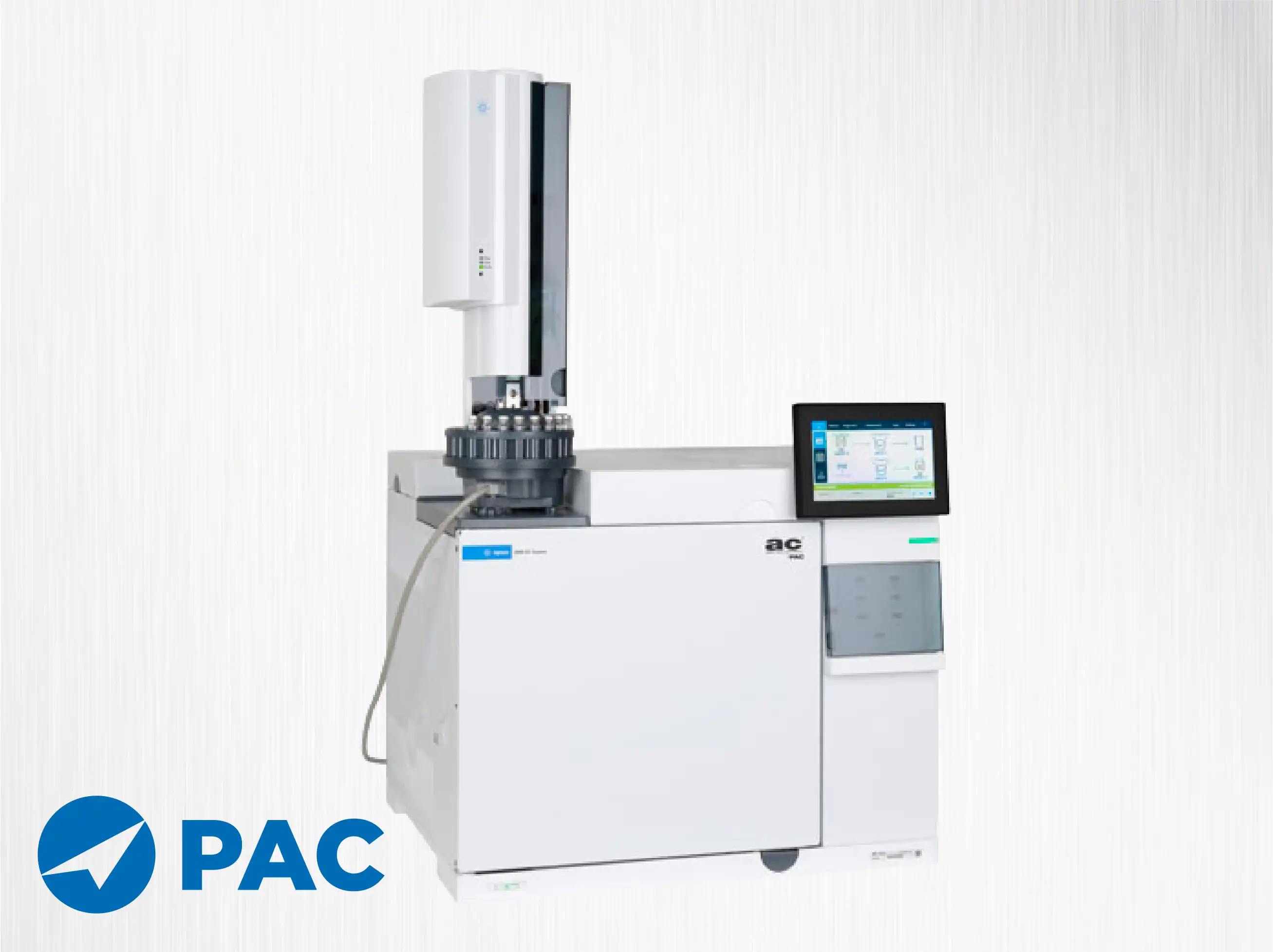
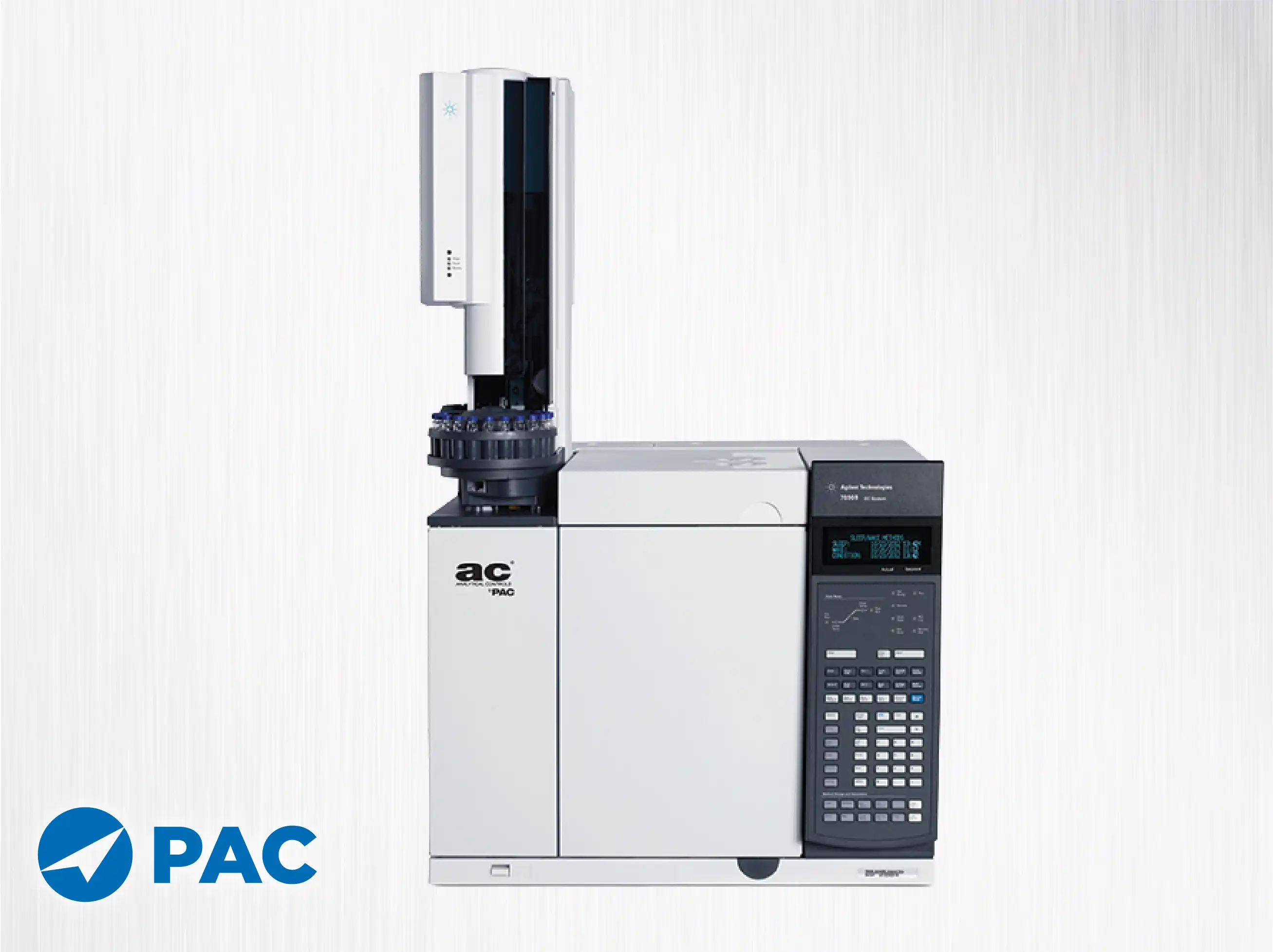
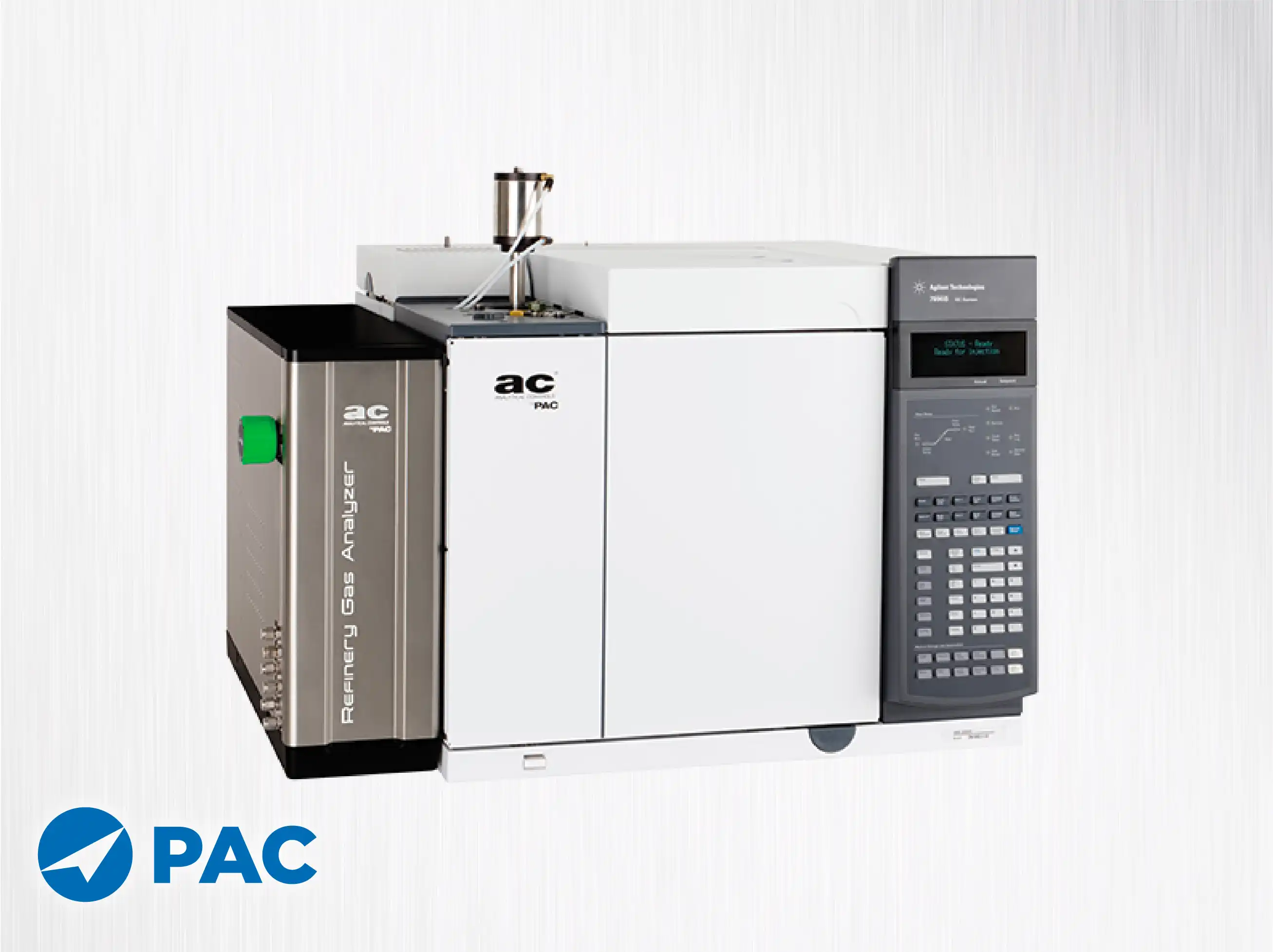
PAC GC Testing Systems
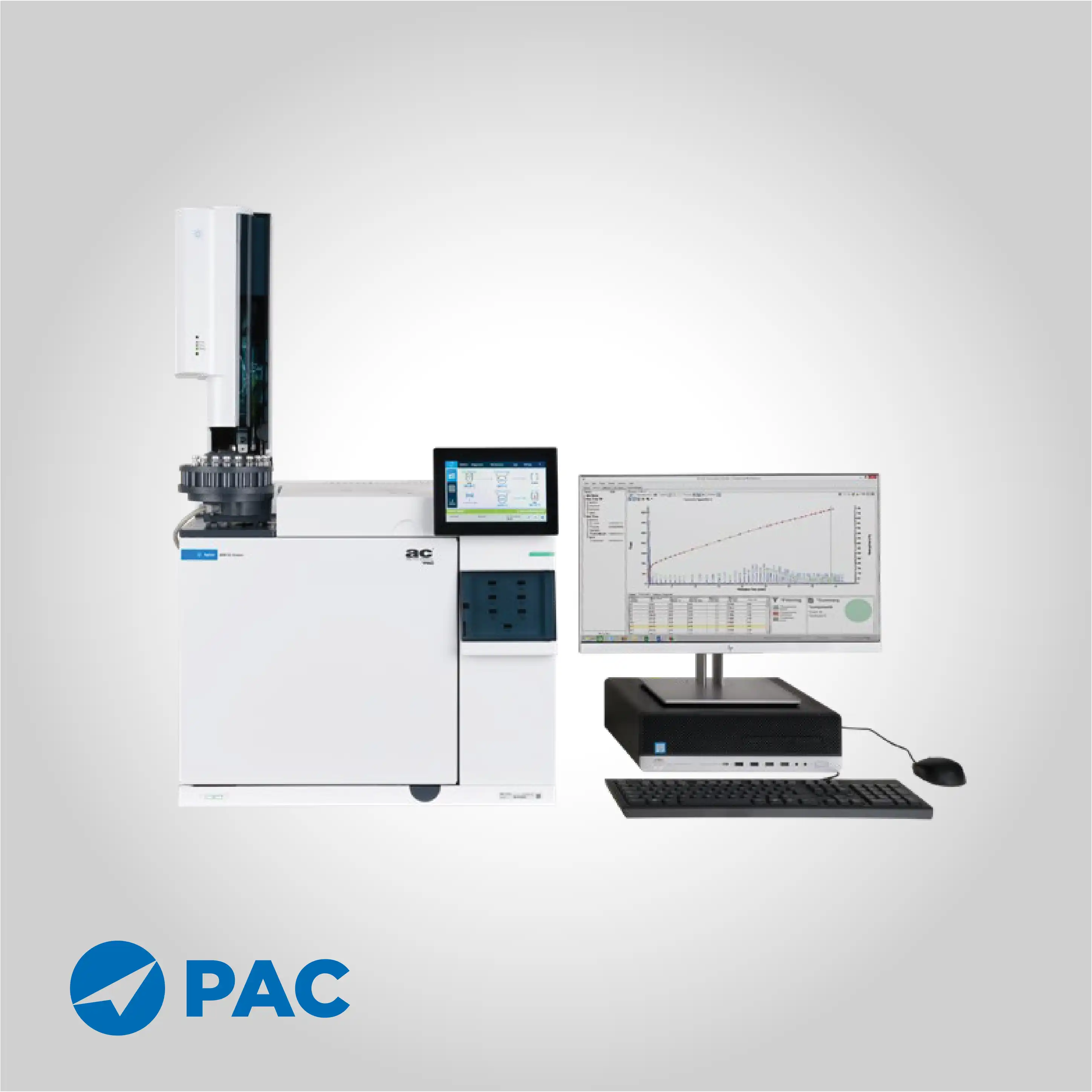
Gas Chromatography (GC) Testing Systems from PAC are designed for accurate and repeatable determination of hydrocarbon compositions in liquefied petroleum gases (LPG) and light hydrocarbons, in full compliance with ASTM D2504, D2505, and related international standards. These systems provide highly reliable results for identifying and quantifying components such as propane, butane, and lighter fractions in gaseous and liquefied samples.
Built with a focus on analytical precision, the GC system utilizes an advanced chromatographic column configuration optimized for hydrocarbon separations. The instrument delivers outstanding peak resolution and sensitivity, allowing laboratories to detect trace components with high accuracy. Each measurement ensures complete separation of hydrocarbons with minimal baseline noise, ensuring consistent and reproducible data for process control and quality assurance.
Multi-Dimensional Chromatography and Heart-Cutting
The technical hallmark of PAC GC systems is the ability to perform multi-dimensional separations. Technically, this involves the use of multiple columns with different stationary phases connected via high-precision switching valves. This allows for "heart-cutting," where specific co-eluting fractions from a primary column are diverted to a secondary column for further resolution. This approach is technically essential for identifying trace impurities within complex bulk matrices, ensuring that overlapping peaks do not compromise the accuracy of the compositional analysis.
Advanced Backflush Technology for System Protection
To ensure long-term stability and reduce maintenance, PAC integrates automated backflush technology into its GC configurations. Technically, after the analytes of interest have migrated to the analytical column, the flow in the pre-column is reversed. This vents heavy residues and non-volatile components out of the system before they can contaminate the primary column or the detector. This technical safeguard prevents retention time shifts and protects the stationary phase from degradation, which is vital for high-throughput industrial laboratories.
Simulated Distillation (SimDist) for Boiling Point Distribution
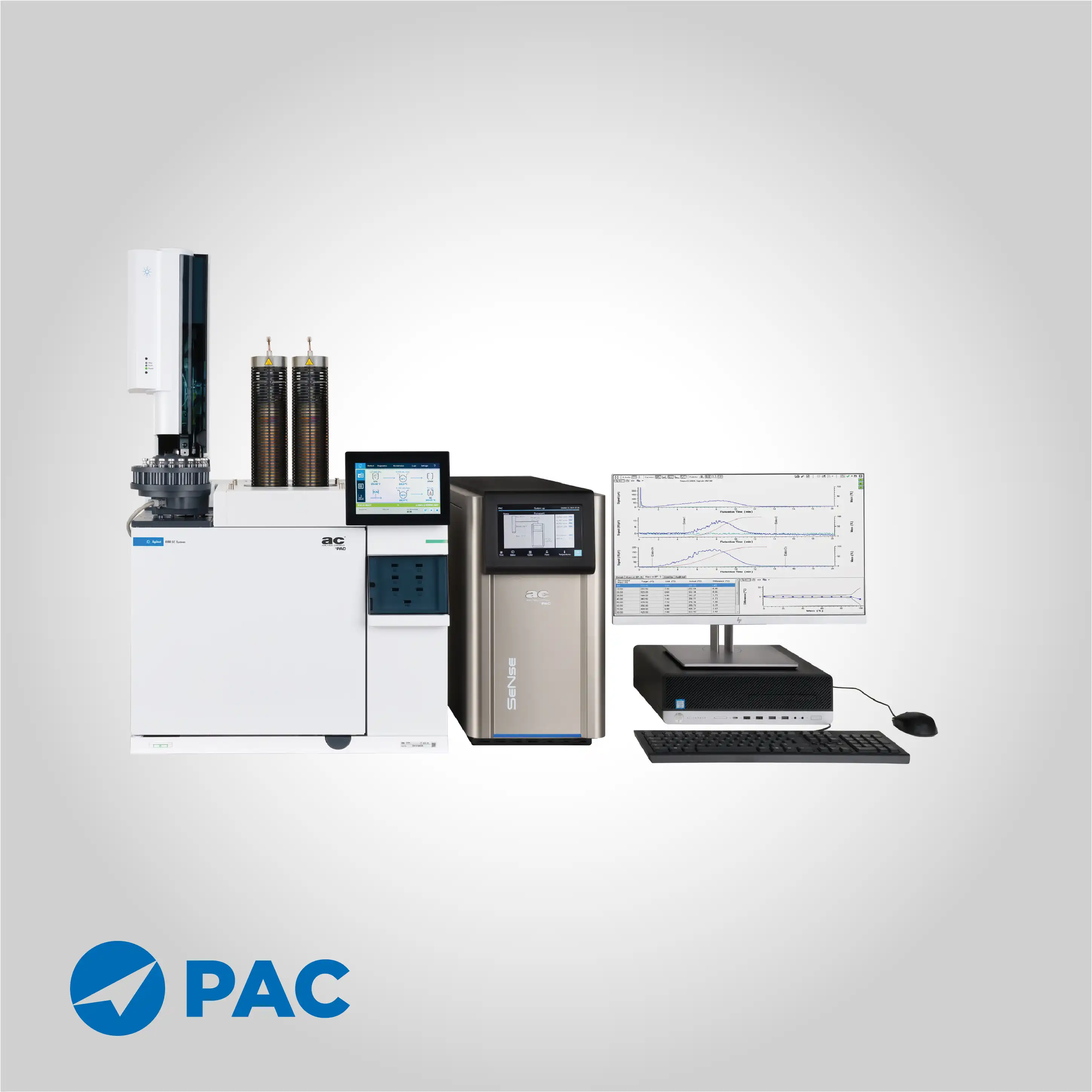
PAC provides technically advanced solutions for Simulated Distillation, which substitutes traditional physical distillation with gas chromatography. Technically, the system determines the boiling point distribution of petroleum fractions by correlating retention times with known boiling points of n-alkanes. This method is technically faster and more precise than atmospheric distillation, providing detailed data on the yield and quality of refinery streams such as crude oil, vacuum gas oils, and residuals in full compliance with global ASTM methods.
Detailed Hydrocarbon Analysis (DHA) for Component Identification
For the characterization of light petroleum streams like naphtha and gasoline, the systems utilize Detailed Hydrocarbon Analysis. Technically, this involves the use of high-resolution capillary columns and specialized software to identify and quantify hundreds of individual hydrocarbon components. The software technically classifies compounds into PIONA groups (Paraffins, Isoparaffins, Olefins, Naphthenes, and Aromatics), providing a comprehensive technical map of the fuel's chemical composition and its predicted performance in combustion engines.
High-Linearity Thermal Conductivity Detection (TCD)
For the analysis of permanent gases such as H2, O2, N2, CO, and CO2, PAC systems utilize high-stability Thermal Conductivity Detectors. Technically, the TCD measures the change in thermal conductivity of the gas stream compared to a reference gas. PAC’s TCD technology is engineered with a micro-volume cell to minimize peak dispersion and maximize sensitivity. This technical precision ensures accurate quantification of non-hydrocarbon gases across a wide dynamic range, which is critical for refinery gas analysis and mass balance calculations.
Precision Oven Control and Temperature Programming
The separation efficiency of a GC system is technically dependent on the stability and accuracy of its oven temperature. PAC systems feature precision-engineered ovens that allow for rapid heating and cooling cycles with minimal thermal gradients. Technically, this enables complex temperature programming that ensures optimal separation of both volatile and high-boiling components. The high-speed cooling capability reduces the time between analytical runs, significantly increasing the technical throughput of the laboratory without sacrificing data quality.
Automated Sample Introduction and Liquid Injection
To eliminate human error, PAC integrates advanced automated sample introduction systems. Technically, these include high-pressure liquid sampling valves and high-speed autosamplers designed to deliver precise, repeatable volumes into the GC inlet. For Liquefied Petroleum Gas (LPG), the system maintains the sample in the liquid phase until the moment of injection. This technical control ensures that the vaporized sample is a true representation of the bulk product, facilitating accurate percent-level and trace-level quantification.
Integrated Software for Compliance and Energy Calculations
PAC GC systems are technically supported by specialized software that automates data processing and reporting. Beyond simple peak integration, the software performs complex calculations such as BTU (British Thermal Unit) content, specific gravity, and vapor pressure according to industry standards. Technically, the software is designed to meet strict data integrity requirements, including audit trails and secure data storage, ensuring that the results are fully traceable and ready for regulatory compliance audits in oil and gas operations.
Read More About PAC Products Here
.webp)
.webp)



.webp)


.webp)