
Home » Products » Separation & NIR Solutions » Separation Instruments » Buchi Spray Drying & Encapsulation Solutions
Spray Drying & Encapsulation Solutions
|
Particle formation for lab scale
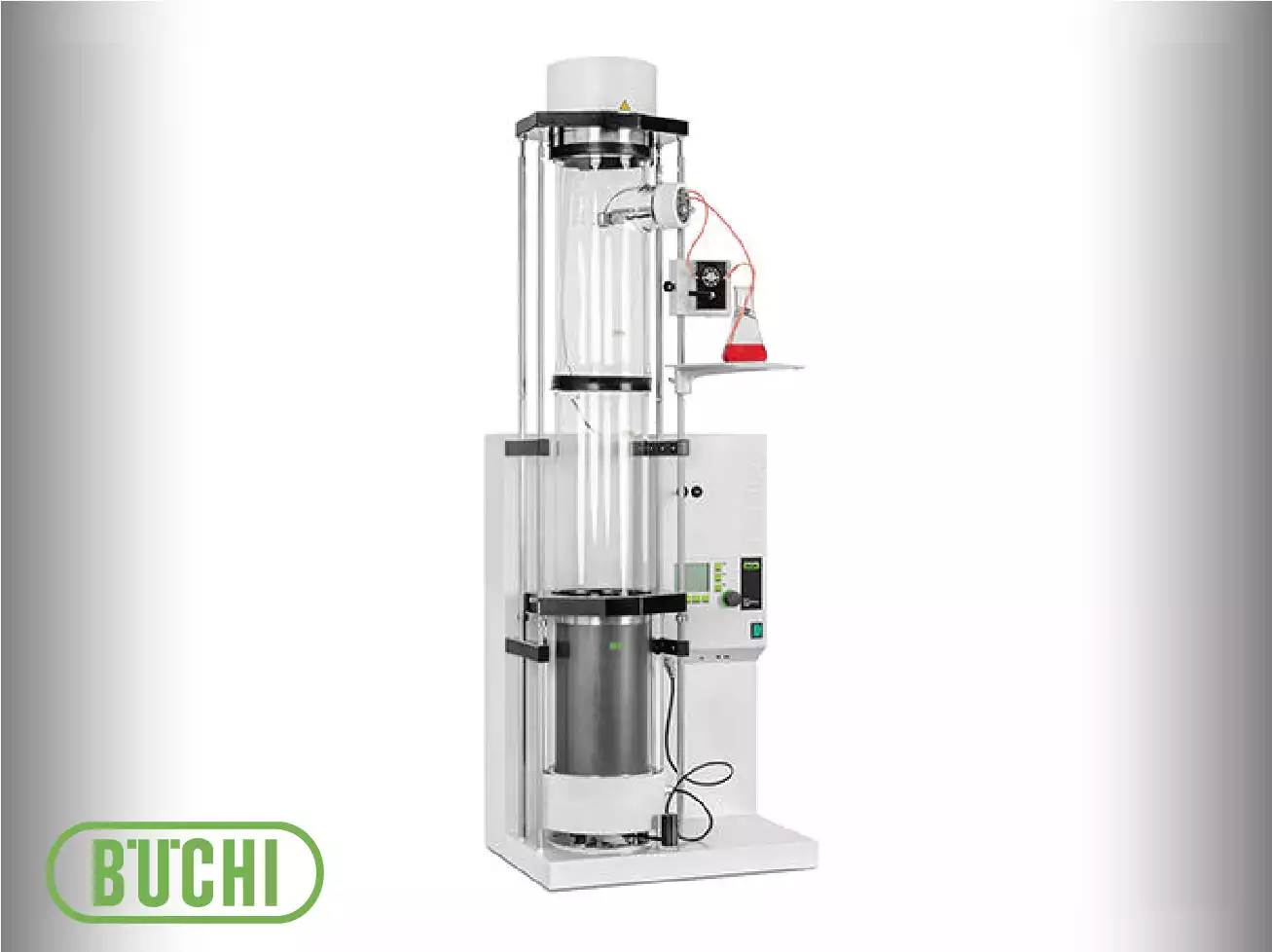
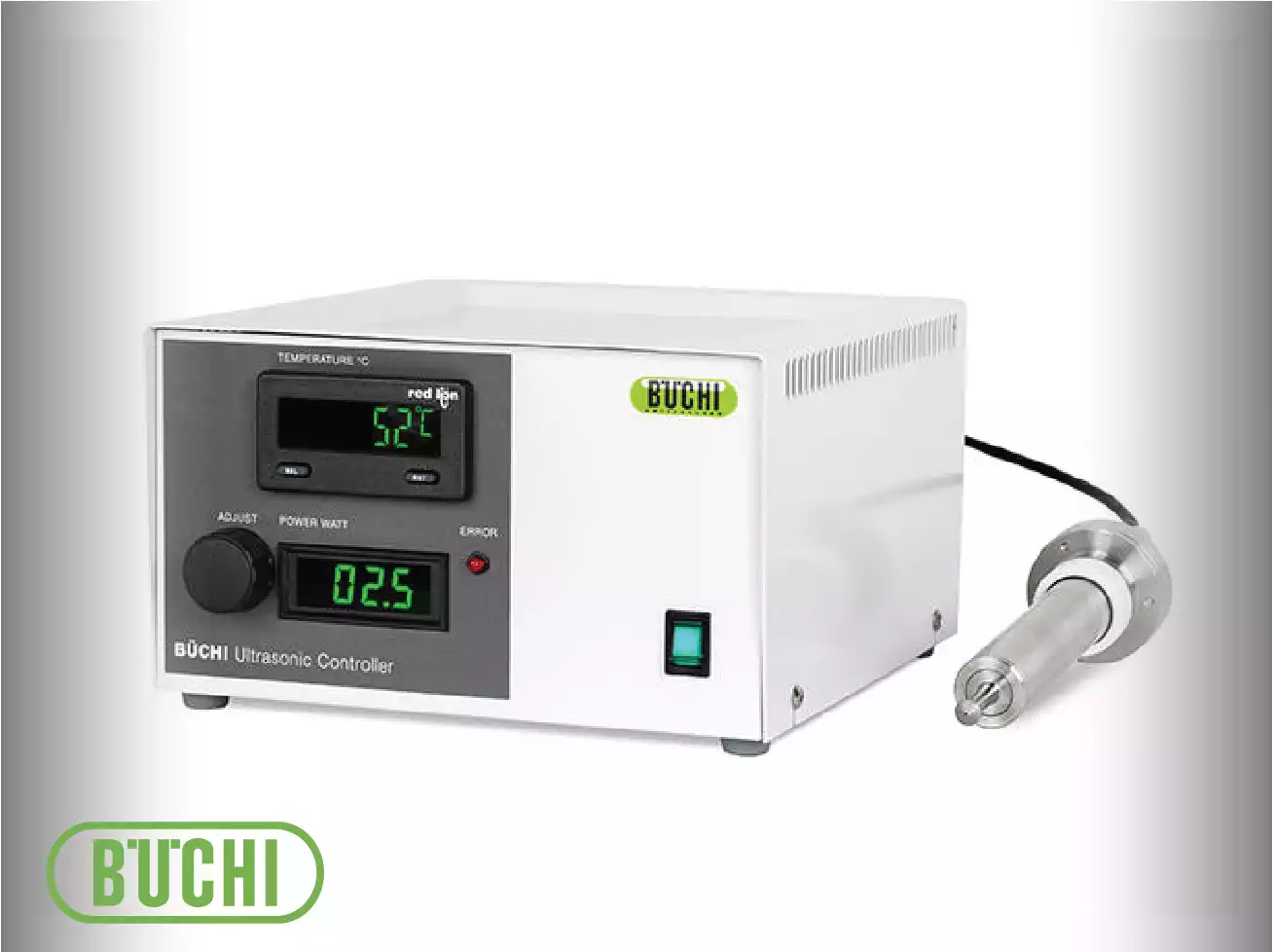
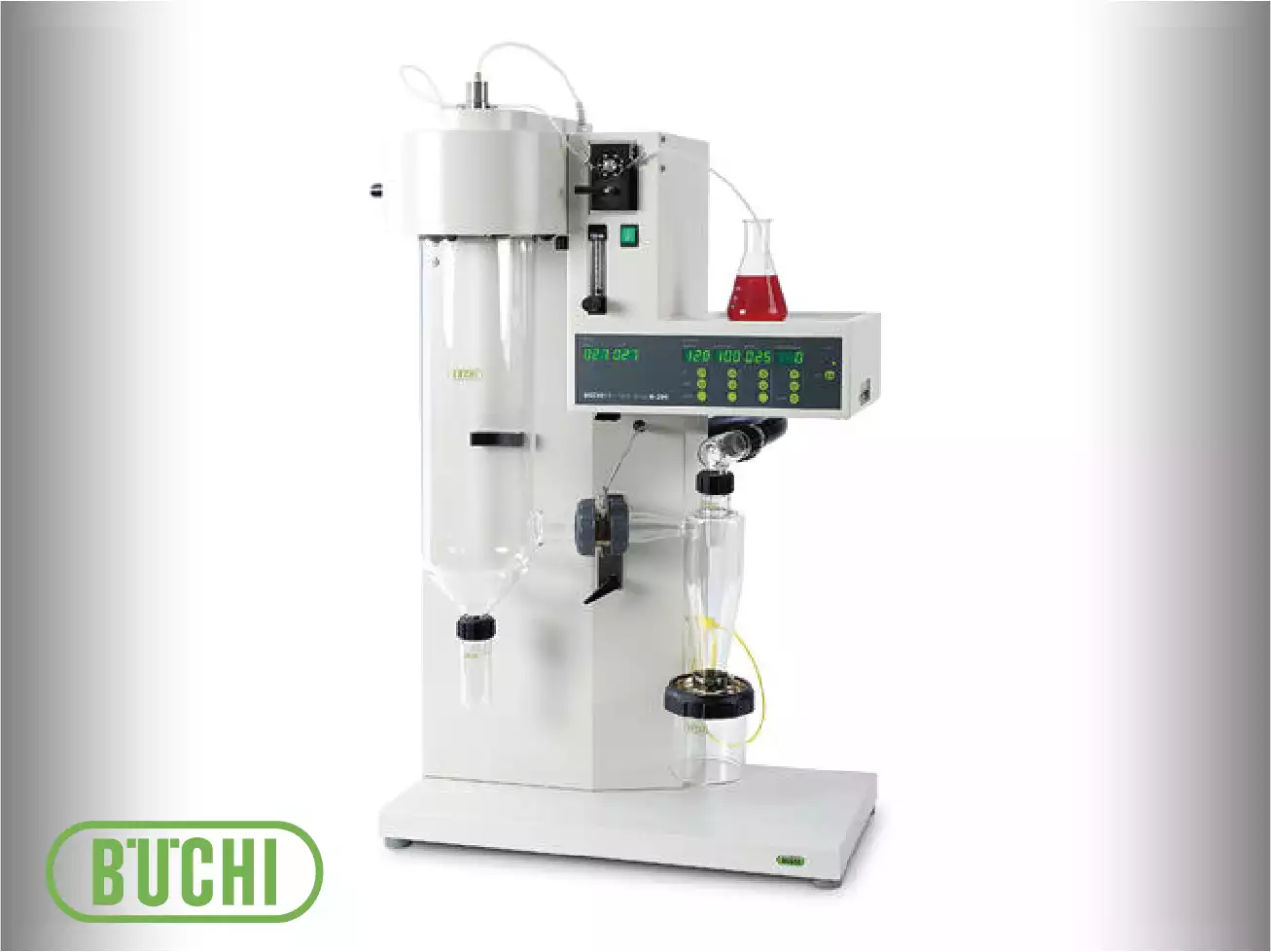
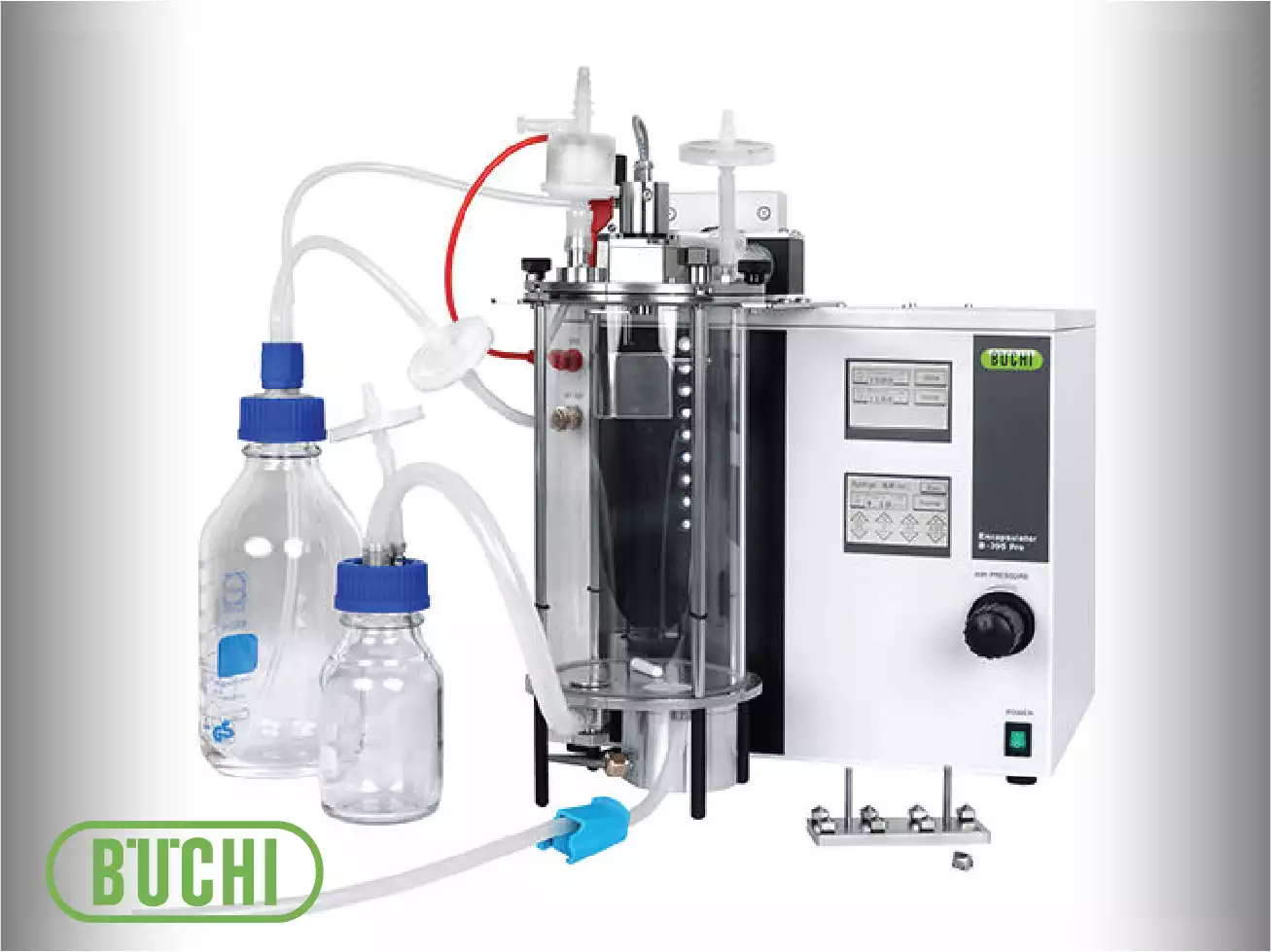
Buchi Spray Drying & Encapsulation Solutions
Buchi’s Spray Drying and Encapsulation solutions are technically engineered to transform liquid formulations into high-quality powders or capsules with precise control over particle morphology and size distribution. The spray drying process utilizes atomization technology to convert a feed solution into a fine spray of droplets, which are rapidly dried by a heated gas stream. This technology is essential for the stabilization of heat-sensitive active ingredients, as the rapid evaporation of the solvent maintains a low particle temperature.
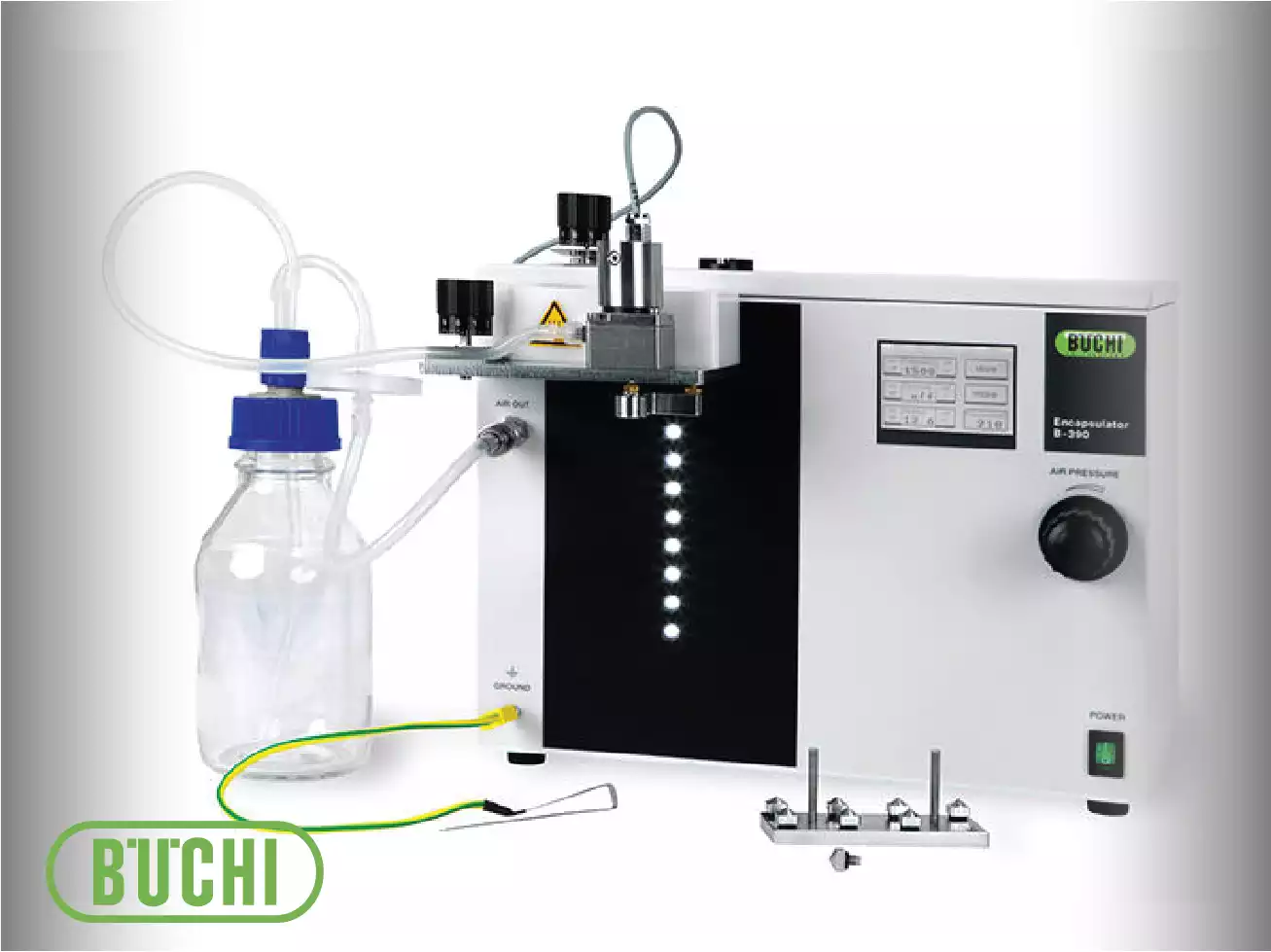
The encapsulation technology complements this by focusing on the creation of uniform beads and capsules through advanced vibration technology and nozzle systems. By applying a controlled frequency to a liquid jet, the system breaks the stream into monodisperse droplets, which can then be solidified into microcapsules. This is a critical technique for controlled release applications, where active ingredients need to be protected from environmental factors or released at specific rates. The integration of co-axial nozzle systems allows for the production of core-shell particles, providing a robust platform for developing advanced drug delivery systems, functional food ingredients, and innovative materials.
Precision Particle Engineering and Size Control
The technical core of spray drying lies in the ability to engineer particles with specific diameters. These systems allow for the production of particles ranging from sub-micron sizes (nano) to several hundred micrometers. By adjusting parameters such as the nozzle diameter, feed concentration, and atomization pressure, researchers can precisely control the particle size distribution. This is critical for pharmaceutical applications where the surface-area-to-volume ratio dictates the dissolution rate and bioavailability of a drug.
High-Efficiency Cyclone Separation Technology
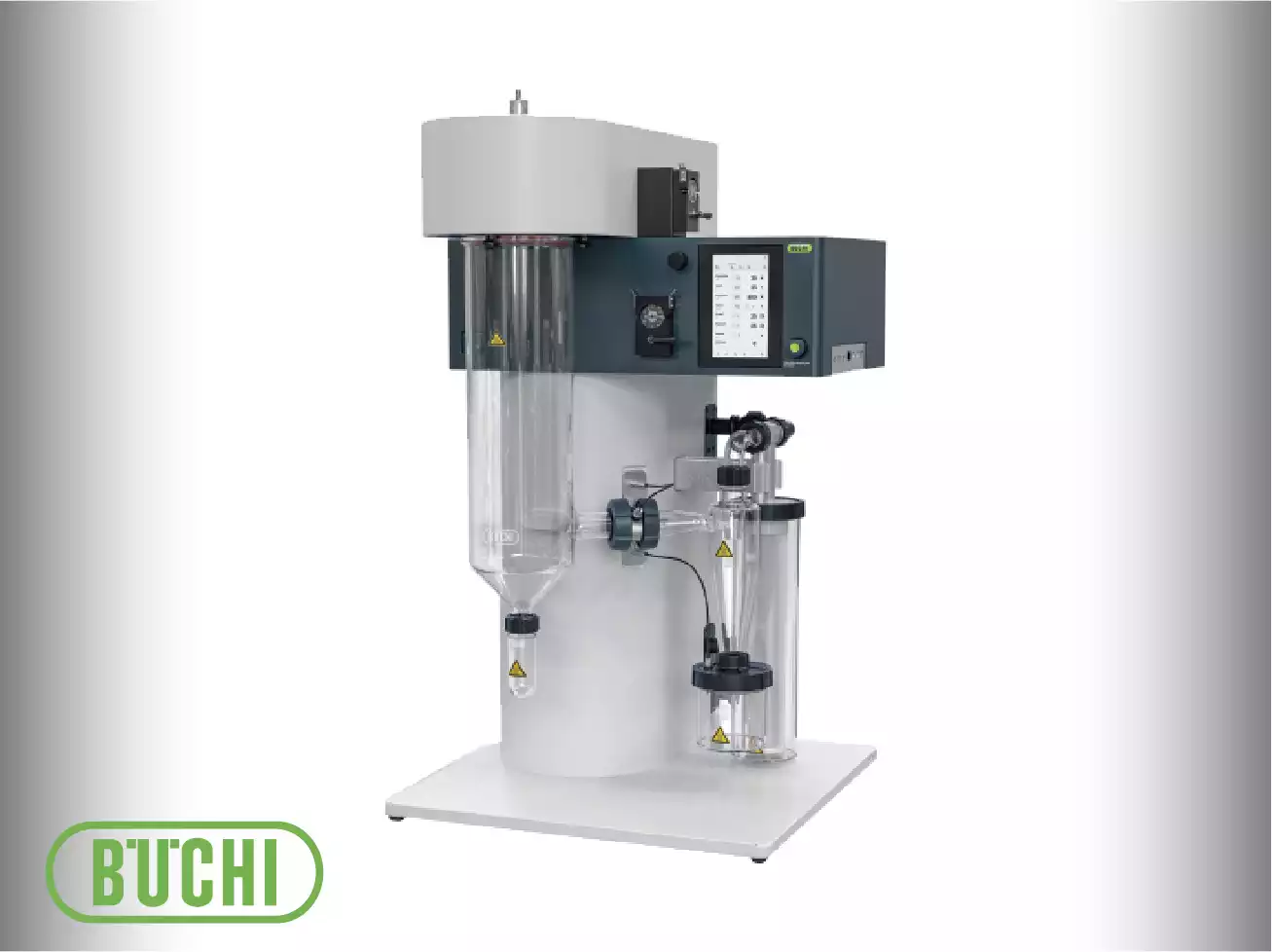
After the droplets are dried in the heating chamber, the resulting dry particles must be separated from the gas stream. Buchi utilizes high-efficiency cyclones designed with specific internal geometries to maximize product recovery. The centrifugal forces within the cyclone drive the solid particles to the walls, where they collect in a specialized vessel. This design is optimized to minimize product loss, especially when working with high-value or limited-quantity materials in a research environment.
Solvent Versatility and Closed-Loop Operation
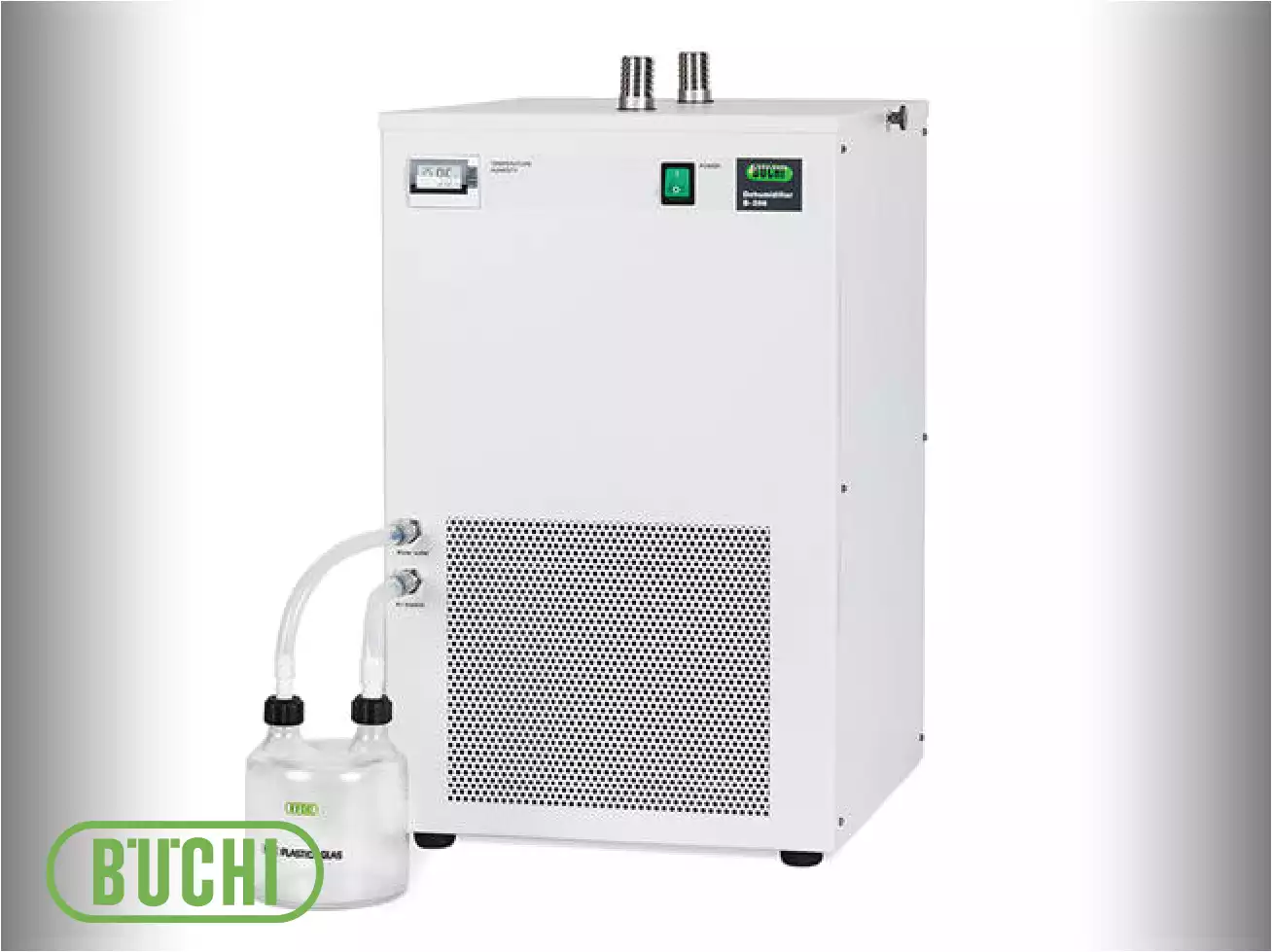
Many advanced formulations involve the use of organic solvents which require safe handling. The spray drying systems can be operated in a closed-loop configuration using an inert gas, such as nitrogen. This configuration incorporates a dedicated condenser to recover the solvents and prevent the release of vapors. This technical setup ensures that oxygen-sensitive materials are protected from oxidation and that flammable solvents are processed within safe, controlled limits.
Advanced Nozzle Technology for Atomization
The atomization stage is facilitated by specialized nozzle systems, including two-fluid nozzles and ultrasonic nozzles. Two-fluid nozzles use compressed air to break the liquid into droplets, whereas ultrasonic nozzles use high-frequency vibrations to generate a fine mist. The choice of nozzle directly influences the initial droplet size and, consequently, the final powder characteristics. These nozzles are engineered to prevent clogging and ensure a consistent flow, even with high-viscosity formulations.
Vibration Technology for Monodisperse Droplets
In encapsulation, achieving uniform particle size is paramount. These systems utilize vibration technology to break a continuous liquid jet into thousands of identical droplets per second. By precisely tuning the frequency and flow rate, the system produces monodisperse particles with a very narrow size distribution. This precision is essential for ensuring consistent dosage in pharmaceutical beads or uniform release profiles in flavor encapsulation for the food industry.
Core-Shell Microencapsulation using Co-axial Nozzles
For complex applications requiring the protection of a core material, co-axial nozzle systems are employed. This setup allows for the simultaneous extrusion of a core material and a shell polymer. As the combined stream enters the vibration chamber, it breaks into droplets where the shell completely surrounds the core. This technique is widely used for masking bitter tastes, protecting sensitive oils from oxidation, or creating dual-release mechanisms in advanced materials.
Process Transparency and Visibility
A distinctive technical feature of these drying and encapsulation instruments is the use of high-quality glass components. The drying chamber and cyclone are typically made of borosilicate glass, providing full visibility of the process. This transparency allows operators to monitor the droplet behavior, identify potential wall deposits in real-time, and optimize the drying parameters (such as inlet and outlet temperatures) to achieve the highest product quality.
Scalability from Laboratory to Pilot Production
The technical design of these systems emphasizes scale-up capability. Methods developed on small-scale laboratory units can be transferred to larger pilot-scale systems because the underlying thermodynamics and fluid dynamics are preserved. This allows for a seamless transition from initial research and development to the production of larger batches, ensuring that the particle characteristics remains consistent throughout the development lifecycle of a product.
Read More About Buchi Products Here.