
Home » Products » Chromatography/Mass Spectrometry » Columns, Consumables and Accessories » GL Sciences HPLC and LC/MS Columns
High-Performance
|
HPLC and LC/MS Columns
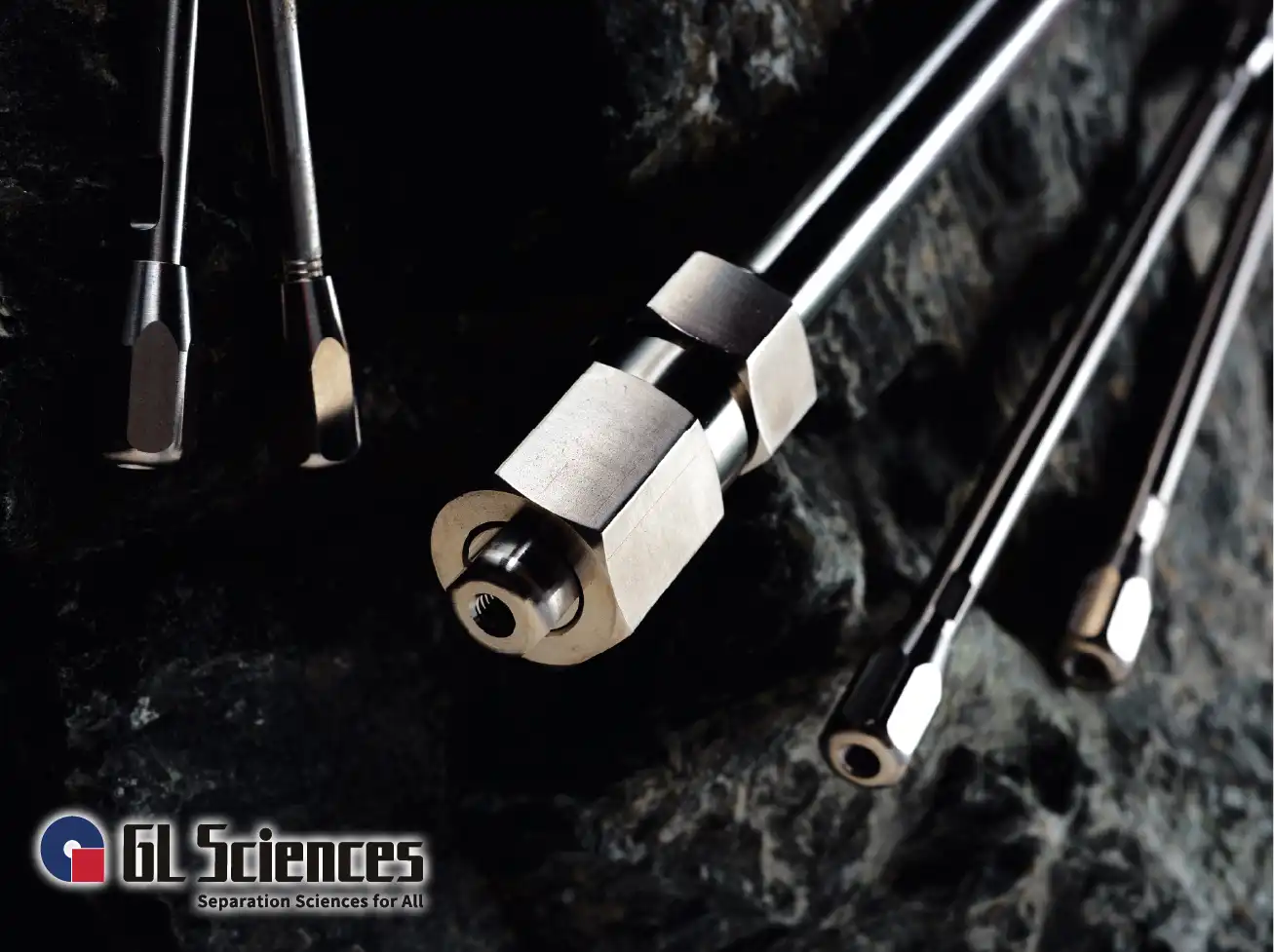
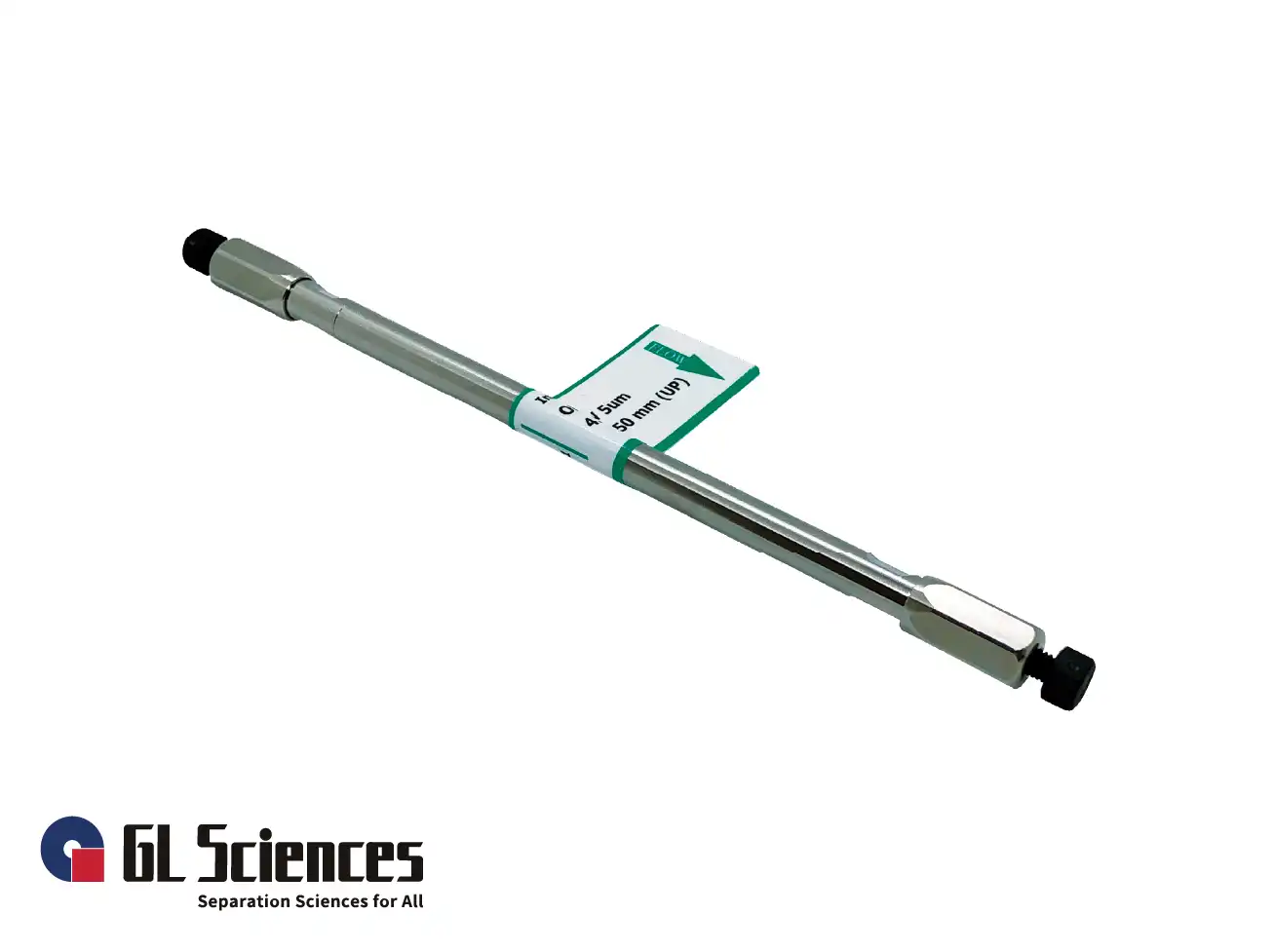
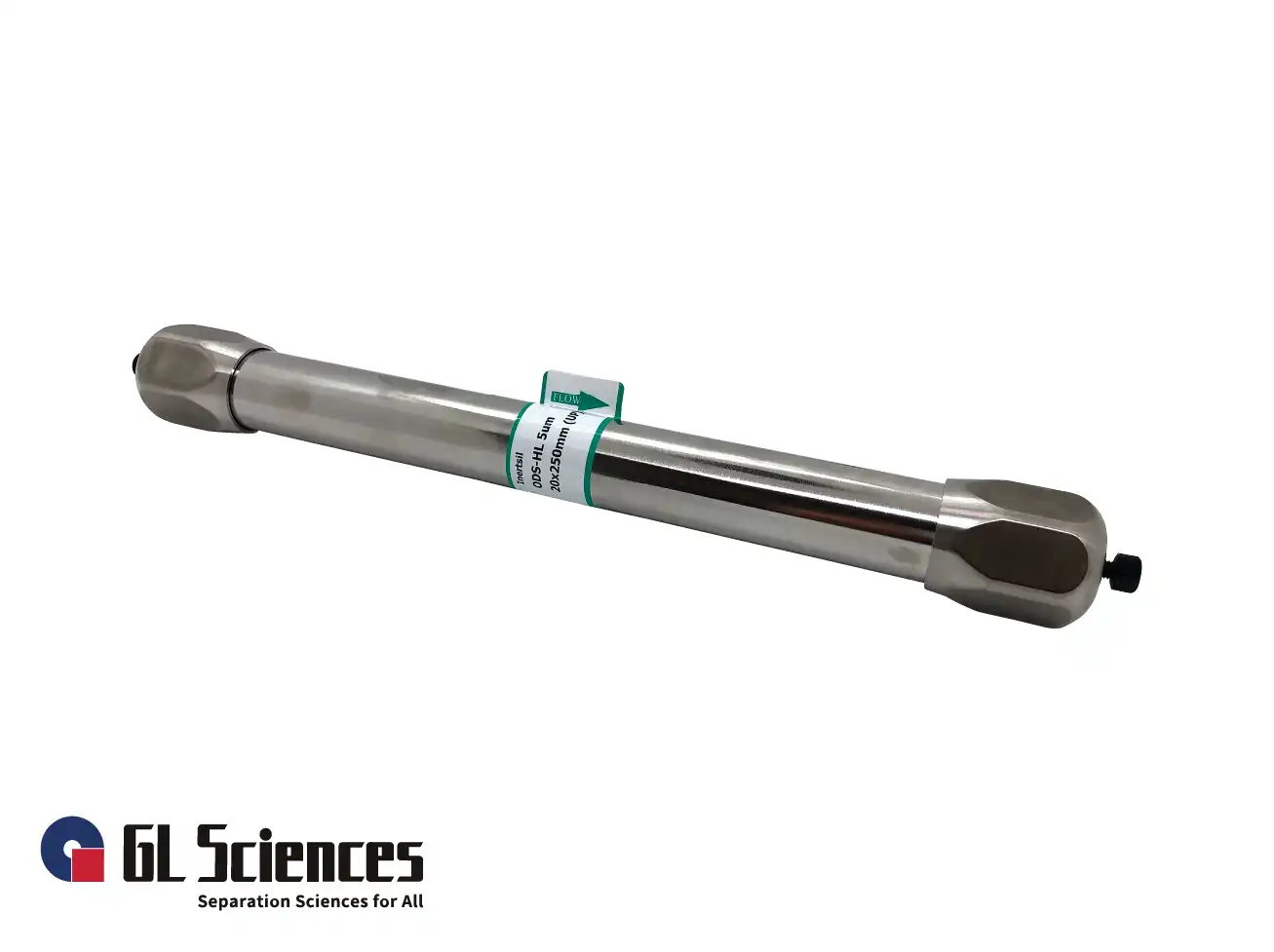
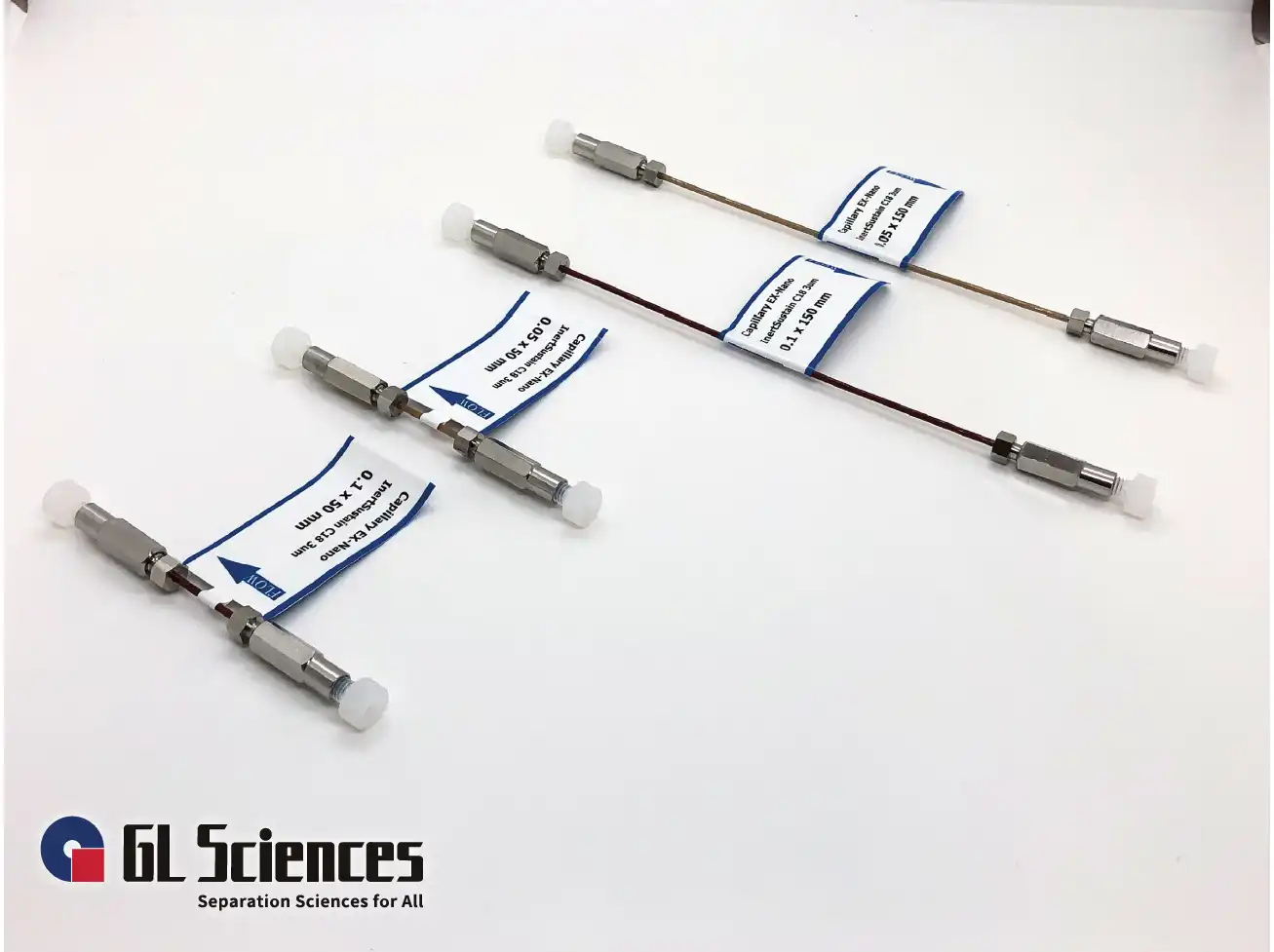

GL Sciences HPLC and LC/MS Columns
Beyond standard reversed-phase separation, the technical evolution of chromatography columns is driven by the need for diverse selectivity and structural longevity. Modern stationary phases, such as Biphenyl or PFP, utilize specific molecular interactions stacking and dipole-dipole moments to resolve isomers that appear identical to conventional C18 chains. Technically, the stability of these phases is maintained through proprietary bonding technologies that prevent stationary phase "collapse" even when using 100% aqueous mobile phases.
This structural resilience, combined with optimized hardware designs that minimize frictional heating, ensures that the column maintains its theoretical plate count and peak symmetry over thousands of injections. By extending the operational window of the column, laboratories can reduce the frequency of recalibration and method re-validation, leading to a more cost-effective and technically robust analytical workflow.
Evolved Surface Silica for Superior Inertness
The core of GL Sciences’ column technology is the "Evolved Surface" (ES) silica gel. Technically, this material is synthesized to eliminate trace metal impurities and minimize residual silanol activity. By creating a highly uniform surface, the ES silica prevents non-specific adsorption of polar and basic molecules. This results in superior peak symmetry and high theoretical plate counts, ensuring that complex mixtures are separated with maximum resolution. The high purity of the base silica is also essential for reducing column bleed, which is a prerequisite for stable baselines in high-sensitivity LC/MS applications.
Advanced End-Capping and Chemical Stability
To protect the silica substrate and enhance column lifetime, a sophisticated end-capping process is applied. Technically, this involves the complete modification of any remaining silanol groups after the primary bonding phase (such as C18) is attached. This process ensures that the column is chemically stable under a wide range of mobile phase conditions, including high-pH alkaline buffers. The resulting stationary phase is resistant to hydrolysis, preventing the loss of bonded groups and maintaining consistent retention times over hundreds of injections in validated pharmaceutical and environmental methods.
Optimized Selectivity for Basic Compound Analysis
Basic compounds often exhibit severe tailing on standard silica columns due to interactions with acidic silanols. GL Sciences columns are technically optimized to provide pure hydrophobic interactions, eliminating these secondary effects. For instance, high-density C18 bonding combined with ultra-inert silica allows basic molecules like amitriptyline and pyridine to elute with sharp, symmetric peaks at neutral pH. This technical capability simplifies method development by reducing the need for ion-pairing reagents or high-concentration buffers that can interfere with MS detection.
High-Efficiency Separations with Small Particle Sizes
The technical range includes columns packed with 1.9 µm, 3 µm, and 5 µm particles to accommodate both conventional HPLC and ultra-high-performance (UHPLC) systems. Small particle columns are technically engineered to provide rapid separations and higher sensitivity by producing narrower peak widths. The precision-controlled packing density ensures that these columns can withstand the high backpressures associated with rapid flow rates, allowing laboratories to increase throughput without compromising the quality of the chromatographic separation or the integrity of the column bed.
Metal-Free Column Hardware for Chelating Analytes
For analytes containing phosphate groups or carboxyl groups that are prone to metal coordination, GL Sciences offers metal-free column hardware. Technically, this hardware utilizes a PEEK (Polyether ether ketone) liner within a stainless steel jacket. This ensures that the sample only comes into contact with bio-inert materials, preventing the adsorption of chelating compounds like ATP or certain pesticides. By eliminating metal-analyte interactions, these columns provide higher recovery rates and more accurate quantification for trace-level LC/MS analysis.
Specialized Phases for Polar and Planar Molecules
Beyond reversed-phase C18, the technical portfolio includes Biphenyl and PFP (Pentafluorophenyl) phases. PFP phases offer unique selectivity for halogenated compounds and positional isomers. These specialized stationary phases allow chromatographers to achieve baseline separation for complex samples that cannot be resolved using traditional octadecyl columns, providing a critical tool for metabolomics and forensic science.
Monolithic Silica Columns for High Permeability
In addition to particle-packed columns, GL Sciences provides monolithic silica technology. Technically, monolithic columns consist of a single, continuous silica skeleton with a bimodal pore structure (macropores and mesopores). This architecture allows for very high flow rates at low backpressures, which is technically advantageous for high-speed analysis on conventional HPLC systems. The high permeability of the silica skeleton also makes these columns ideal for proteomics and large molecule separations, where the rapid mass transfer within the pores enhances resolution.
Lot-to-Lot Reproducibility and Quality Control
Technically, the reliability of an analytical method depends on the consistency of the column from one batch to the next. GL Sciences implements a rigorous "Quality Assurance" protocol where every lot of silica is tested for physical properties and chromatographic performance. Parameters such as retention factors (k'), theoretical plates (N), and peak asymmetry are measured using standardized test mixtures. This ensuring that a method developed on one column will yield identical results on a new column, which is a fundamental technical requirement for long-term stability in regulated laboratory environments.
Click here for more information about GL Sciences range of products