
Home » Products » Chromatography/Mass Spectrometry » Columns, Consumables and Accessories » GL Sciences SPE Columns
SPE Columns
|
Advanced Phase Chemistry for Selective Sample Enrichment
.webp)
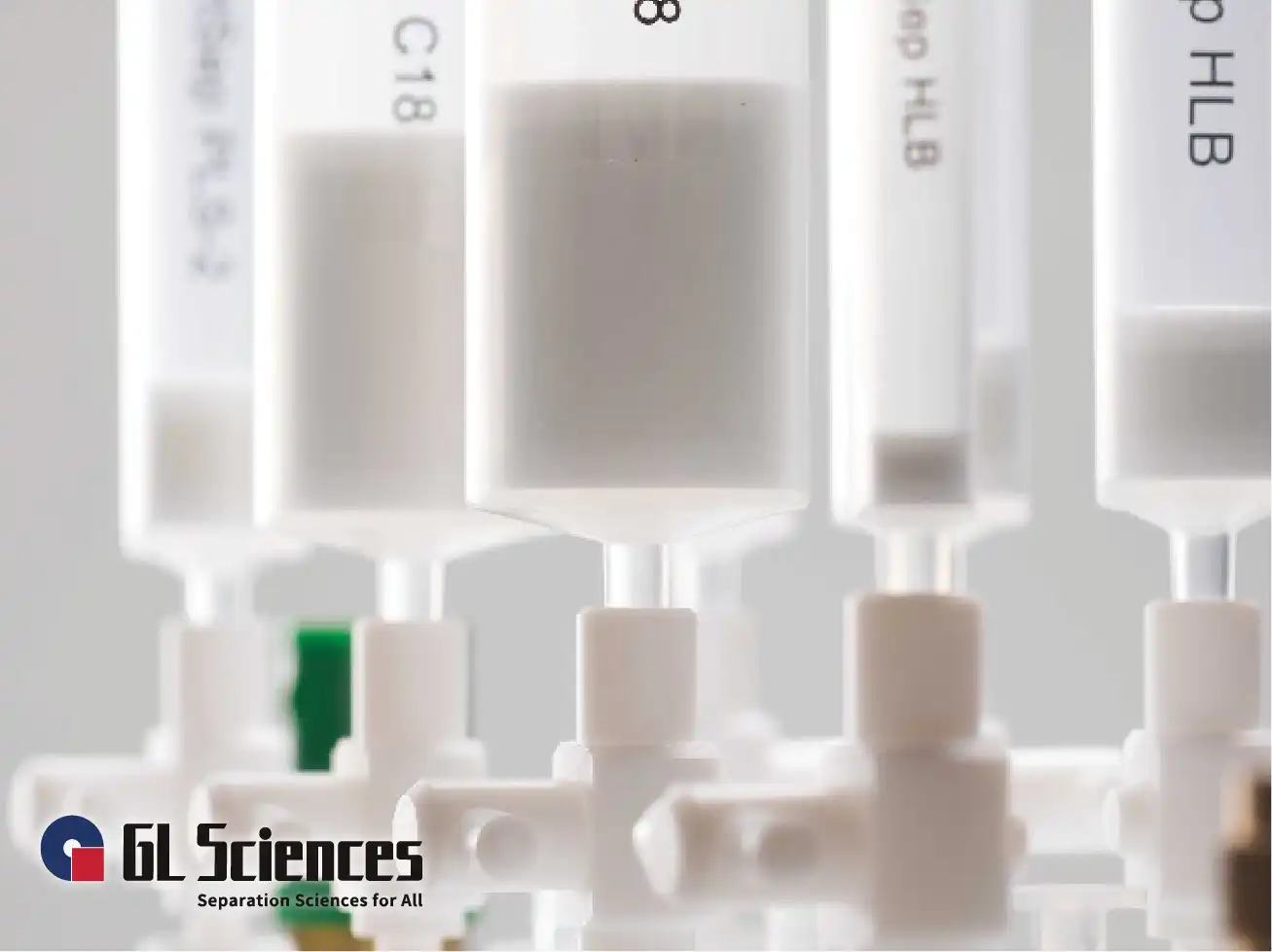
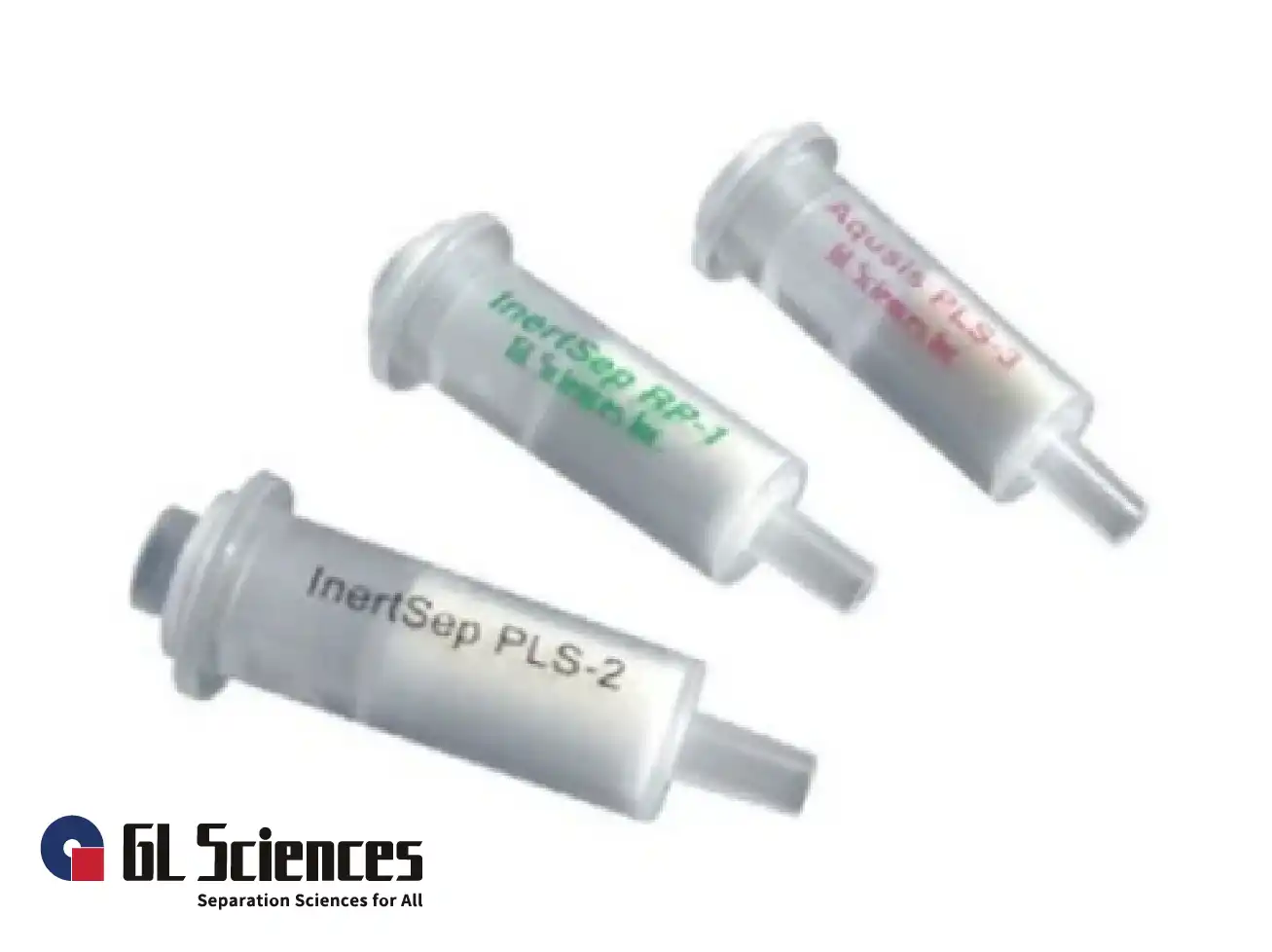
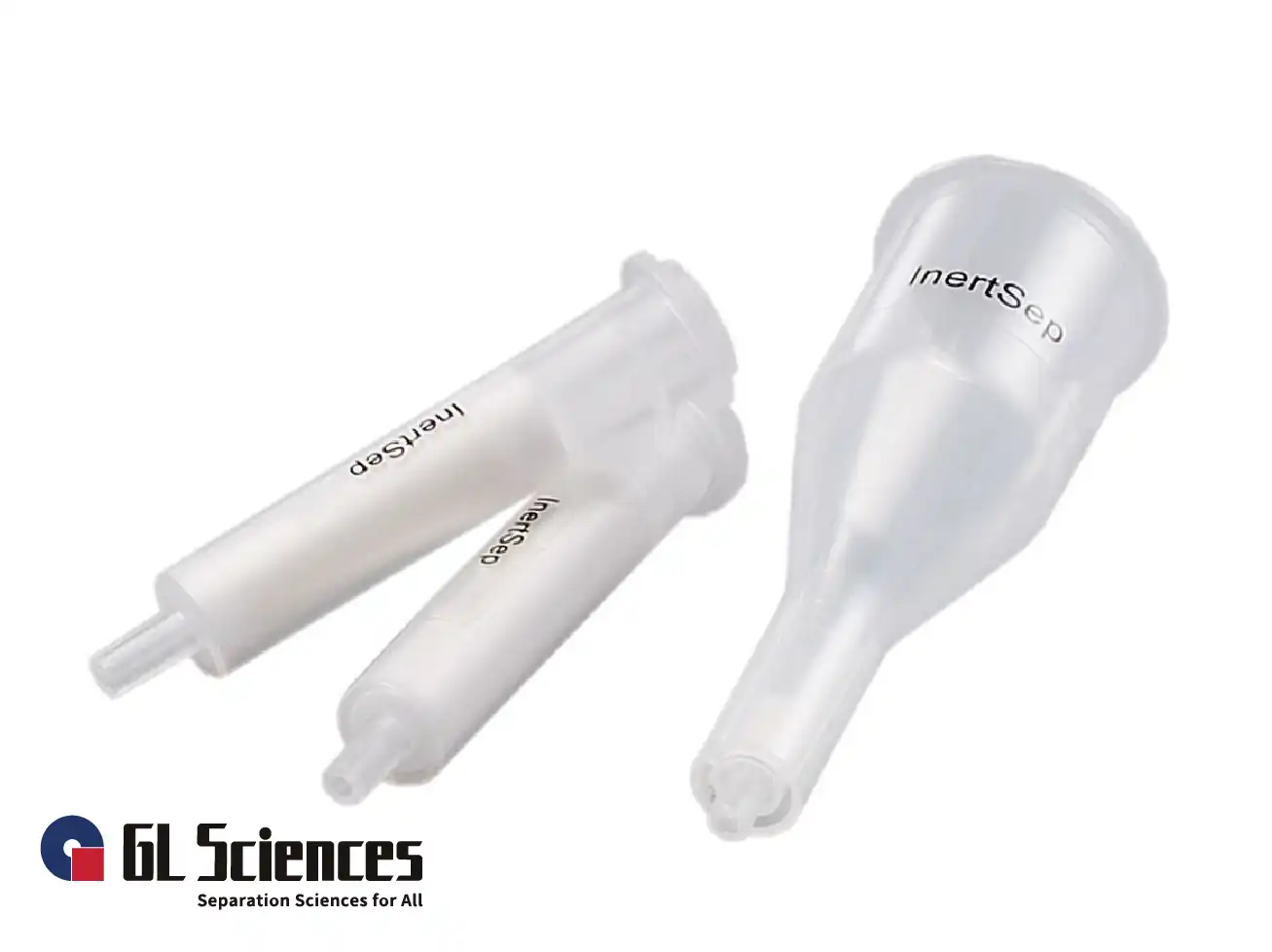
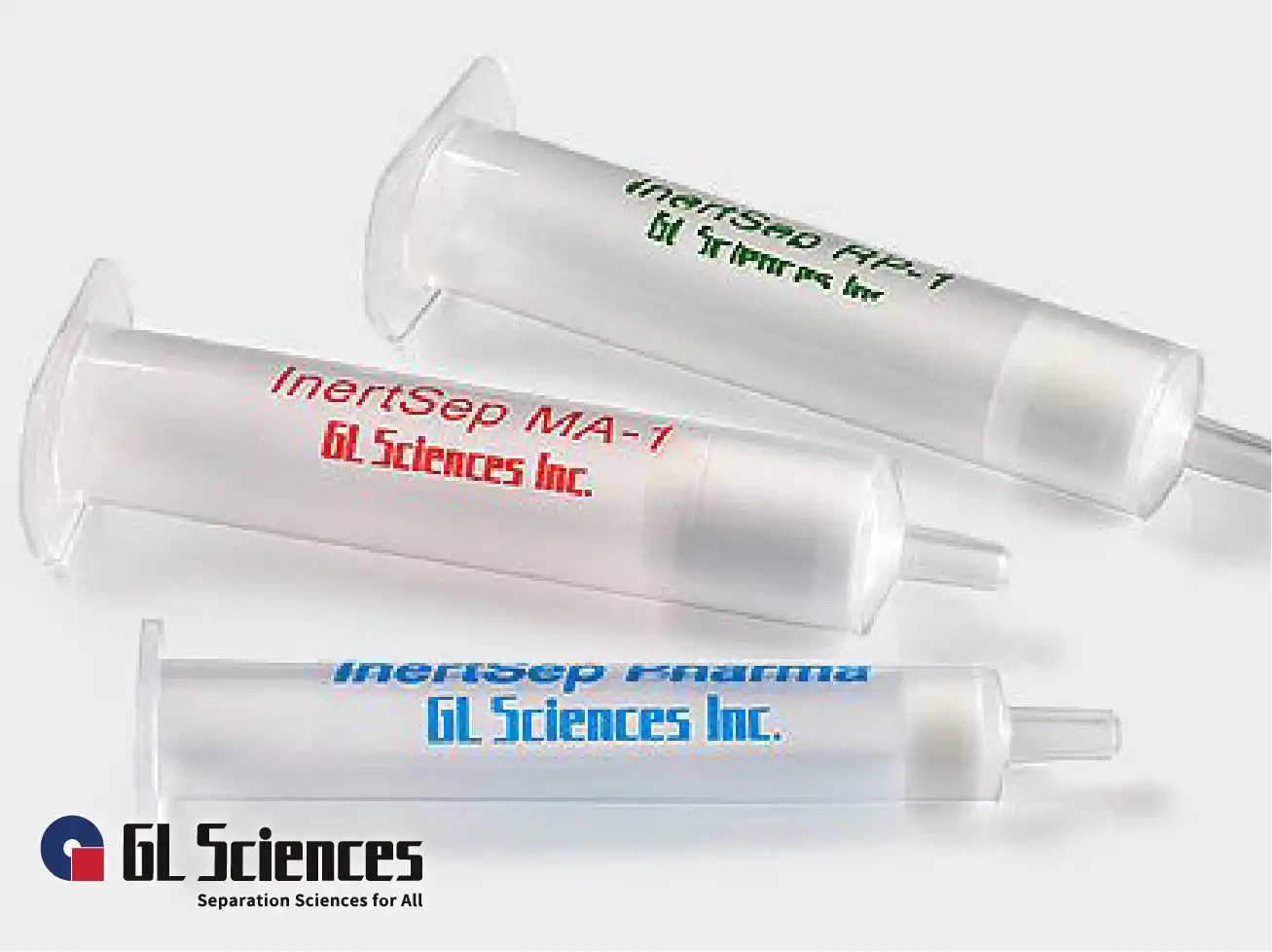
GL Sciences SPE Columns
The product lineup features specialized sorbents tailored for specific regulatory requirements, including environmental water testing and pesticide residue analysis in food. Technically, the columns are manufactured under rigorous quality control to ensure batch-to-batch reproducibility, which is critical for validated laboratory workflows. Innovations in the range include polymer-based sorbents that remain stable across a wide pH range and do not require conditioning to prevent drying out.
These technical advancements allow analysts to achieve high recovery rates for even the most challenging polar or ionic compounds, streamlining the sample preparation process while maintaining the highest standards of analytical accuracy.
High-Purity Silica Base for Reversed-Phase Extraction
Technically, the efficiency of silica-based SPE columns depends on the quality of the base material. GL Sciences utilizes ultra-pure silica with a high surface area, which is chemically bonded with octadecyl (C18) or octyl (C8) groups. This setup is technically optimized for the extraction of non-polar to moderately polar compounds from aqueous matrices. The rigorous end-capping process neutralizes residual silanols, preventing the irreversible adsorption of basic compounds and ensuring high recovery rates for pharmaceutical and environmental analytes.
Polymer-Based Sorbents for pH Stability and High Capacity
For samples requiring extreme pH conditions, polymer-based SPE columns provide a technical advantage over traditional silica. These sorbents are made from highly cross-linked polystyrene-divinylbenzene or modified polymers that are stable from pH 1 to 14. Technically, the porous structure offers a much higher surface area, resulting in superior loading capacity. This allows for the concentration of large sample volumes without the risk of analyte breakthrough, making them ideal for monitoring pollutants in environmental water samples.
Selective Ion-Exchange Phases for Charged Analytes
The extraction of ionic species requires specific electrostatic interactions. GL Sciences offers cation and anion exchange SPE columns designed with strong or weak functional groups. Technically, these phases allow for the selective retention of acidic or basic compounds based on their pKa values. By adjusting the pH and ionic strength of the wash and elution solvents, analysts can effectively isolate target molecules from complex biological fluids, ensuring that salts and other polar interferences are completely removed.
Specialized Sorbents for Pesticide Residue Analysis
Food safety testing technically necessitates the removal of massive amounts of lipids and pigments. GL Sciences provides specialized SPE columns, such as carbon-based and multi-layered sorbents, specifically for pesticide analysis. These columns utilize a combination of adsorption and size exclusion to trap chlorophyll and fatty acids while allowing pesticides to pass through or be selectively eluted. This technical cleanup is vital for maintaining the sensitivity of GC/MS and LC/MS systems used in multi-residue screening.
Normal-Phase Extraction for Polar Compound Fractionation
When dealing with non-polar organic solvents, normal-phase SPE is technically required. GL Sciences utilizes unbonded silica, alumina, or florisil sorbents for this purpose. These materials retain analytes based on hydrogen bonding and dipole-dipole interactions. Technically, this allows for the fractionation of complex oils or the cleanup of samples containing polar impurities. This mechanism is essential for industrial applications and the purification of synthetic intermediates in pharmaceutical research.
Deactivated Glass Columns for Sensitive Trace Analysis
To prevent the adsorption of analytes onto the plastic housing of standard SPE cartridges, GL Sciences offers SPE columns in glass hardware. Technically, these glass columns are highly inert and are used for the analysis of endocrine disruptors or other trace-level contaminants that might interact with polypropylene. The use of glass ensure that there are no leachable plasticizers, providing a technically "clean" environment for the most demanding ultra-trace analytical procedures.
Water-Wettable Polymers for Simplified Workflows
One technical challenge in SPE is the "drying out" of the sorbent, which can lead to poor reproducibility. GL Sciences features water-wettable polymer sorbents that do not require a constant liquid head to remain active. Technically, these functionalized polymers maintain high retention even if the column runs dry during the loading or washing steps. This advancement simplifies the workflow and reduces the chance of human error, ensuring consistent results in high-throughput laboratories.
Batch-to-Batch Reproducibility and Quality Control
The technical reliability of SPE is measured by the consistency of the sorbent's physical properties. GL Sciences subjects every batch of SPE media to strict testing for particle size distribution, pore volume, and carbon loading. Technically, this ensures that the flow rate and retention characteristics remain identical from one box of columns to the next. This precision is a prerequisite for validated methods in regulated industries, where any variation in sample preparation could lead to non-compliant analytical results.
Click here for more information about GL Sciences range of products