
Advanced Laboratory Solutions
|
For Fluid Separation
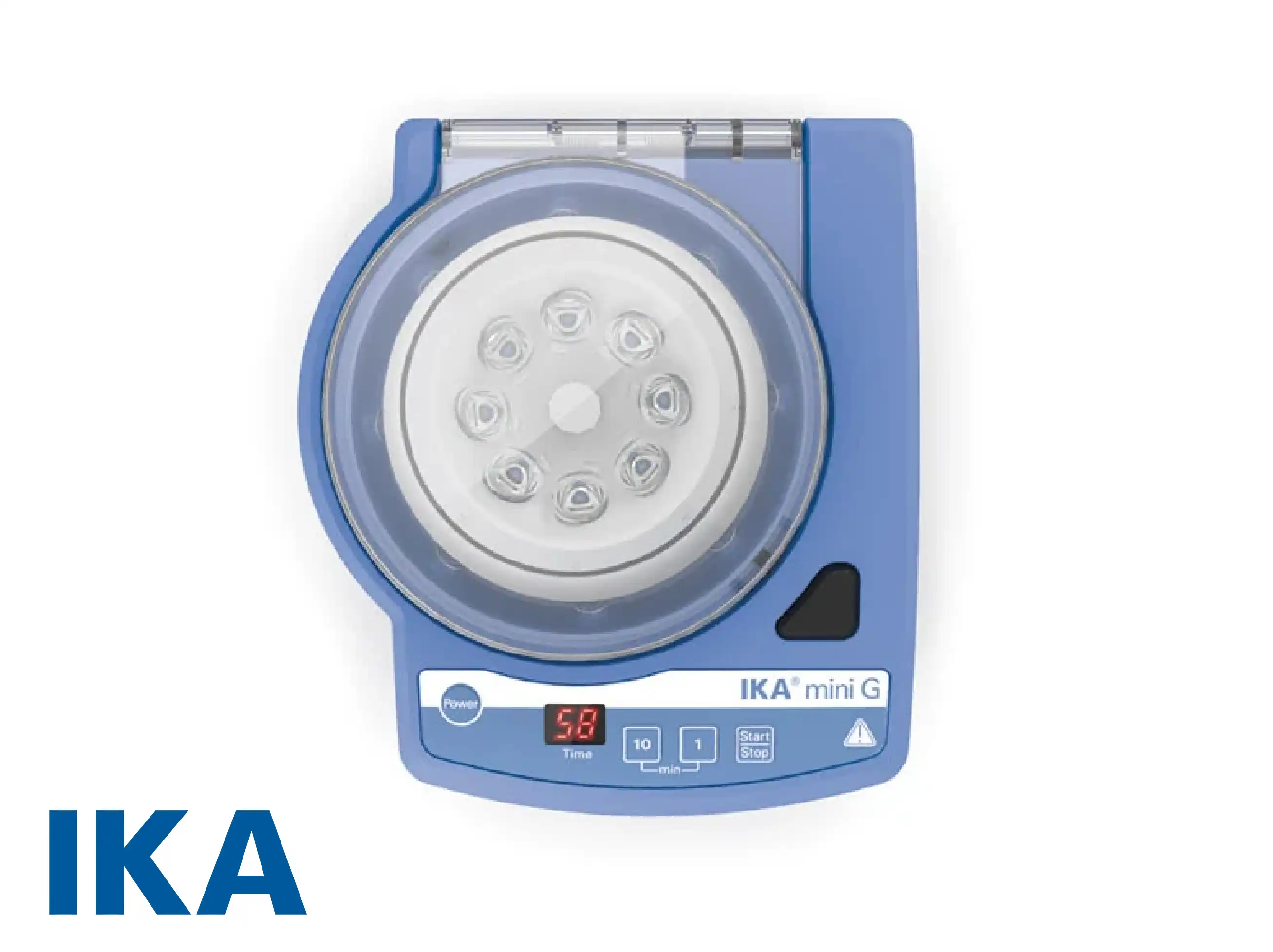
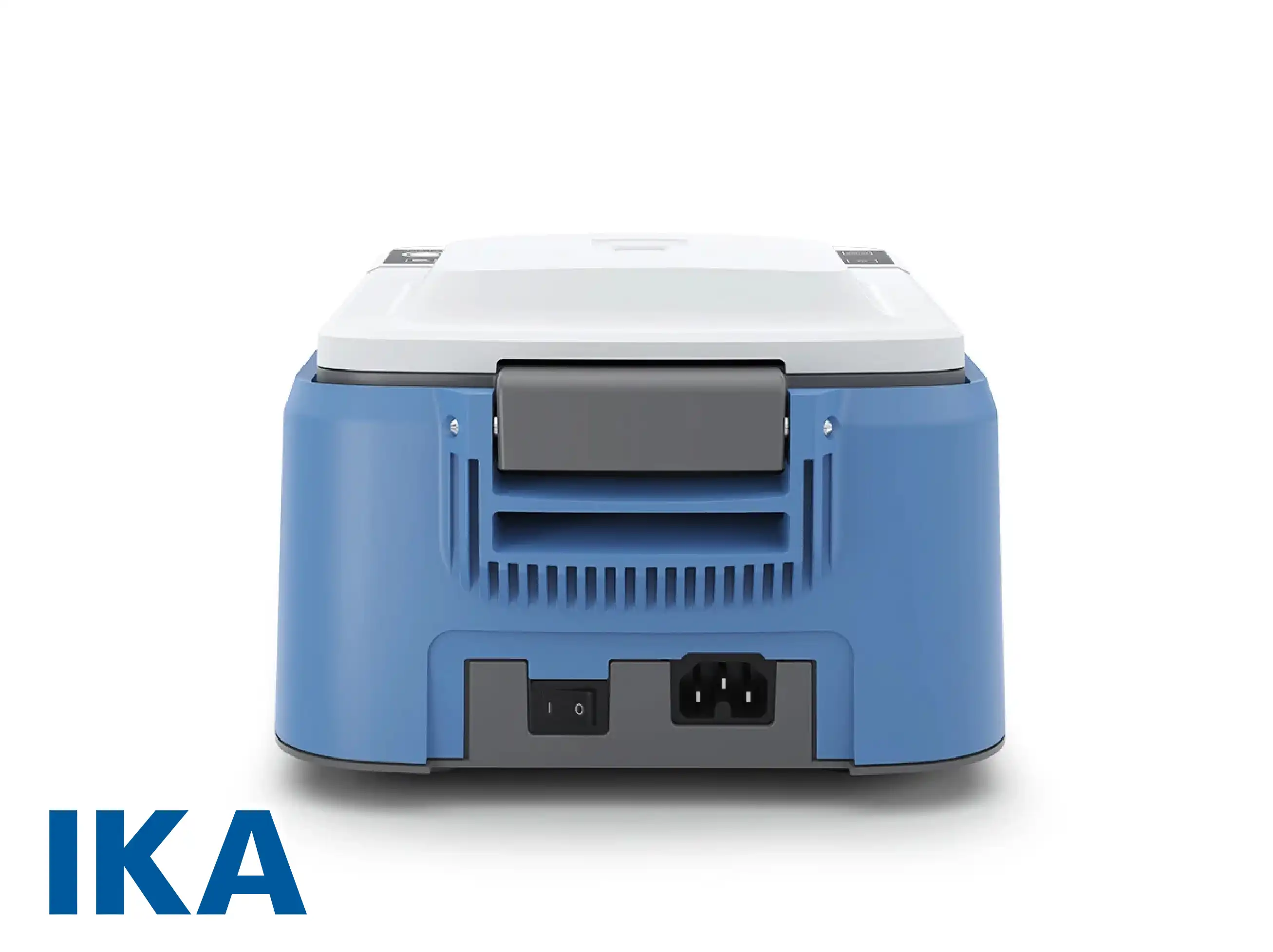
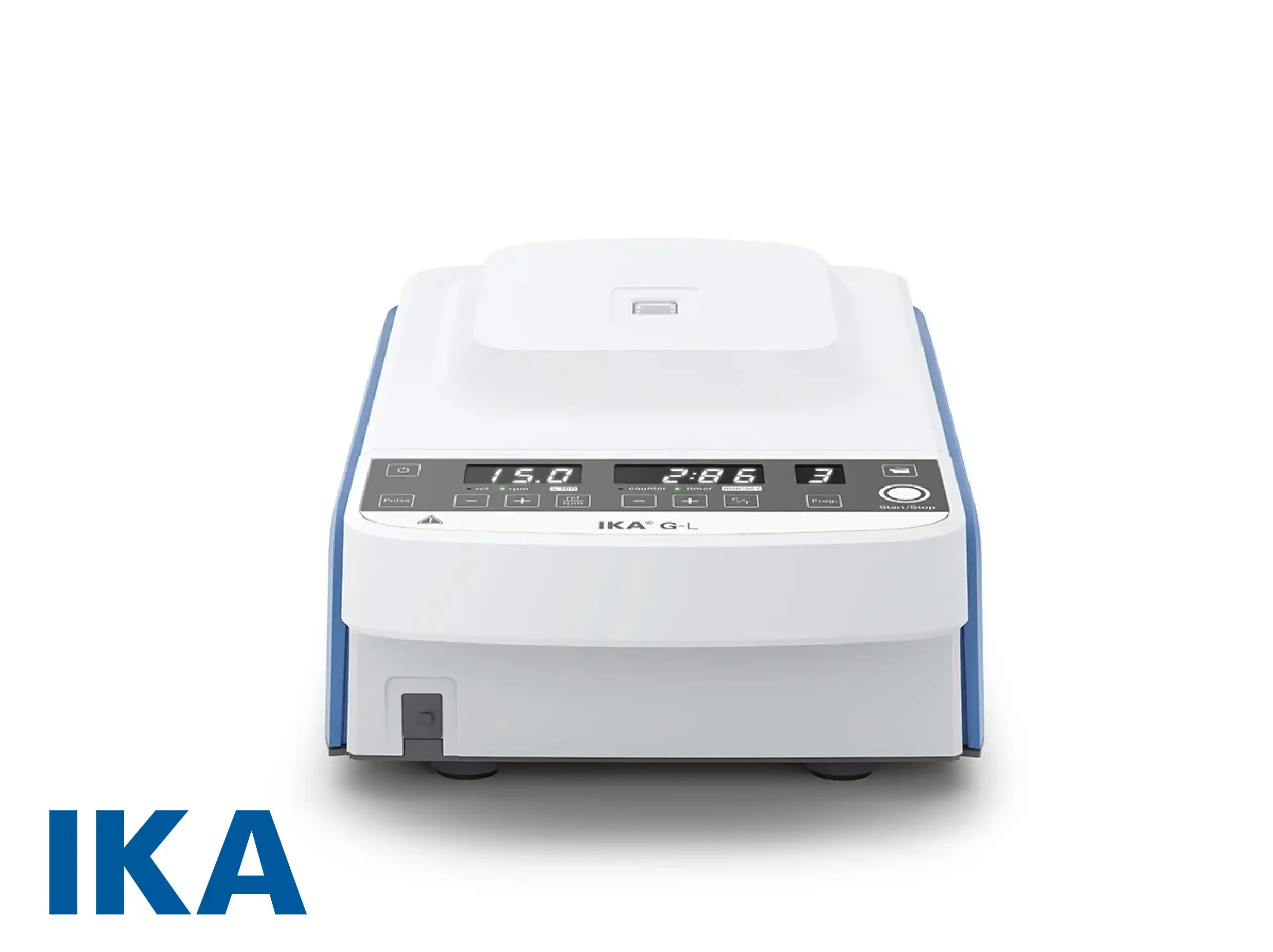
IKA Centrifuges
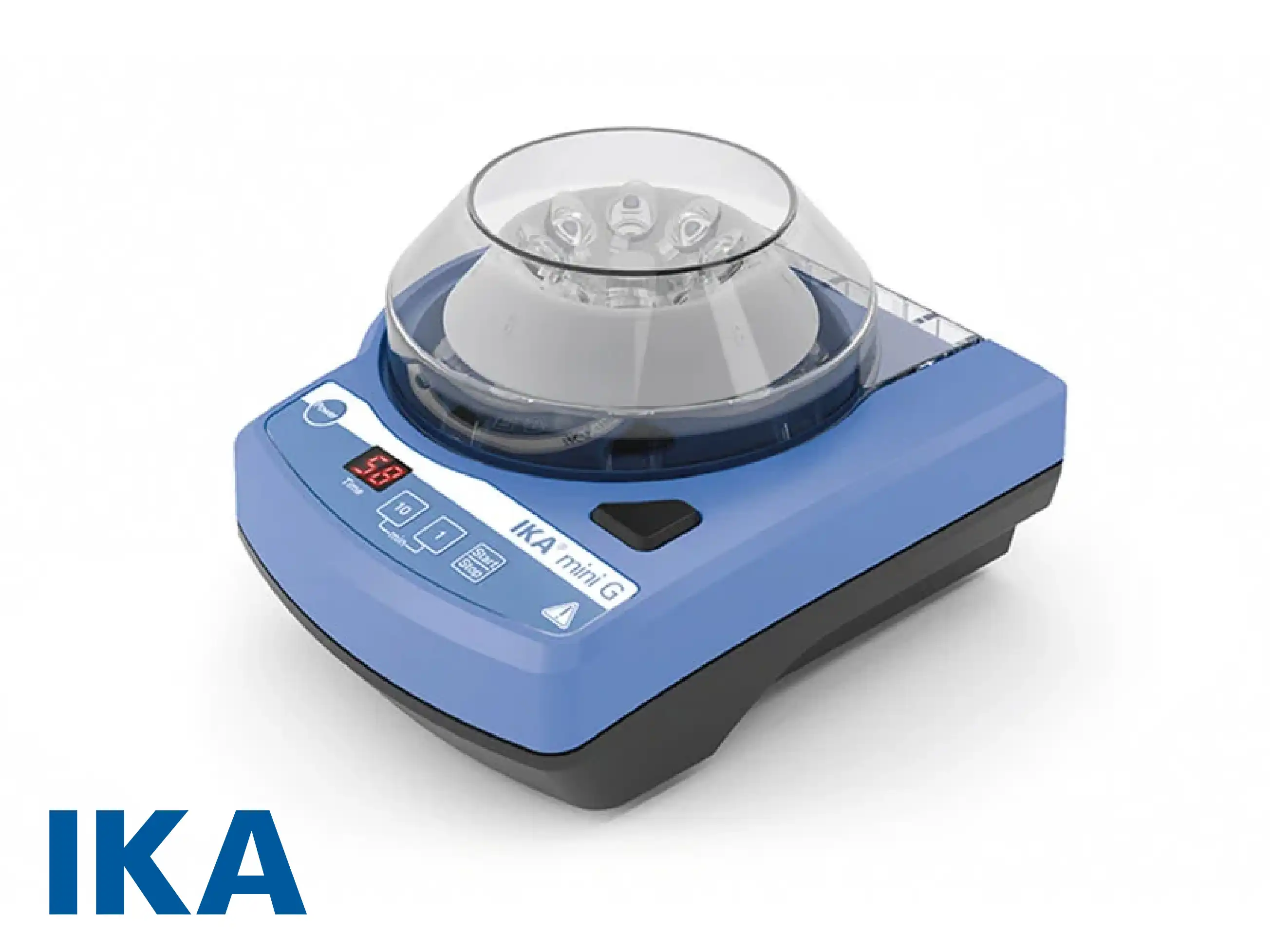
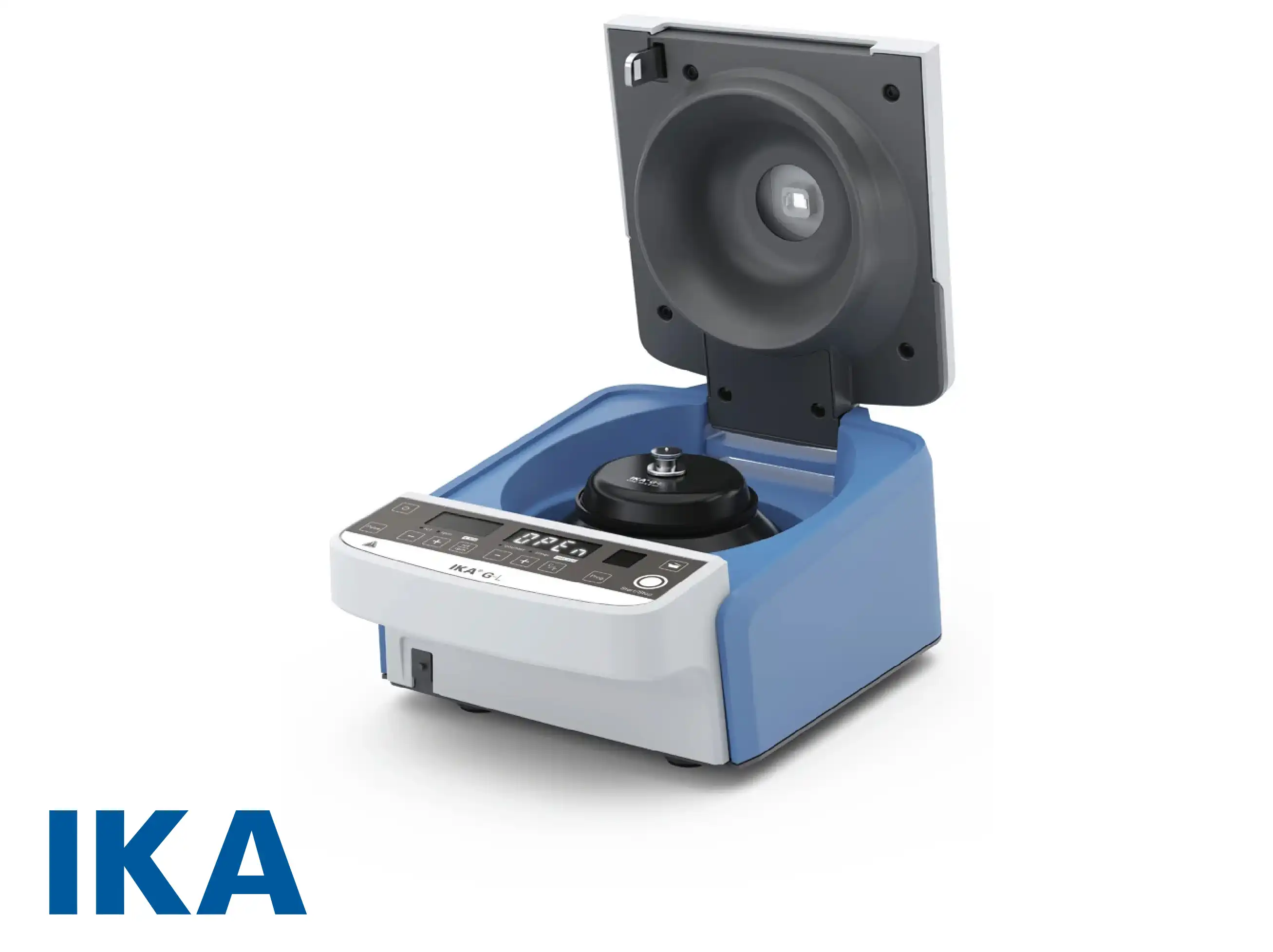
Operational safety and technical versatility are core to IKA’s centrifuge design. The systems are equipped with electronic unbalance sensors that automatically detect uneven loading, preventing mechanical damage. The technical architecture includes metal covers for enhanced protection and digital interfaces for precise control over speed and timer settings.
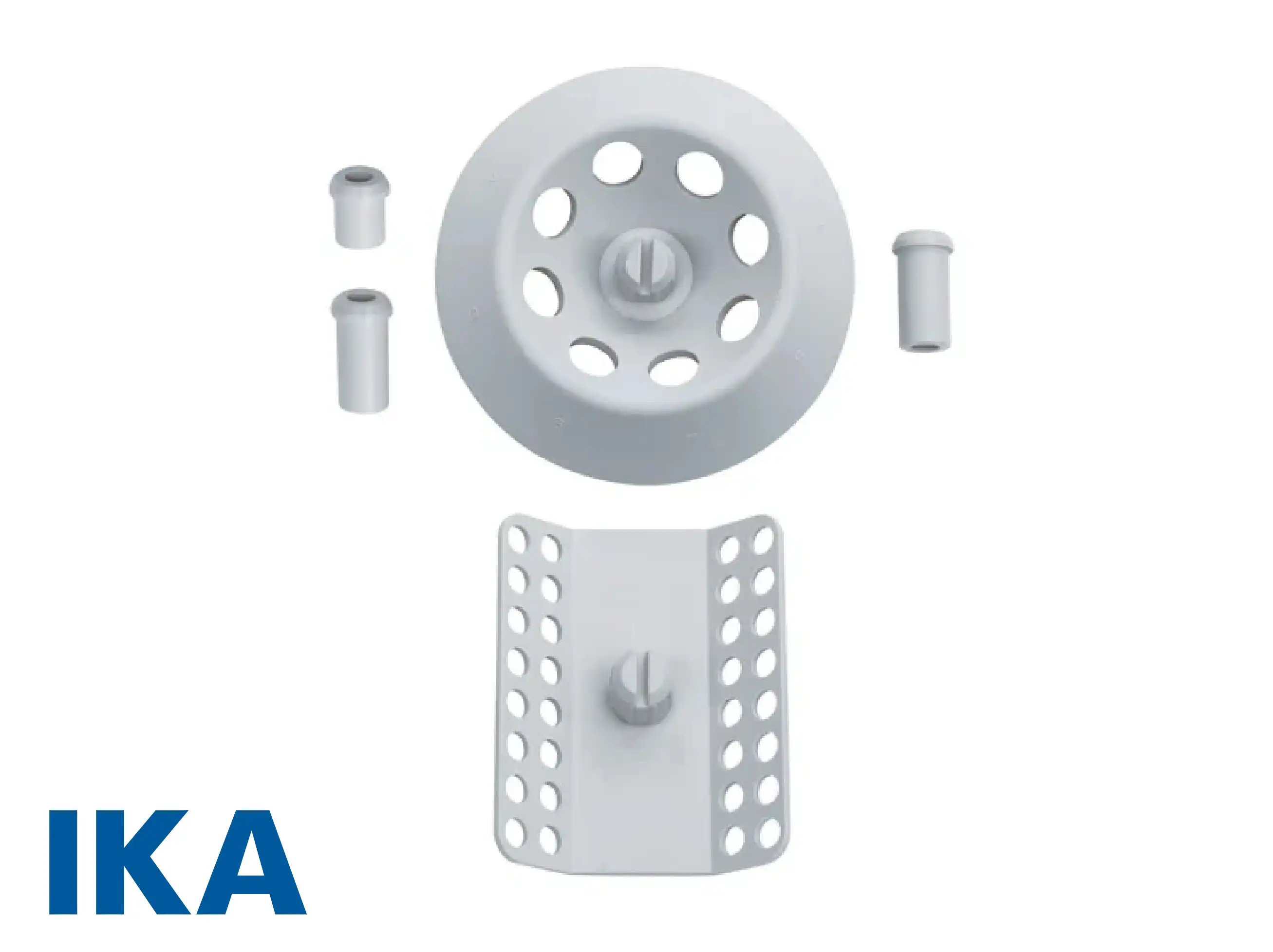
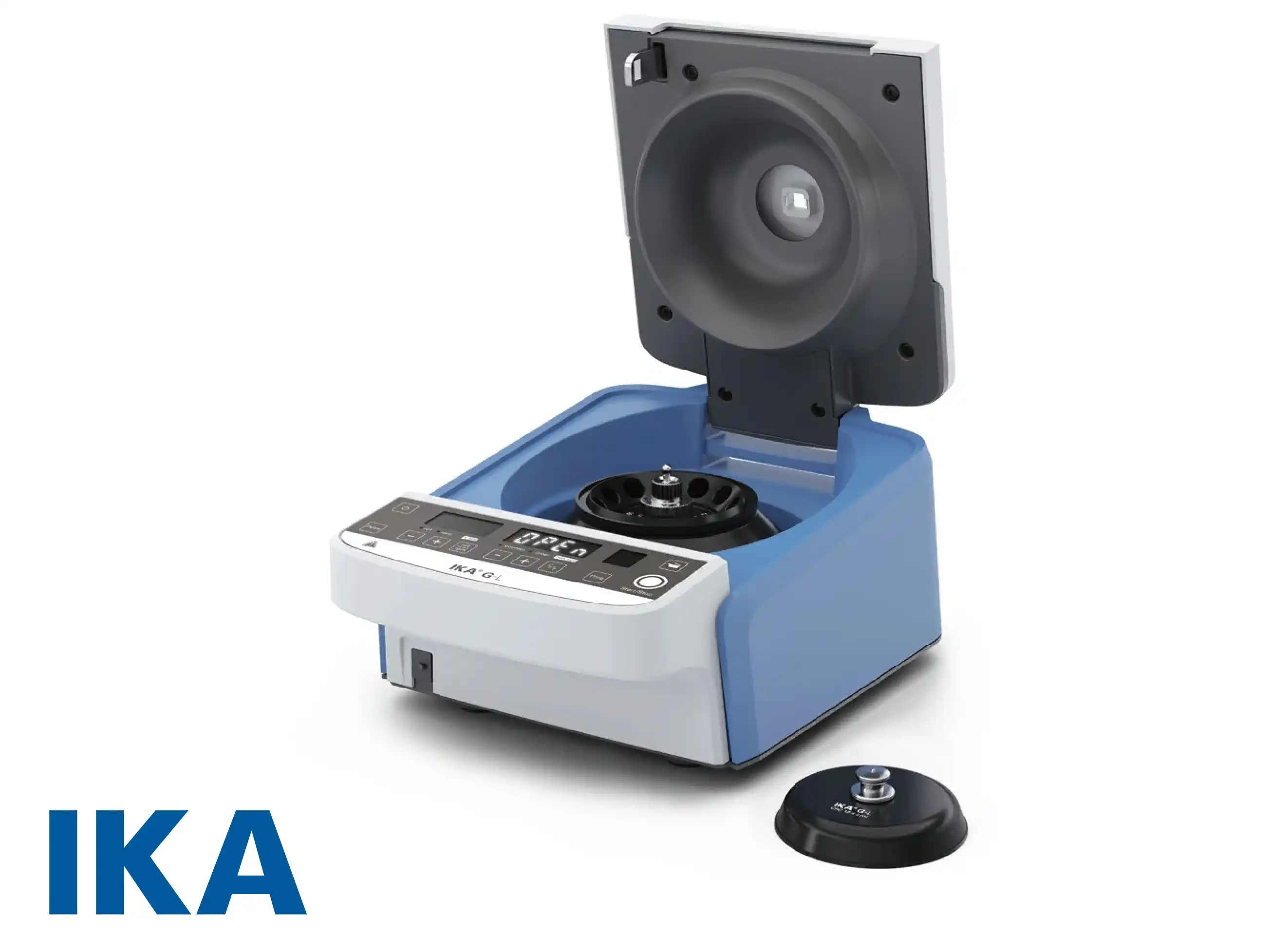
Furthermore, the tool-free rotor exchange allows for seamless transitions between different vessel formats, such as microtubes and PCR strips. With a "Quick Stop" feature and automatic lid opening, these centrifuges provide a secure and efficient technical environment for sensitive laboratory workflows.
High-Performance Motor and Kinetic Energy Management
Technically, IKA centrifuges are powered by high-efficiency motors designed to reach maximum rotational speeds rapidly. Some models can achieve a maximum kinetic energy of 940 Nm, which is essential for achieving the high centrifugal acceleration required for sedimenting nanoparticles or delicate biological fragments. The motor design ensures constant torque throughout the run, providing the technical stability needed for reproducible results in demanding research environments.
Advanced Electronic Unbalance Detection
To safeguard the mechanical integrity of the instrument, these centrifuges incorporate an electronic unbalance sensor. Technically, if the rotor is loaded unevenly, the sensor detects the resulting vibrations and immediately triggers a safety shutdown. This prevents excessive stress on the motor shaft and bearings. This technical feature is vital for preventing instrument failure during high-speed operations where centrifugal forces are extreme.
Precision Control of Rotational Speed and RCF
The technical interface allows for precise setting and switching between rotational speed (rpm) and Relative Centrifugal Force (RCF). This flexibility ensures that laboratories can strictly follow standardized protocols. The digital control system maintains speed accuracy with minimal deviation, ensuring that the sedimentation rate remains consistent across different sample batches, which is a prerequisite for validated analytical procedures.
Tool-Free Rotor Exchange for Modular Versatility
A key technical advantage of IKA centrifuges is the ability to exchange rotors without the need for additional tools. This modularity allows the laboratory to switch between various vessel types, such as 1.5/2.0 ml microtubes and PCR strips, in seconds. Technically, the rotors are designed for high-strength durability, allowing a single base unit to handle diverse micro-filtration and separation tasks with ease.
Quick Stop and Rapid Deceleration Features
For time-critical laboratory procedures, these centrifuges feature an integrated "Quick Stop" function. Technically, this allows for the rapid deceleration of the rotor once the run is complete. The braking times are optimized to be as short as possible without causing re-suspension of the pellet. This technical efficiency is a necessity for high-throughput laboratory environments where rapid sample processing and turnaround times are required.
Ergonomic Digital Interface and Programmability
Technical operation is facilitated through a membrane keypad and a clear digital display. This interface allows for the precise setting of timers and rotational programs. Technically, the display provides real-time feedback on the status of the run, including remaining time and current speed. This level of control allows for the automation of standardized separation routines, increasing efficiency and reducing the risk of manual setting errors.
Safety-Lock Lids and Structural Protection
The structural integrity of the centrifuge is enhanced by a robust housing and a metal cover. Technically, the system includes a lid-lock safety feature that prevents operation unless the lid is firmly closed. Furthermore, the lid opens automatically only after the rotor has reached a complete standstill. This technical design protects the operator from moving parts and minimizes the risk of aerosol exposure during the separation of biological samples.
Acoustic Engineering and Vibration Dampening
To ensure a stable laboratory environment, IKA centrifuges are technically engineered for quiet operation. This is achieved through precision-balanced components and vibration-dampening housings. Even at maximum speed, noise levels are kept to a minimum, preventing acoustic interference in the workplace. Technically, this focus on stability also extends to the centrifuge's footprint, ensuring it remains securely positioned during high-speed cycles.
Click here for more information about IKA range of products.