




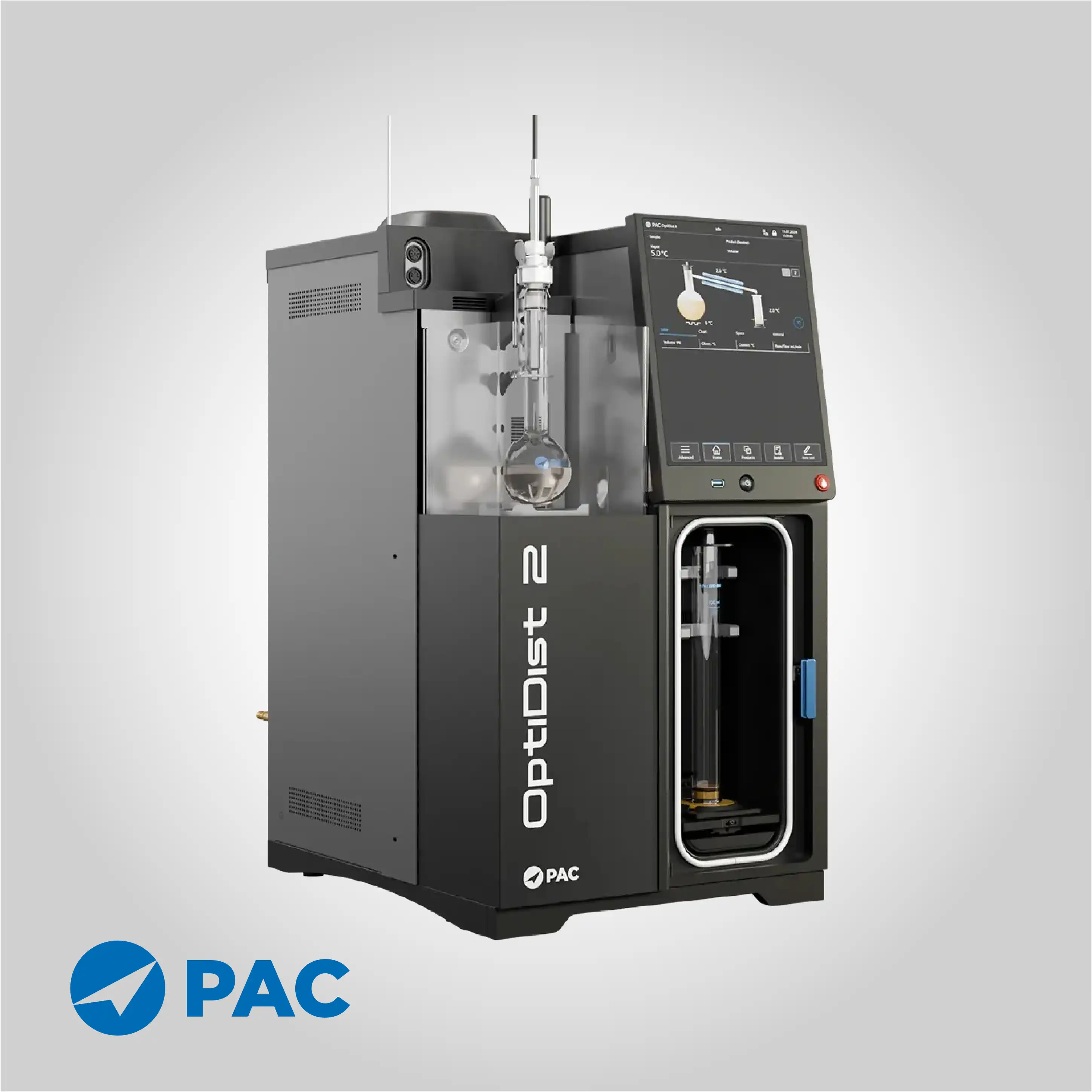
OptiPMD: Micro-Distillation
|
Micro Distillation for Fast and Precise Fuel Analysis
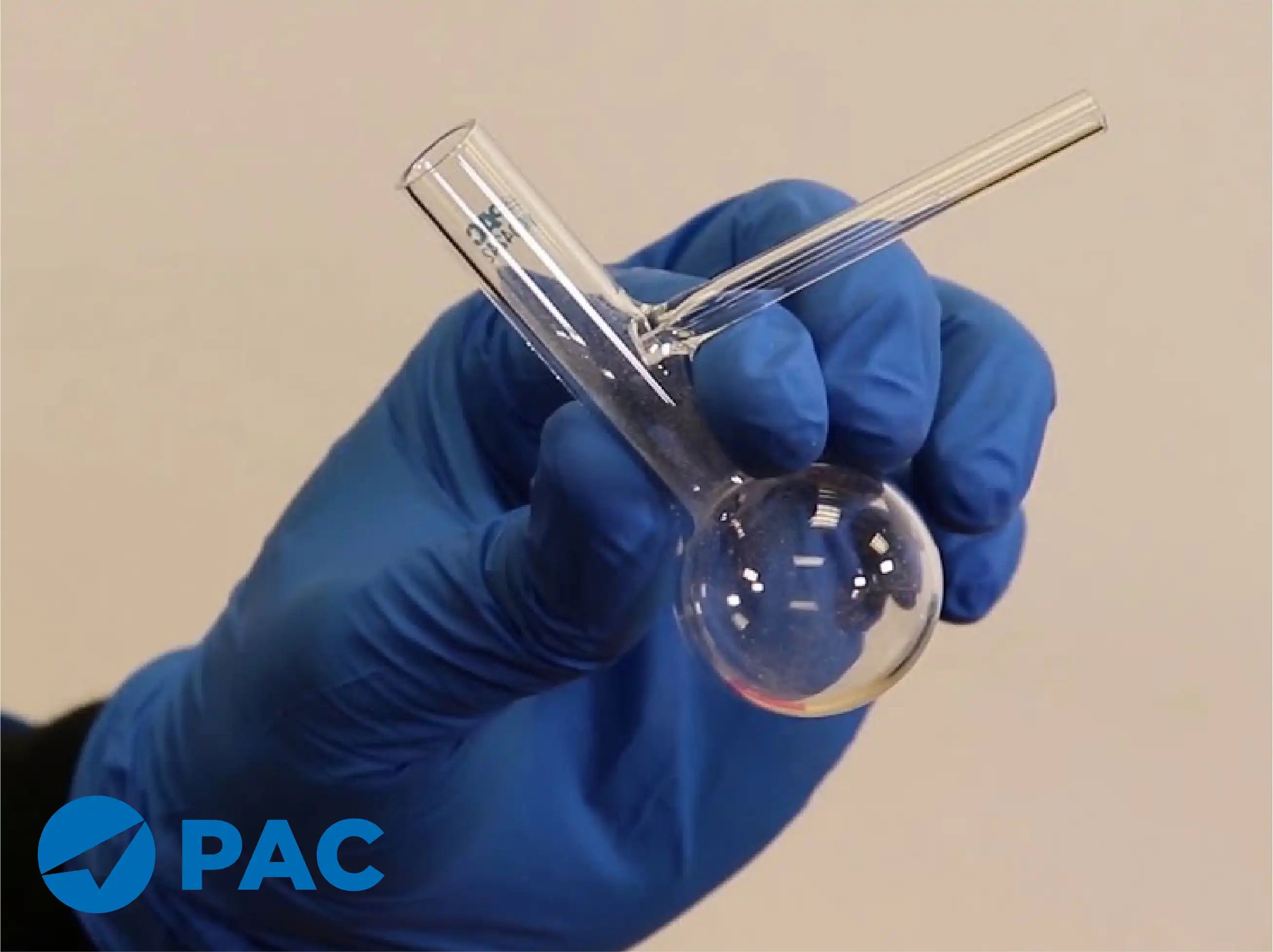
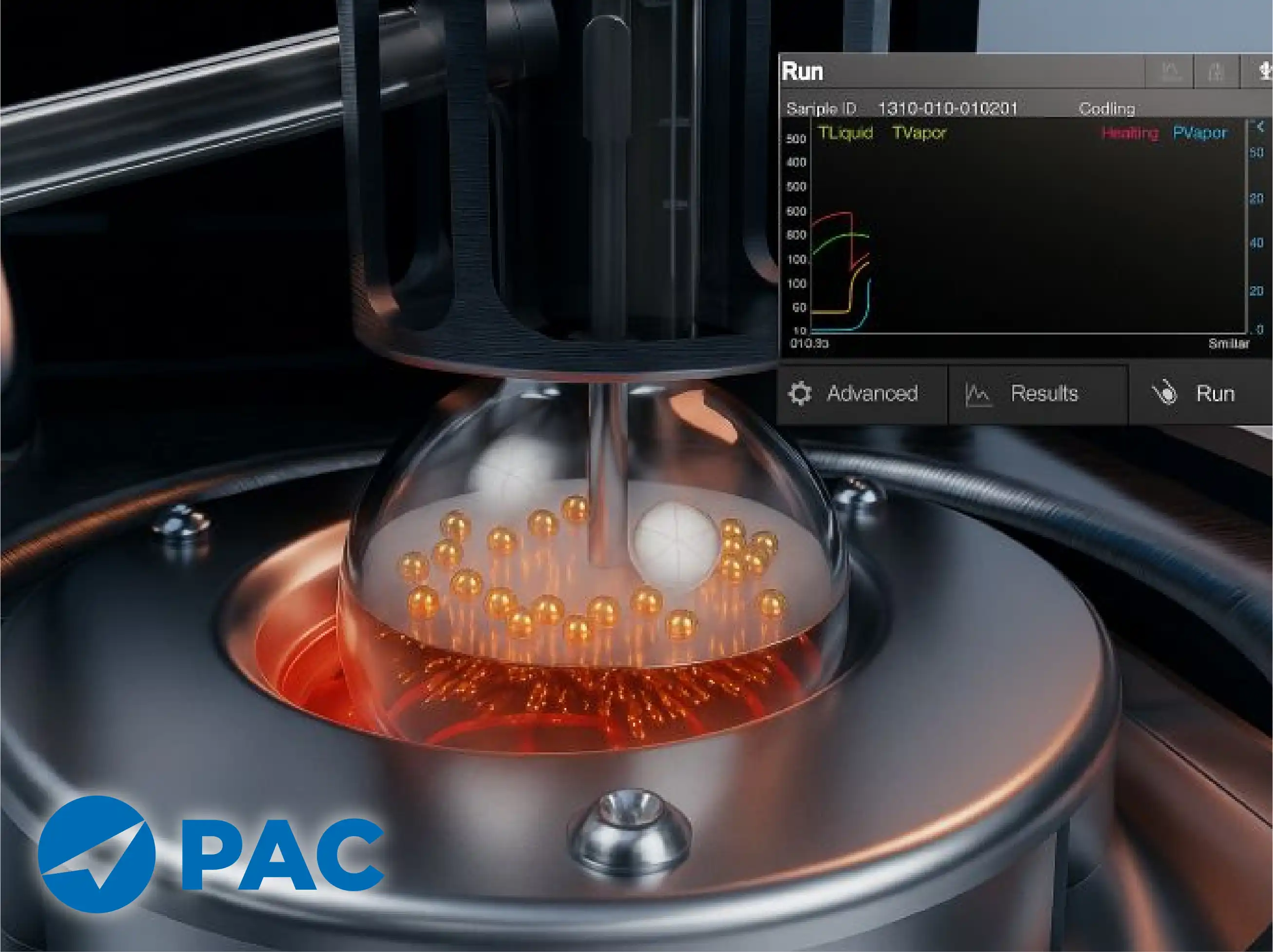
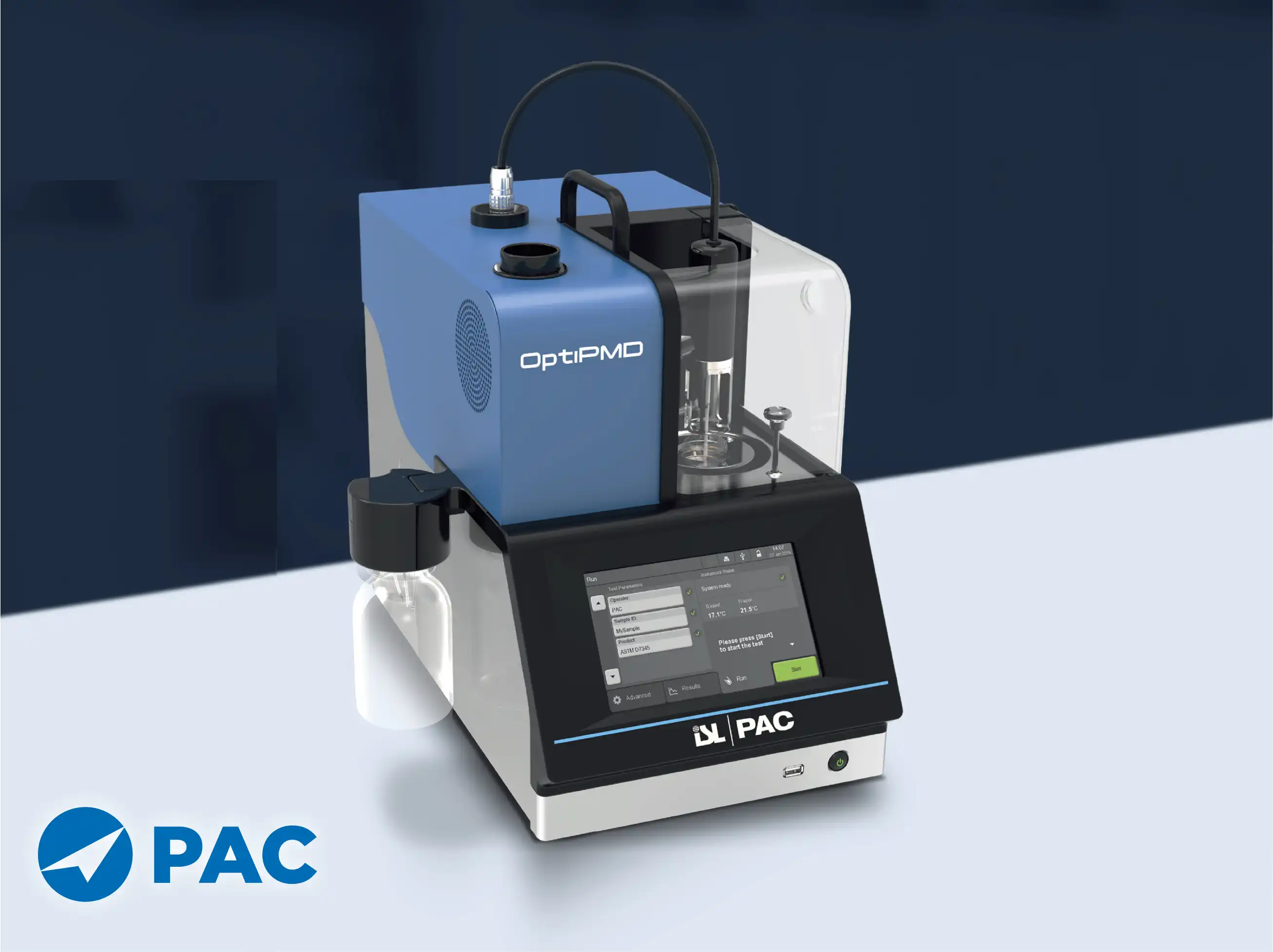
PAC Micro Distillation
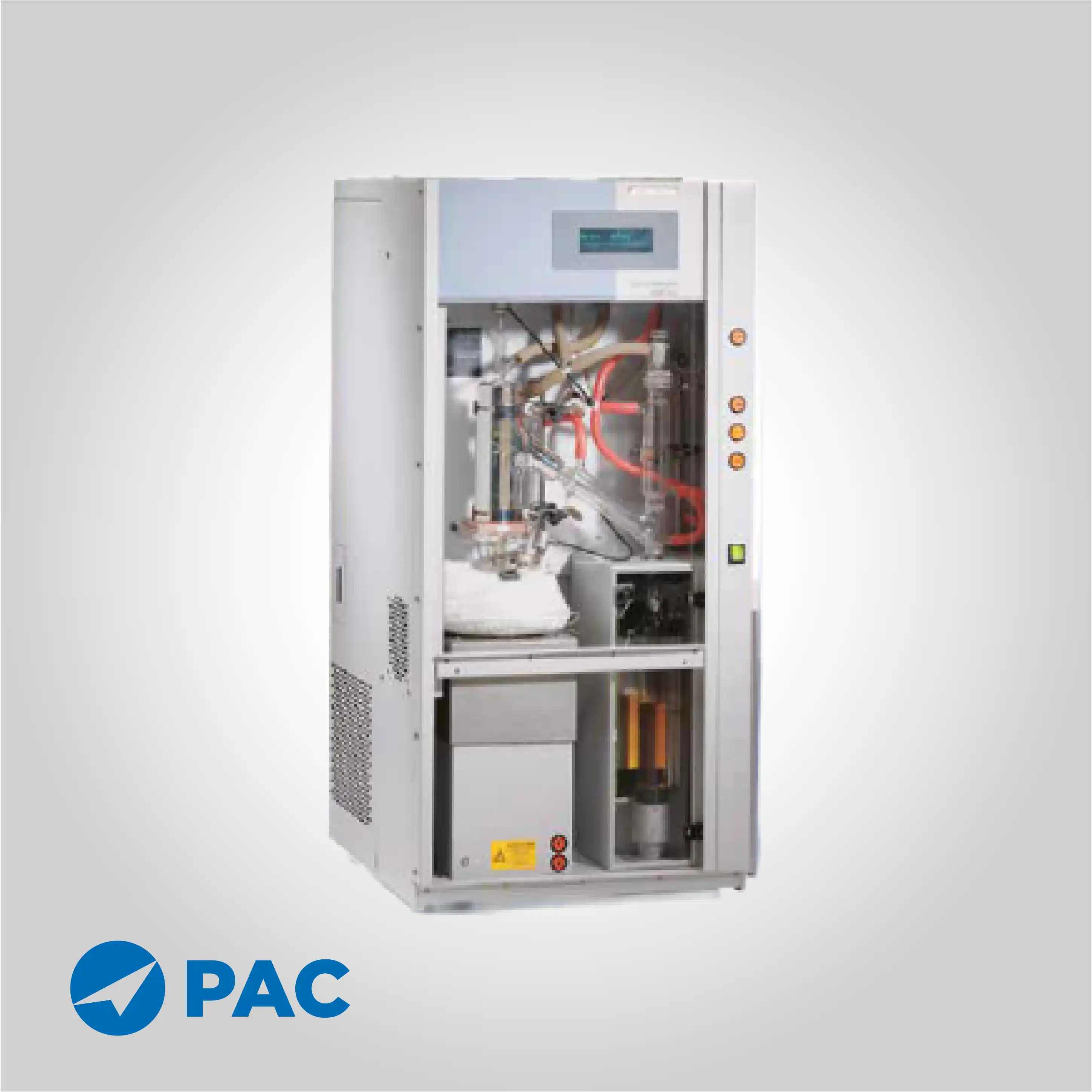
Micro distillation is an advanced analytical technique designed to determine the boiling characteristics of petroleum fuels, biofuels, and light hydrocarbons with minimal sample volume. It delivers fast, accurate, and automated distillation analysis for laboratories that demand high precision and efficiency in fuel characterization and quality control.
The system performs full-range distillation analysis according to international standards such as ASTM D7345, using a sealed micro-environment that controls temperature, vapor flow, and condensation with exceptional precision. This eliminates operator dependency and enhances repeatability across multiple measurements.
Thermodynamic Principle of ASTM D7345
The technical foundation of PAC Micro Distillation is the ASTM D7345 test method, which operates on a unique thermodynamic principle. Unlike traditional methods that rely on physical volume recovery, this technique monitors the changes in vapor and liquid temperatures in conjunction with pressure variations within a micro-flask. Technically, the analyzer uses these pressure profiles to calculate the mass flow and phase transition of the sample. This allows for the generation of a complete distillation curve that correlates precisely with atmospheric distillation results in a fraction of the time.
Rapid Analysis and Throughput Optimization
Technically, micro distillation is engineered for speed, completing a full boiling range analysis in less than 10 minutes. This is a significant technical improvement over the 35 to 45 minutes required by conventional D86 setups. The small sample size and low-mass heating elements allow for rapid heating and near-instantaneous cooling cycles. This efficiency enables laboratories to increase their daily throughput by up to 400%, making it an essential tool for high-volume terminals and refinery laboratories.
Small Sample Volume and Reduced Waste
The system is technically designed to operate with a minimal sample volume of only 10 mL. This small-scale approach provides several technical benefits: it reduces the consumption of expensive or limited samples, minimizes the accumulation of hazardous chemical waste, and lowers the energy required for vaporization. Technically, even with such a small volume, the sensors maintain high precision, ensuring that the distillation data for 5%, 50%, and 95% recovery points remain highly accurate and representative of the bulk product.
Automated Heating Control and Method Selection
PAC Micro Distillation features an intelligent heating system that technically automates the distillation rate. Using a 125W self-positioning heating element, the analyzer monitors the thermal feedback from the flask to adjust the power in real-time. Technically, the software automatically recognizes the sample type and selects the appropriate parameters without manual group selection. This eliminates operator bias and ensures that the distillation follows the required thermodynamic path regardless of whether the sample is gasoline, jet fuel, or diesel.
Integrated Safety and Fire Suppression Systems
Safety is integrated into the technical design of the analyzer through multiple hardware safeguards. An ultra-fast optical sensor is used to monitor the distillation area for any signs of flame. Technically, if a fire is detected, the system immediately activates an inert gas fire suppression module to extinguish the flame. Additionally, the software monitors the flask temperature and pressure continuously, providing an automated emergency shutdown if the parameters exceed safe technical limits.
Sensitivity to Contamination and Fuel Adulteration
Micro distillation is technically highly sensitive to the presence of contaminants or fuel blending anomalies. Because the method relies on precise pressure and temperature measurements during phase changes, even trace amounts of non-volatile additives or high-boiling residues are detected as deviations in the pressure curve. This makes the technology technically superior for fuel screening at borders, customs, and distribution points, providing a rapid "pass/fail" assessment for fuel quality and purity.
Correlation with International Standards and Specifications
Technically, the results produced by the micro distillation analyzer are designed to be fully equivalent to those obtained by ASTM D86 and ISO 3405. The software utilizes complex mathematical models to translate the thermodynamic data into standard volume-recovery percentages. This technical correlation is officially recognized in various global fuel specifications, allowing refineries to use this rapid method for the final certification of aviation fuels, diesel, and gasoline.
Multi-Parameter Integration and Cetane Index Calculation
The analytical platform technically supports the integration of additional sensors to provide a more comprehensive product profile. By incorporating an optional high-precision density meter, the system can measure API gravity and density during the same test cycle. Technically, this allows the software to automatically calculate the Cetane Index according to ASTM D4737 and D976. This multi-parameter capability provides a complete technical characterization of middle distillates in a single, rapid operation.
Read More About PAC Products Here
.webp)
.webp)



.webp)


.webp)

.webp)