.webp)
Advanced Engineering
|
In Laboratory Mixing Technology

.webp)
IKA Magnetic Stirrers
Safety and durability are central to the technical design of IKA stirring systems. Many models feature independent safety circuits that automatically cut off heating if the set temperature threshold is exceeded or if the sensor is disconnected. The enclosed housing design protects internal electronic components from liquid spills and corrosive vapors, adhering to high IP protection classes.
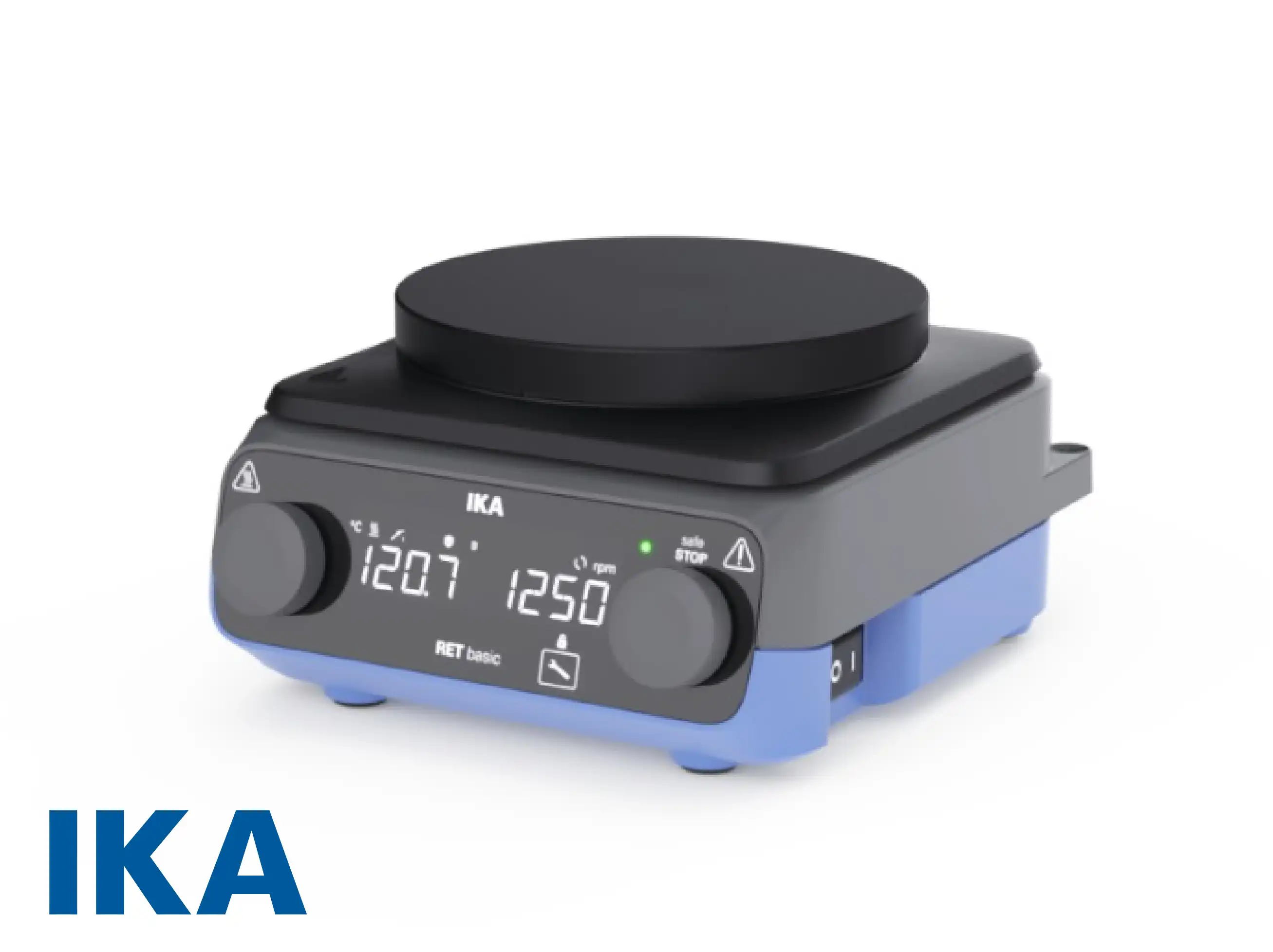
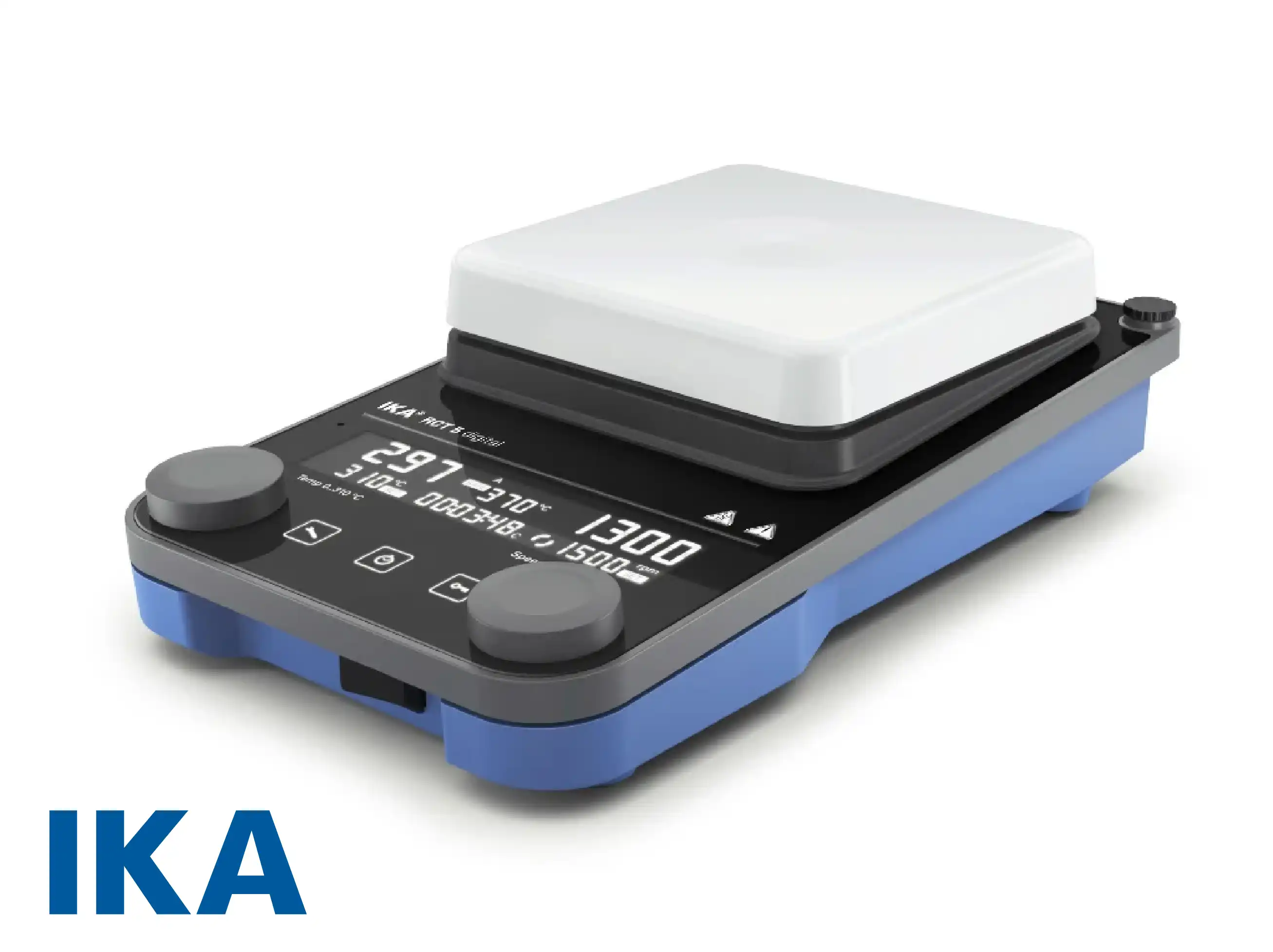
Furthermore, the inclusion of digital displays for real-time monitoring of both target and actual temperatures ensures that sensitive reactions are conducted within strict technical parameters. This combination of powerful mechanical agitation and intelligent safety monitoring makes these stirrers the benchmark for modern laboratory workflows.
Microprocessor-Controlled Speed Regulation
Technically, IKA magnetic stirrers utilize advanced microprocessors to regulate motor speed across a wide range, typically from 0 to 1500 rpm. This ensures that the set speed is maintained consistently, even as the viscosity of the liquid changes during a reaction. The technical precision of the motor drive prevents "speed drift," allowing researchers to standardize their mixing protocols and ensure that the mass transfer rates remain uniform across different experimental batches.
Advanced Plate Materials for Chemical and Thermal Resistance
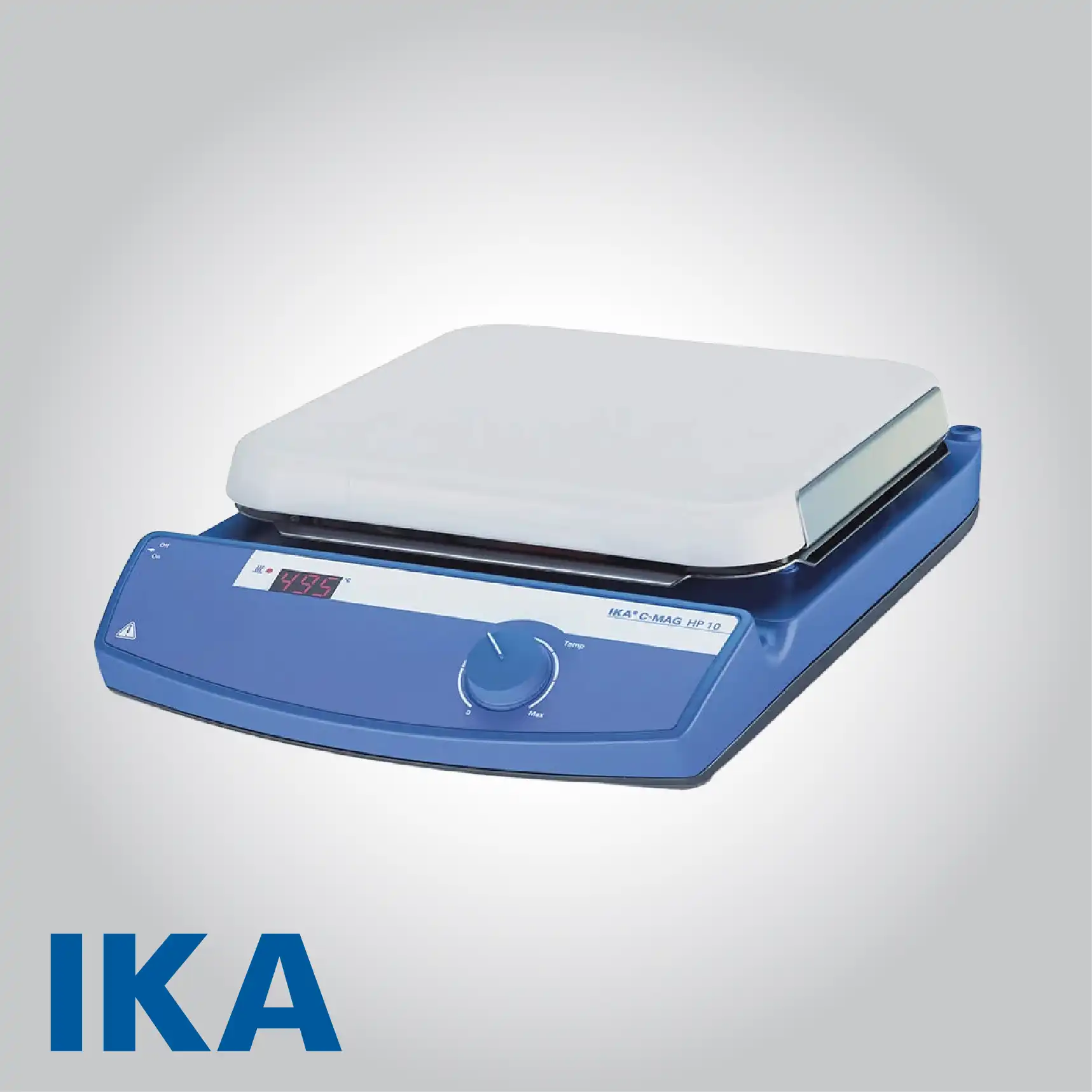
The choice of top plate material is a critical technical factor in magnetic stirring. Glass-ceramic surfaces offer exceptional resistance to acids and bases while allowing for high-temperature applications. Aluminum alloy plates, on the other hand, provide superior thermal conductivity, ensuring that the entire surface reaches a uniform temperature quickly. Technically, these materials are selected to balance the requirements of chemical inertness and efficient heat distribution, protecting the instrument's longevity.
Integrated Safety Circuits and Temperature Limits
To prevent hazardous situations in the lab, these stirrers incorporate independent safety circuits. Technically, the user can set a maximum safety temperature that the device cannot exceed. If the internal temperature sensors detect an overshoot, the heating function is immediately disabled. This technical safeguard is essential for unattended operations and for working with flammable solvents or thermally sensitive reagents, ensuring a safe laboratory environment.
External Sensor Integration for Precise Sample Control
For high-precision applications, IKA magnetic stirrers support the connection of external temperature sensors (such as PT 1000). Technically, this allows the device to control the heating based on the actual temperature of the medium rather than the plate surface. The control logic adjusts the power output to minimize fluctuations, ensuring that the liquid remains at the exact required temperature for optimal reaction kinetics.
Ergonometric and Protective Housing Design
The technical design of the housing is optimized for durability in harsh laboratory environments. Sealed housings prevent the ingress of dust and liquids into the sensitive electronic and motor compartments, often meeting IP 42 or higher protection standards. This design technically extends the service life of the stirrer by preventing internal corrosion from solvent vapors or accidental spills, making it suitable for heavy-duty use in industrial and research settings.
Digital Monitoring and Visual Interfaces
Modern stirrers feature high-resolution digital displays that show both the set value and the actual value for speed and temperature. Technically, this visual feedback is vital for monitoring the progress of a reaction and for ensuring that the system is operating within the validated method parameters. Some interfaces also include error code displays, which technically simplify troubleshooting by identifying specific issues like motor overload or sensor failure.
Magnetic Coupling and Stirring Bar Stabilization
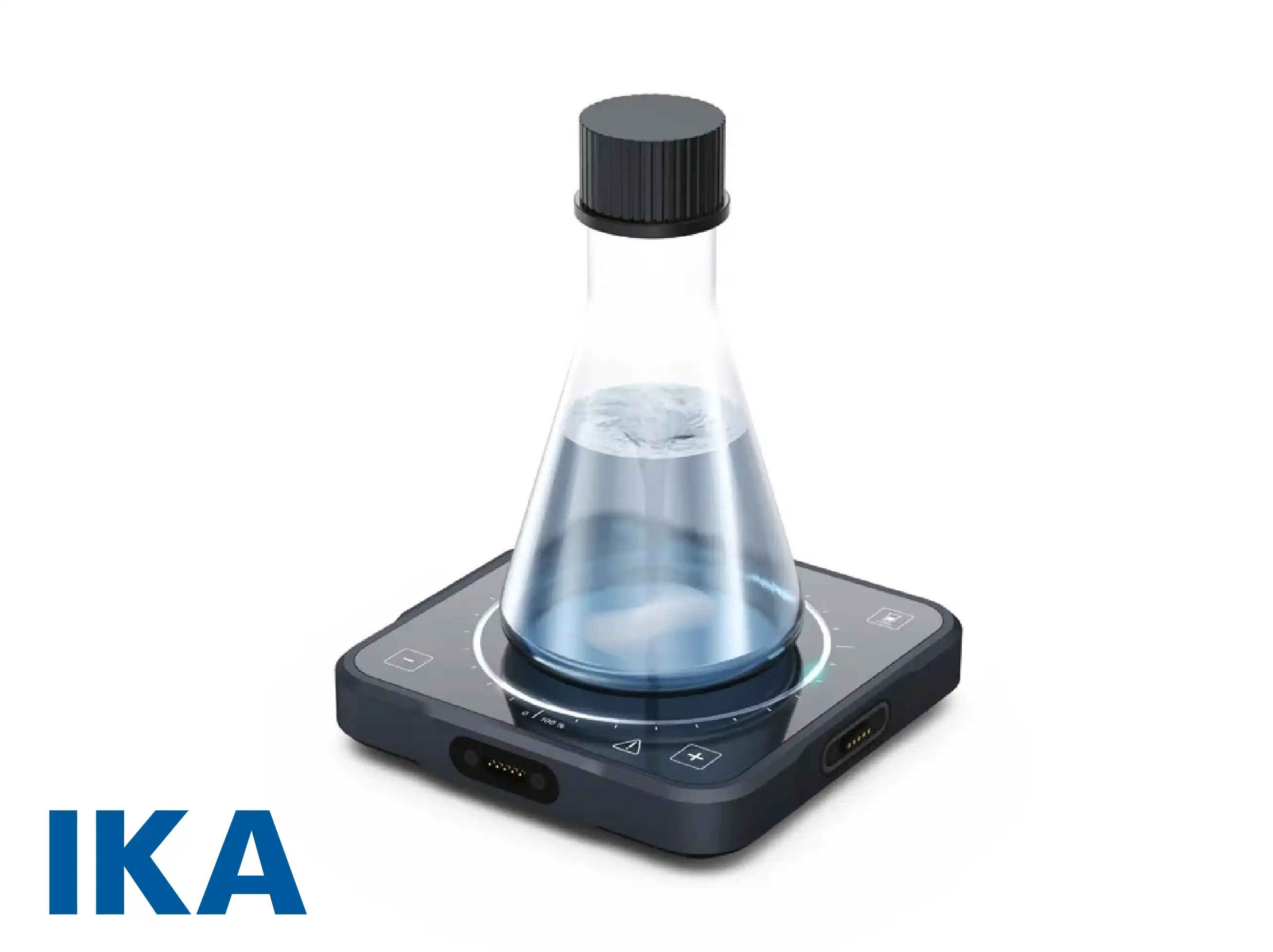
The efficiency of a magnetic stirrer is technically dependent on the strength of the magnetic coupling. IKA utilizes high-performance magnets that create a strong pull on the stirring bar. This prevents the bar from "jumping" or decoupling at high speeds or in highly viscous liquids. Technically, the magnetic field is shaped to center the bar automatically, ensuring a symmetrical vortex and efficient homogenization of the liquid phase.
Modular Multi-Position Stirring Systems
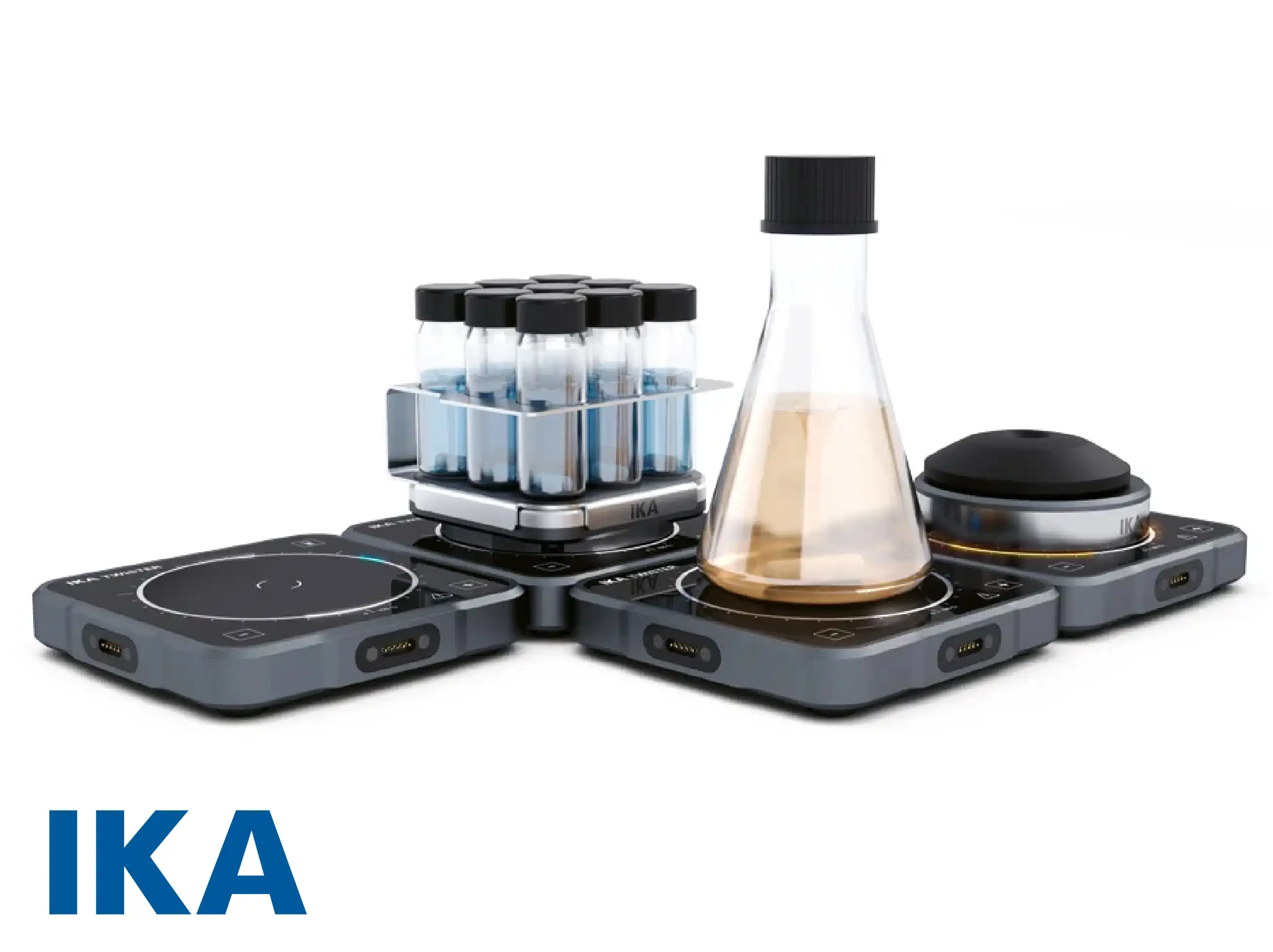
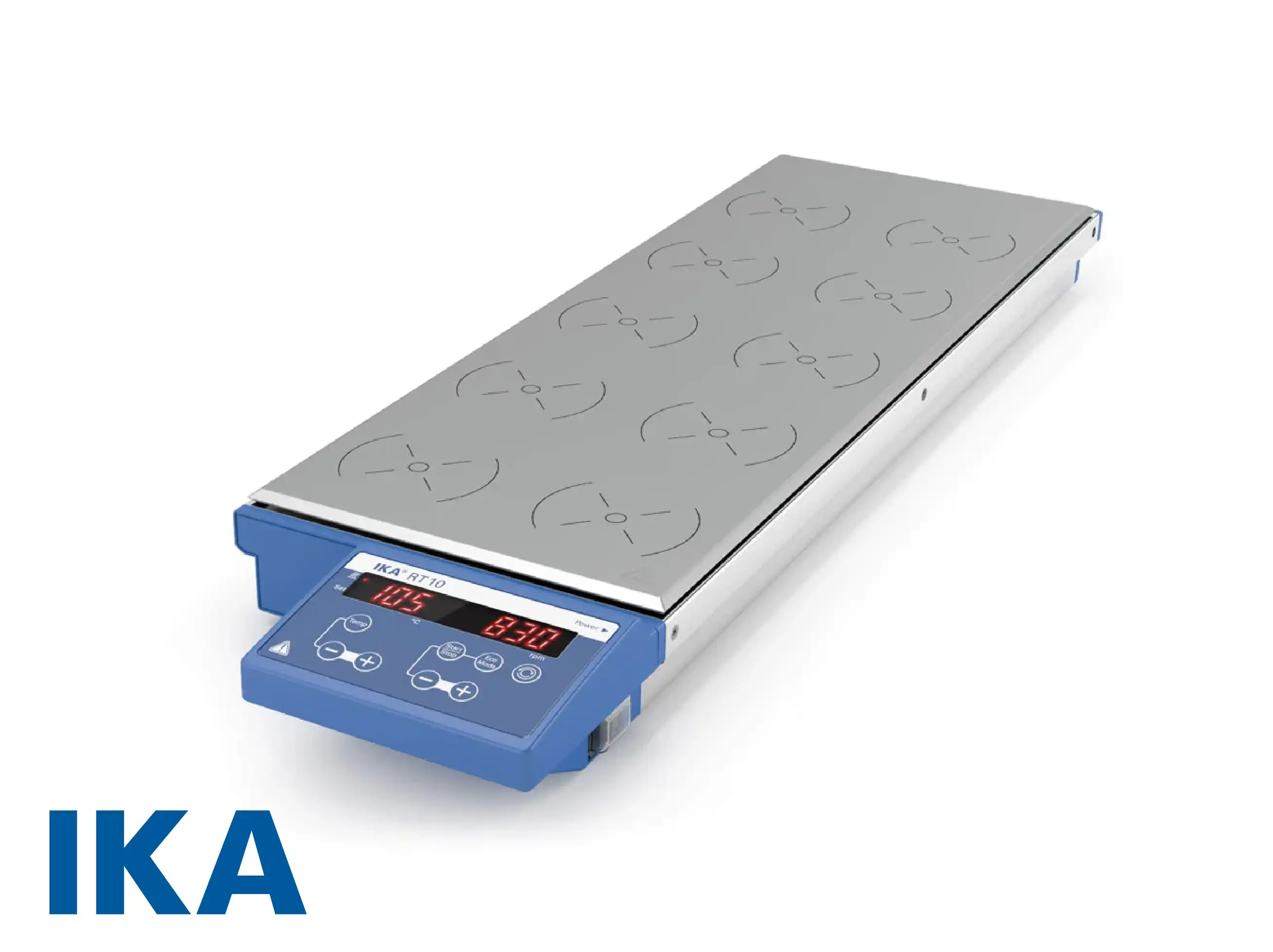
For high-throughput applications, modular systems allow for the simultaneous stirring of multiple samples. Technically, these multi-position stirrers ensure that each position receives identical speed and heat distribution. This is critical for comparative studies where experimental variables must be minimized. The synchronized technical performance across all positions allows for a significant increase in laboratory productivity without compromising the accuracy of individual samples.
Click here for more information about IKA range of products