
Home » Products » Chromatography/Mass Spectrometry » Gas Chromatograph-Mass Spectrometry » Shimadzu GC Columns and Consumables
GC Columns and Consumables
|
Analytical Integrity and Separation Efficiency

Shimadzu GC Columns and Consumables
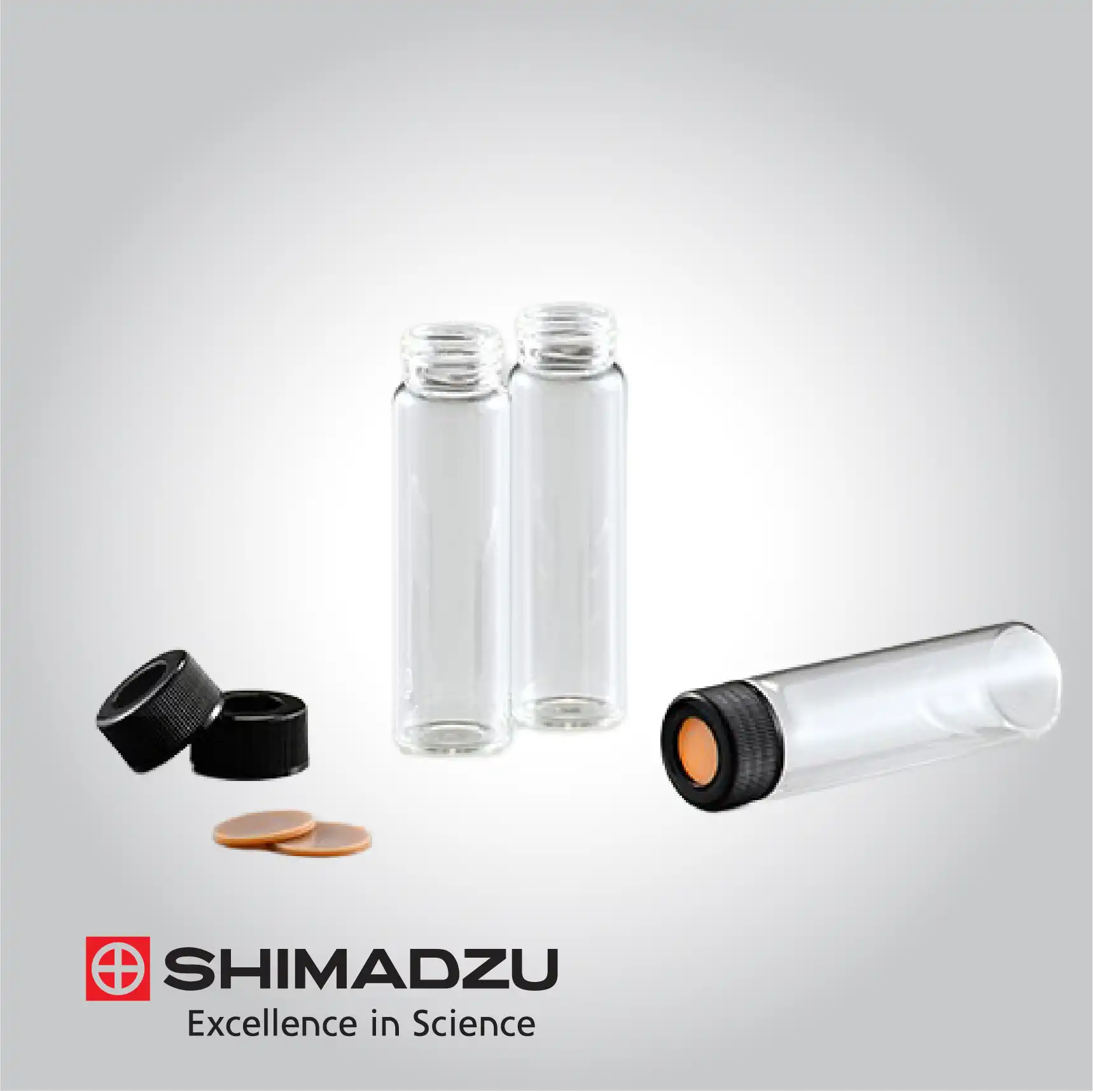
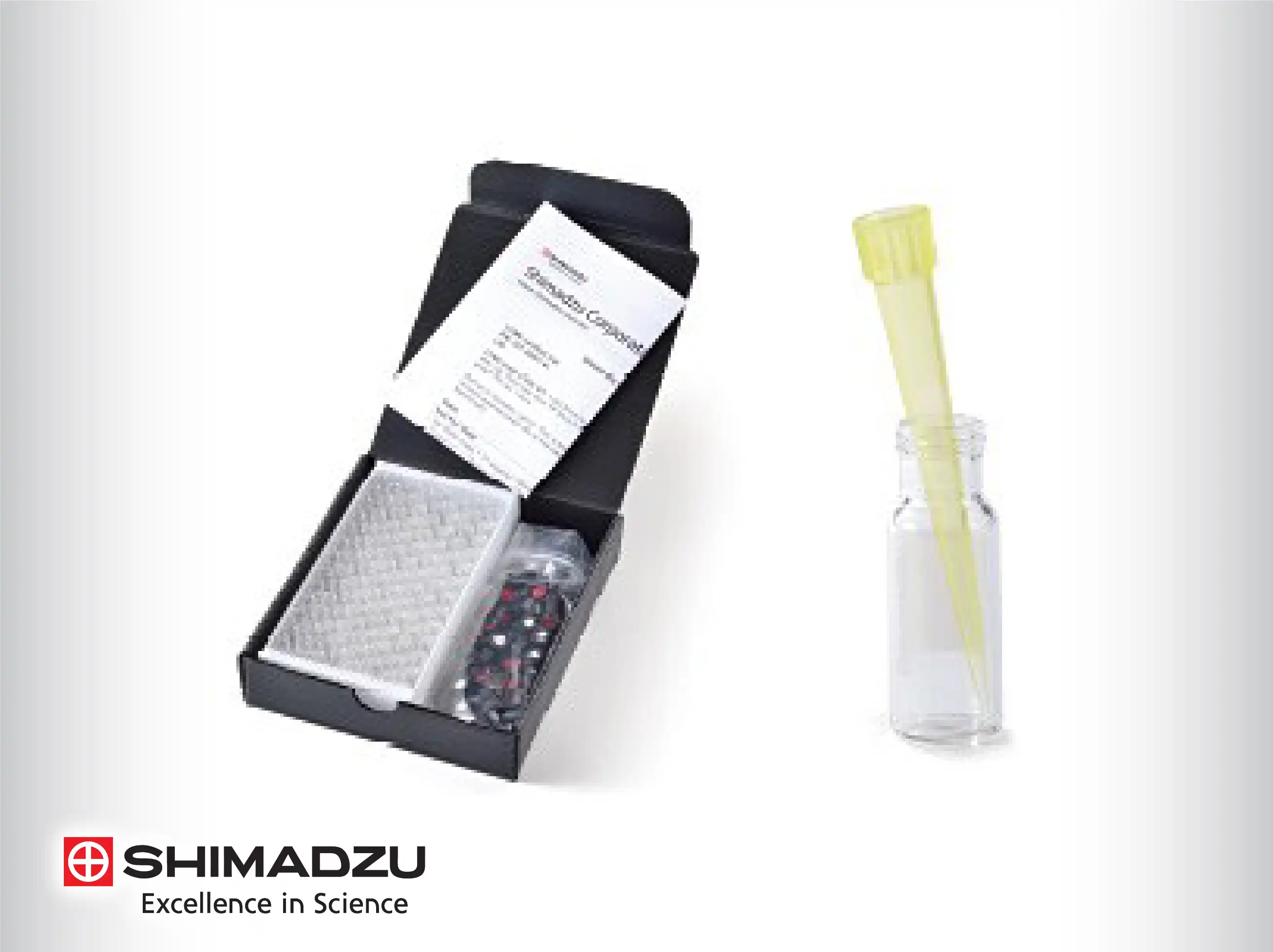
The technical integrity of a GC-MS system is heavily dependent on the quality of its interface and sample introduction consumables. Shimadzu’s range includes high-purity septa, de-activated liners, and precision-engineered ferrules designed to ensure a leak-free and chemically inert flow path. Technically, the use of de-activated glass liners is essential for preventing the thermal degradation of labile analytes before they reach the column.
Furthermore, specialized filaments and ion source components are manufactured to strict tolerances to maintain consistent ionization efficiency and long-term stability. This focus on technical synergy between the column and the consumables ensures that the entire analytical system operates at peak performance, delivering reproducible retention times and high-fidelity mass spectral data for even the most challenging sample matrices.
Advanced Deactivation for Trace-Level Inertness
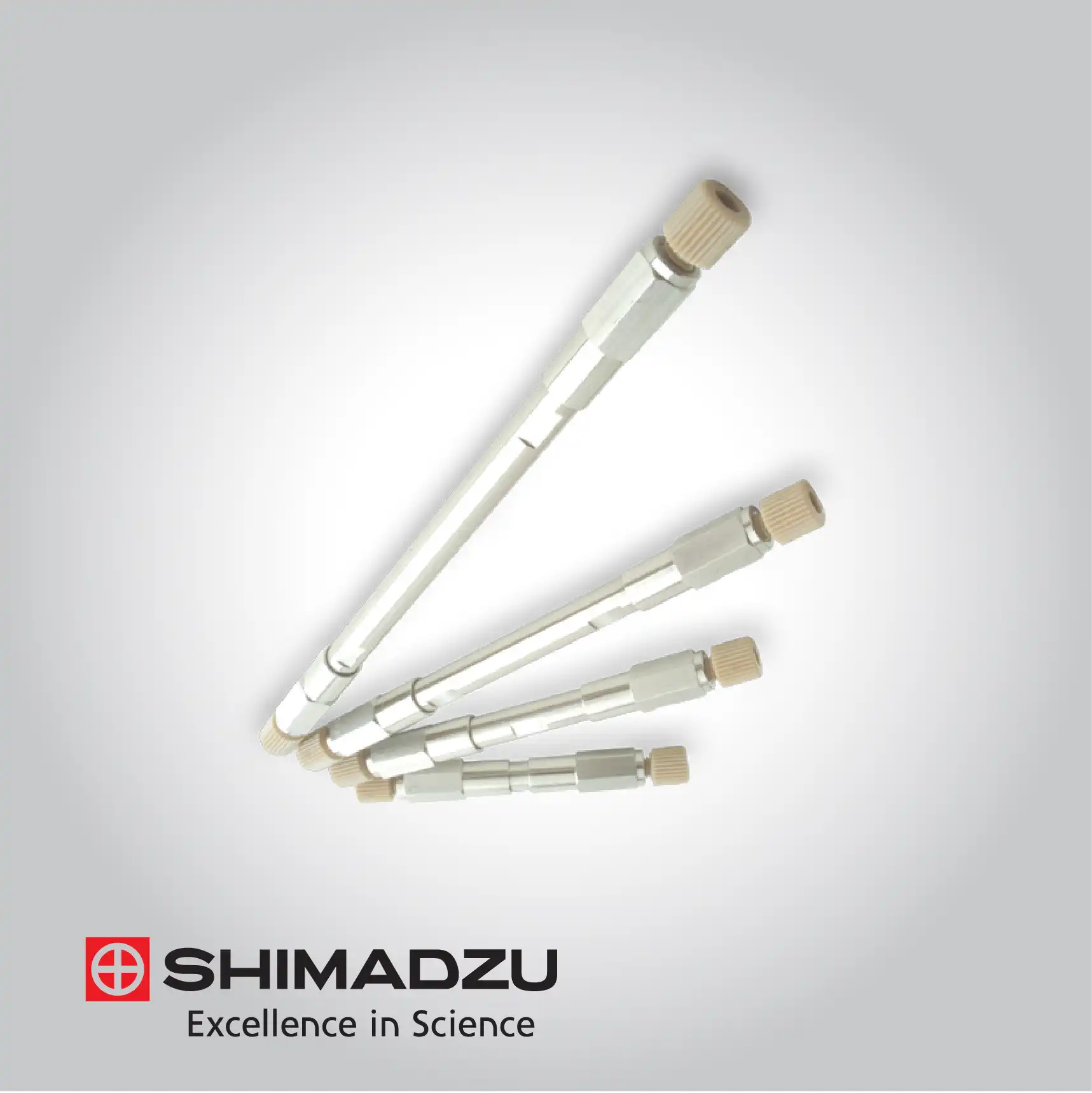
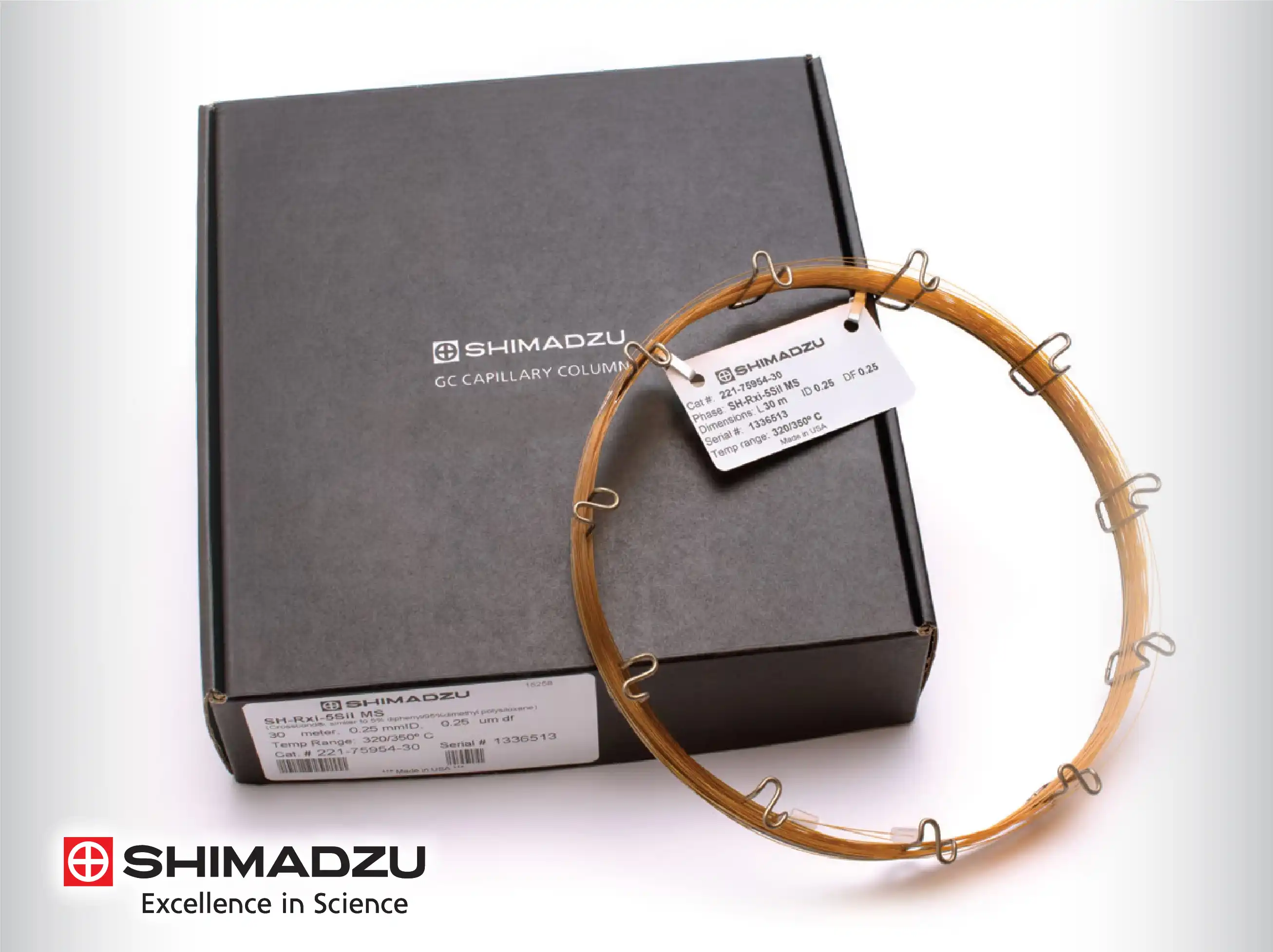
The technical foundation of high-performance gas chromatography lies in the surface chemistry of the column. Shimadzu GC columns undergo a rigorous deactivation process that neutralizes silanol groups on the fused silica surface. Technically, this prevents the adsorption of active analytes, such as phenols and amines, ensuring symmetrical peak shapes and preventing signal loss. This inertness is vital for achieving the low detection limits required in environmental monitoring and food safety.
Thermal Stability in Temperature-Programmed Analysis
During high-temperature programmed runs, the stationary phase must remain chemically bonded to the column wall. Shimadzu columns are technically engineered to exhibit ultra-low bleed even at their maximum operating temperatures. This thermal stability is crucial for GC-MS applications, as it prevents phase fragments from entering the mass spectrometer, thereby maintaining a low background signal and protecting the ion source from contamination.
Optimized Liner Geometry and Sample Vaporization
The technical design of the inlet liner is critical for efficient sample transfer. Shimadzu offers various geometries, including split, splitless, and wool-packed liners, which are technically deactivated to prevent analyte degradation. By optimizing the vaporization volume and flow dynamics within the liner, the system ensures that the sample is introduced onto the column as a sharp, representative band, which is essential for high-resolution separations.
Precision-Engineered Filaments for Stable Ionization
In the GC-MS ion source, the filament is the technical source of electrons for ionization. Genuine filaments are manufactured to provide a stable and consistent electron flux under high vacuum conditions. This stability is technically necessary for maintaining consistent fragmentation patterns and ion intensities, ensuring that mass spectra can be accurately matched against NIST or Wiley libraries for definitive compound identification.
Specialized Ferrules for Vacuum Seal Integrity
Achieving a leak-free connection between the GC column and the mass spectrometer is a significant technical requirement. Shimadzu provides graphite and Vespel/graphite ferrules that are technically designed to maintain a hermetic seal despite rapid temperature fluctuations in the GC oven. This prevents atmospheric oxygen and nitrogen from leaking into the MS, protecting the detector and preventing the oxidative degradation of the column's stationary phase.
Low-Bleed Septa for Contamination Prevention
The injection port septum must be technically robust enough to withstand multiple punctures while maintaining an airtight seal. Shimadzu’s high-quality septa are pre-conditioned to minimize siloxane bleed. This prevents "phantom peaks" from appearing in the chromatogram, which can interfere with the quantification of trace components. Technically, the low-stick surface treatment also prevents the septum from adhering to the injection port at high temperatures.
Column Phase Selectivity and Isomer Resolution
The technical versatility of Shimadzu’s column range allows for the precise selection of stationary phase polarities. From non-polar phases used for hydrocarbons to highly polar phases for fatty acid methyl esters (FAMEs), the columns are technically optimized for specific intermolecular interactions. This selectivity is essential for resolving structural isomers and complex mixtures that exhibit similar boiling points but different chemical functionalities.
Integrated Maintenance of the Ion Source
The technical performance of a GC-MS system is maintained through regular servicing of the ion source components. Genuine consumables, including lenses and insulators, are manufactured to precise tolerances to ensure optimal ion optics focusing. Technically, maintaining the cleanliness and alignment of the ion source prevents charging effects and sensitivity loss, ensuring that the system delivers reproducible results over extended periods of operation.
Click here for more information about Shimadzu range of products
.webp)