
TOC Analyses
|
High-Performance Total Organic Carbon Analysis Solutions
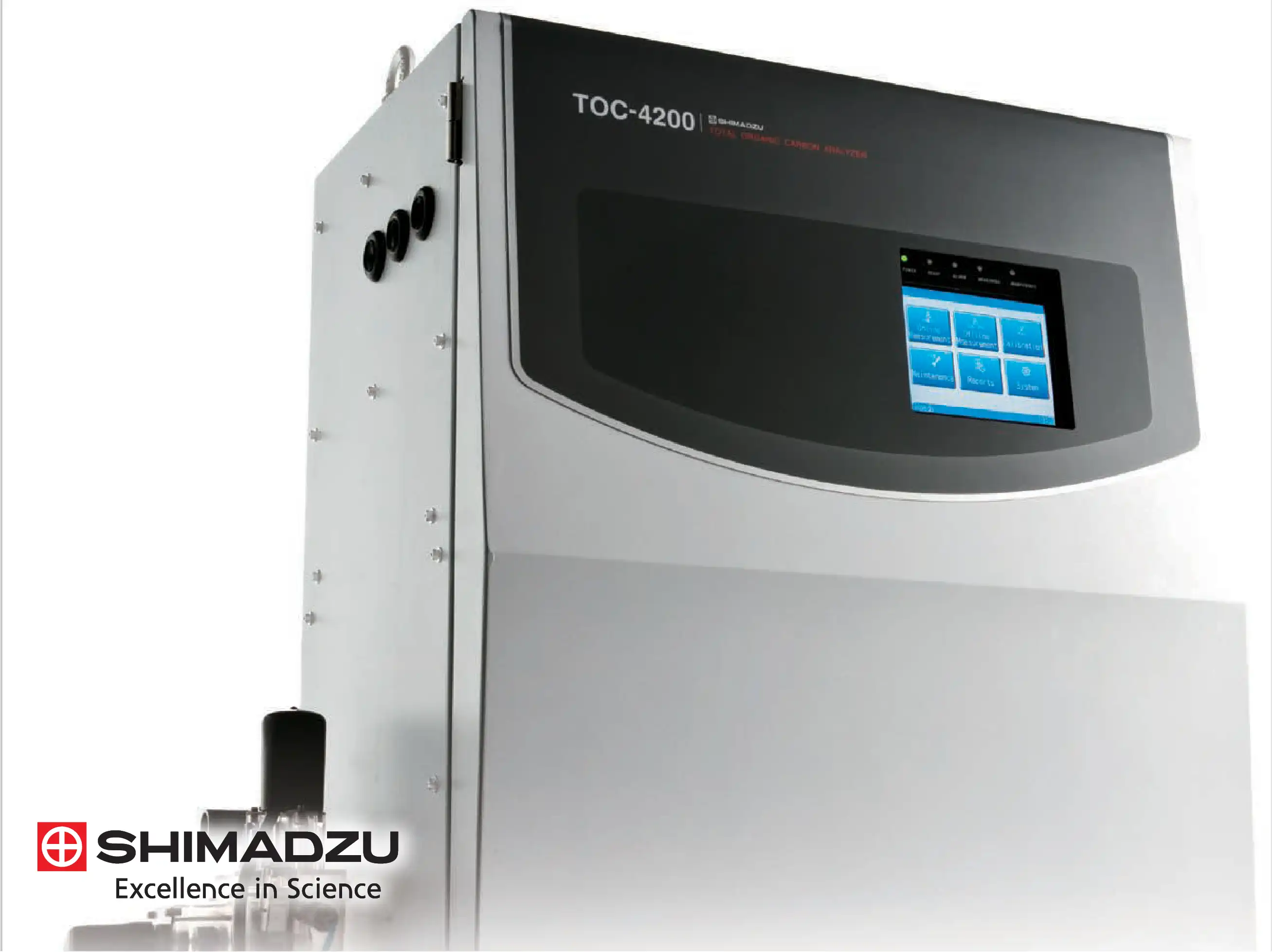
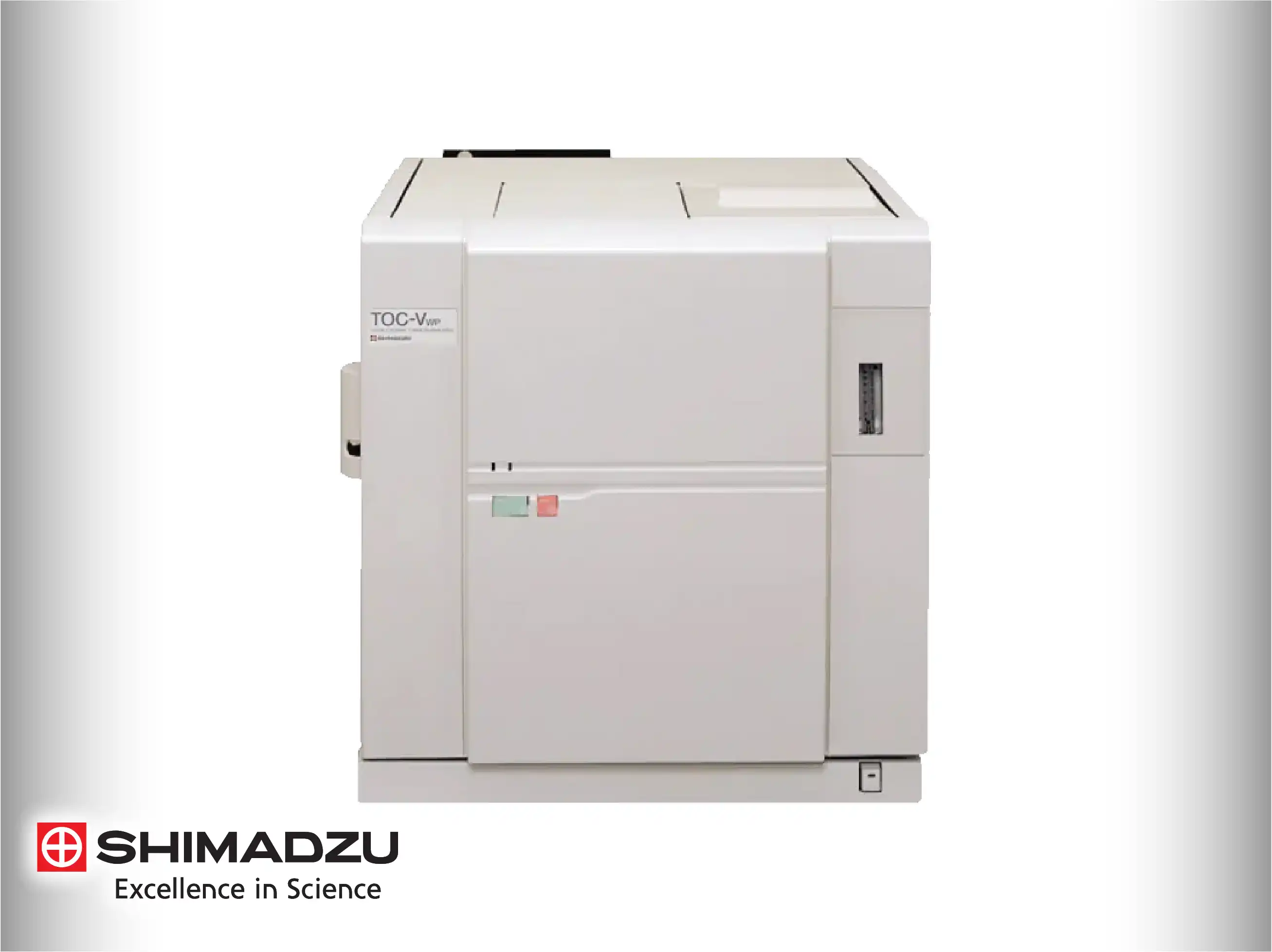
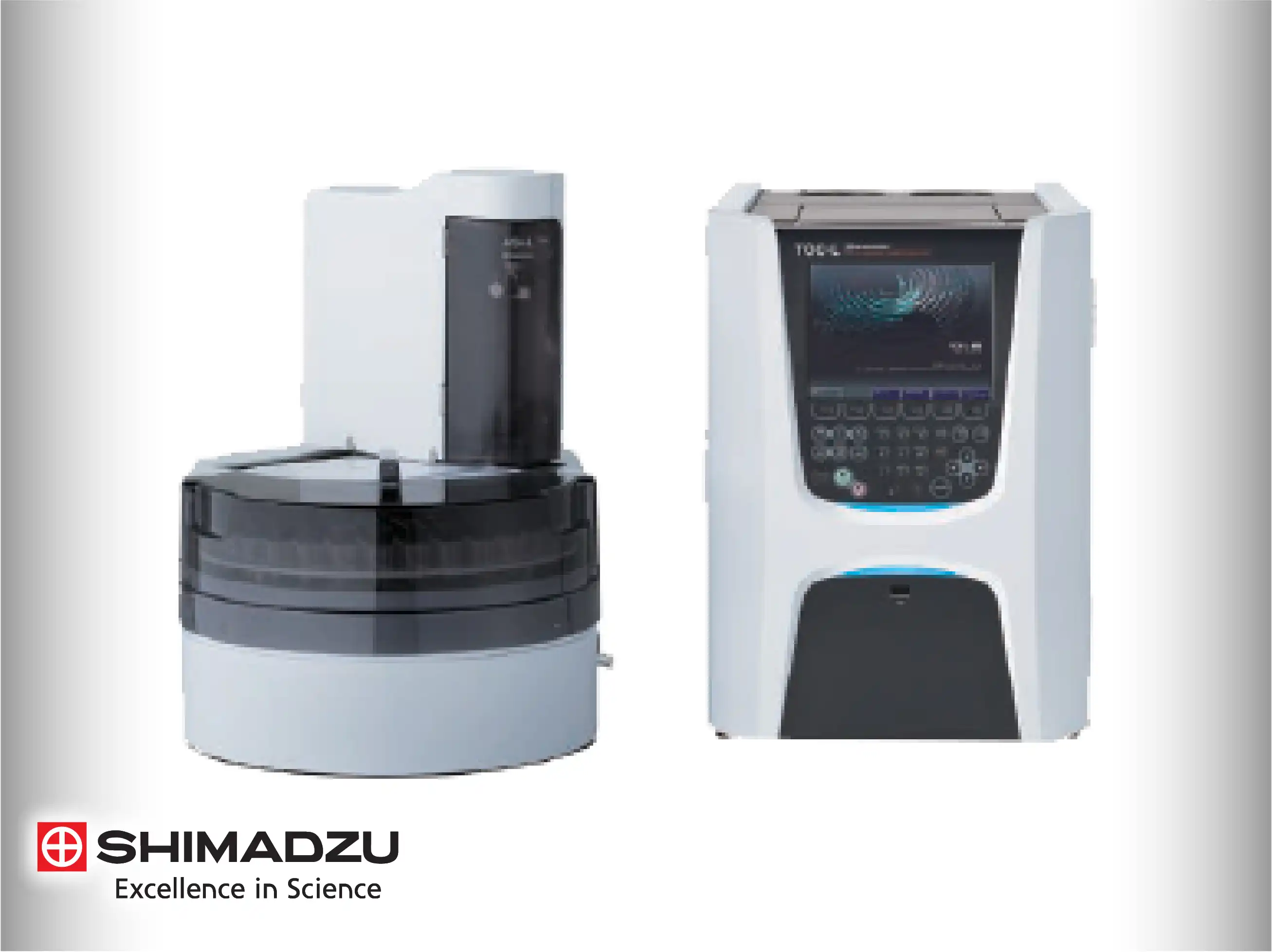
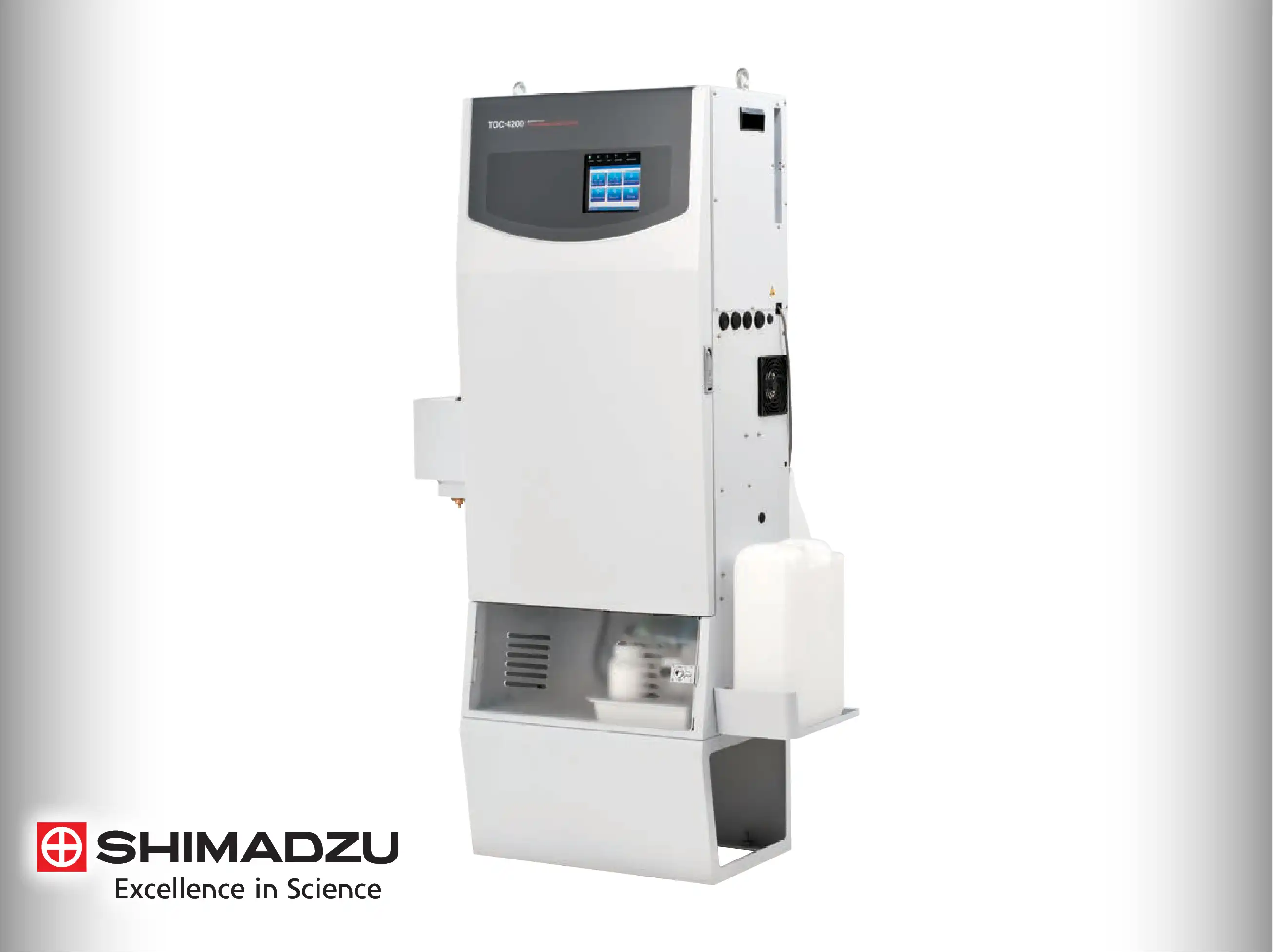
Shimadzu TOC Analyses
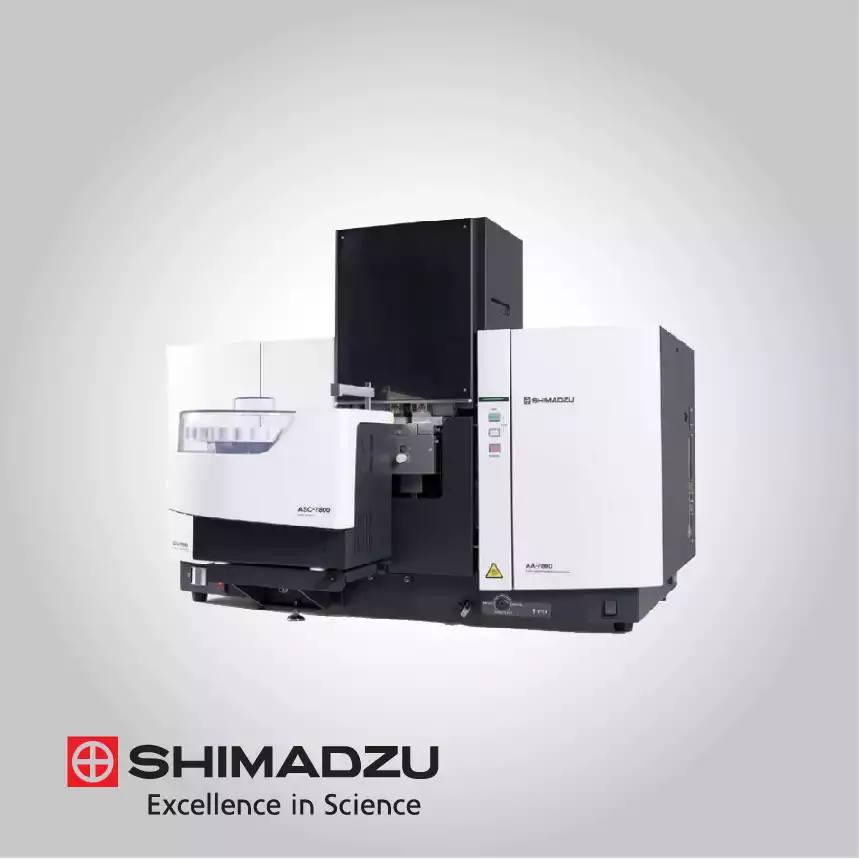
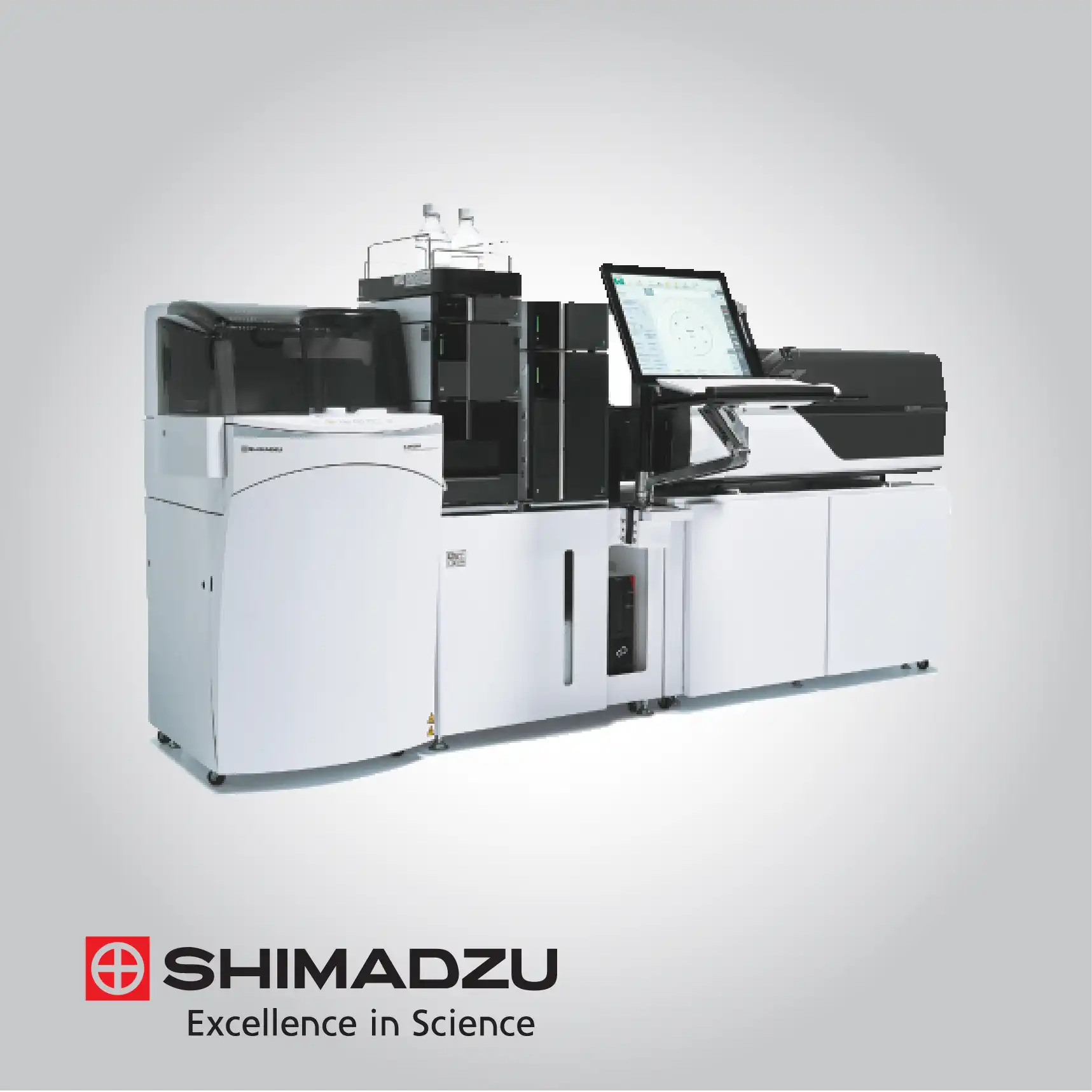
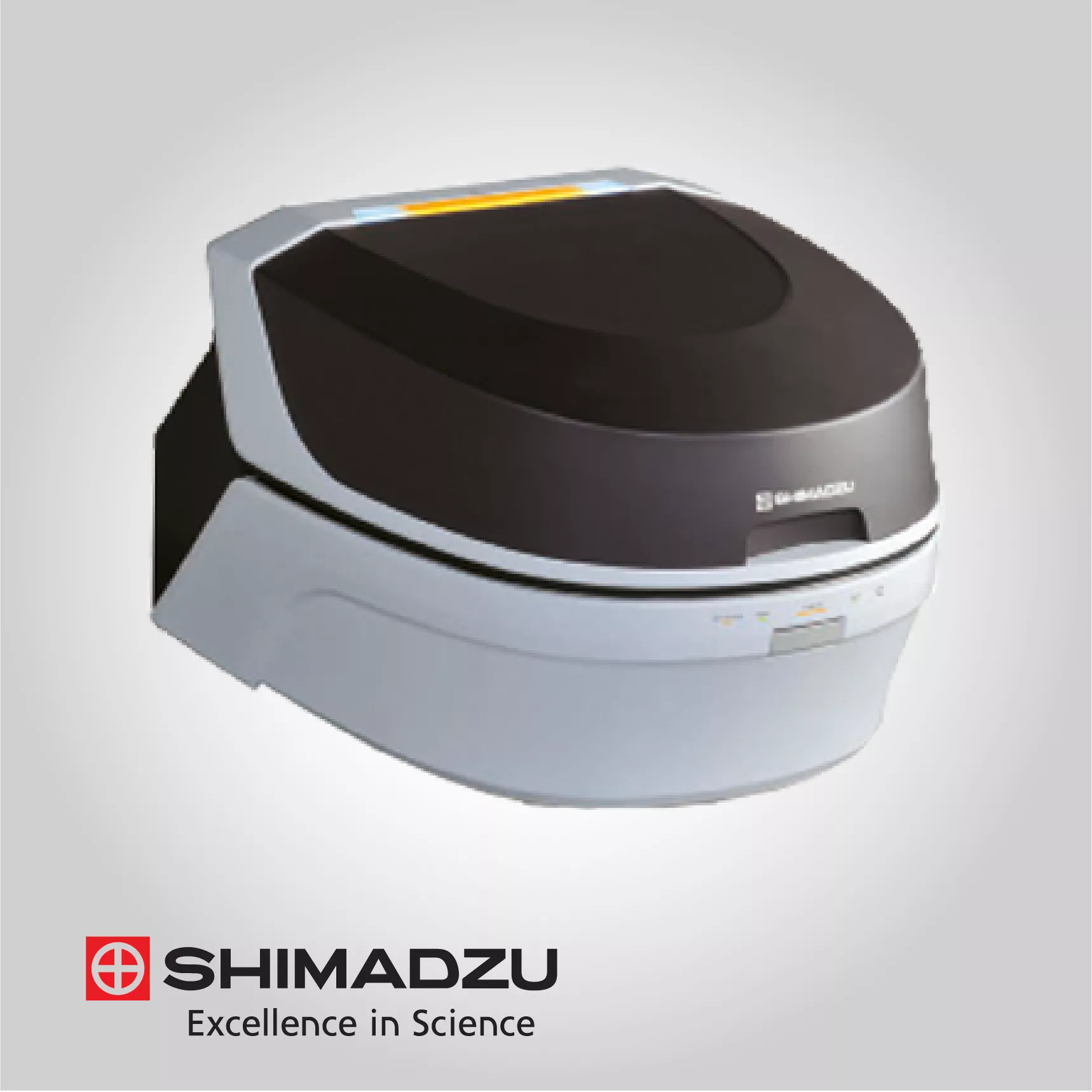
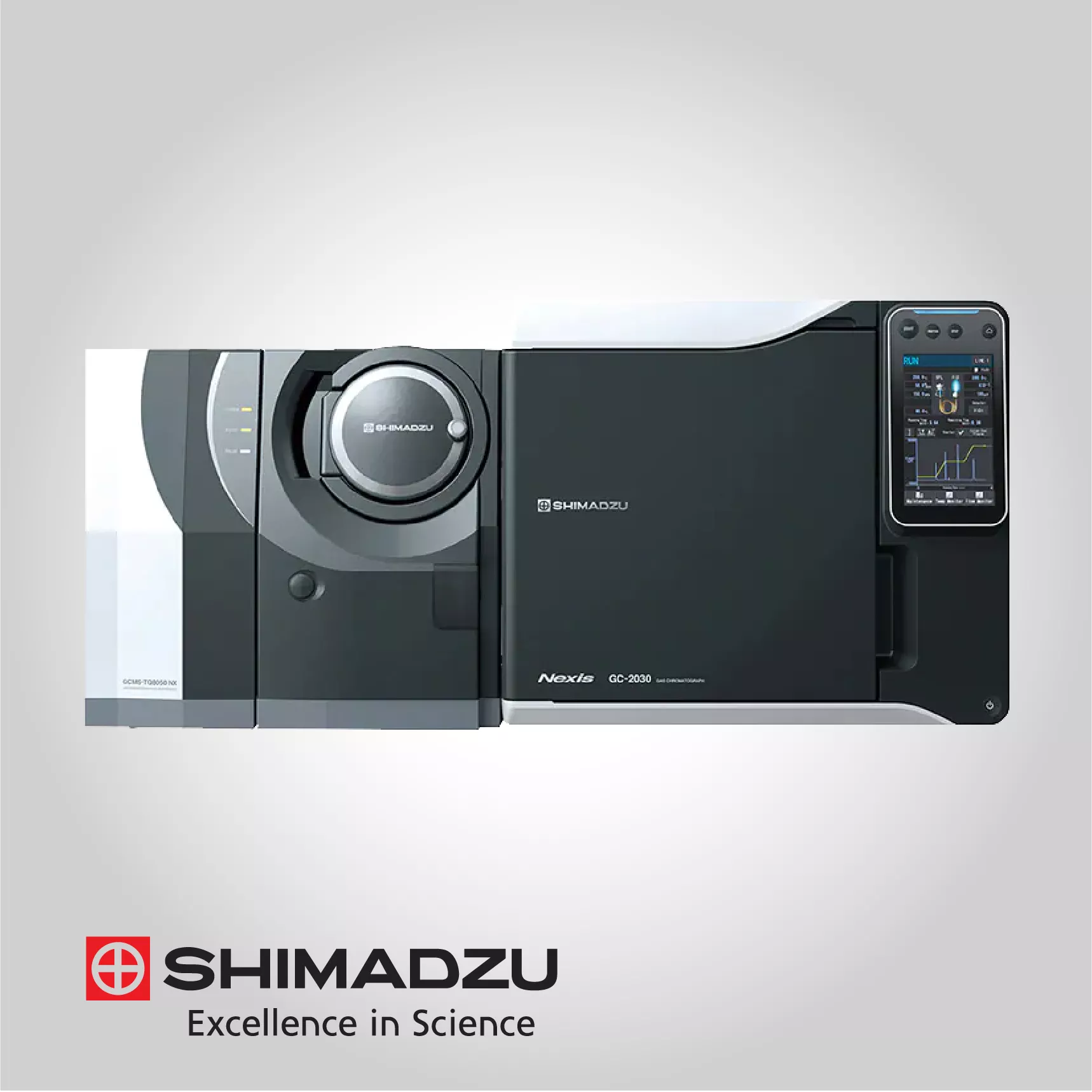
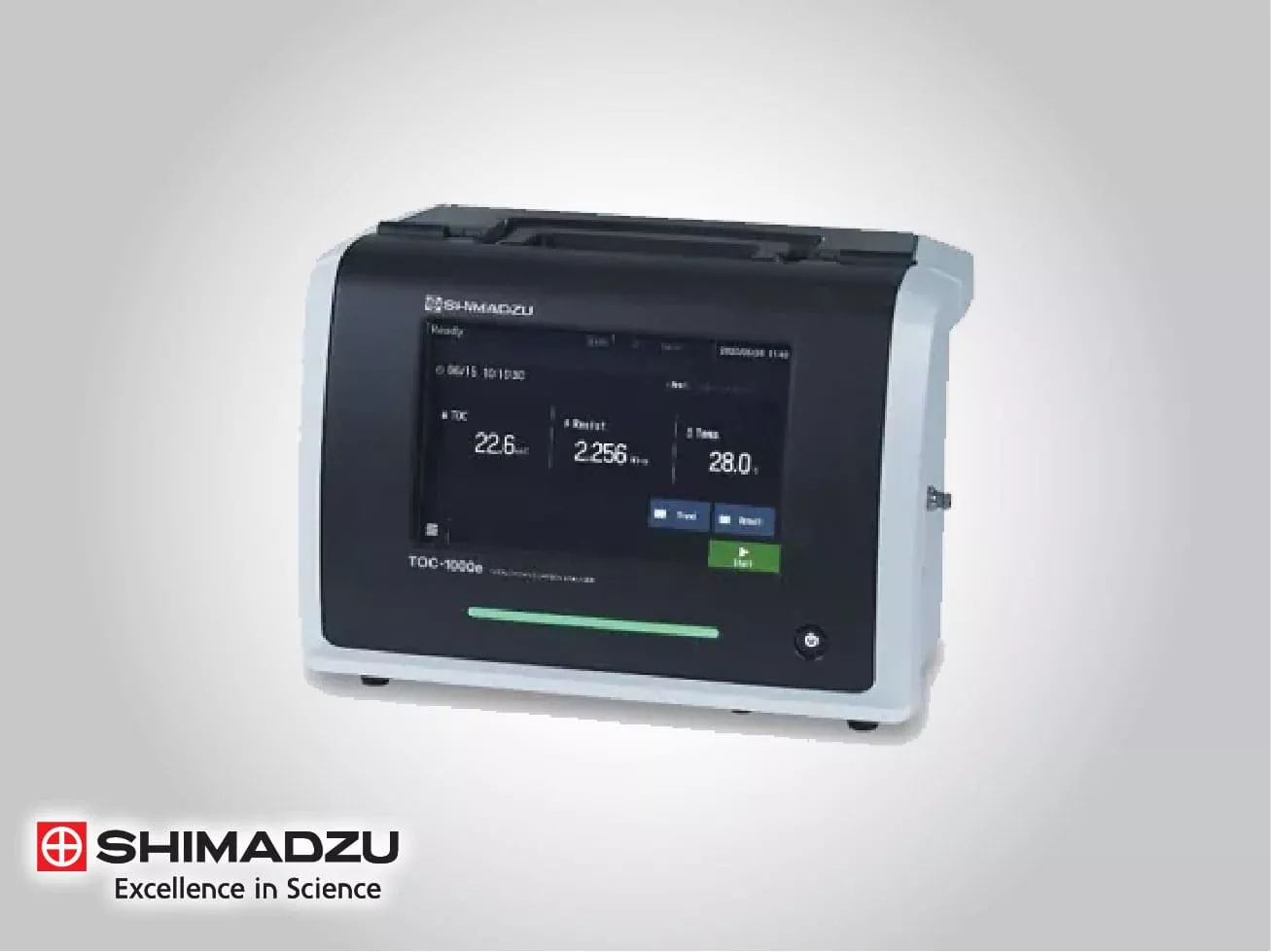
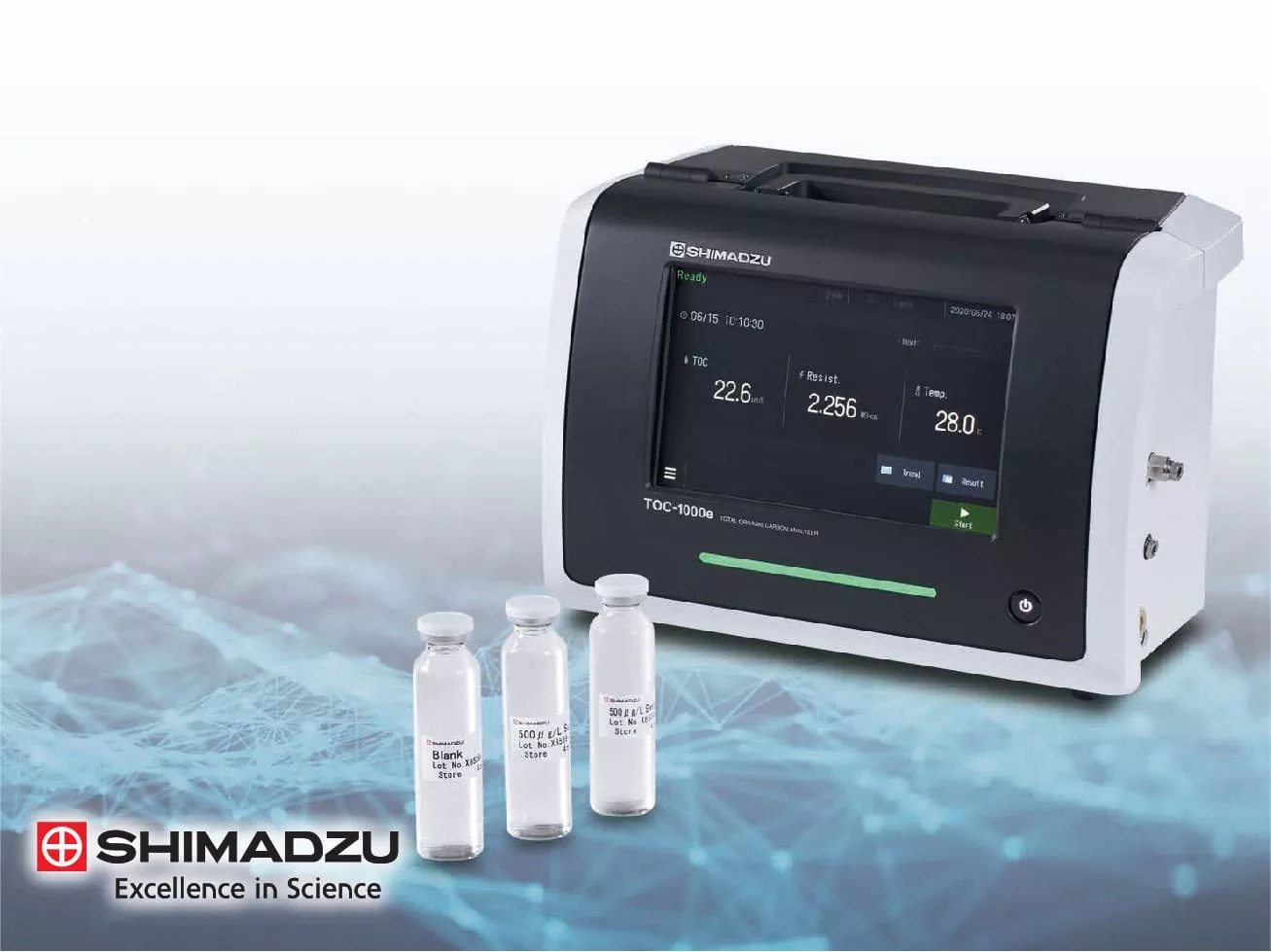
Shimadzu’s Total Organic Carbon (TOC) analysis systems are technically engineered to provide precise and reliable measurements of organic contaminants in various water matrices. These instruments utilize two primary oxidation techniques: the 680 C high-temperature catalytic combustion method and the UV-persulfate wet chemical oxidation method.
Technically, the combustion method is world-renowned for its ability to efficiently oxidize persistent organic compounds and suspended solids, making it ideal for wastewater and environmental monitoring. The systems are designed with "Analytical Intelligence" to automate complex calibration and cleaning procedures, ensuring maximum laboratory throughput while maintaining strict compliance with international regulatory standards for water quality.
Precision Through 680°C Catalytic Combustion
The technical core of Shimadzu’s TOC analyzers lies in the 680 °C catalytic combustion method. This temperature is technically optimal because it is high enough to completely oxidize difficult-to-decompose organic compounds, including those with high molecular weight or insoluble particulates, yet low enough to prevent the melting of salts that could damage the combustion tube. This ensures a complete conversion of organic carbon to carbon dioxide (CO2) for accurate measurement in diverse water matrices.
Advanced NDIR Detection for Ultra-Wide Dynamic Range
Shimadzu utilizes a high-sensitivity Non-Dispersive Infrared (NDIR) detector specifically designed for carbon dioxide measurement. Technically, the detector features an optimized optical path length and advanced signal processing to minimize noise. This allows the system to cover an ultra-wide dynamic range, measuring everything from 4 µg/L (parts-per-billion) in ultrapure water to 30,000 mg/L (parts-per-million) in highly concentrated wastewater without the need for manual adjustment.
Automatic Inorganic Carbon (IC) Removal and Acidification
To ensure that only organic carbon is measured, the system incorporates a technical process for removing Total Inorganic Carbon (IC). The instrument automatically acidifies the sample to lower the pH, converting carbonates and bicarbonates into CO2. A high-purity carrier gas then sparges the sample, carrying away the inorganic CO2. This automated pre-treatment is essential for obtaining precise Total Organic Carbon (TOC) and Non-Purgeable Organic Carbon (NPOC) values.
High-Efficiency UV-Persulfate Wet Oxidation
For laboratories focusing on ultrapure water, the wet chemical oxidation method is technically ideal. This process utilizes a combination of powerful ultraviolet (UV) radiation and a persulfate oxidizing agent. The technical synergy between the UV light and the oxidant ensures the complete mineralization of organics in large sample volumes. This method is particularly valued in the pharmaceutical and semiconductor sectors where extremely low detection limits and high sensitivity are required.
Intelligent Automatic Dilution and Re-Analysis
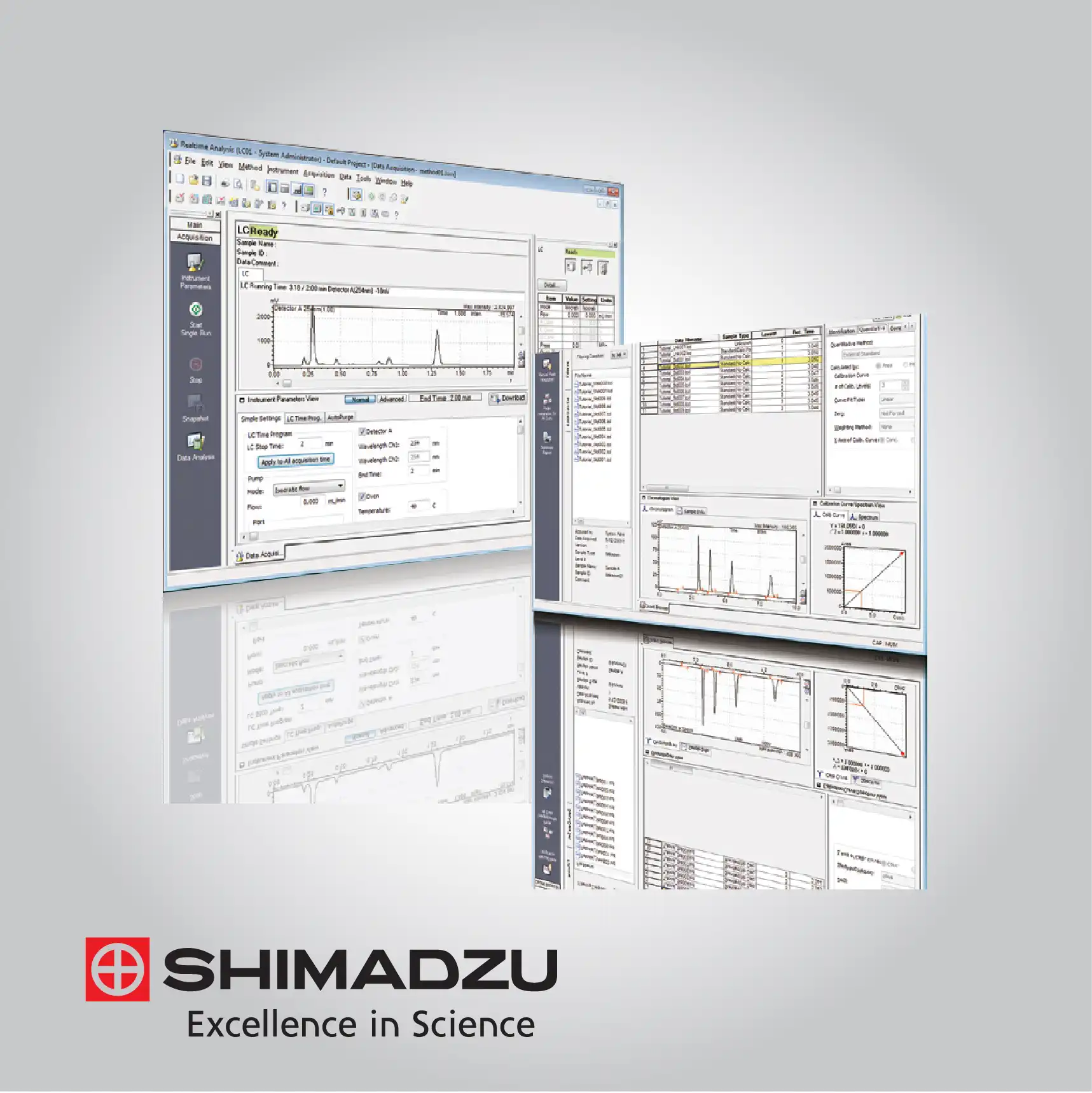
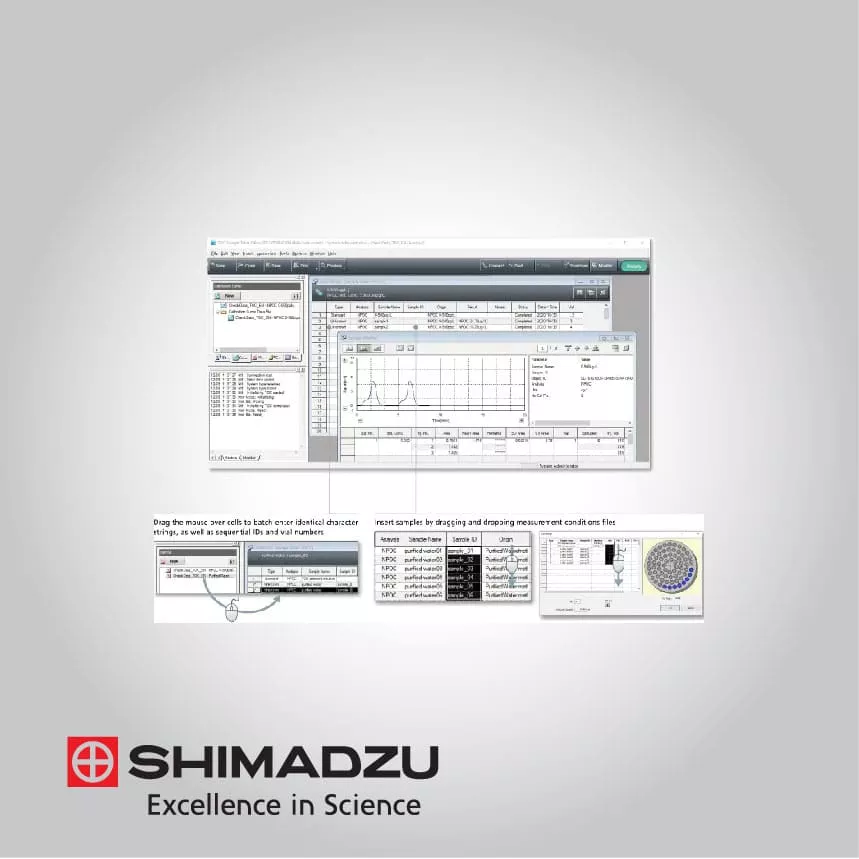
The software features "Analytical Intelligence" that technically automates the handling of out-of-range samples. If a sample concentration exceeds the calibration curve, the system automatically calculates the required dilution ratio, dilutes the sample using its internal pump system, and re-analyzes it. This ensures that accurate data is obtained for unknown samples without operator intervention, maximizing laboratory efficiency and protecting the detector from saturation.
Robust Salt Management and Maintenance Minimization
A significant technical challenge in TOC analysis is the presence of high salt concentrations in samples like seawater. Shimadzu’s combustion tubes are designed with specialized salt-trapping mechanisms to prevent salt accumulation from blocking the catalyst or the flow path. This technical design significantly extends the lifespan of the combustion tube and catalyst, reducing the frequency of maintenance and ensuring stable, long-term performance in environmental testing laboratories.
Simultaneous Total Nitrogen (TN) Measurement
By integrating a chemiluminescence detector, the TOC system can be technically expanded to perform simultaneous Total Nitrogen (TN) analysis. As the sample is oxidized in the combustion furnace, nitrogen compounds are converted to nitrogen monoxide (NO). The NO then reacts with ozone to produce light, which is measured by the detector. This allows laboratories to obtain both TOC and TN data from a single injection, saving time and reducing sample consumption.
Compliance with Global Regulatory Data Integrity
The TOC software is technically designed to meet the rigorous data integrity requirements of the pharmaceutical industry, such as 21 CFR Part 11. It features a centralized database for all analytical results, comprehensive audit trails that track every system change, and multi-level user authentication. These security features ensure that all data is traceable, unalterable, and ready for regulatory inspections by organizations like the FDA or EMA.
Click here for more information about Shimadzu range of products