
Home » Products » Chromatography/Mass Spectrometry » Gas Chromatograph-Mass Spectrometry » Shimadzu Single Quadrupole GC-MS
GC-MS
|
High-Performance Single Quadrupole GC-MS Systems
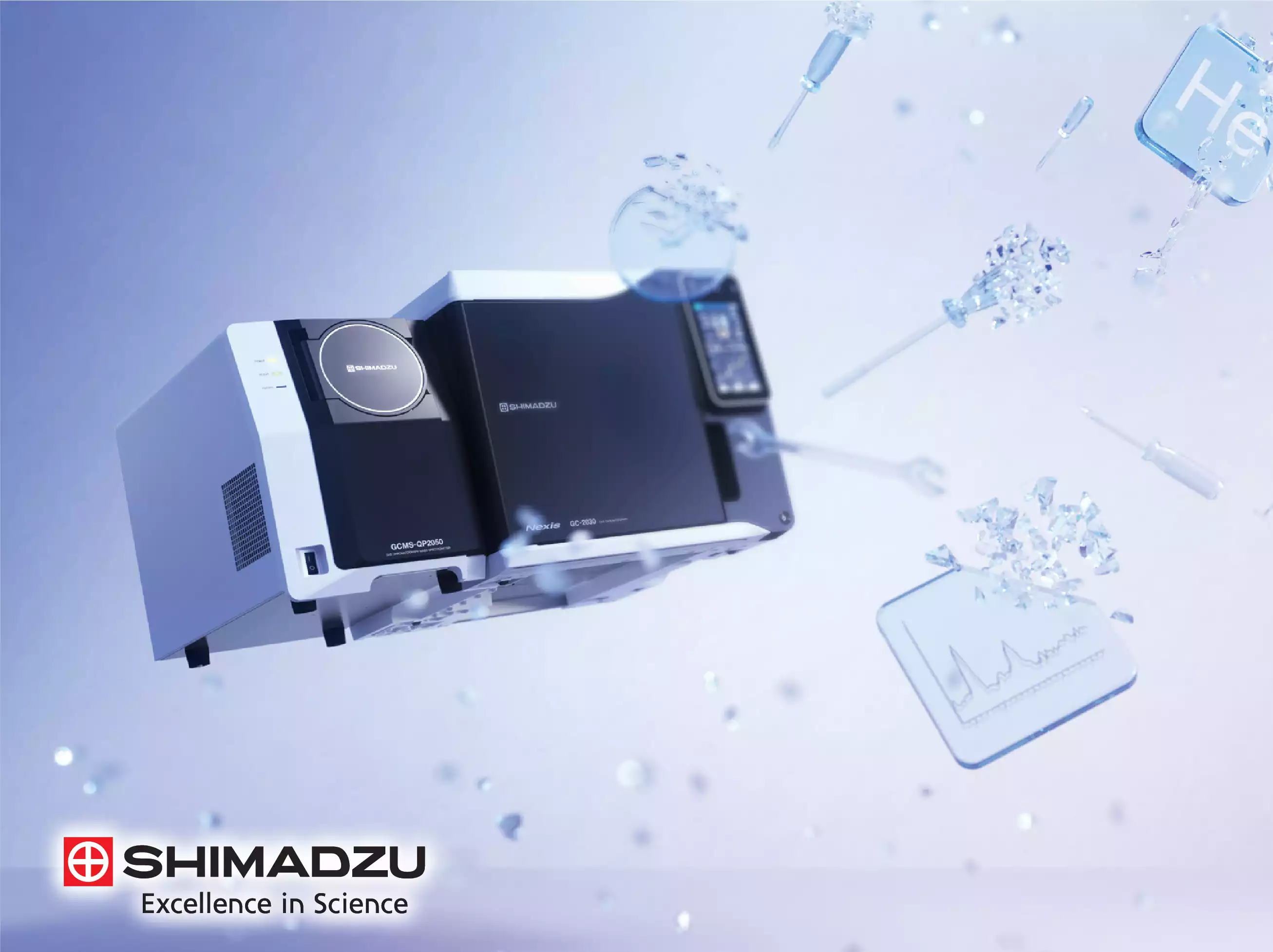
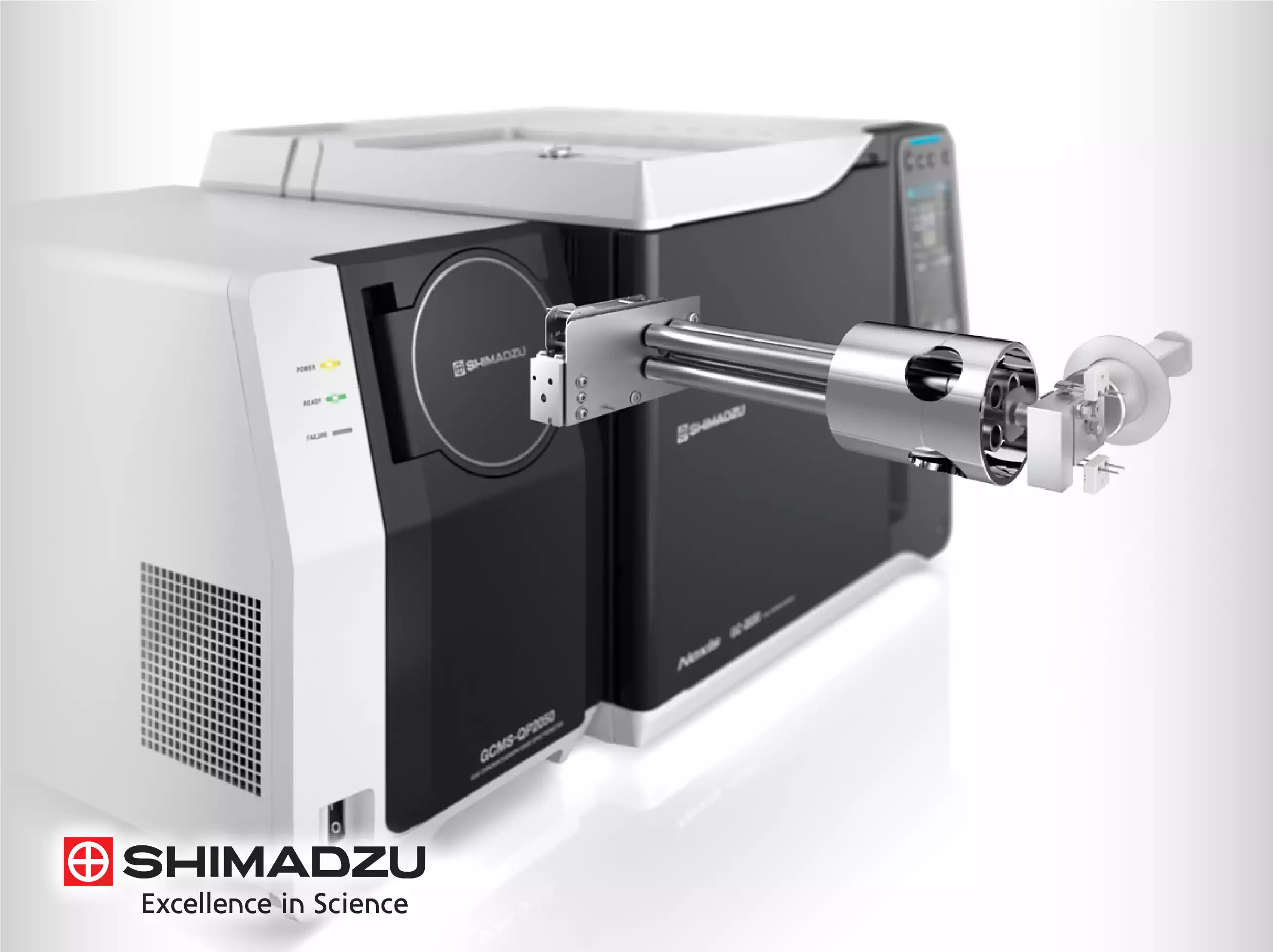
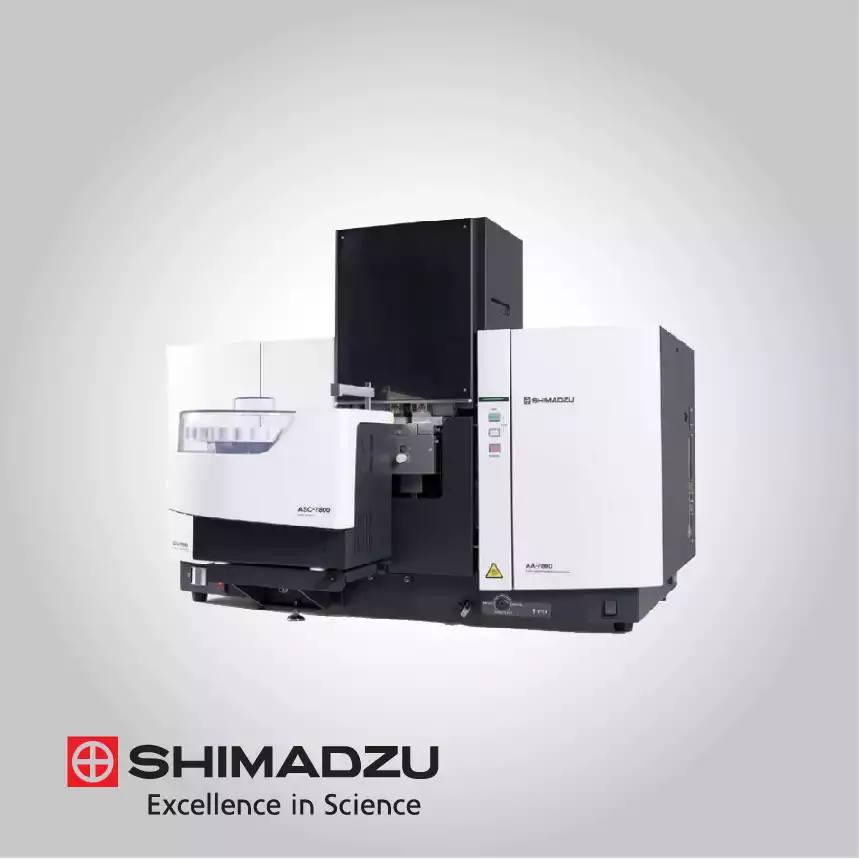
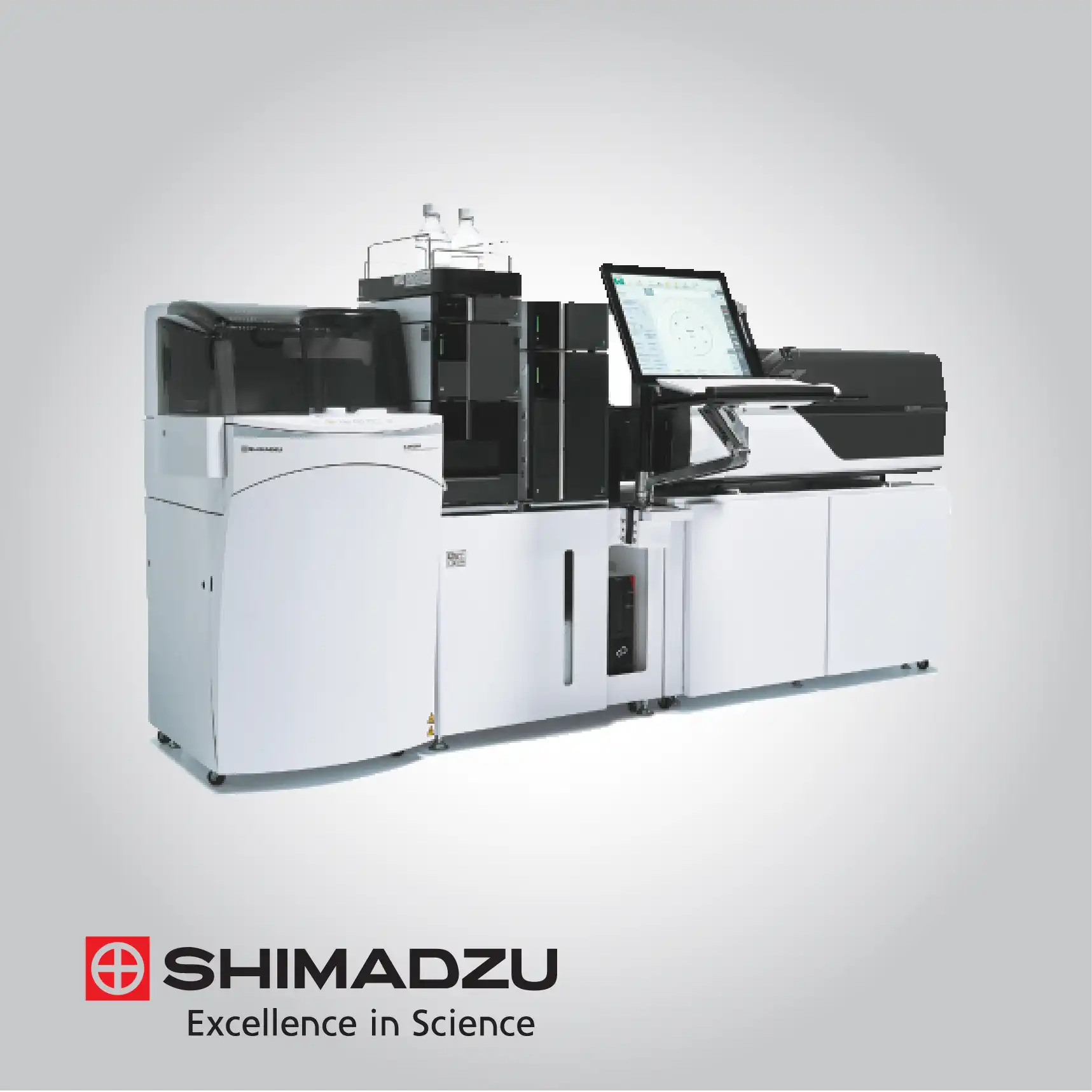
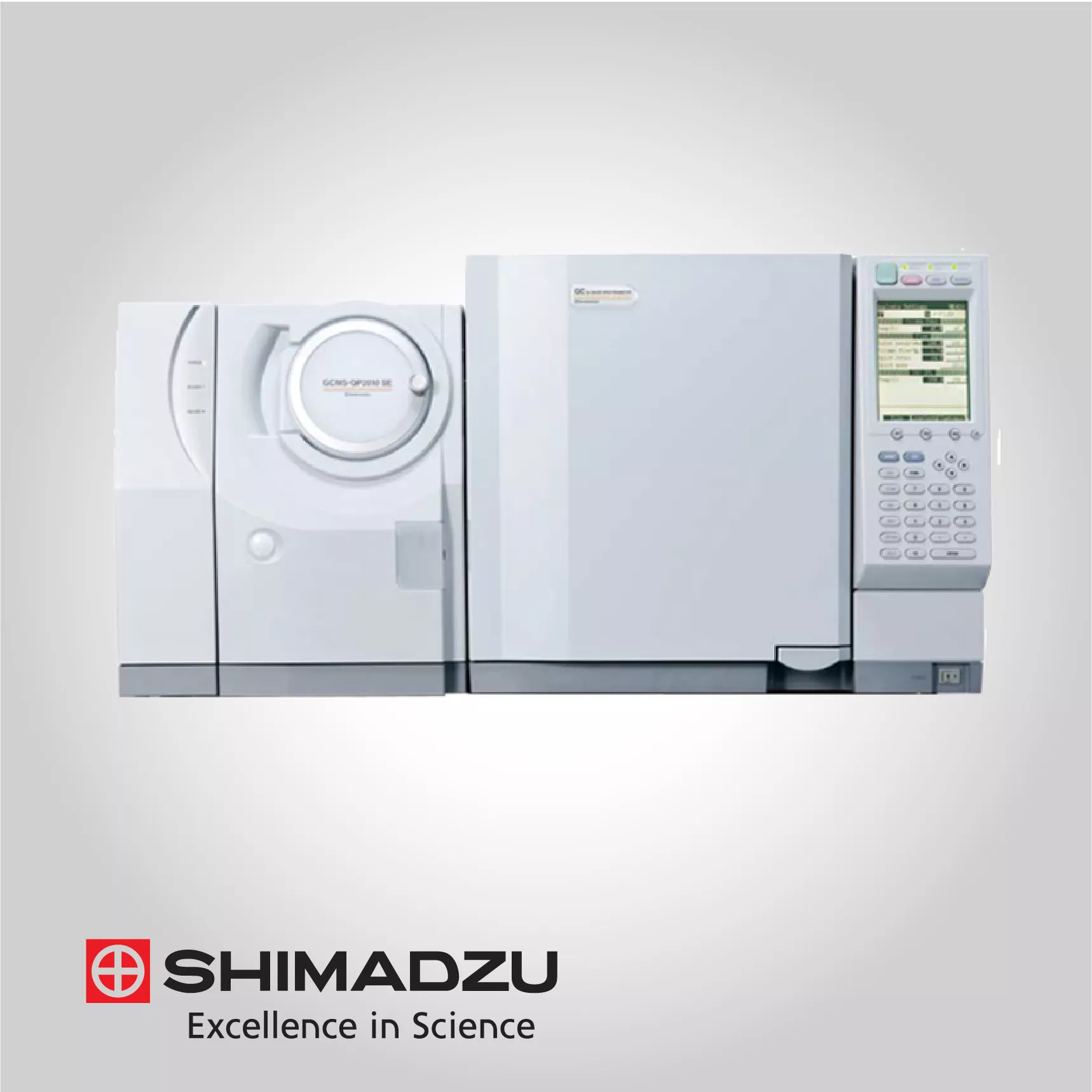
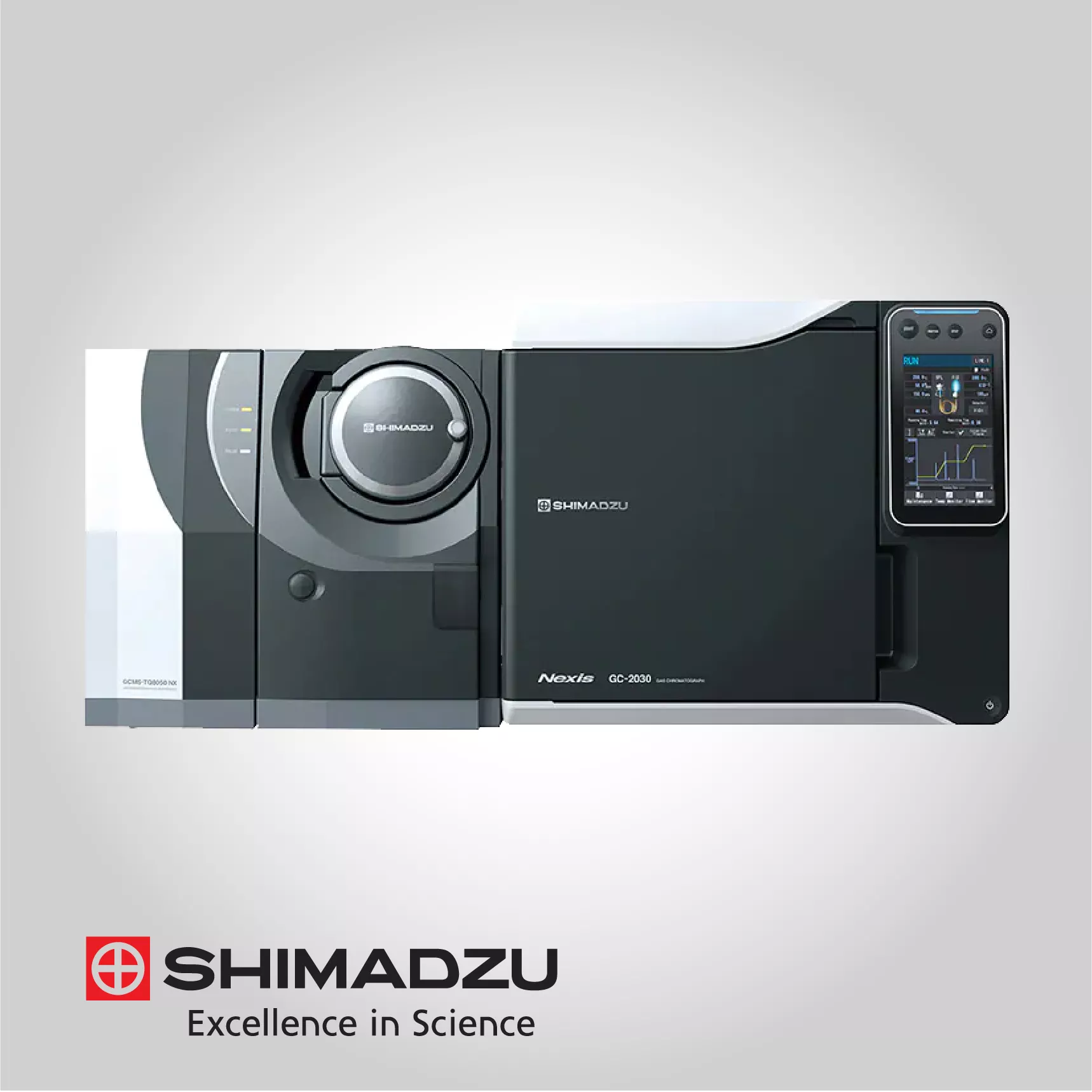
Shimadzu Single Quadrupole GC-MS
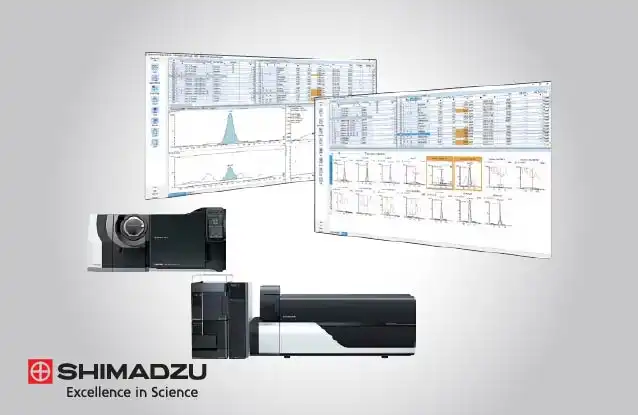
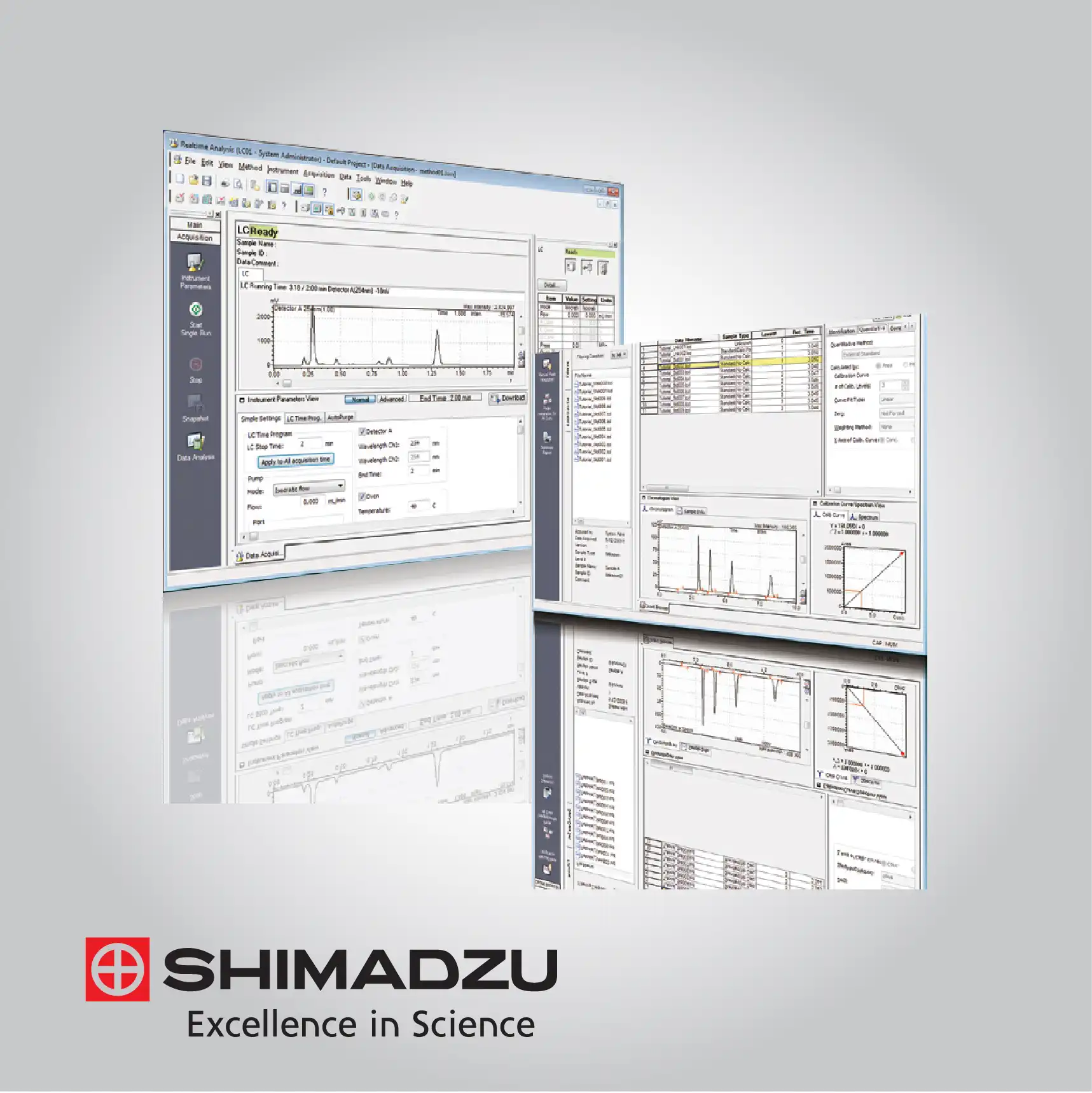
Beyond raw analytical performance, Shimadzu incorporates "Analytical Intelligence" into its single quadrupole GC-MS platforms to automate routine laboratory operations and enhance data reliability. This technical framework includes features such as automated system startup, baseline monitoring, and the "Peakintelligence" AI engine, which utilizes deep learning to perform peak integration with the precision of an expert analyst.
The systems are also designed with a focus on ease of use, featuring "tool-free" maintenance for ion sources and the ability to switch between ionization modes, such as Electron Ionization (EI) and Chemical Ionization (CI), with minimal effort.
Ultra-Fast Mass Spectrometry (UFMS) Technology
Shimadzu’s single quadrupole GC-MS systems utilize UFMS technology to achieve scanning speeds of up to 20,000 u/sec. This technical capability is essential for accurately capturing the narrow peaks produced by fast GC or high-resolution capillary columns. By maintaining sensitivity at high speeds, the system ensures that qualitative library searching remains reliable even during rapid screening. This high-speed acquisition also allows for the simultaneous collection of Scan and SIM (Selected Ion Monitoring) data in a single run, providing both comprehensive compound identification and high-sensitivity quantitation.
High-Sensitivity Ion Source Design
The ion source is technically optimized to maximize the production and transmission of ions. Featuring a specialized filament and focusing lenses, the design ensures that a high density of ions is directed toward the mass filter. The ion source is also engineered for robustness, with temperature-controlled housing that prevents the accumulation of contaminants. This stability is critical for long-term analysis of complex sample matrices, such as soil extracts or biological fluids, where ion source fouling can typically lead to a loss of sensitivity over time.
"Peakintelligence" AI-Driven Peak Integration
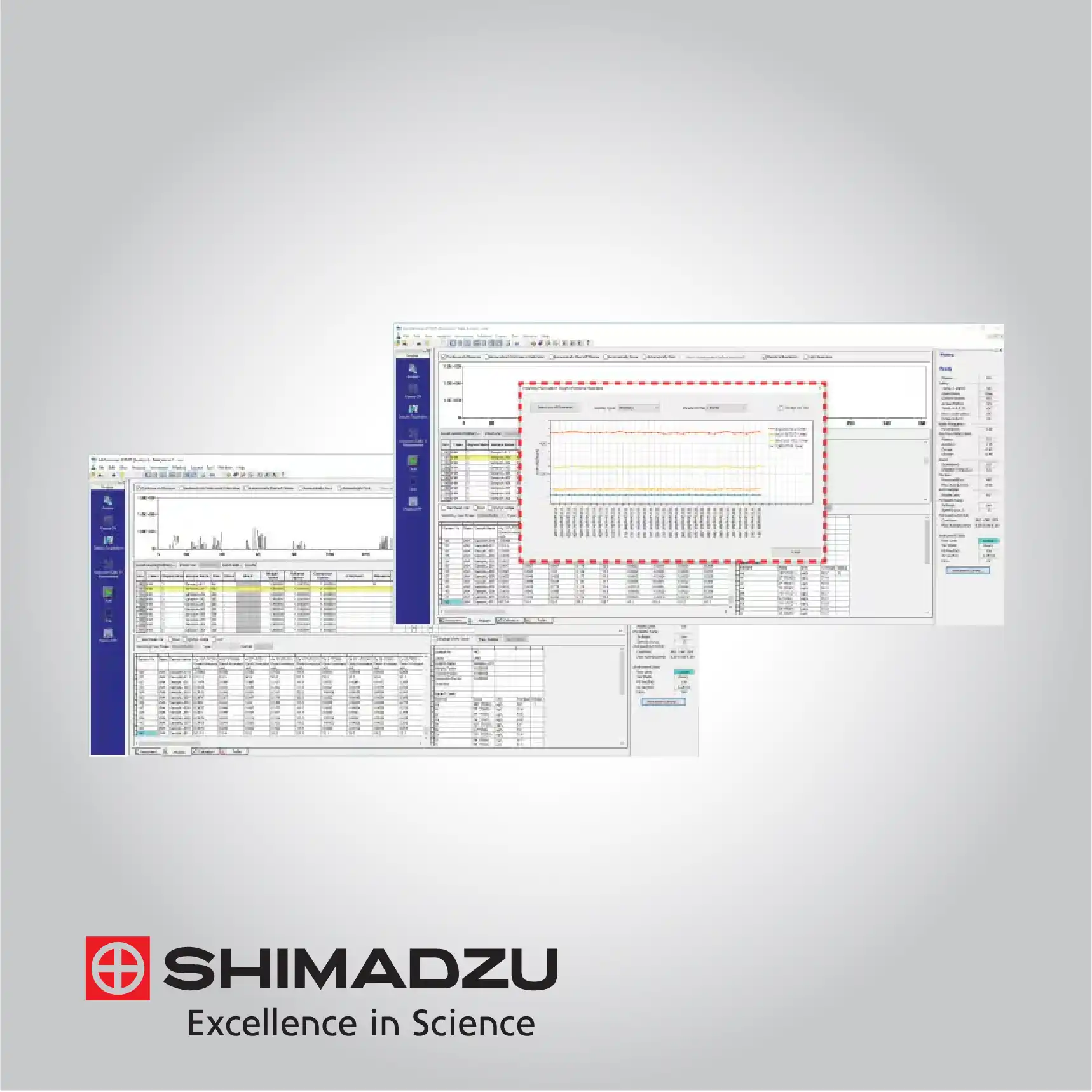
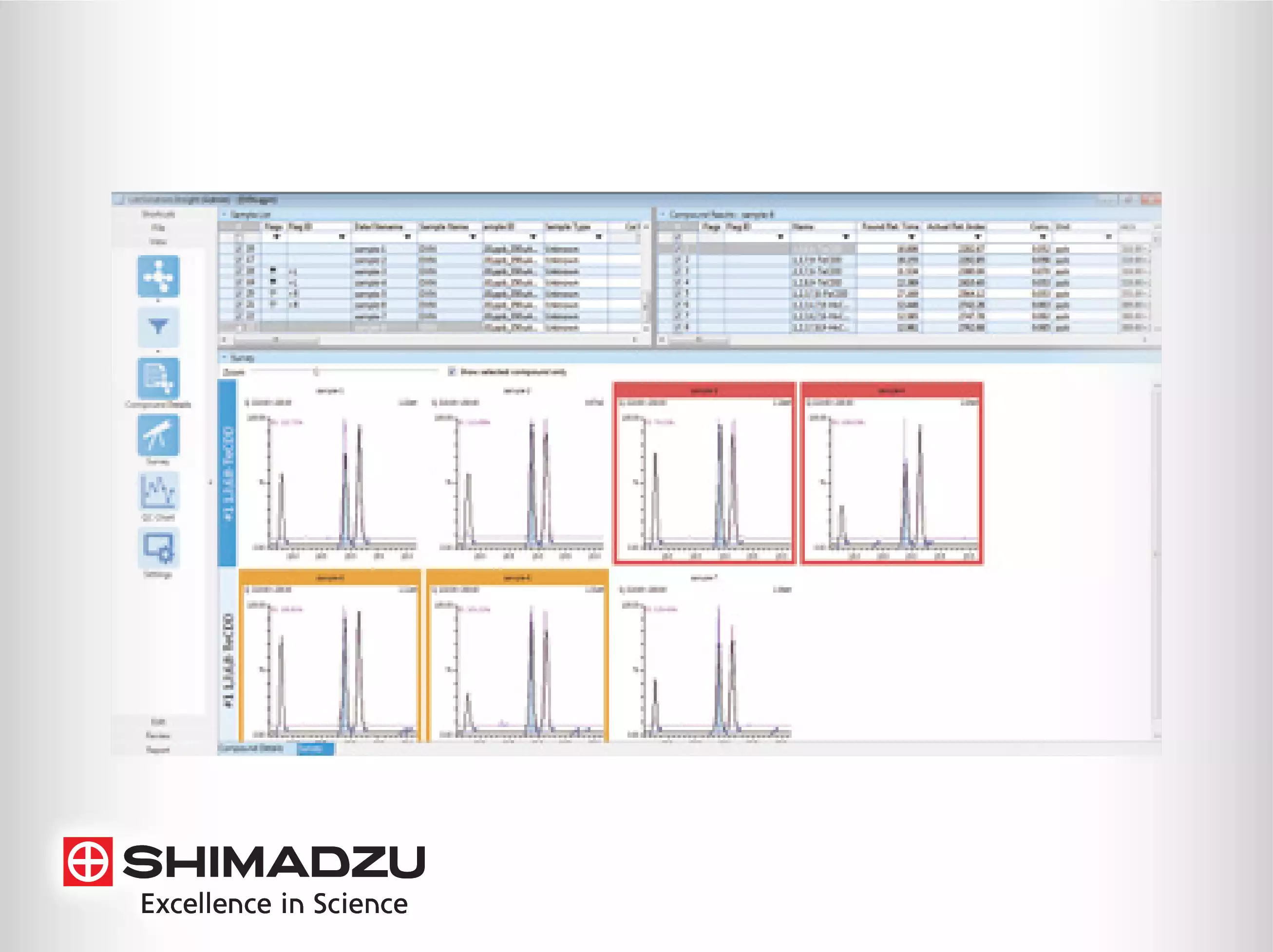
The integration of "Peakintelligence" software represents a major technical leap in data processing. Using an AI algorithm trained on expert integration patterns, the software can automatically identify and integrate peaks without the need for manual parameter adjustment. Technically, this AI can distinguish between baseline noise and actual analytes even in complex chromatograms with overlapping peaks. This reduces processing time by up to 75% and eliminates human subjectivity, ensuring that the results are consistent regardless of the operator's experience level.
Tool-Free Maintenance and Easy Interface
To minimize instrument downtime, the single quadrupole systems feature a "tool-free" maintenance design for the ion source and desolvation line. Users can access and clean the ion source without the need for specialized tools, facilitating rapid return to operation. Technically, the system's interface is designed for accessibility, allowing for the easy replacement of filaments or the switching between ionization probes. This focus on serviceability ensures that the instrument remains productive in high-throughput environments where every minute of uptime is valuable.
High-Capacity Vacuum System for Reliable Operation
A robust vacuum system is the heart of a high-performance mass spectrometer. Shimadzu utilizes high-capacity turbomolecular pumps (TMP) that provide a high vacuum even when high carrier gas flow rates are used. This technical configuration supports the use of larger internal diameter columns and prevents ion scattering within the flight path. The differential pumping design ensures that the mass analyzer remains under optimal vacuum conditions, providing stable mass spectra and high sensitivity for trace-level detection.
Smart SIM and Automated Method Development
The "Smart SIM" function is a technical feature that automates the creation of Selected Ion Monitoring (SIM) methods. Based on the retention times of target compounds, the software automatically calculates the optimal grouping of ions and dwell times to ensure maximum sensitivity for each analyte. This eliminates the technical difficulty of manually configuring complex SIM tables for multi-component analysis, such as pesticide residue screening. The resulting methods are more efficient, capturing more data points per peak for improved quantitative precision.
Flexible Ionization Modes: EI, CI, and NCI
These GC-MS systems support multiple ionization techniques to broaden the range of detectable analytes. While Electron Ionization (EI) is the standard for library-matching qualitative analysis, Chemical Ionization (CI) and Negative Chemical Ionization (NCI) provide enhanced selectivity for specific compound classes. Technically, switching between these modes is simplified through specialized probes and software controls. NCI, in particular, is utilized for its exceptional sensitivity toward halogenated compounds, making it a critical tool for environmental pollutants and forensic drug analysis.
Data Integrity and Regulatory Compliance
The software platforms managing these systems are designed to comply with global regulatory standards such as FDA 21 CFR Part 11. Technically, this includes secure database management for all analytical results, comprehensive audit trails that log every change to a data file, and multi-level user access controls. This ensures full traceability from the initial sample injection to the final analytical report. These data integrity features protect the laboratory from unauthorized data manipulation and ensure that all results are verifiable during regulatory audits.
Click here for more information about Shimadzu range of products
.webp)