
Home » Products » Chromatography/Mass Spectrometry » Liquid Chromatograph-Mass Spectrometry » Shimadzu Automated LC-MS/MS
Automated LC-MS/MS
|
Fully Automated Sample Preparation


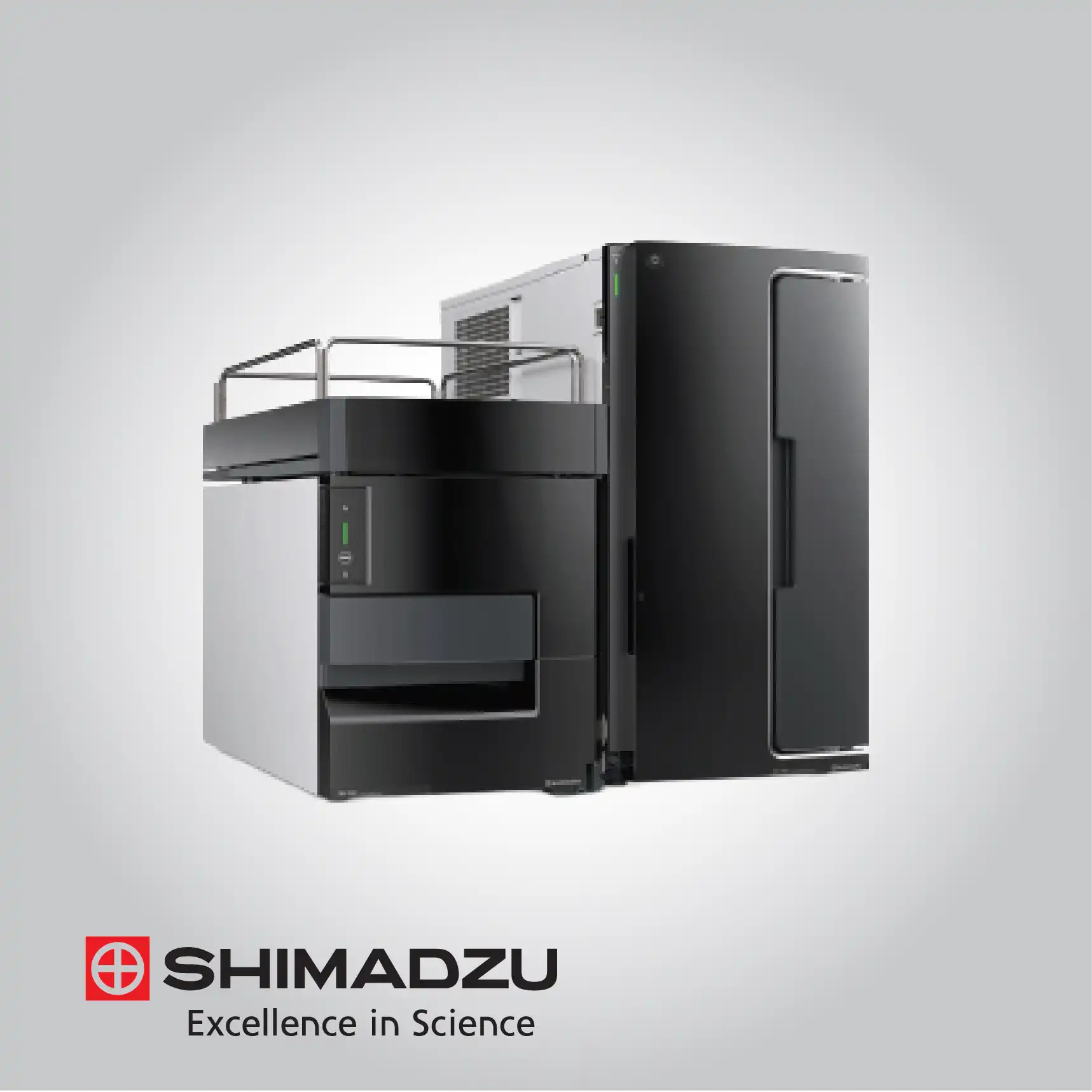
Shimadzu Automated LC-MS/MS
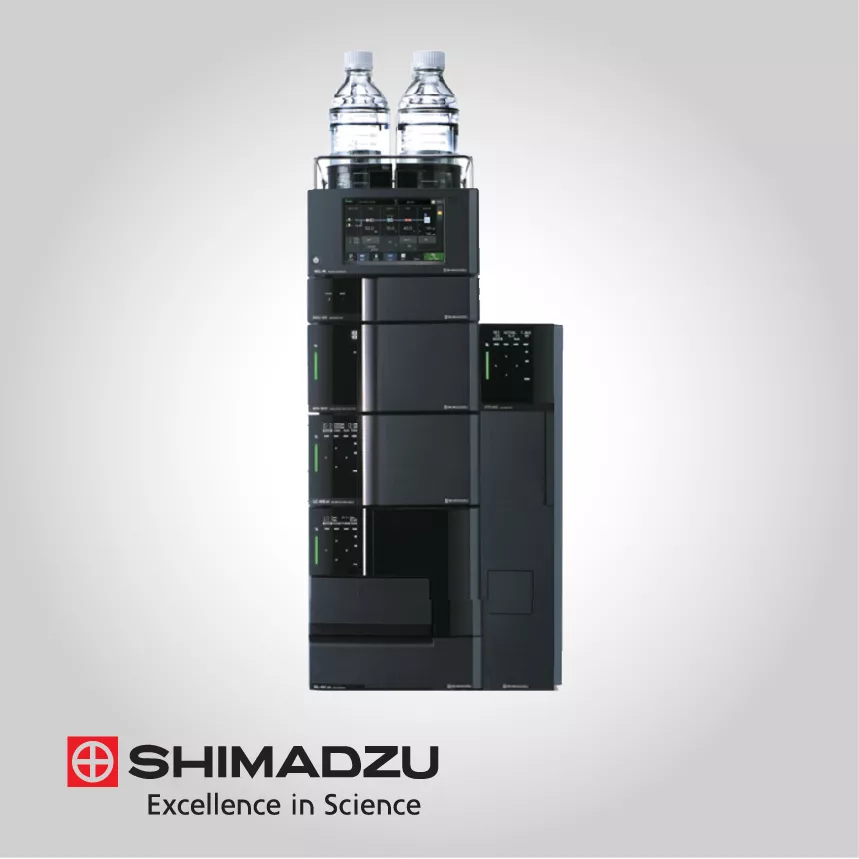
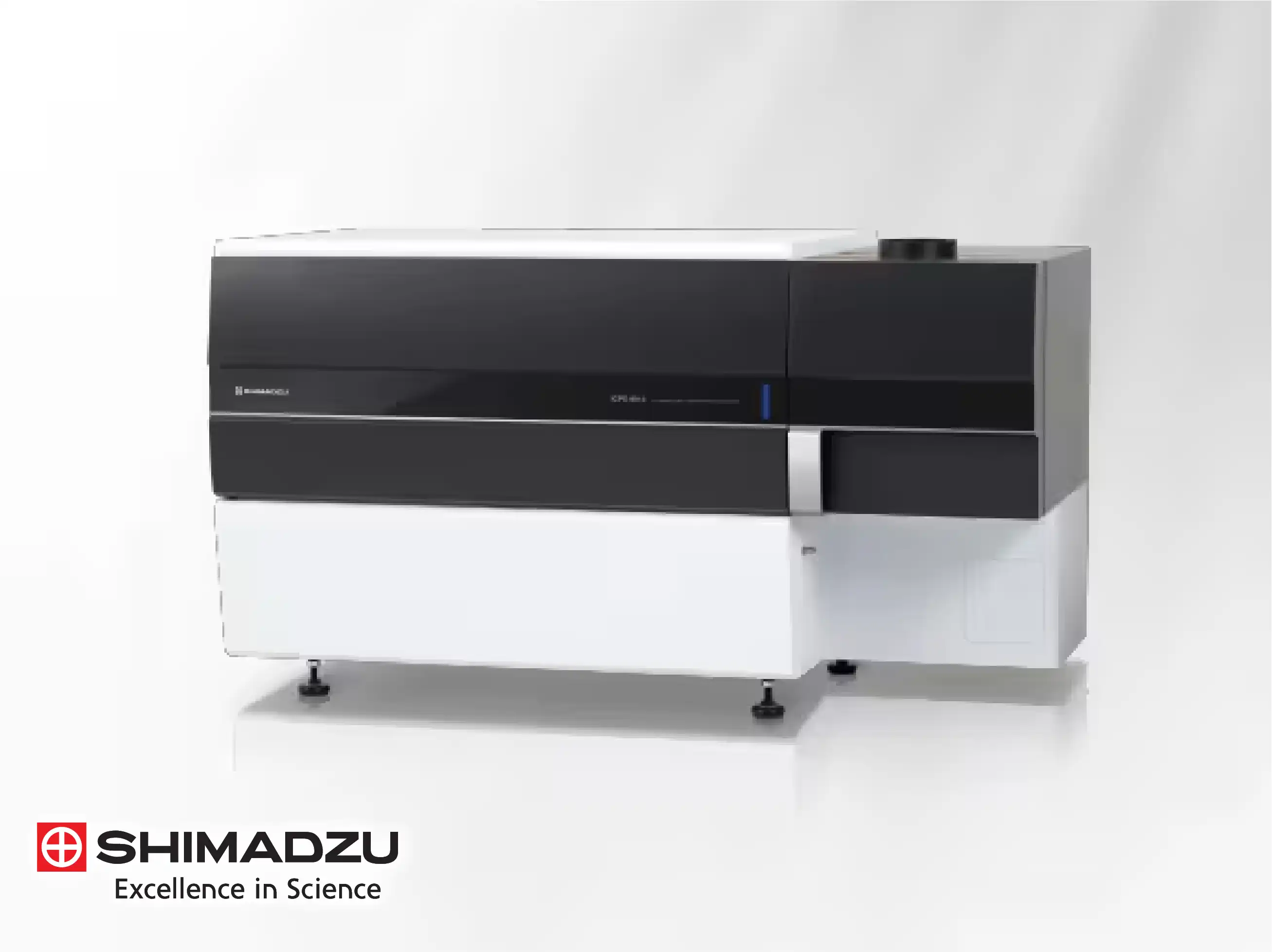
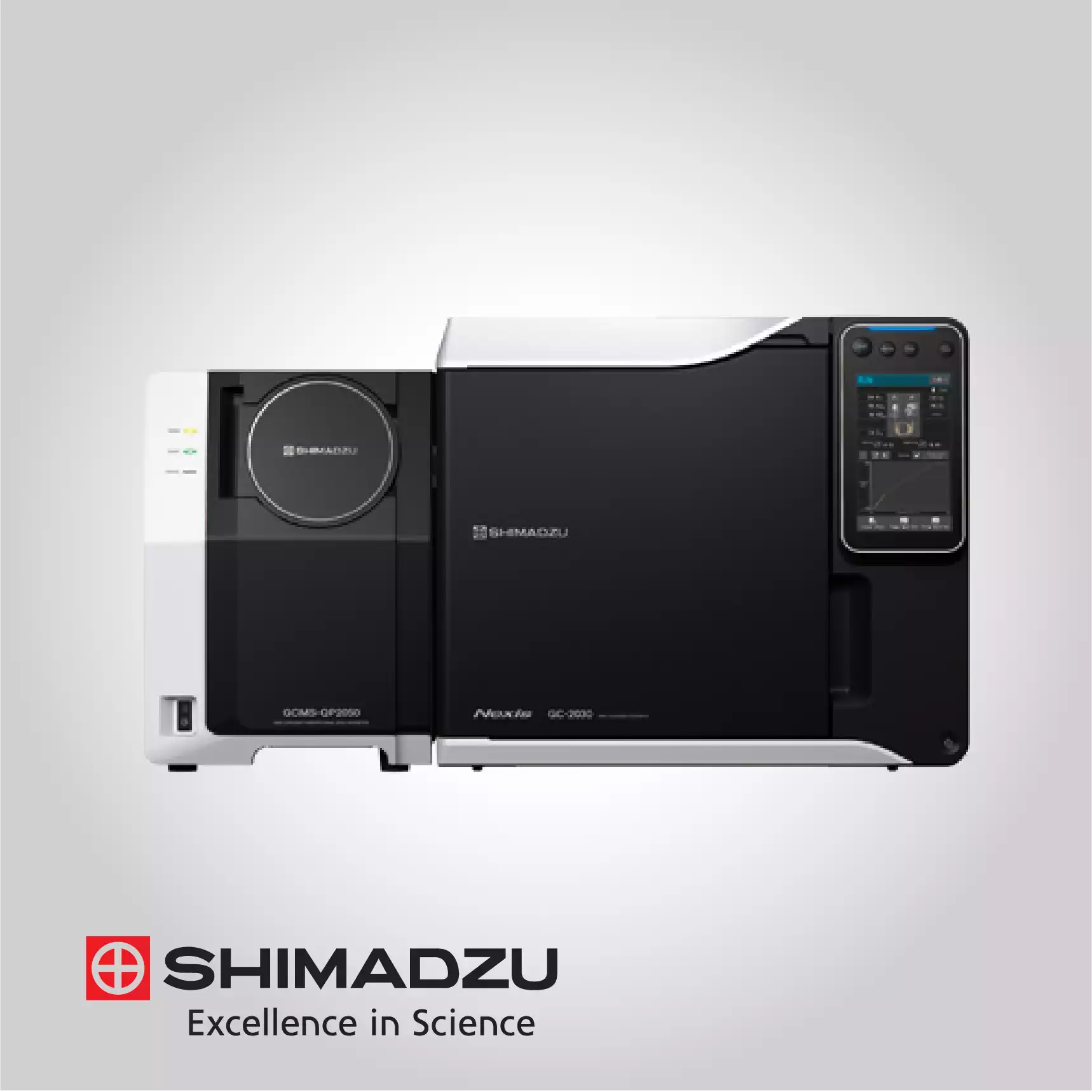
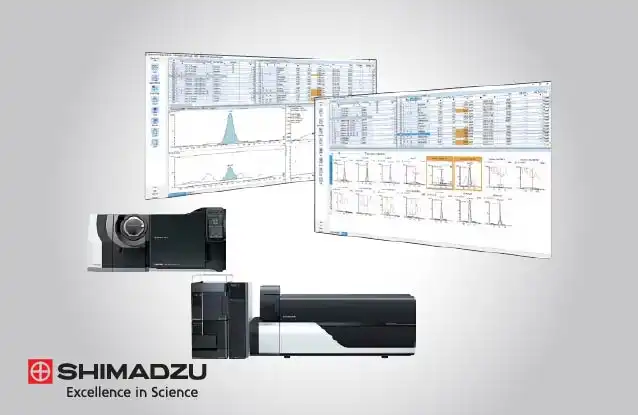
Shimadzu’s Automated LC-MS/MS systems set a new standard in liquid chromatography and mass spectrometry by integrating automation for enhanced efficiency and precision. These systems are designed to reduce manual intervention, allowing laboratories to handle large volumes of samples seamlessly.
By automating processes such as sample preparation, data acquisition, and analysis, the technology significantly enhances throughput and minimizes human error. It is particularly beneficial for industries requiring high levels of accuracy, including pharmaceuticals, food safety, and environmental analysis.
Integrated Primary Tube Handling and Identification
Technically, the system begins with the automated identification of samples using integrated barcode readers. This ensures that the identity of the sample is maintained throughout the entire preparation and analysis process. The hardware is designed to accommodate various sizes of primary collection tubes, eliminating the need for manual aliquoting into secondary vials. This feature is critical for maintaining a chain of custody in forensic and clinical environments where sample integrity is paramount.
Automated Internal Standard Addition and Deproteinization
One of the most sensitive technical steps in LC-MS/MS is the addition of internal standards. These automated systems utilize precision liquid handling robots to deliver exact volumes of standards and reagents. For biological samples, the system performs automated deproteinization (protein precipitation) by adding solvents and mixing. This ensures that the resulting supernatant is clean and free of interfering proteins, protecting the LC column and the mass spectrometer from contamination.
Synchronized Centrifugation and Filtration
Following precipitation, the system utilizes an integrated centrifuge to separate the solids from the liquid phase. Technically, the robotic arm transfers the sample plates or tubes to the centrifuge, where parameters like speed and time are controlled by the central software. Some configurations also support automated filtration steps. This seamless transition from chemical treatment to physical separation ensures that the sample injection into the LC-MS/MS is consistent and free of particulates.
Parallel Processing and Task Scheduling
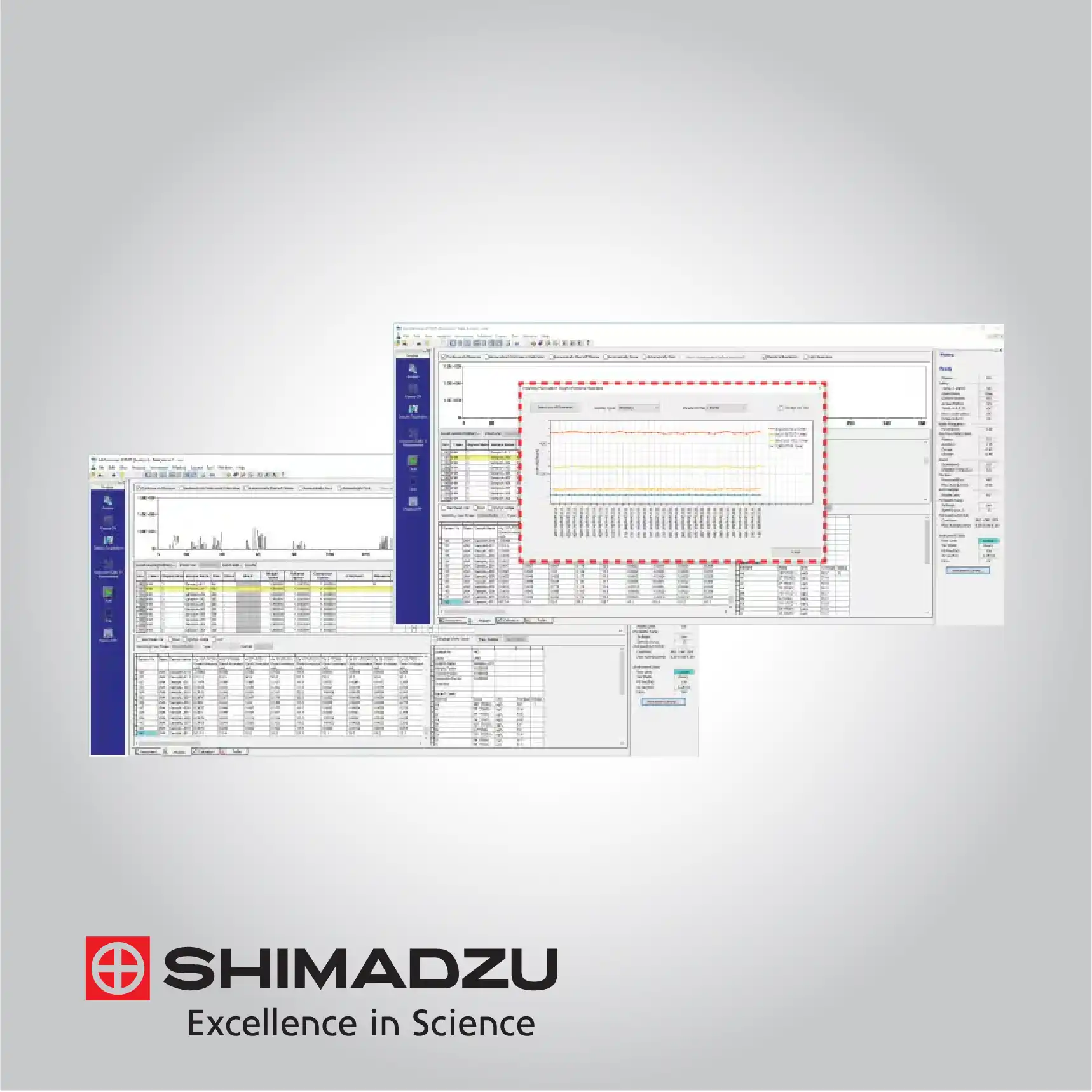
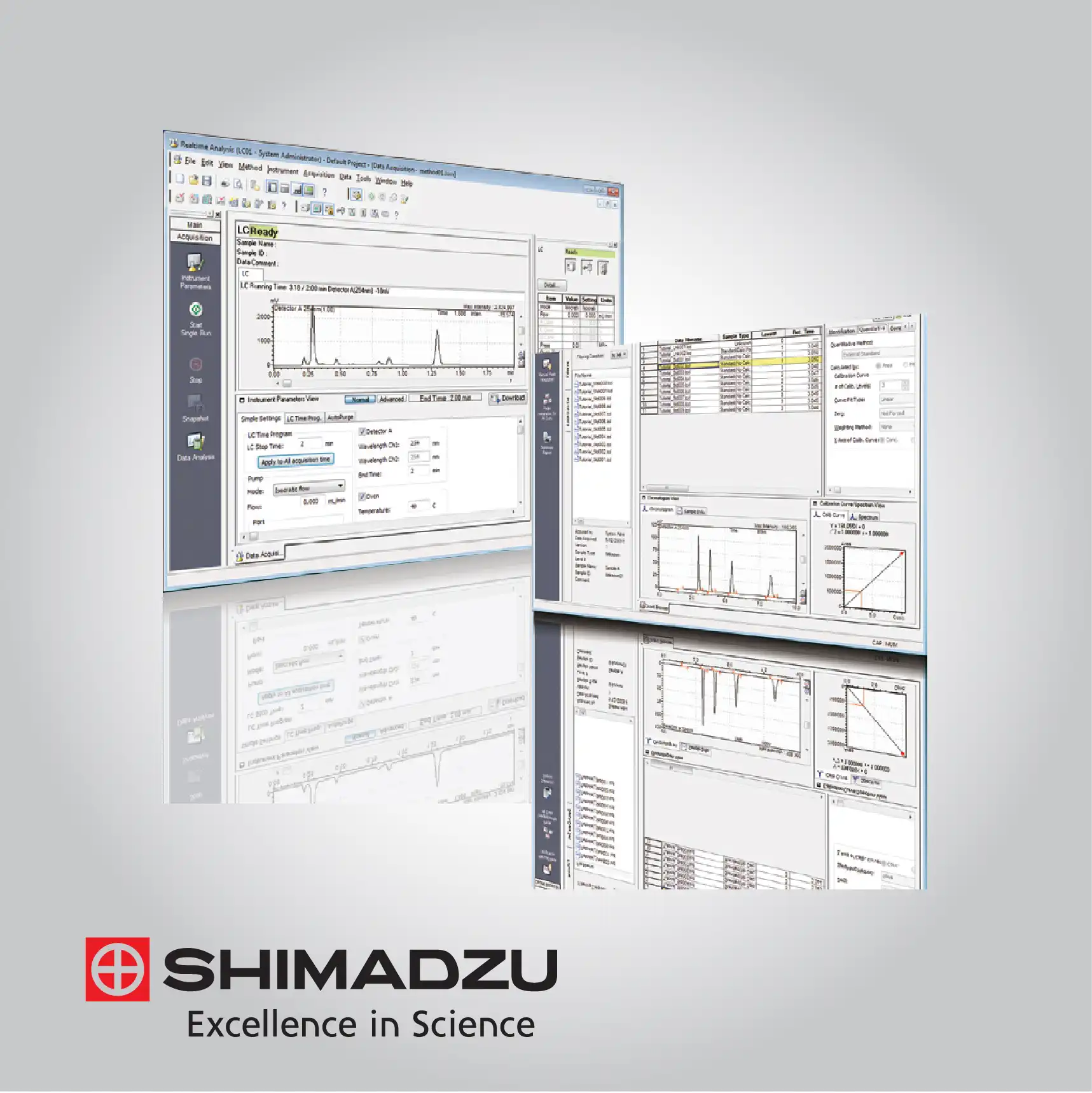
The automated platform utilizes advanced scheduling software to perform sample preparation in parallel with mass spectrometry analysis. While the LC-MS/MS is quantifying a previous sample, the liquid handling unit is preparing the next one in the sequence. This technical synchronization minimizes the "idle time" of the mass spectrometer, allowing for significantly higher sample throughput compared to standalone units where preparation must be completed manually before analysis can begin.
Robust Barcode Tracking for Data Integrity
To ensure full compliance and data integrity, the system implements a robust barcode tracking mechanism. Every movement of the sample—from the primary tube to the intermediate plate and finally to the injection port—is logged in a secure database. This technical traceability ensures that the results are linked correctly to the source sample, fulfilling the rigorous documentation requirements of 21 CFR Part 11 and other international regulatory standards.
Reduction of Human Error and Biohazard Exposure
Technically, the automation of sample preparation significantly reduces the risk of human error, such as pipetting mistakes or sample swaps. Furthermore, by housing the entire process within a closed or semi-closed system, the operator's exposure to potentially hazardous biological samples or organic solvents is minimized. This automated approach enhances laboratory safety while simultaneously improving the precision and accuracy of the analytical results.
Integrated System Diagnostics and Status Monitoring
The automated LC-MS/MS platform features continuous monitoring of both the liquid handling and mass spectrometry components. Technical sensors track liquid levels in reagent bottles, vacuum stability in the mass spectrometer, and the status of robotic movements. If a discrepancy is detected, the system can pause operations and alert the operator, preventing the loss of precious samples and ensuring that data is only collected when the system is in an optimal state.
Versatility Across Clinical and Forensic Applications
The technical design of these automated systems allows them to be adapted for various applications, including the analysis of blood, urine, and other complex matrices. The software provides pre-defined templates for common assays, such as therapeutic drug monitoring (TDM) or drugs of abuse testing. This versatility, combined with the power of triple quadrupole mass spectrometry, allows for high-sensitivity detection of trace-level analytes across diverse and challenging sample types.
Read more about Automated LC-MS/MS here