
Staining Systems
|
Maximum productivity and highest economy in routine histology and cytology
Slee Staining Systems
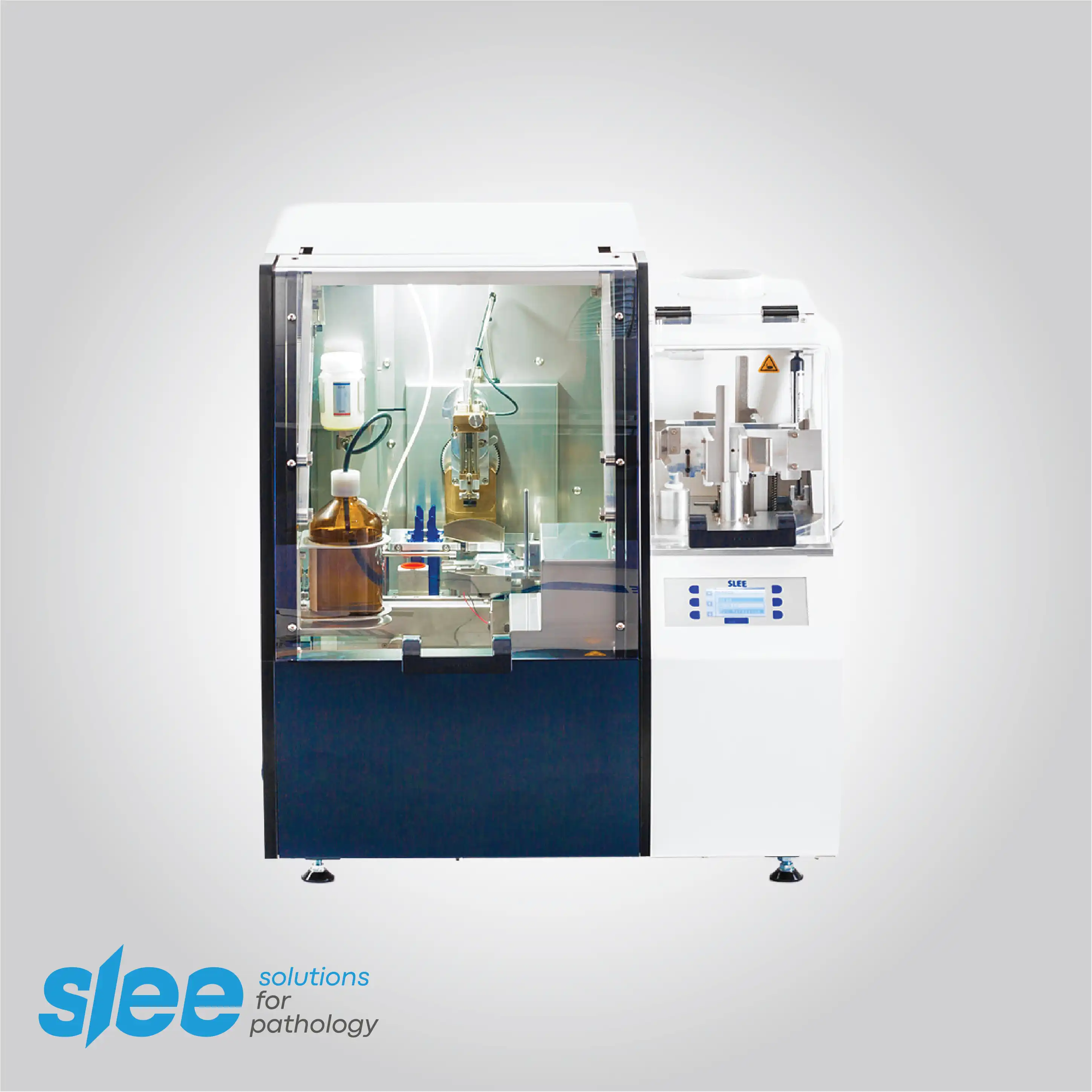
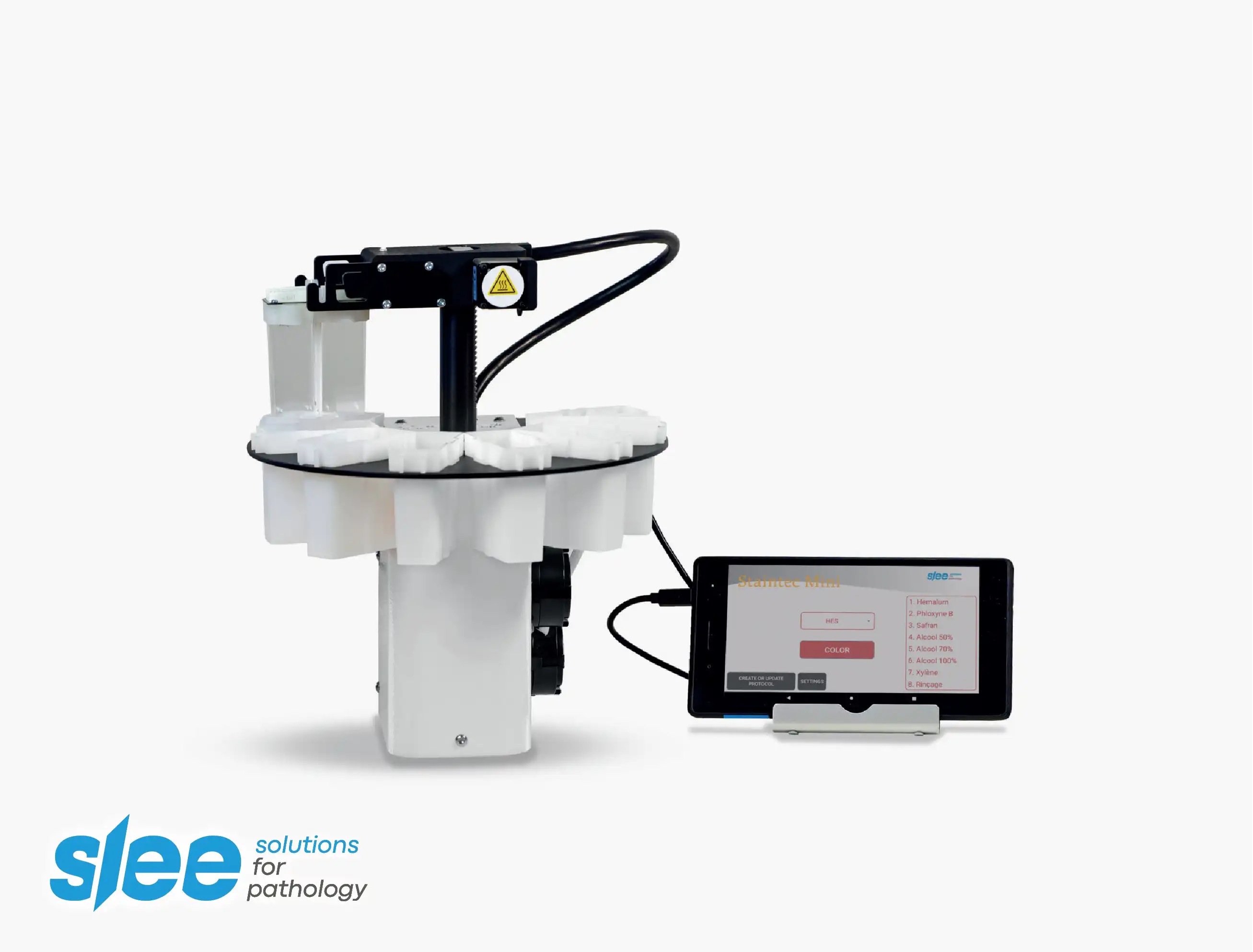
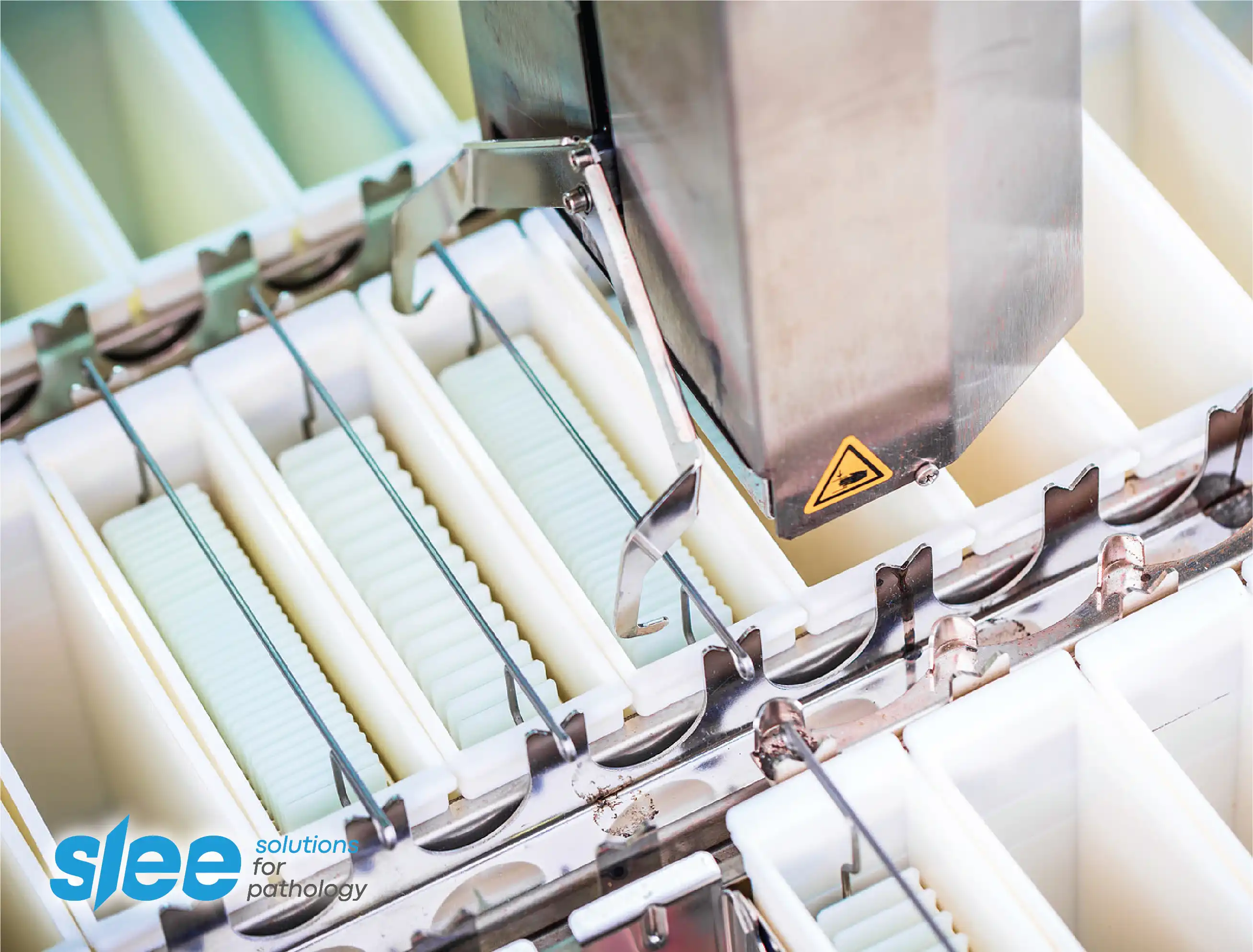
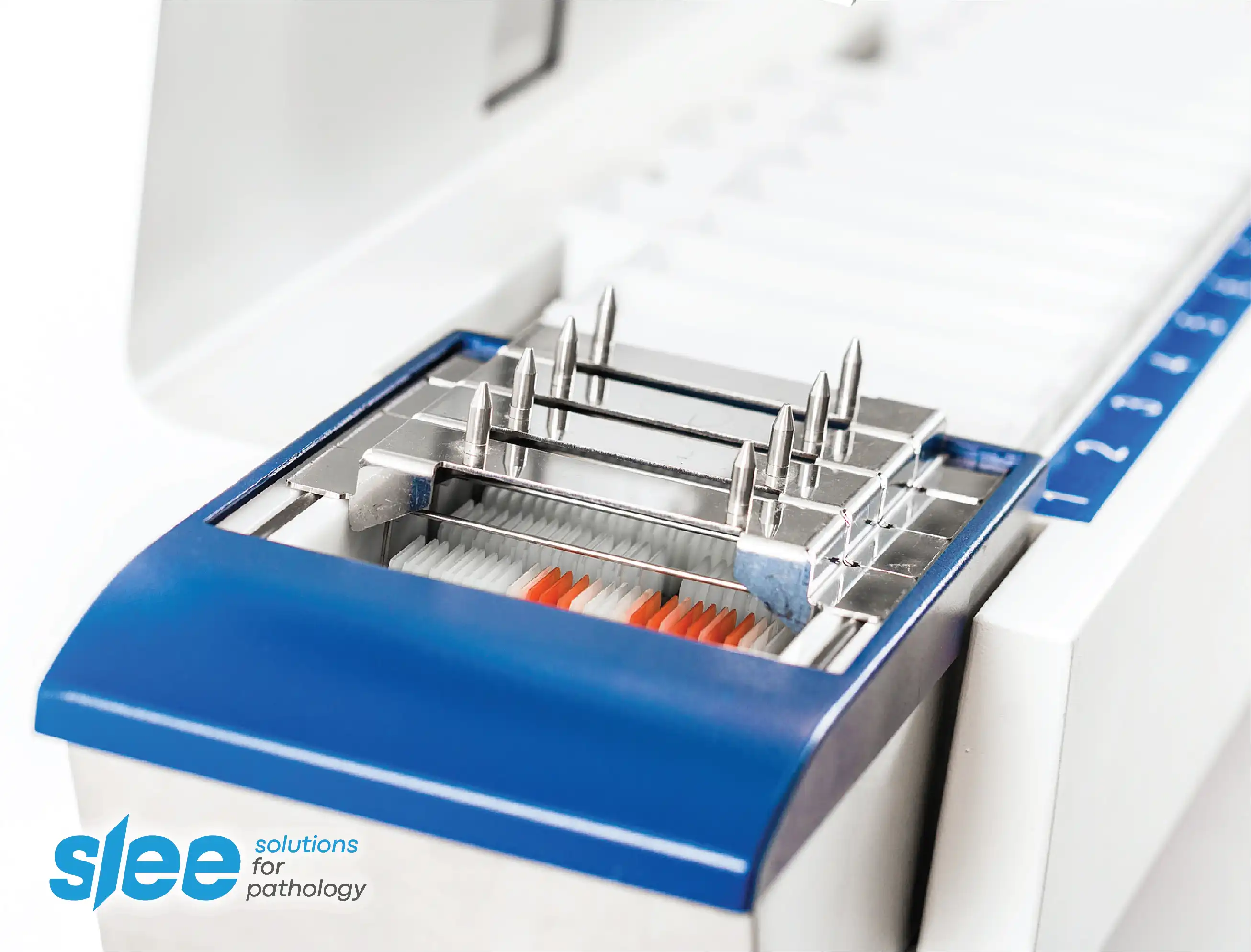
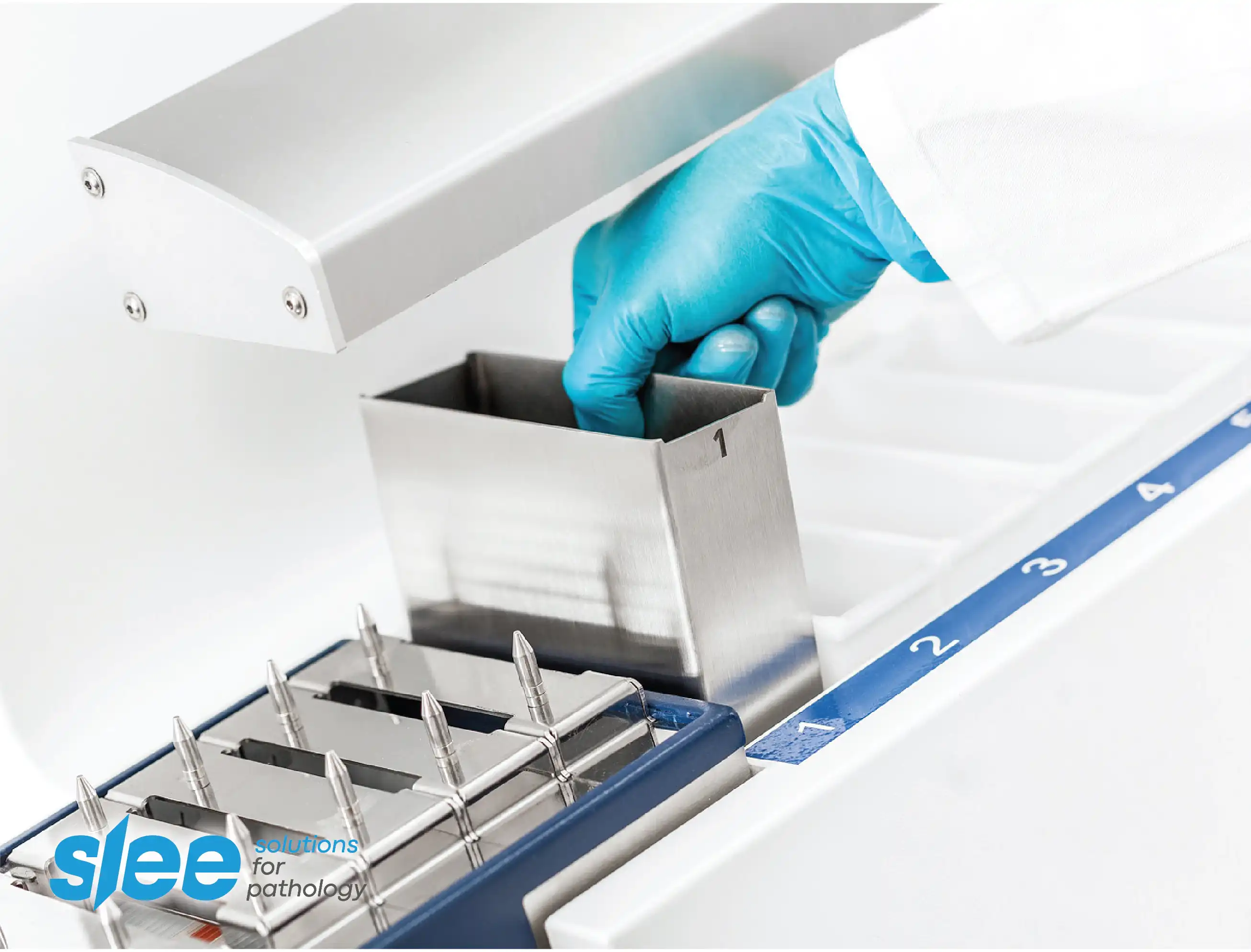
The design philosophy centres on combining consistent staining quality with extraordinary ease of operation, which is critical for routine laboratory environments. The core technology leverages sophisticated mechanisms within a simplified user interface, allowing technicians to efficiently manage high-throughput processing. Systems are engineered to be robust, offering reliable performance while prioritizing the highest standards of economy and minimizing user interaction complexity, ensuring reproducible and dependable diagnostic results.
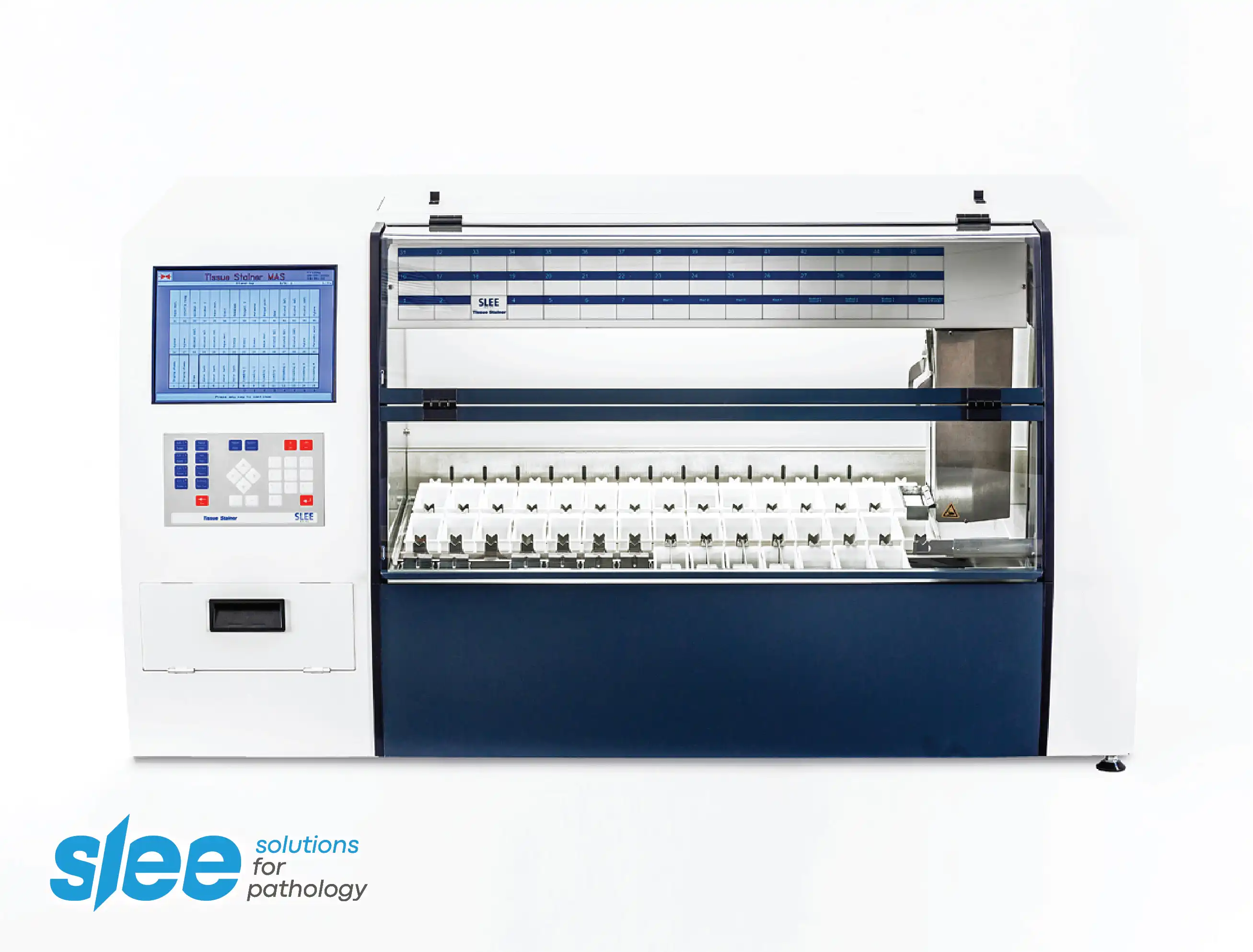
For highly automated and demanding workflows, certain platforms offer exceptional flexibility characterized by a large number of processing stations, reaching up to 44 positions. This significant capacity enables the simultaneous execution of multiple, distinct staining protocols, allowing laboratories to efficiently handle complex, varied workloads. This high degree of automation and capacity fundamentally shifts the limits of laboratory output, delivering speed and opening new dimensions in the management of complex protocols.
Core Automated Functionality
The fundamental technical requirement addressed by these systems is the automation of routine staining processes essential for both histology and cytology applications. This automation standardizes the critical steps of tissue staining, removing the variability inherent in manual techniques. The technology is specifically tailored to meet the day-to-day demands of a high-throughput laboratory, providing a consistent and repeatable procedural environment that forms the backbone of reliable pathological diagnostics. The transition from manual handling to an automated process ensures procedural integrity and increased sample throughput.
Specialized Protocol Automation
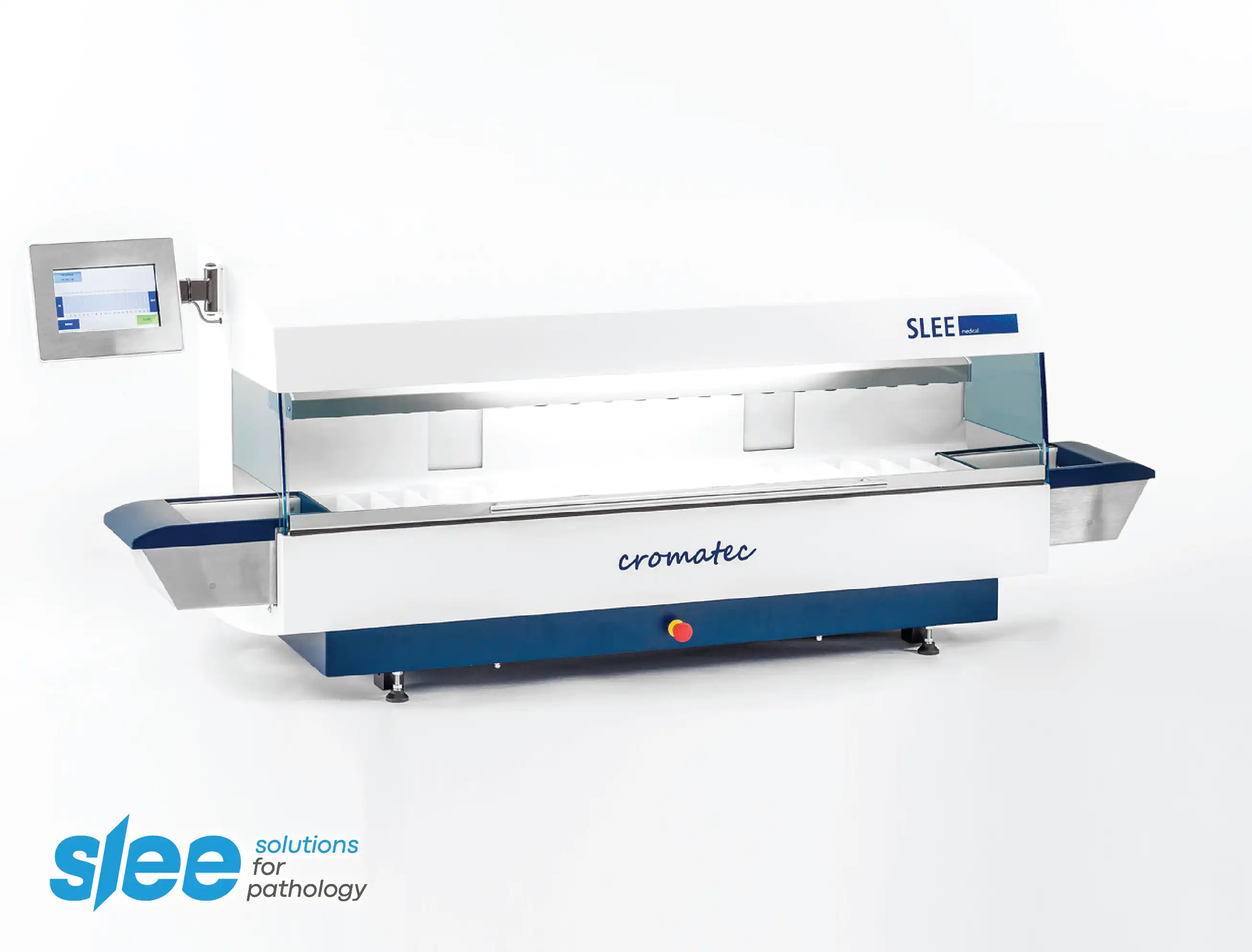
A dedicated system is available for the precise automation of special staining protocols. Historically, these procedures are time-consuming and performed manually, leading to potential inconsistencies. This technical apparatus is engineered to automatically handle these intricate steps, transitioning the labor-intensive, hand-made processes within the laboratory into an efficient, automated workflow. This capability ensures greater control over reaction timing and reagent exposure, leading to higher consistency and better utilization of specialized reagents and technical staff time.
High-Capacity Multi-Protocol Management
The most advanced automated platforms offer exceptional capacity, incorporating a high number of stations, up to 44 positions, for processing slides. This architectural design is paramount to achieving unparalleled flexibility and speed. The large station count permits the simultaneous operation of numerous distinct staining protocols without manual intervention or system downtime for reconfiguration. This multi-protocol capability streamlines complex workflows, allowing laboratories to manage a diverse array of staining requirements concurrently, thereby maximizing hourly throughput and operational efficiency.
Reagent and Incubation Station Architecture
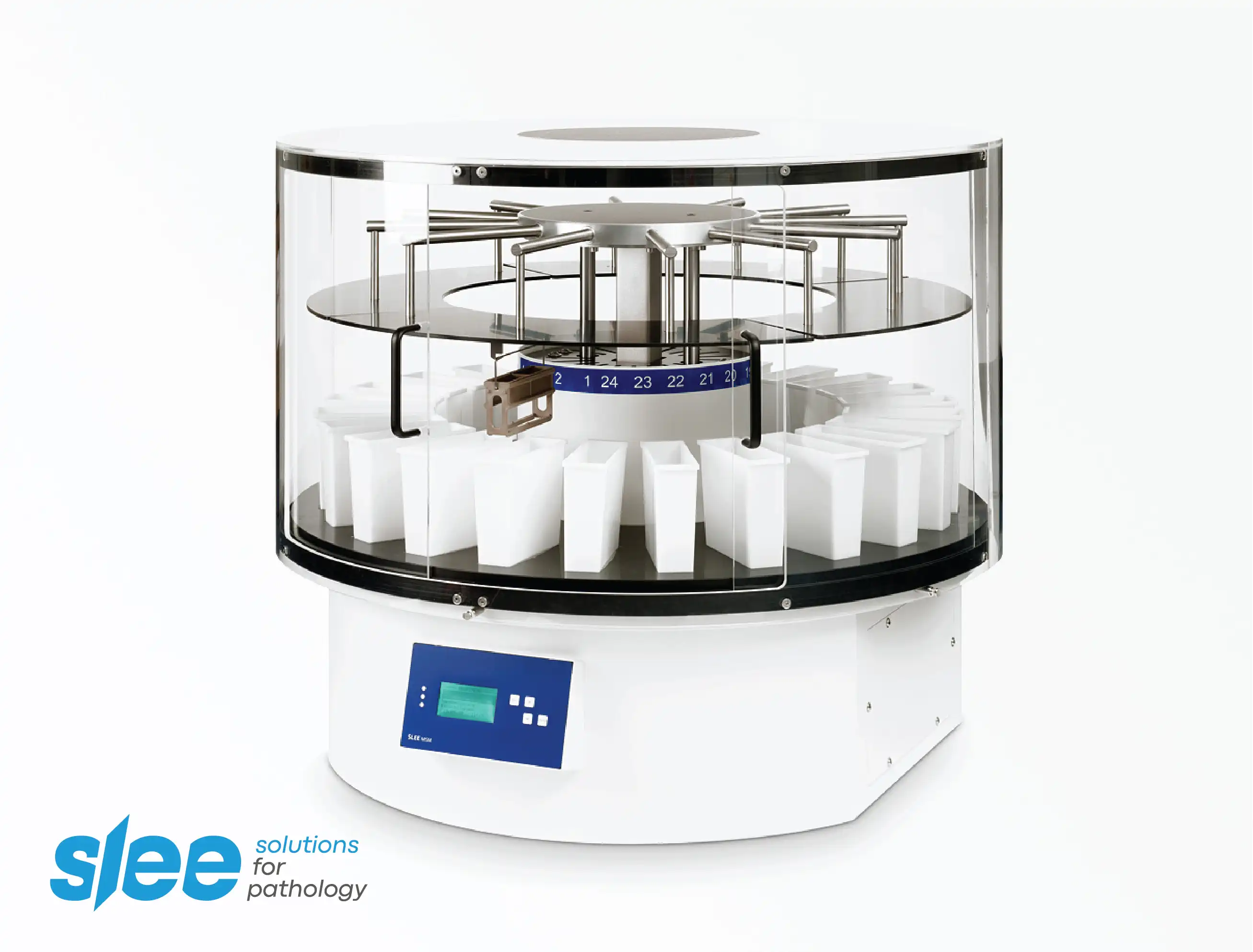
The technical infrastructure of certain systems is built around a carousel design featuring a specific number of incubation stations, such as 24 positions. Each of these stations is capable of containing a significant volume of reagent, up to 400 ml. This structural arrangement provides a controlled and isolated environment for sequential processing steps. The capacity and configuration of these stations are optimized to support the routine workflow needs of histology and cytology, ensuring sufficient reagent volume for sustained operational periods and efficient slide movement between processing stages.
User Interface and Operational Simplicity
Despite incorporating sophisticated underlying technology, the system design prioritizes a simple and intuitive user interface. This technical focus on ease of operation is crucial for maintaining high productivity in a busy laboratory setting. The streamlined interface minimizes the learning curve and potential for user error, allowing laboratory personnel to focus on output rather than complex machine management. The combination of advanced mechanics and straightforward controls ensures consistent staining quality is achieved with extraordinary operational ease.
Achieving Consistent Staining Quality
The automation platform is fundamentally designed to deliver consistent staining quality across all processed samples. This consistency is achieved through precise control over crucial variables such as incubation timing, reagent concentration, and temperature profiles, which are managed by the internal sophisticated technology. The resulting standardization ensures highly reproducible diagnostic slides, which is essential for accurate pathological assessment. The combination of maximal productivity and consistent quality represents the technical core value proposition for routine laboratory applications.
System Scalability and Laboratory Equipment
The offering includes multiple system configurations to support varying levels of workflow complexity and volume requirements. This scalability ensures that a laboratory can be equipped with a staining system perfectly tailored to its individual technical specifications. The options range from highly economic units for routine demands to systems that combine extreme flexibility and high-capacity automation. The ability to select the appropriate level of sophistication and station count (e.g., 24 station versus 44 station designs) allows for efficient capital expenditure and optimized workflow integration based on actual laboratory needs.
Speed and New Dimensions in Automation
The integration of speed with advanced functionality fundamentally opens new dimensions in the field of laboratory automation. This capability is not merely about faster slide throughput but about the strategic advantage gained from combining rapid processing with significant flexibility, such as the ability to run diverse protocols simultaneously. The technical framework allows for highly optimized schedules and quick turnaround times, which are crucial for patient care workflows. The system is designed to accelerate the diagnostic process while maintaining the stringent quality standards required in both histology and cytology.
Read more about Slee Products Here