
Overhead Stirrers Technology
|
Advanced Engineering
.webp)
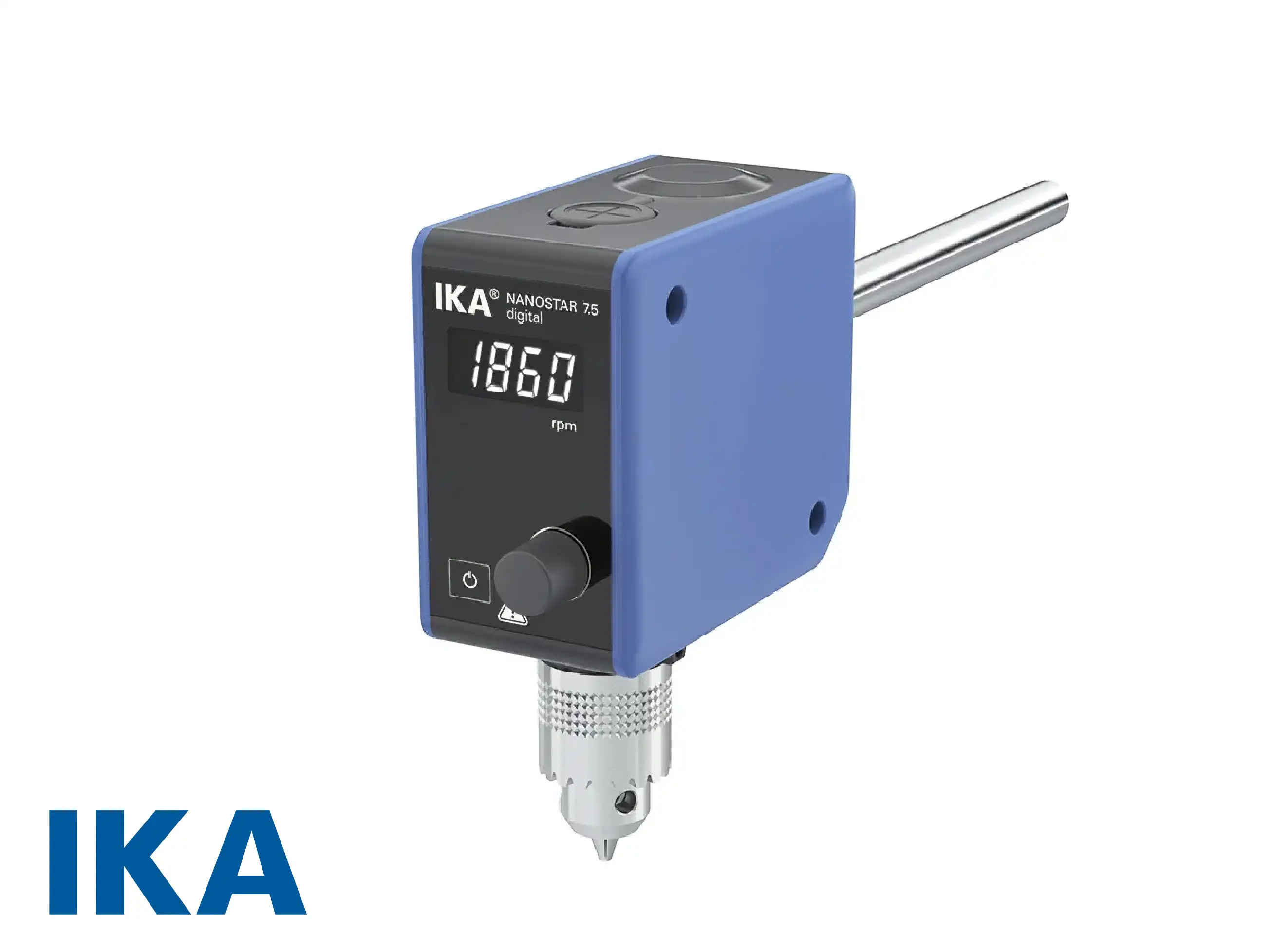
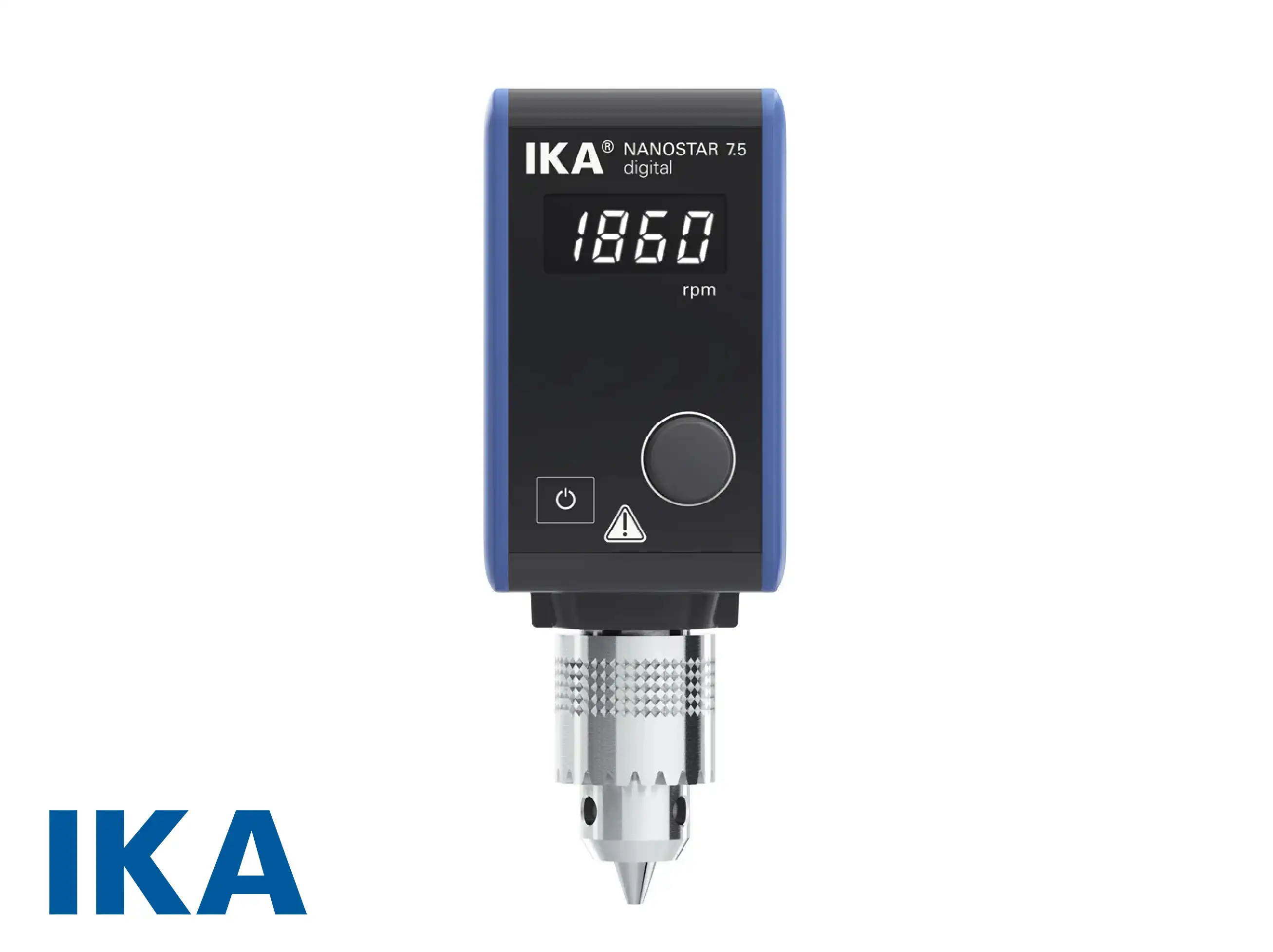
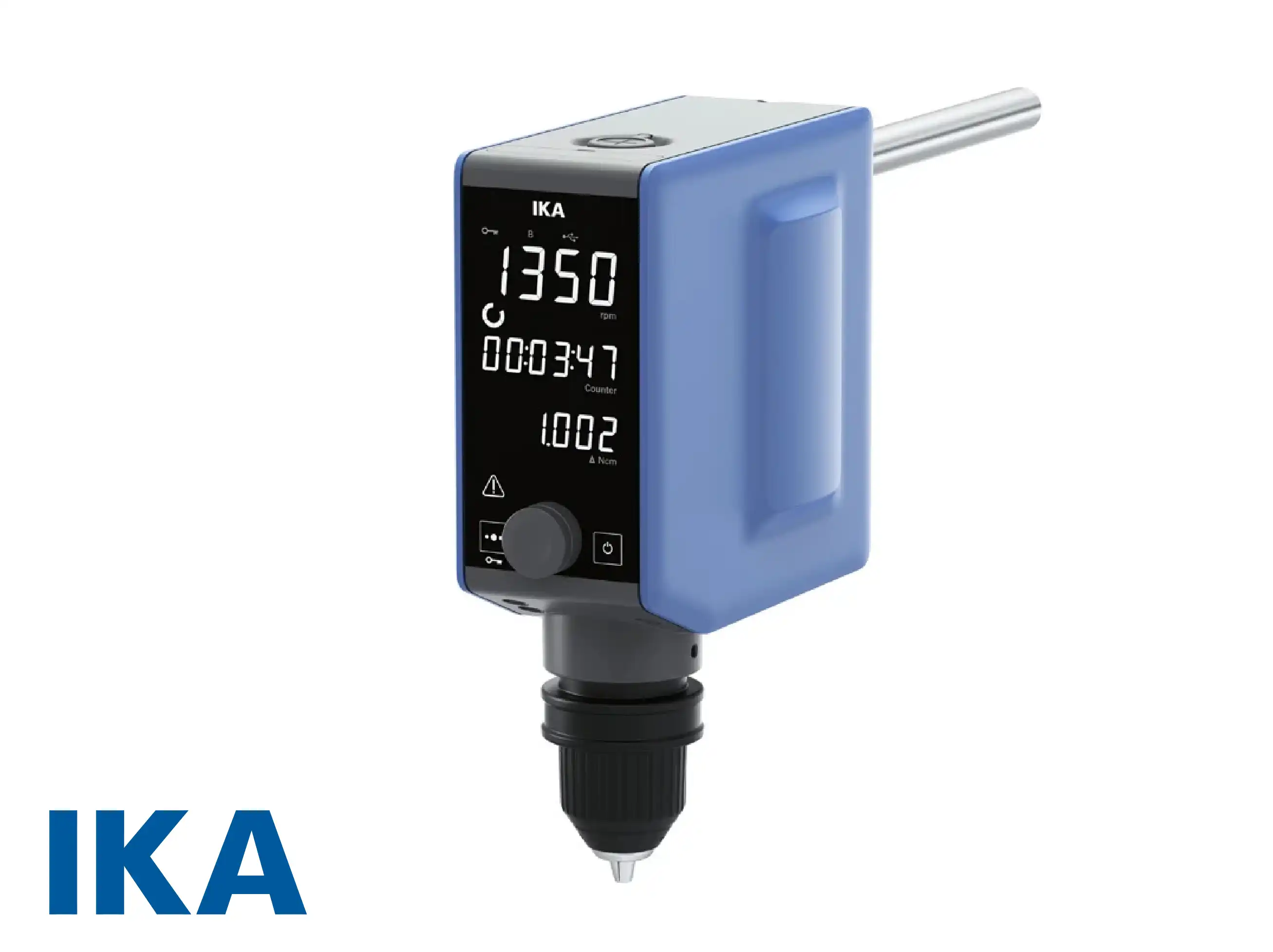
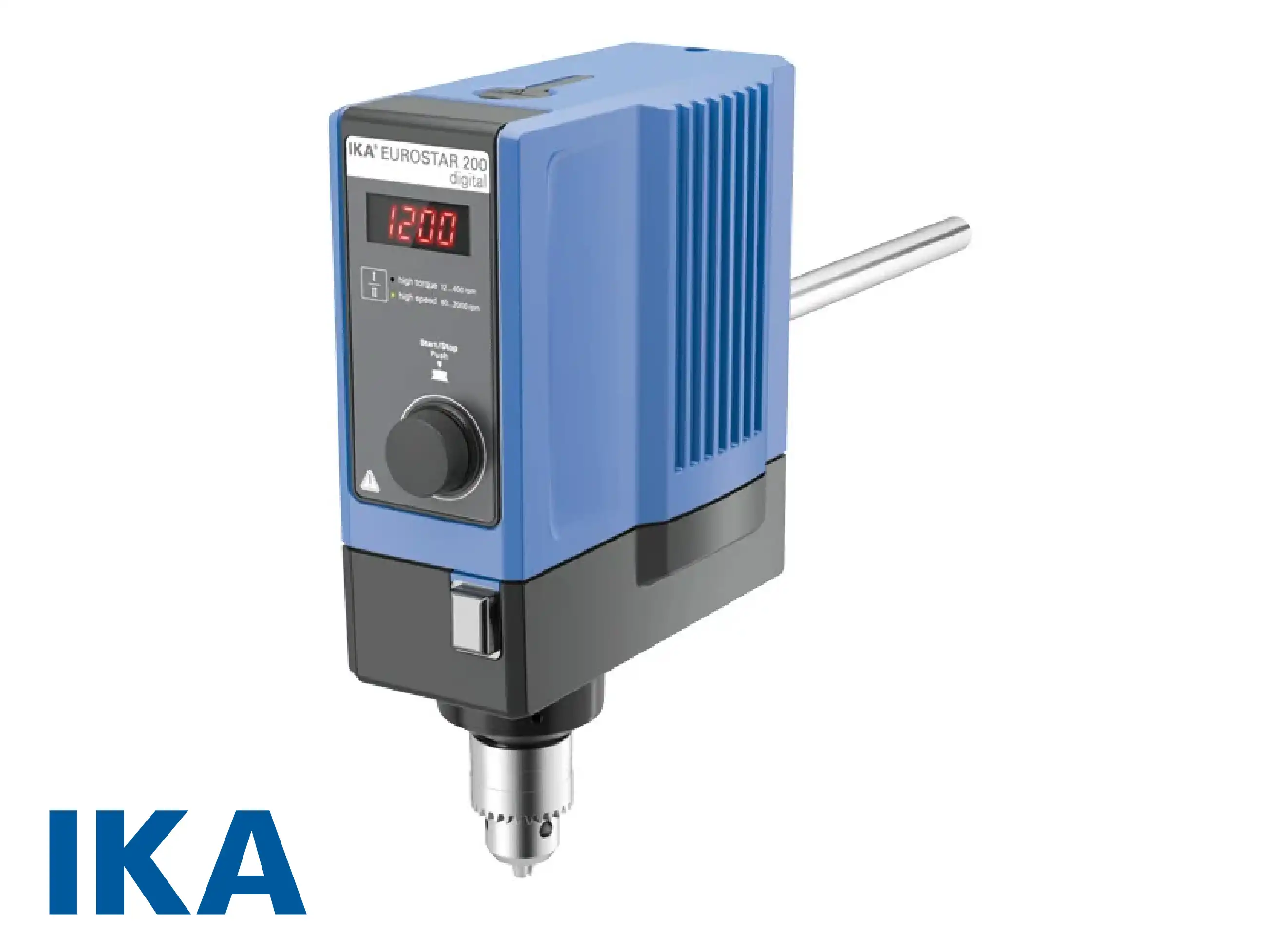
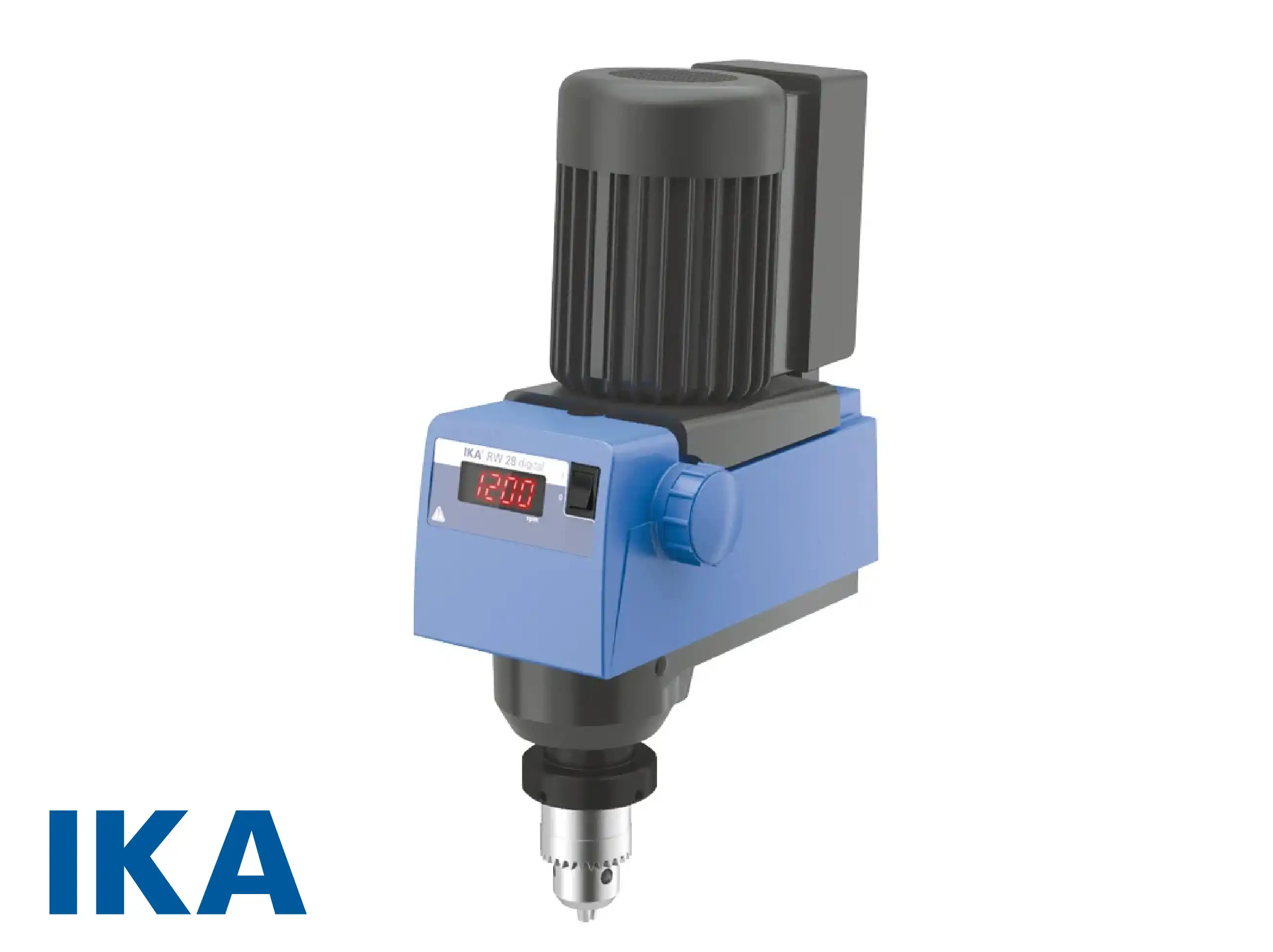
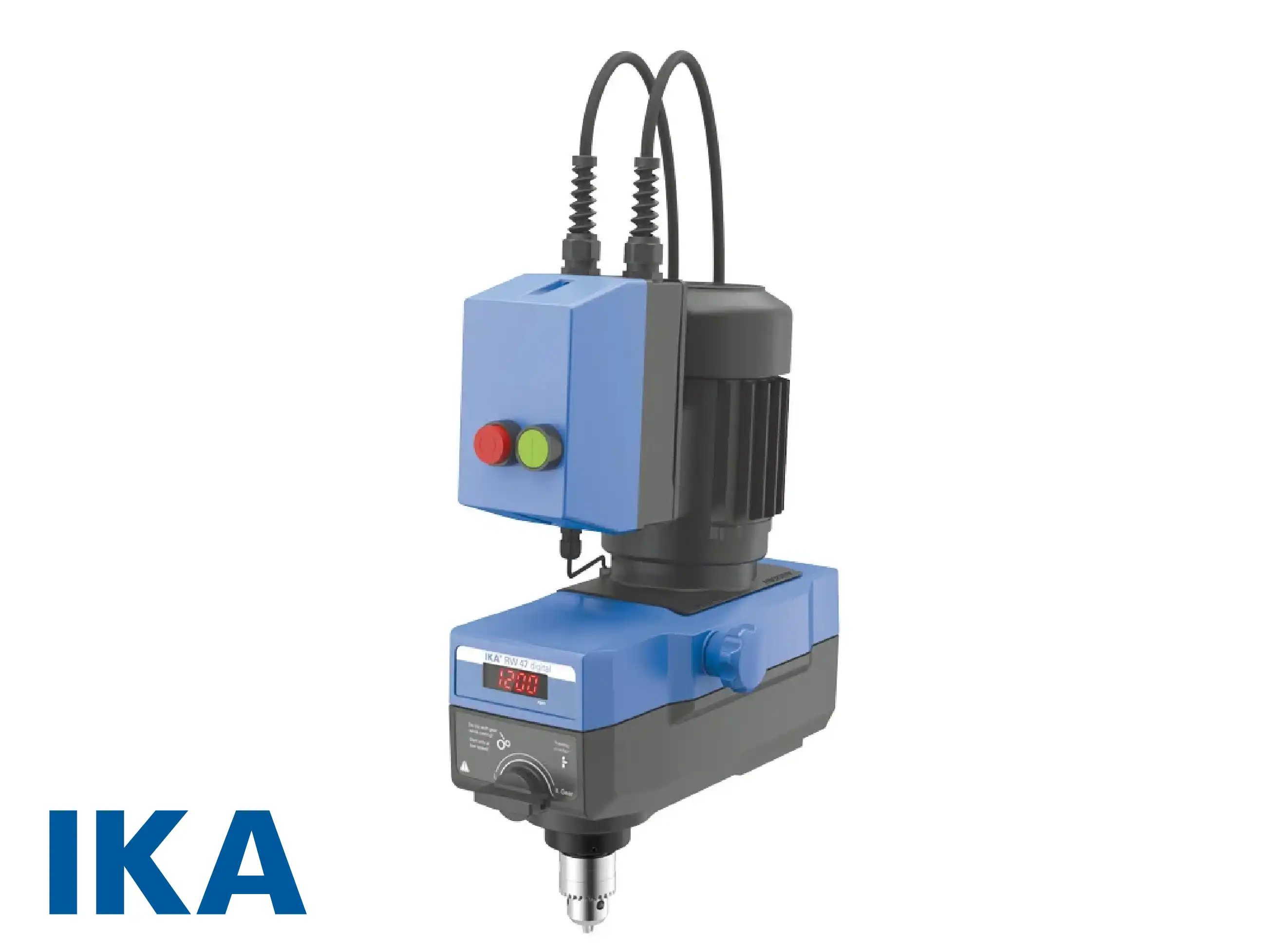
IKA Overhead Stirrers
Safety and operational versatility are prioritized through a robust hardware design that includes features like "push-through" shafts and integrated overload protection. The instruments are built to withstand harsh laboratory environments, featuring solvent-resistant housings and high IP protection classes to prevent internal corrosion from vapors or spills.
Technically, the inclusion of digital interfaces for torque measurement and speed monitoring allows researchers to track the progress of a reaction by observing changes in mechanical resistance. This combination of high-torque delivery, precision electronic control, and durability makes these stirrers the technical benchmark for industries ranging from polymer synthesis and biotechnology to food and cosmetic processing.
Constant Speed Control Under Varying Rheological Loads
Technically, the most critical feature of an overhead stirrer is its ability to maintain a set speed regardless of the sample's viscosity. IKA instruments utilize advanced microprocessor-controlled drives that detect changes in load and adjust the power output instantaneously. This technical regulation ensures that the mixing intensity remains constant throughout the entire procedure, preventing "speed drop" which could otherwise lead to incomplete reactions or non-homogeneous mixtures in high-viscosity applications.
Digital Torque Measurement and Reaction Monitoring
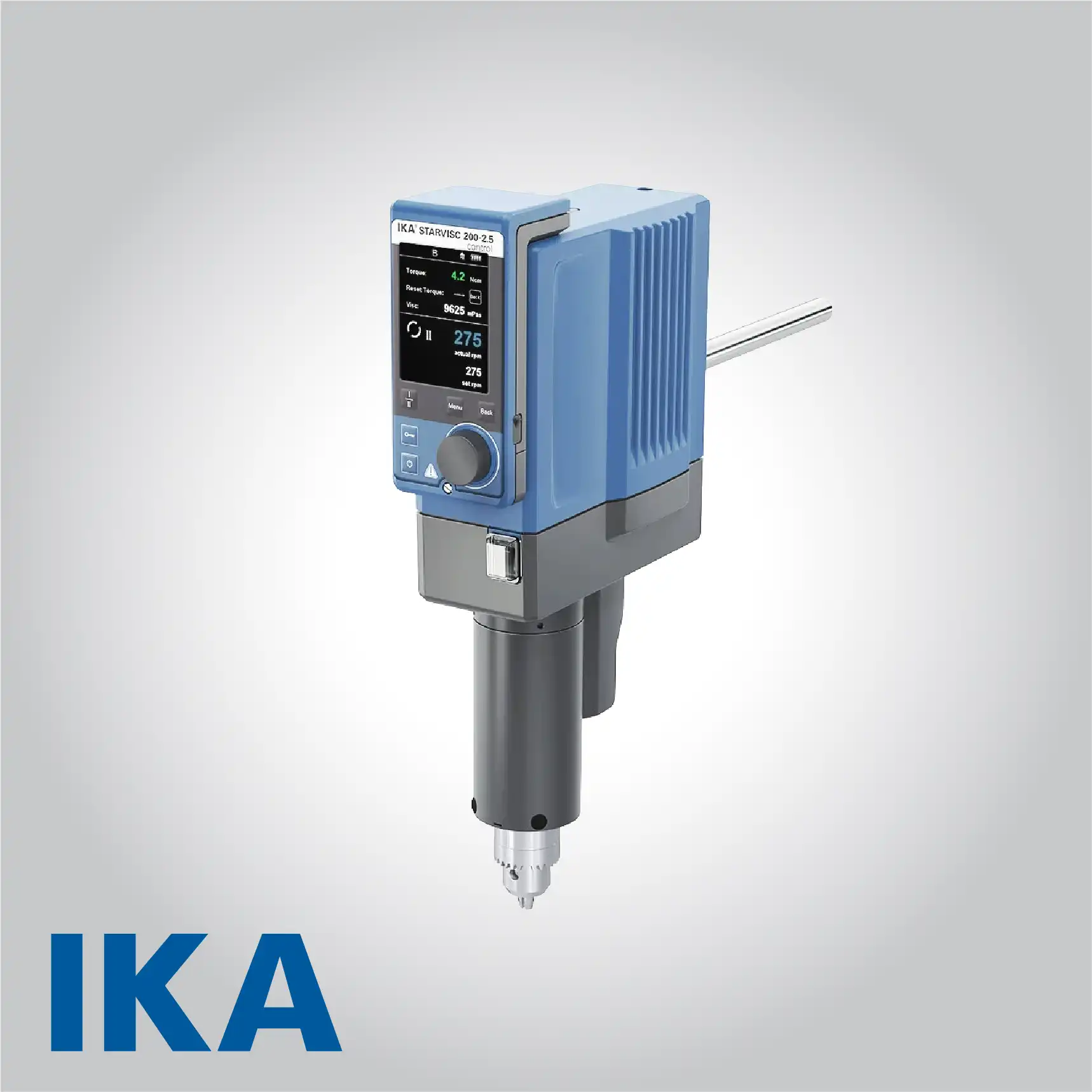
The measurement of torque is a vital technical indicator of the medium’s physical state. IKA stirrers feature digital displays that show the current torque applied to the stirring shaft. As a chemical reaction progresses—for example, during polymerization—the viscosity typically increases, requiring higher torque to maintain speed. By monitoring these changes in real-time, researchers can technically correlate mechanical resistance with chemical conversion, providing a non-invasive way to track reaction kinetics.
High-Torque Gearbox Engineering for Heavy-Duty Mixing
To process volumes up to several hundred liters or materials with paste-like consistency, these stirrers are equipped with multi-stage gearboxes. This technical configuration allows the motor to translate its energy into massive torque at lower speeds. The engineering of the gears ensures quiet operation and long-term durability, minimizing mechanical wear even during continuous, long-term mixing of high-density materials in industrial research settings.
Integrated Overload and Temperature Protection
Safety is managed technically through sophisticated internal monitoring systems. If the stirring element becomes blocked or the viscosity exceeds the motor’s rated capacity, the integrated overload protection triggers a safety shutdown. Furthermore, the motor temperature is continuously monitored to prevent thermal damage. These technical safeguards ensure that the equipment remains operational for years and prevent hazardous mechanical failures during unattended or overnight operations.
Push-Through Shaft Design for Easy Height Adjustment
A significant technical advantage of the IKA design is the "push-through" stirring shaft. This allows the user to adjust the height of the stirring element without removing the shaft from the chuck. Technically, this feature simplifies the setup process for different vessel sizes and allows for the quick repositioning of the impeller to optimize fluid dynamics, such as creating a specific vortex or preventing aeration at the surface.
Robust Housing and Chemical Resistance
Laboratory environments often expose equipment to corrosive vapors and organic solvents. IKA overhead stirrers are built with chemical-resistant housings, often featuring high IP (Ingress Protection) ratings. This technical design protects the sensitive electronic components and the motor from external contaminants. The rugged construction ensures that the stirrer maintains its technical integrity and accuracy even when operated inside fume hoods where aggressive chemical reactions are taking place.
Digital Interface and Laboratory Software Integration
For advanced process control and documentation, these stirrers are equipped with digital interfaces (such as RS 232 or USB). Technically, this allows the instrument to be controlled via specialized laboratory software, enabling the programming of speed ramps and the automated logging of torque and speed data. This digital integration is essential for GLP/GMP compliant laboratories where every parameter of the sample preparation must be technically recorded and reproducible.
Versatile Chuck and Impeller Compatibility
The efficiency of mixing is technically dependent on the stirring element's geometry. The universal chuck design of these stirrers accommodates a wide range of stirring tools, including propellers, paddles, turbines, and anchor stirrers. Technically, this compatibility allows the analyst to select the ideal impeller for specific flow requirements—such as axial or radial flow—ensuring that the mass transport is optimized for the specific volume and viscosity of the sample.
Click here for more information about IKA range of products