
Data Management
|
Centralized Electronic Records and Automated Data Integrity Systems

Sotax Data Management
SOTAX data management solutions establish a secure digital network designed to address different aspects of data collection, analysis, approval, evaluation, and consolidated reporting across pharmaceutical laboratories. The unified core software platform features a 100% scalable three-layer architecture with a centralized database configuration (such as MS-SQL or MySQL) that effectively transitions operations from isolated workstations to structured, multi-client network environments.
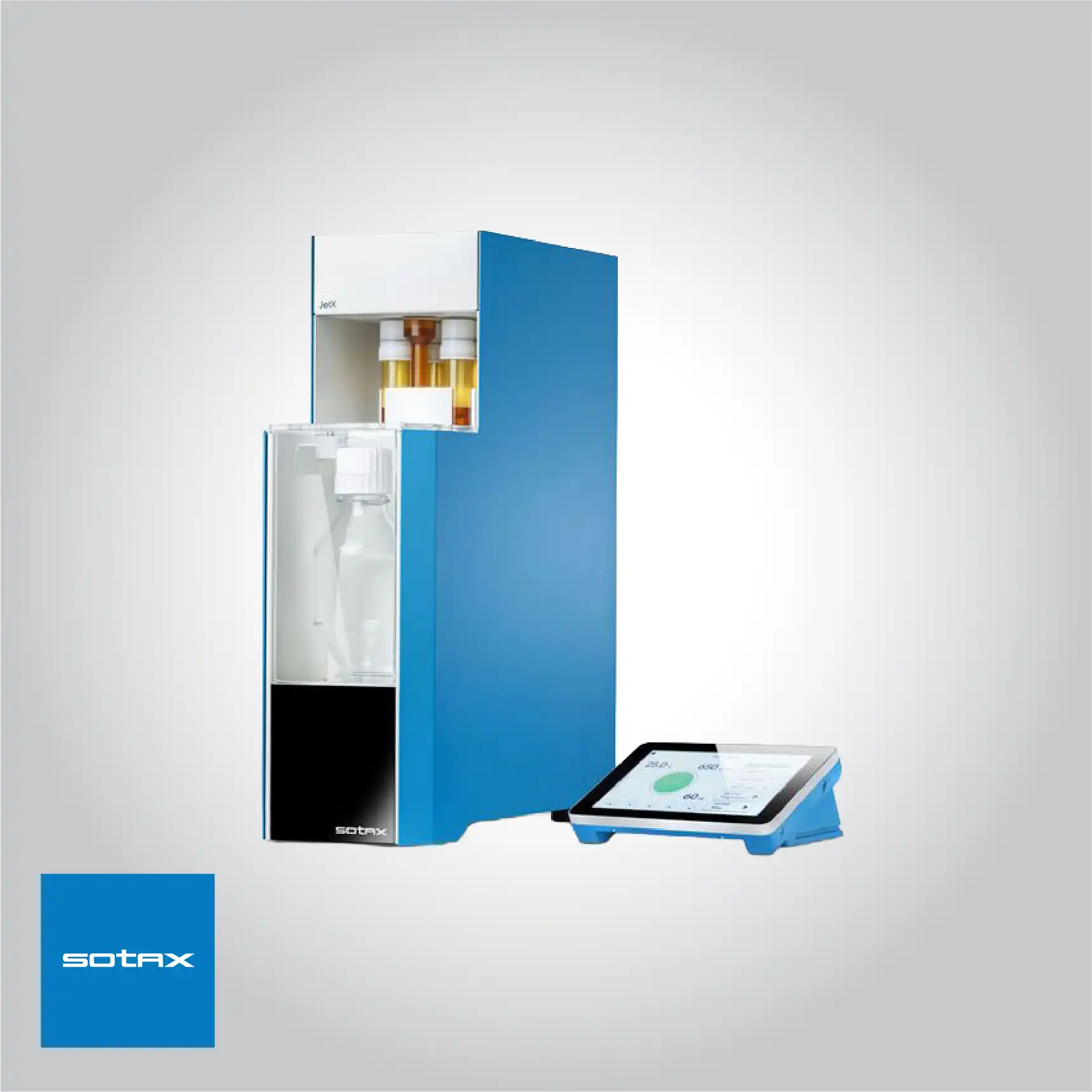
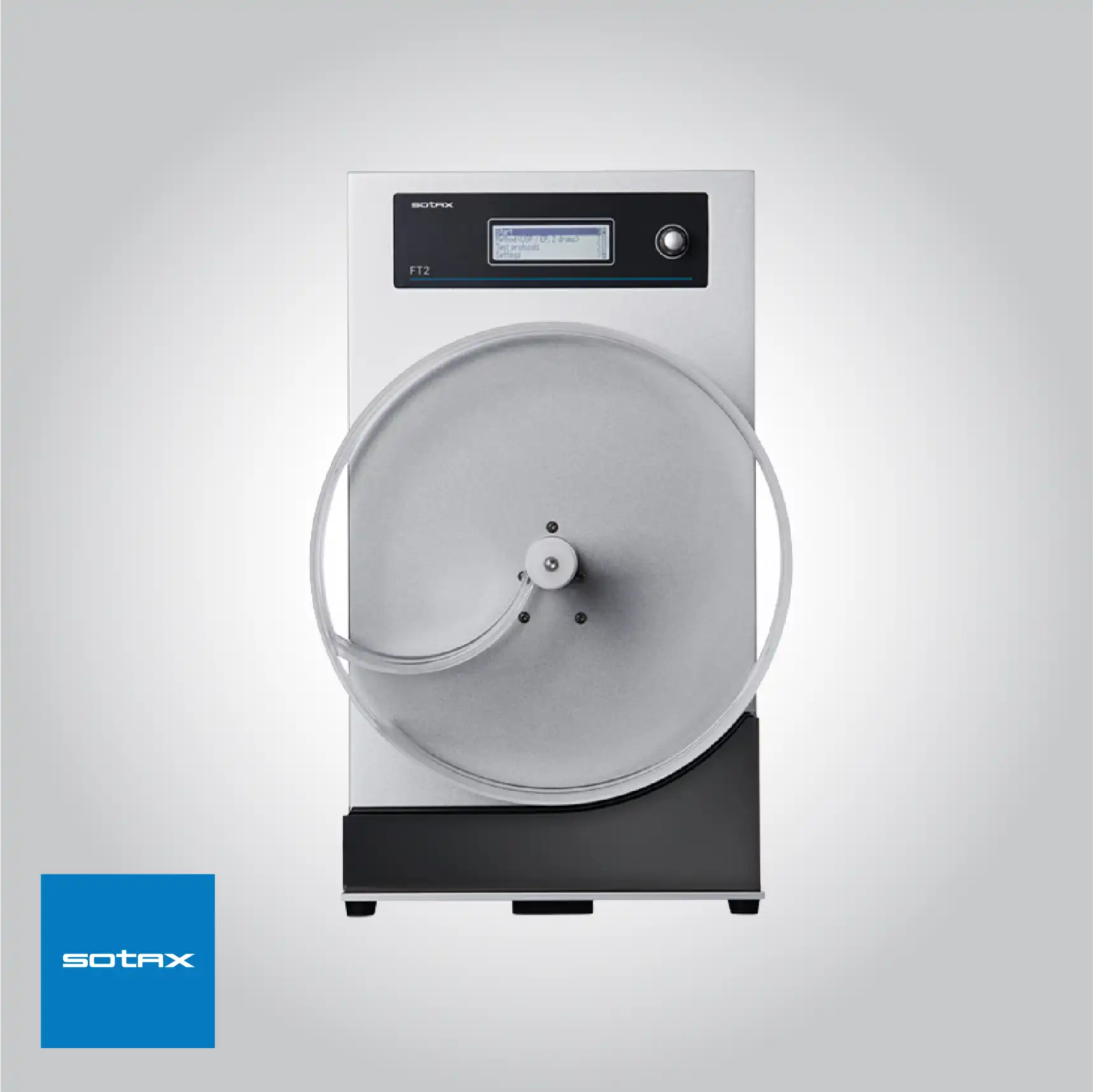
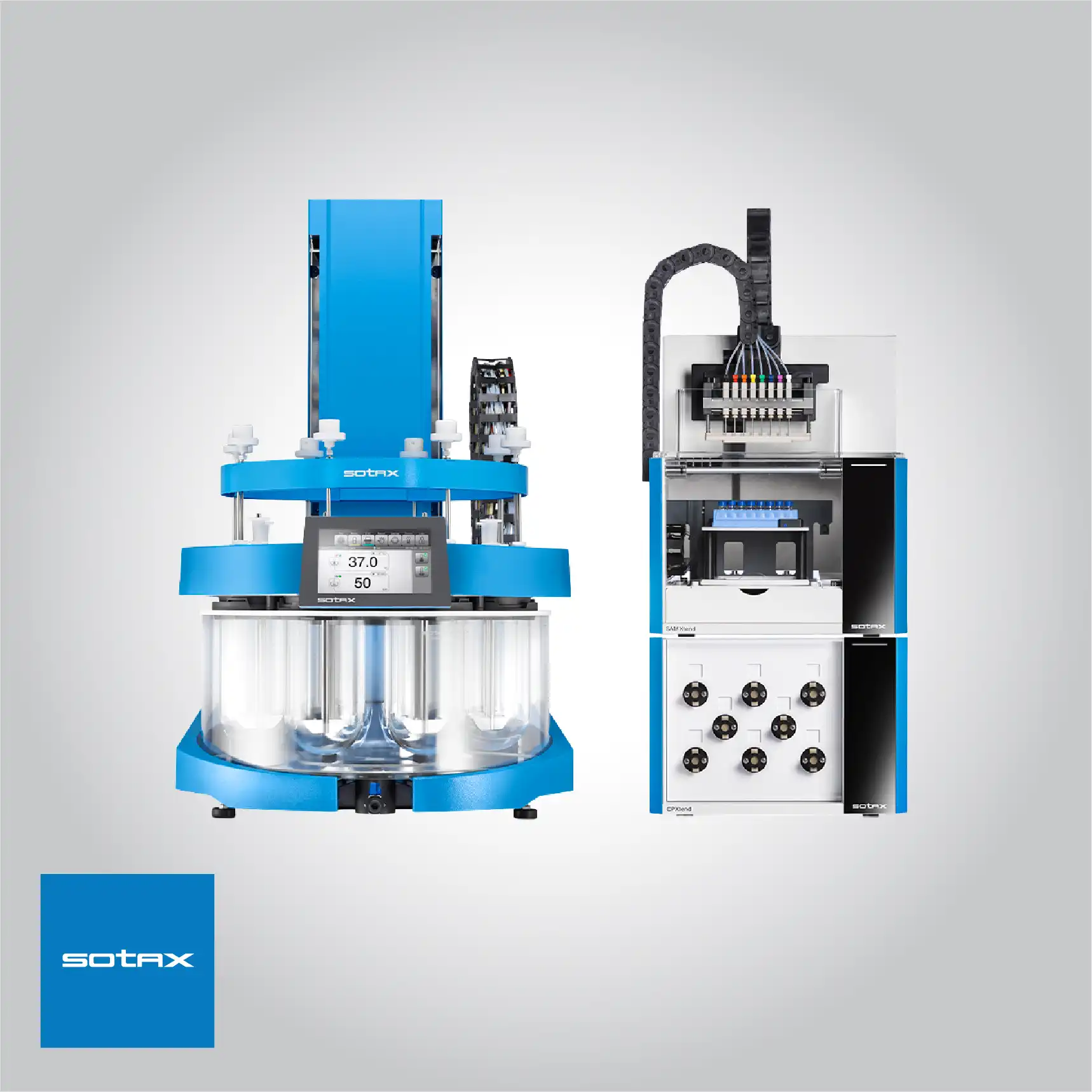
By providing standard device drivers that interface with more than 35 distinct physical and analytical instrument types—including automated dissolution testing suites, physical hardness units, and analytical workstations—this framework eliminates data silos, optimizes laboratory efficiency, and safeguards critical testing data under a standardized user operating protocol.
Multi-Instrument Drive Framework and Centralized Database Scalability
Technically, operating disconnected testing units inside a laboratory introduces significant verification risks and documentation fragmentation. SOTAX software resolves this bottleneck by utilizing a scalable three-layer architecture powered by a centralized database infrastructure. The framework integrates standard drivers to control and capture measurement data from more than 35 distinct instrument types across multiple brands simultaneously. This technical architecture scales seamlessly from a single standalone computer installation to a multi-departmental global network client setup. By consolidating all testing data within a single SQL network, it allows operators to manage methods, results, and reporting protocols dynamically without creating localized data silos.
Technical Implementation of Default Data Integrity and Electronic Records Keeping
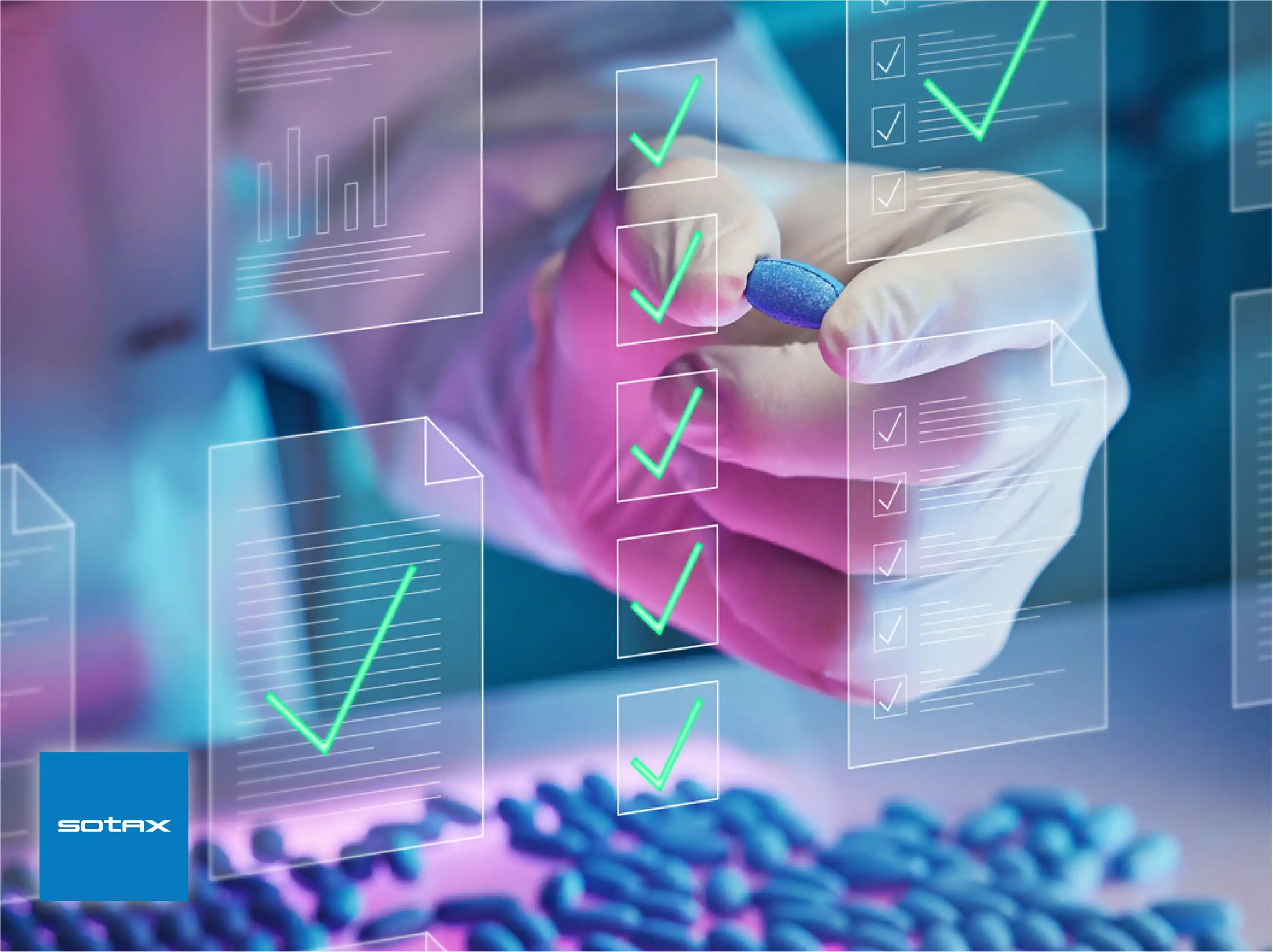
In a regulated pharmaceutical manufacturing environment, ensuring 100% compliance with current FDA data integrity guidelines is an essential engineering baseline. The software platform achieves this through built-in structural security that automatically protocols "who did what, when, and where." Once an automated or guided manual test run is initiated, the raw measurement data, calculated results, and system environmental parameters are written directly to the secure SQL central database. The system prevents manual data modification or local file deletions, ensuring that every electronic record is securely stored at the point of origin, thereby providing total verification security during inspections.
Human-Readable Electronic Audit Trails and Automated System Traceability
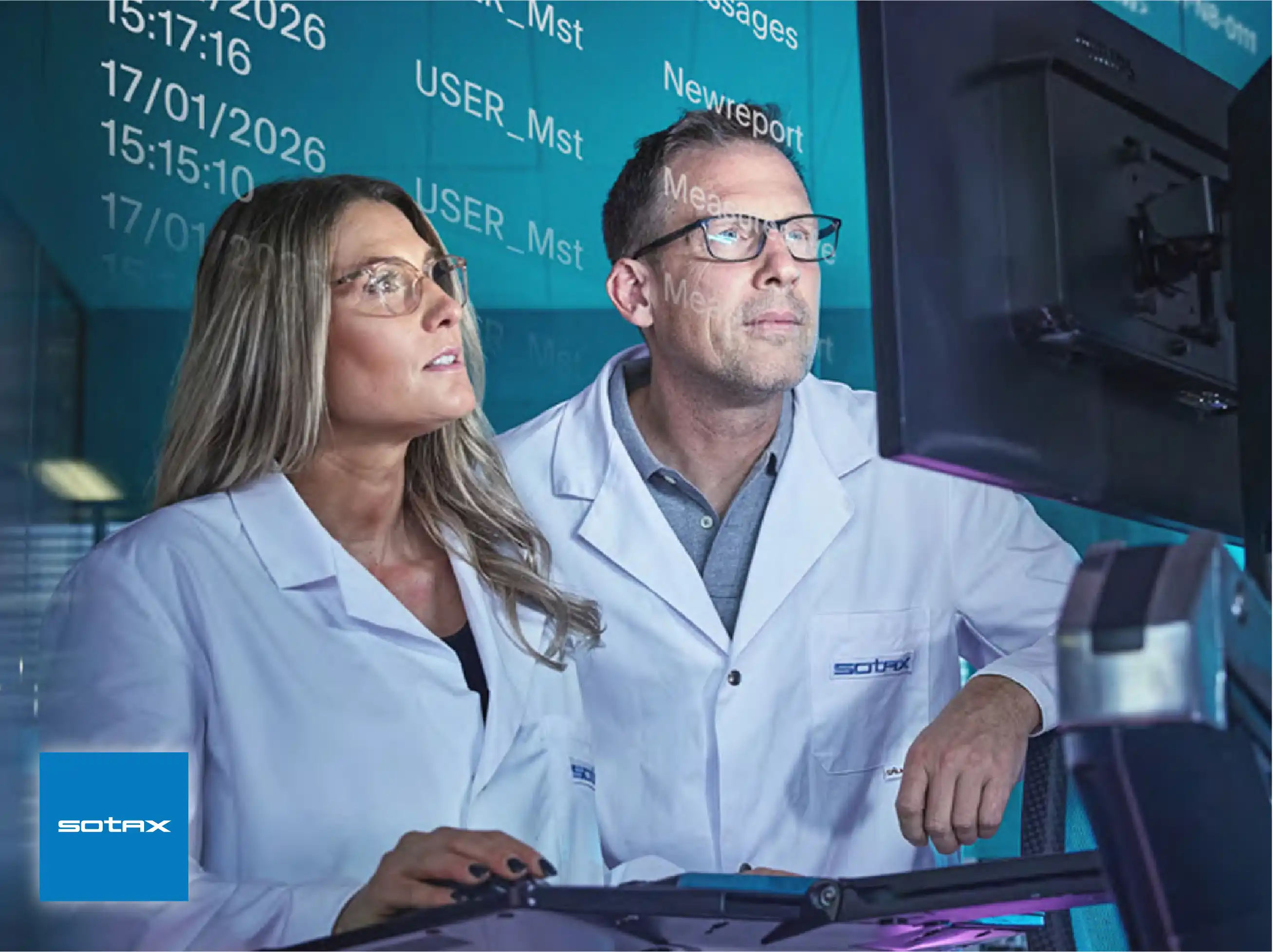
Fulfilling global validation criteria requires the continuous capture of system interaction histories without human intervention. The data management architecture integrates an automated, human-readable electronic audit trail engine that monitors all software and hardware modifications. Any change to a critical testing parameter, method data, tolerance limit, or user profile triggers a permanent, timestamped log entry. This technical logging sequence documents the precise nature of the alteration, the user identity, the date, the original parameters, and the mandatory electronic justification prompts, delivering absolute traceability across the entire instrument network.
Advanced User Access Restrictions and Configurable Security Profiles
Securing validated test methods and system configurations requires multi-tiered authorization barriers to prevent unauthorized user actions. The database infrastructure incorporates comprehensive user access management tools that allow network administrators to establish specific user groups with restricted, role-based privileges. Security parameters can be configured to enforce strict corporate password policies, include auto-locking functions during operational inactivity, or integrate directly with network directory systems. This hierarchical control ensures that only authorized personnel can execute critical tasks, alter product specifications, or approve complete batch datasets.
Automated Product Version Controls and Multi-Parameter Pass-Fail Criteria
Maintaining strict compliance across long-term testing intervals requires unalterable lifecycle documentation for product profiles and testing procedures. SOTAX data management platforms integrate automated product version control mechanisms that track all method updates over time. Each unique product record safely houses the specific test methods, device configurations, defined tolerance limits, and exact acceptance criteria for pass-fail decisions. This structured metadata arrangement ensures that whenever an instrument pulls a method from the central database, it executes the run under the currently approved version, eliminating the risk of deploying obsolete testing parameters.
Digitized Documentation Workflows and Electronic Signature Authorizations
Transitioning from labor-intensive manual report logging to a digital framework accelerates review cycles and eliminates common human transcript errors. The software platform streamlines documentation workflows by embedding native electronic signature capabilities to handle data evaluation, check steps, and final approvals. Reviewers and laboratory supervisors can digitally sign off on completed analytical or physical testing runs directly from any networked PC client terminal. The application permanently appends the digital signature to the encrypted batch record file, creating a secure, fully compliant paperless verification pathway that reduces manual effort.
Integrated Data Trending and Automated Batch Comparison Capabilities
Evaluating product performance across extended timelines typically requires exporting test data to external statistical analysis tools, which introduces data transfer risks. The core data management software avoids this redundancy by providing a seamlessly integrated data trending and batch comparison module. Laboratory analysts can evaluate individual measurement data from multiple test runs directly within the secure database layout. The software generates comprehensive batch reports and compares historical trends over defined intervals, delivering structured datasets that optimize Design of Experiment parameters and enable predictive manufacturing workflows.
Bidirectional System Interfacing via Standardized DataLink Interfaces
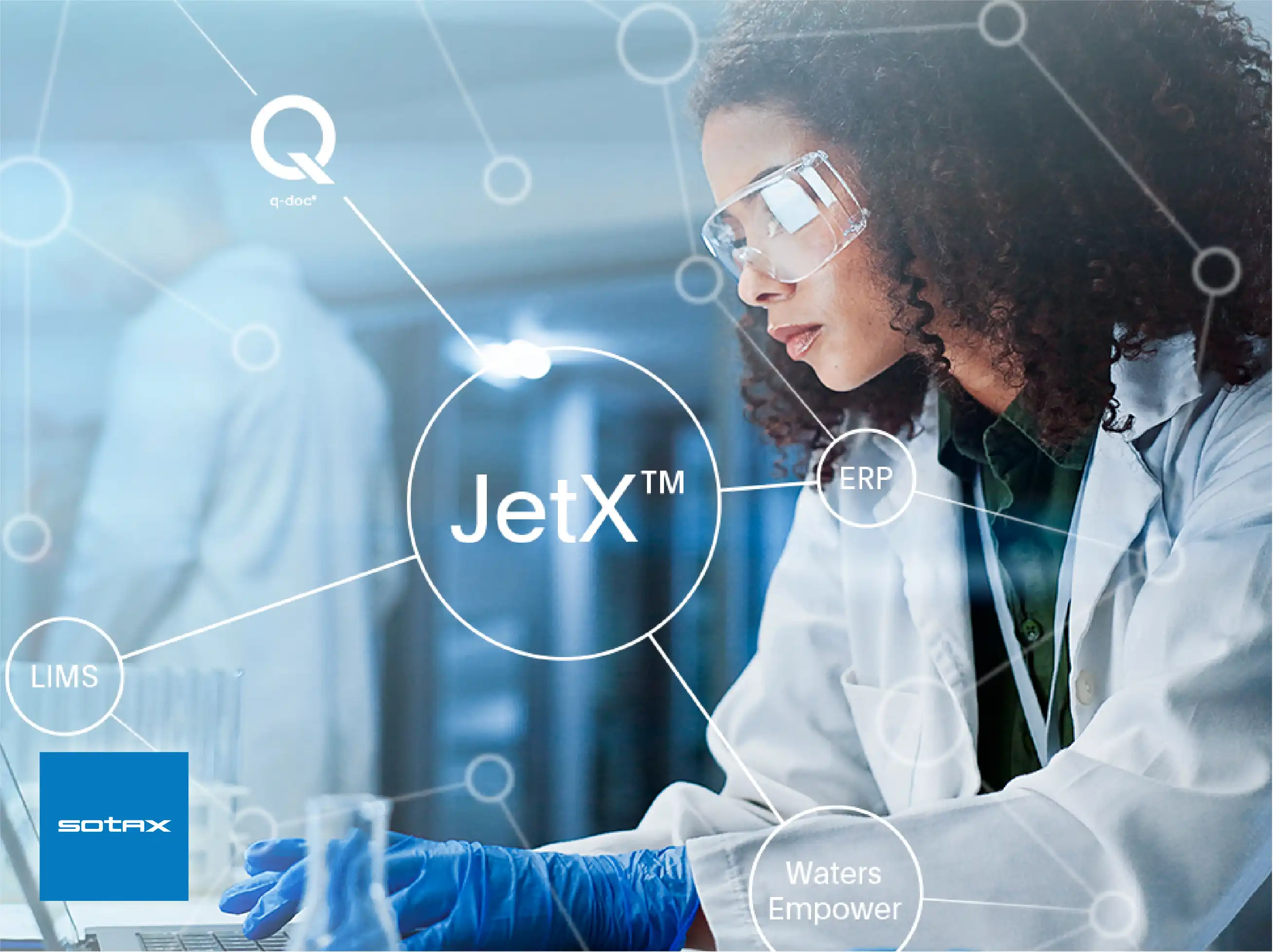
To maximize enterprise connectivity, SOTAX software incorporates advanced bidirectional integration paths that link laboratory hardware directly with corporate digital ecosystems. Utilizing standardized DataLink SQL export interfaces, the platform facilitates the automated selection, reformatting, and direct exchange of data tables with external enterprise systems like LIMS, MES, ERP, or Chromatography Data Systems (CDS) such as Waters Empower. Because no text files, spreadsheet formats, or manual transcription steps are used, this secure database-to-database communication eliminates transposition errors and guarantees absolute data integrity across the corporate network.
Click here for more information about Sotax range of products.