
Home » Products » Chromatography/Mass Spectrometry » MALDI-Based Instruments and Solutions » Shimadzu MALDI Benchtop Instruments
MALDI Benchtop Instruments
|
Integrated Laboratory Intelligence & Precision
.webp)
.webp)
.webp)
.webp)
.webp)
.webp)
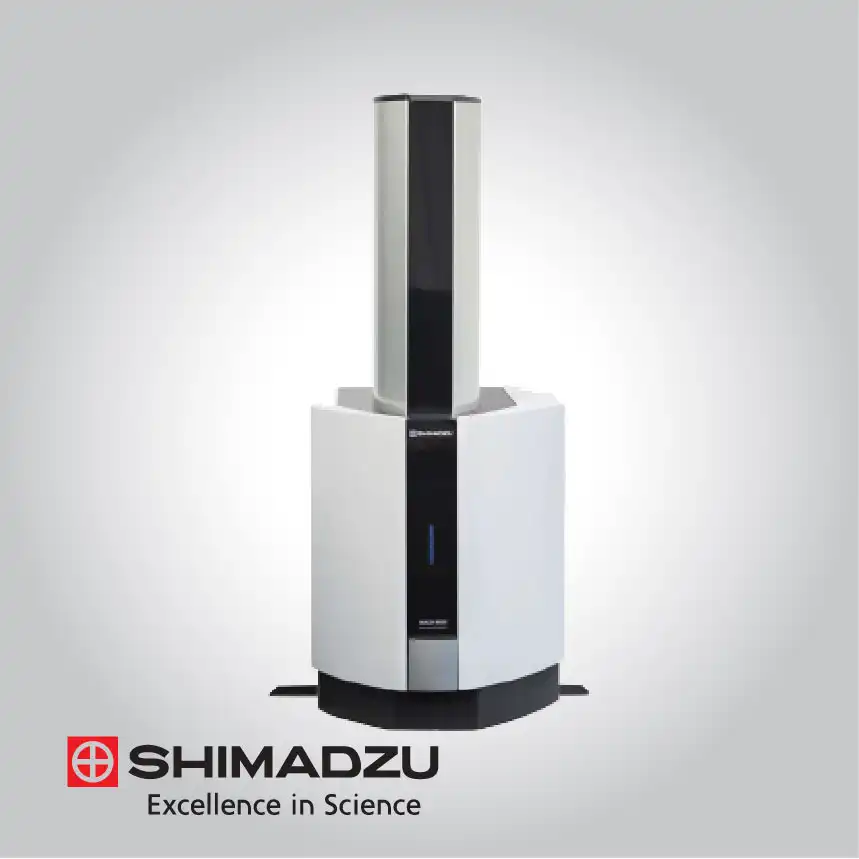
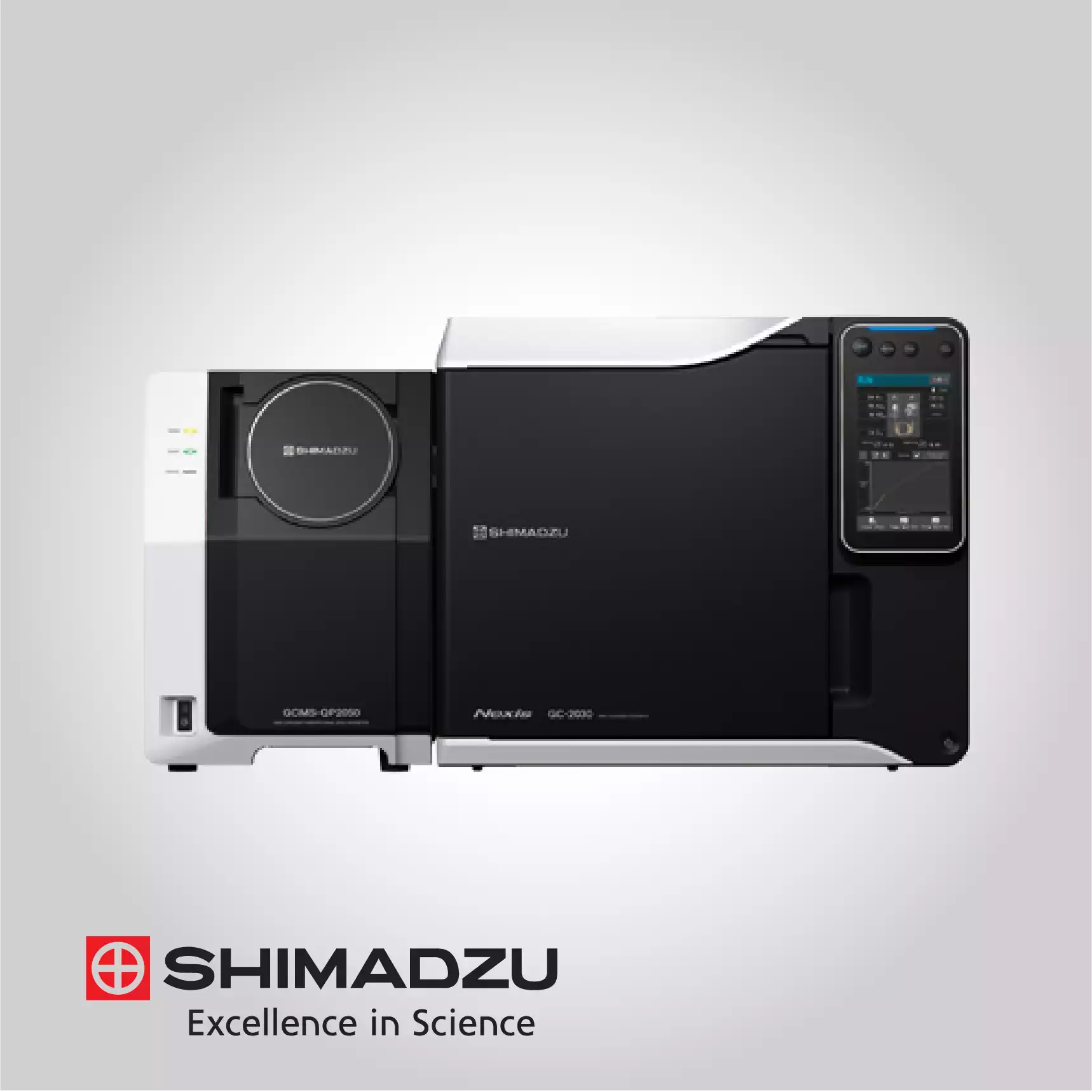
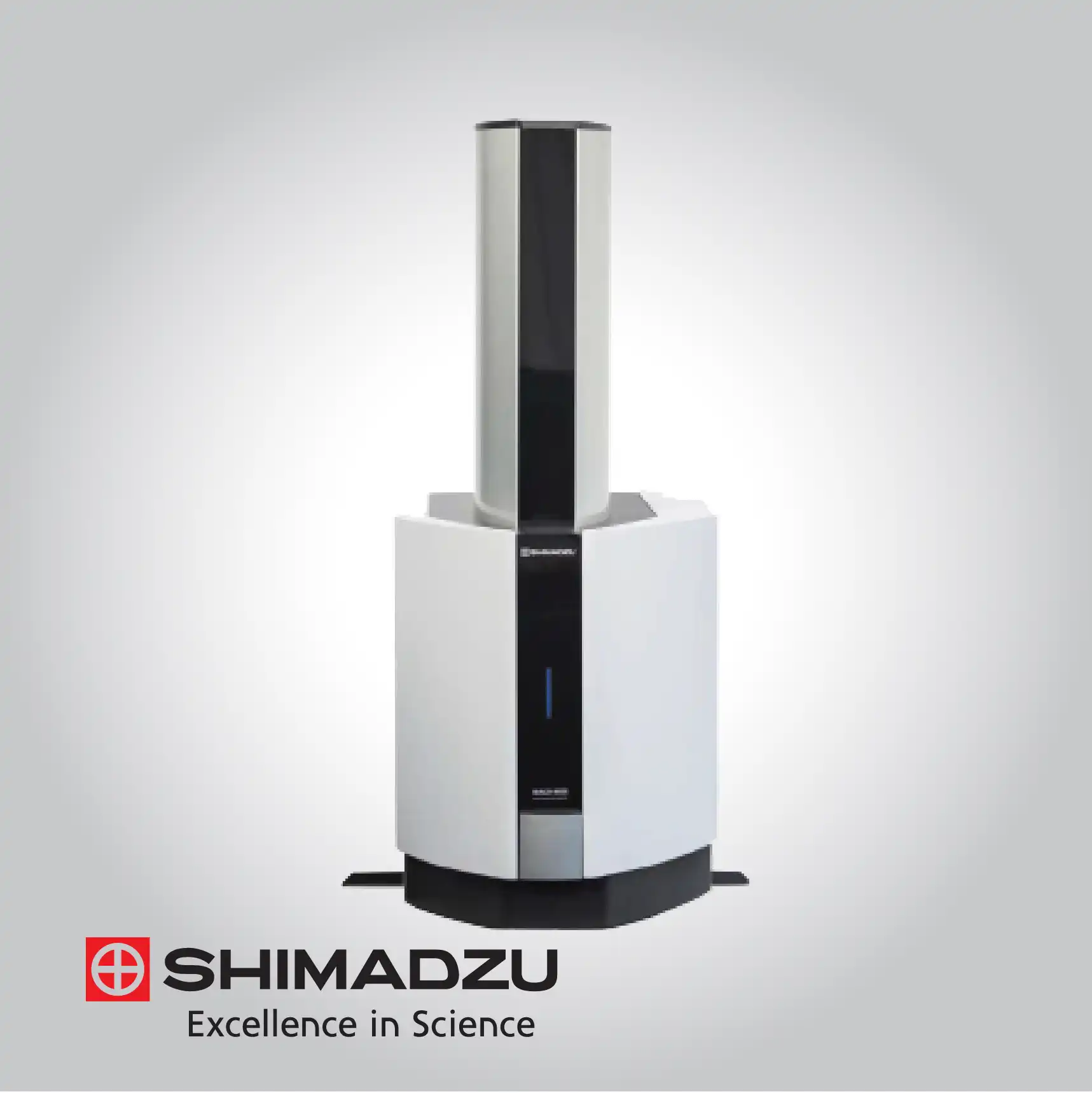
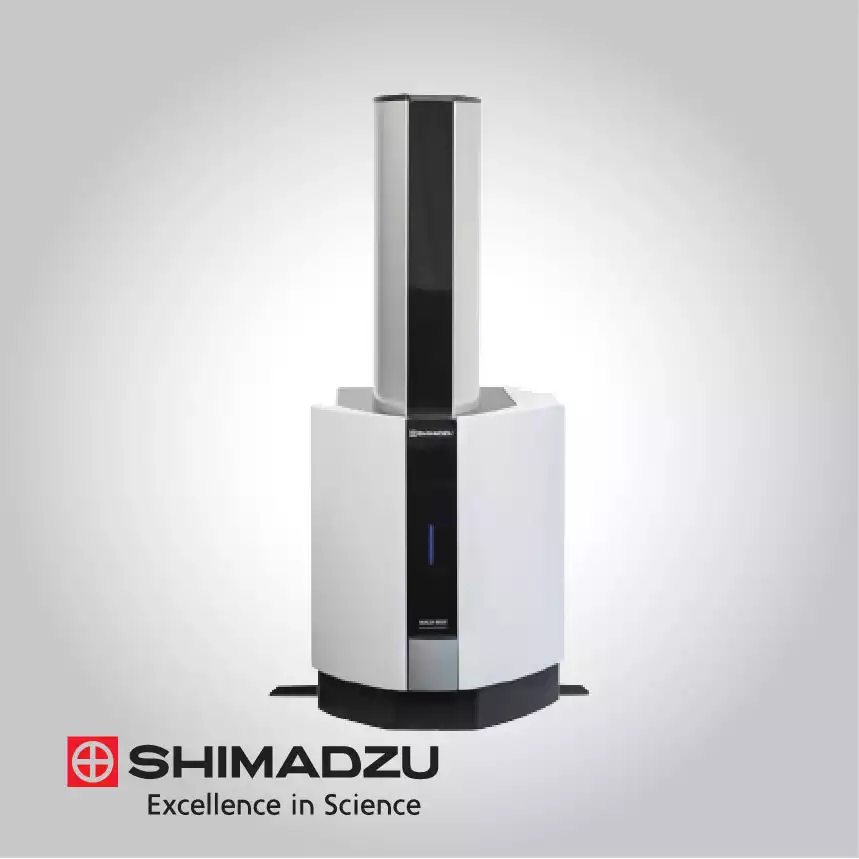
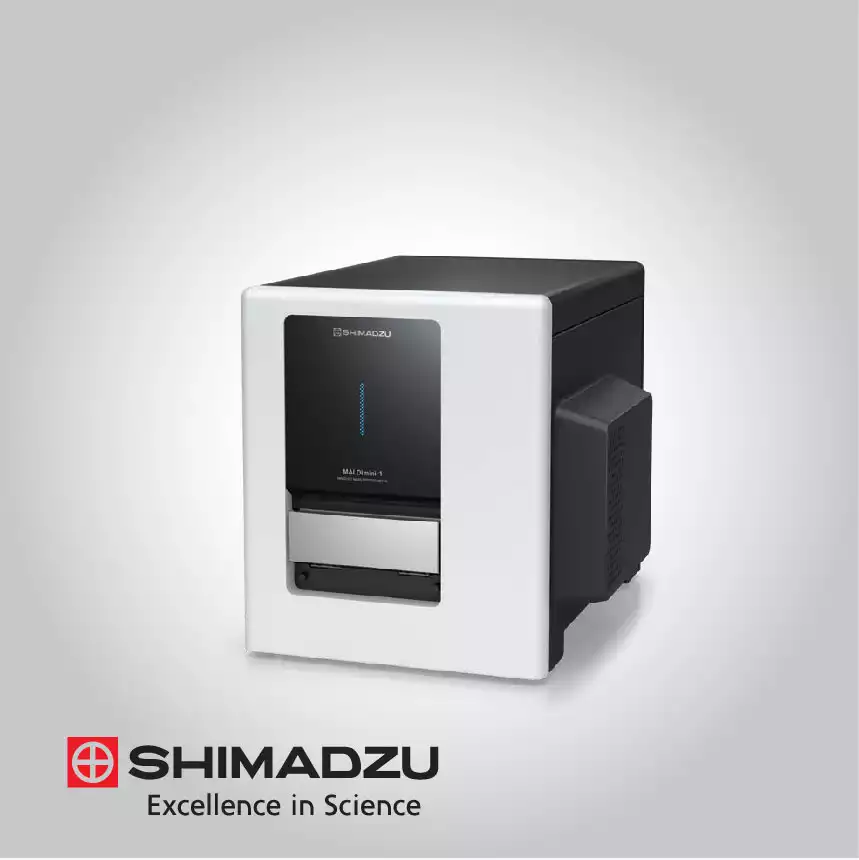
Shimadzu MALDI Benchtop Instruments
The technical architecture of these benchtop MALDI systems is focused on delivering high sensitivity and resolution within a space-saving chassis. These instruments often incorporate both linear and reflectron TOF modes, enabling detailed structural characterization through MS/MS capabilities such as High-Energy Collision-Induced Dissociation (HE-CID). This allows for the unambiguous identification of compound structures, including amino acid sequences or polymer end-groups.
By utilizing a quiet, oil-free vacuum system and a standard power supply, these instruments are technically optimized for diverse environments, ranging from pharmaceutical development laboratories to academic research facilities, ensuring reliable data with minimal maintenance overhead.
High-Frequency Solid-State Laser Technology
Shimadzu's benchtop MALDI systems are equipped with high-frequency, long-life solid-state lasers. Technically, these lasers provide rapid data acquisition rates, which is essential for high-throughput laboratory environments. The laser optics are designed to provide a consistent spot size and energy distribution, ensuring reproducible ionization across the entire sample target. This high-frequency pulsing, combined with precise stage movement, allows for the rapid creation of mass spectral profiles for hundreds of samples in a single session.
Versatility in Linear and Reflectron TOF Modes
The benchtop platforms technically support both linear and reflectron Time-of-Flight modes. The linear mode is optimized for the analysis of high-molecular-weight species, such as intact proteins and large polymers, where sensitivity is paramount. Conversely, the reflectron mode utilizes an ion mirror to increase the flight path and compensate for initial kinetic energy distributions, providing the high mass resolution and accuracy required for peptide mass fingerprinting and small molecule identification.
Structural Elucidation via MS/MS and HE-CID
Advanced configurations of these benchtop instruments include MS/MS capabilities utilizing High-Energy Collision-Induced Dissociation (HE-CID). Technically, this allows for the selection of a precursor ion and its subsequent fragmentation through high-energy collisions with an inert gas. The resulting fragment patterns provide invaluable structural information, such as the sequencing of peptides or the identification of side chains in synthetic polymers, which is typically not possible with standard MS analysis alone.
Quiet, Oil-Free Vacuum Systems
For laboratory environments where noise and maintenance are concerns, Shimadzu utilizes quiet, oil-free diaphragm or scroll pumps in its benchtop MALDI systems. Technically, these pumps maintain the high-vacuum requirements of the TOF analyzer while eliminating the risk of oil back-streaming and contamination of the ion optics. This design reduces the maintenance burden and ensures that the system can be operated in standard office or laboratory settings without the need for specialized acoustic housing.
Automated Ion Source Cleaning
To maintain long-term sensitivity and prevent the accumulation of matrix and sample residue, these instruments feature automated ion source cleaning functions. Technically, this process can be scheduled during idle periods to remove contaminants from the source electrodes using ultraviolet light or other non-invasive methods. This ensures that the ion beam remains focused and that the mass resolution does not degrade over time due to electrostatic charging on dirty surfaces.
Broad Mass Range and Dynamic Range
The TOF analyzers in these benchtop systems are engineered to handle a broad mass range, from small metabolites to large biomolecular complexes exceeding several hundred kilodaltons. Technically, the detection electronics are optimized for a wide dynamic range, allowing for the simultaneous detection of low-abundance components in the presence of highly concentrated species. This is particularly useful in polymer research for characterizing molecular weight distributions and polydispersity.
Integrated "Analytical Intelligence" and Software
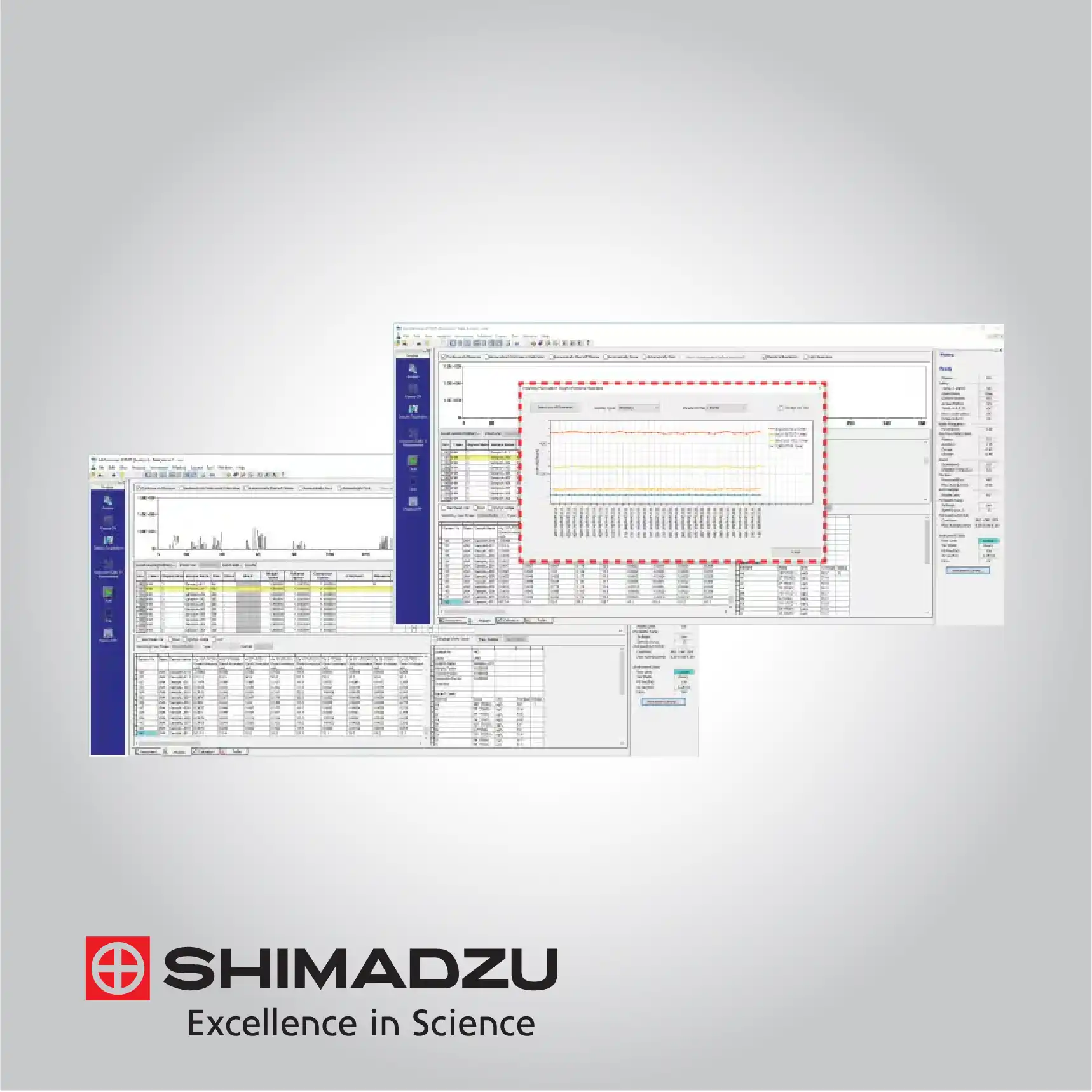
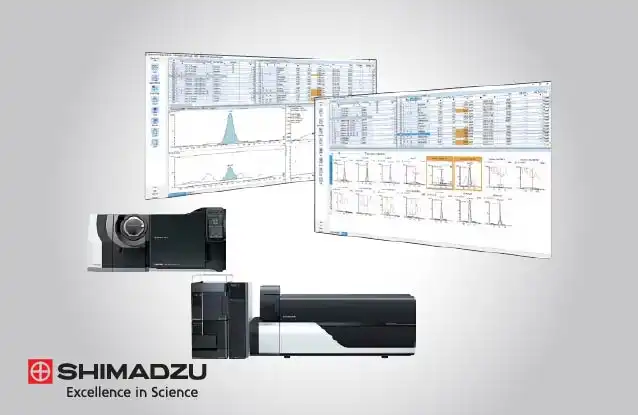
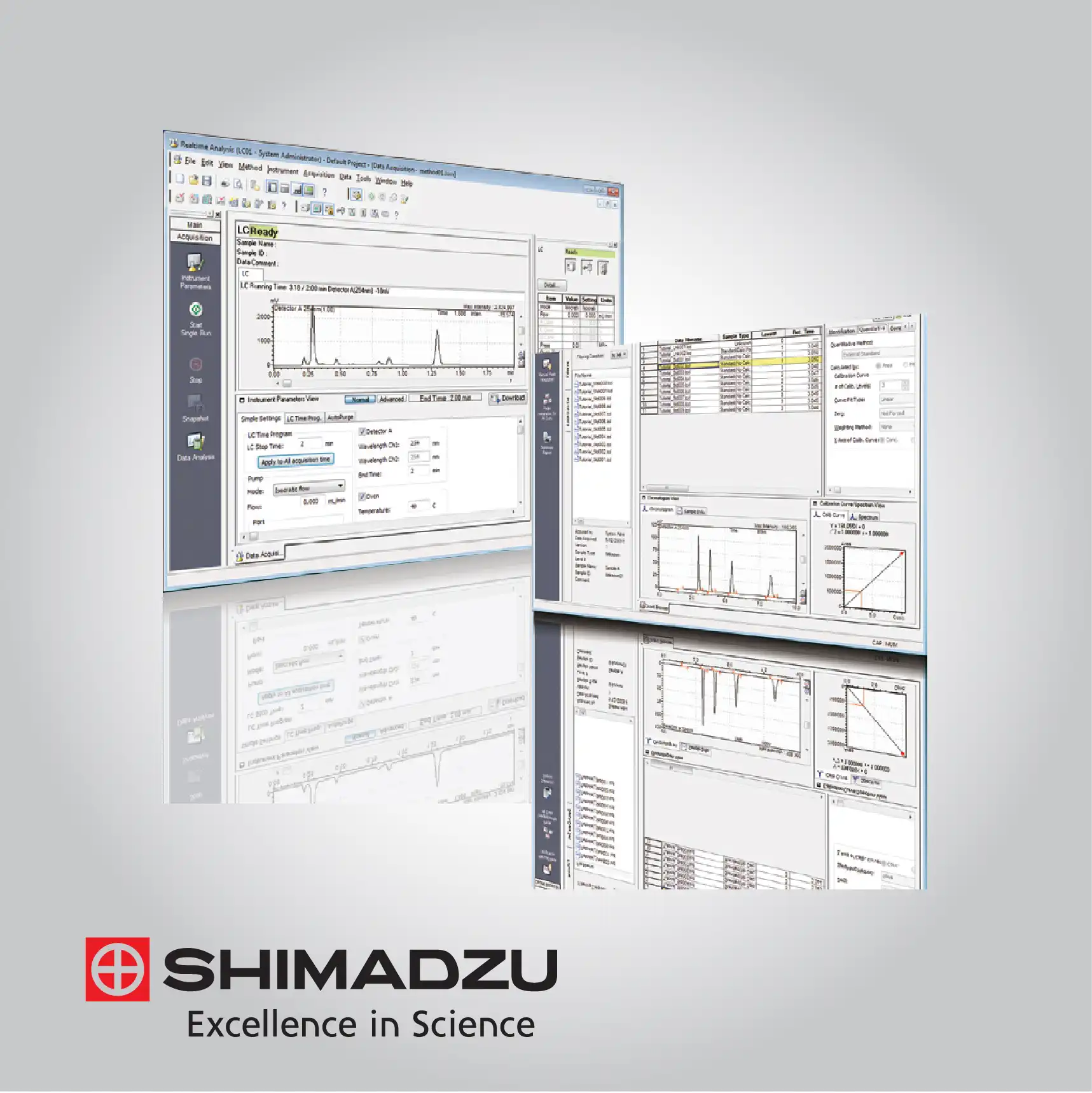
Shimadzu integrates "Analytical Intelligence" into the software managing MALDI operations. Technically, the software provides automated workflows for mass calibration, laser power optimization, and peak picking. It supports various data formats and can be integrated with extensive protein and polymer databases. Automated "Smart" features ensure that even users with limited mass spectrometry experience can obtain high-quality, reproducible data through intuitive, wizard-driven interfaces.
Flexible Sample Target Formats
These benchtop MALDI instruments are designed to accommodate a variety of sample target formats, including standard 96-well or 384-well plates, as well as specialized targets for tissue imaging or small-volume samples. Technically, the sample stage is driven by high-precision motors to ensure accurate laser targeting. This flexibility allows for seamless integration into diverse analytical workflows, from proteomics research to clinical microbiology and industrial materials testing.
Click here for more information about Shimadzu range of products