.webp)
IKA Hot Plates
|
Advanced Laboratory Heating Technology and Safety Control
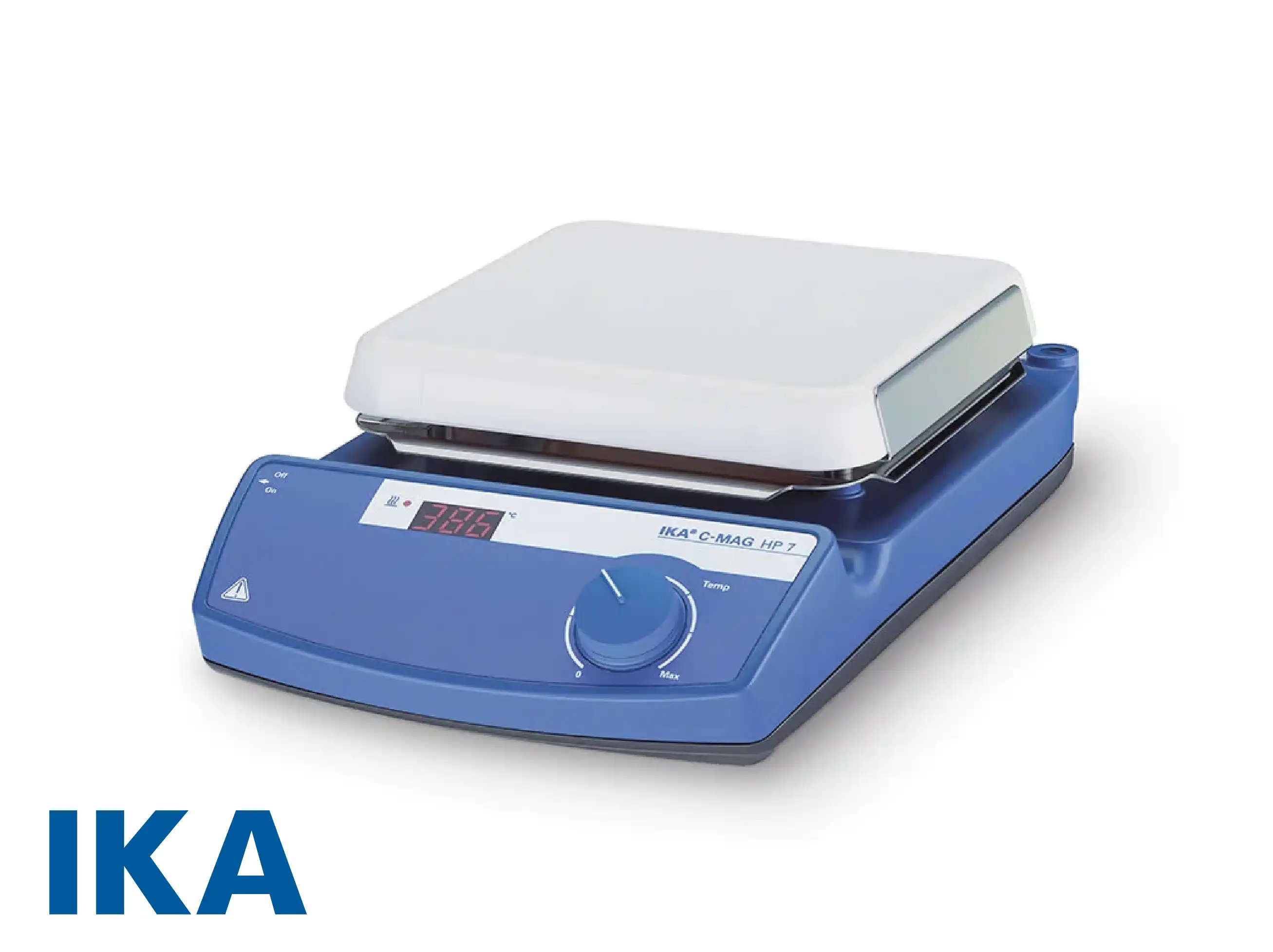
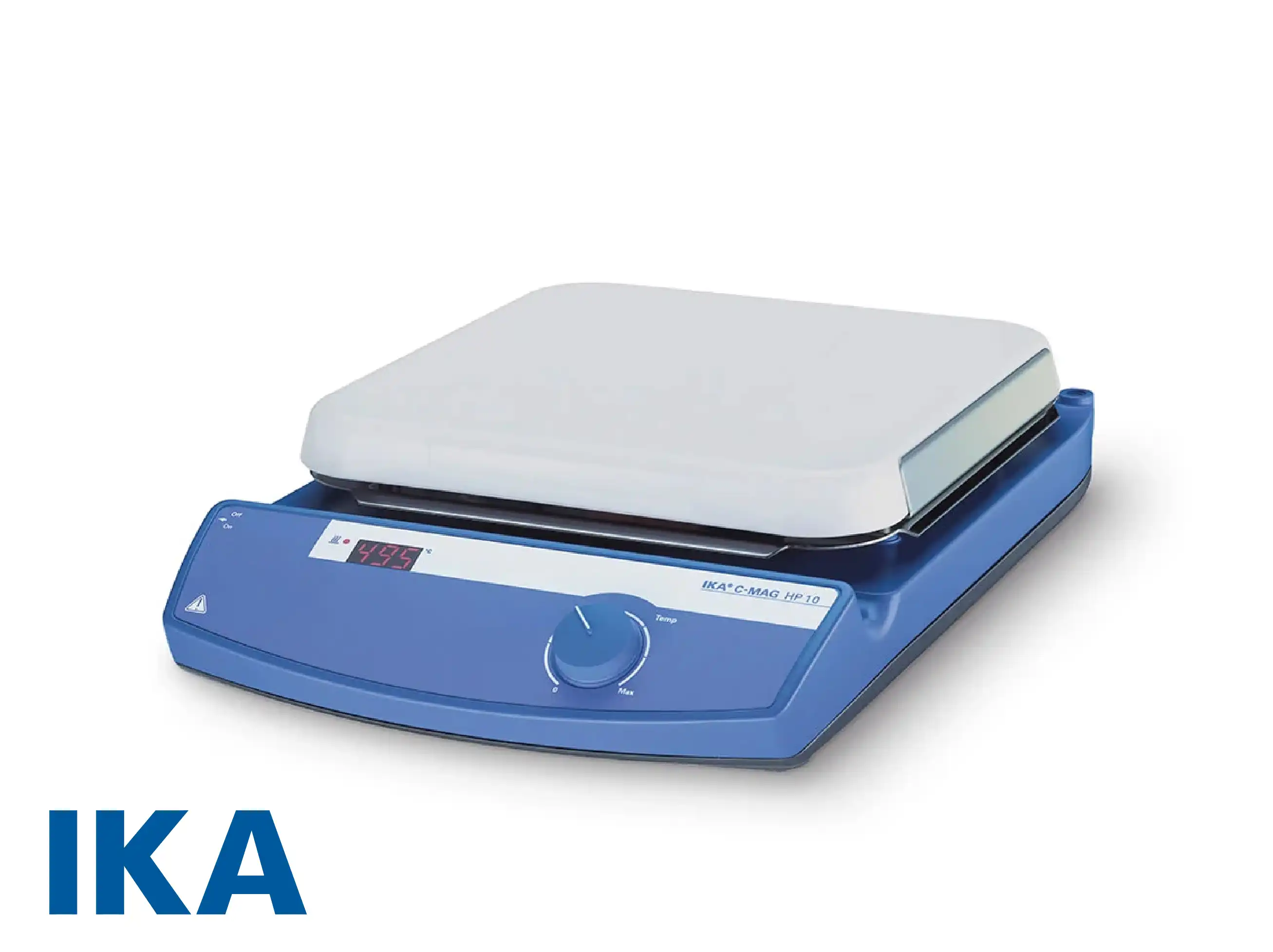
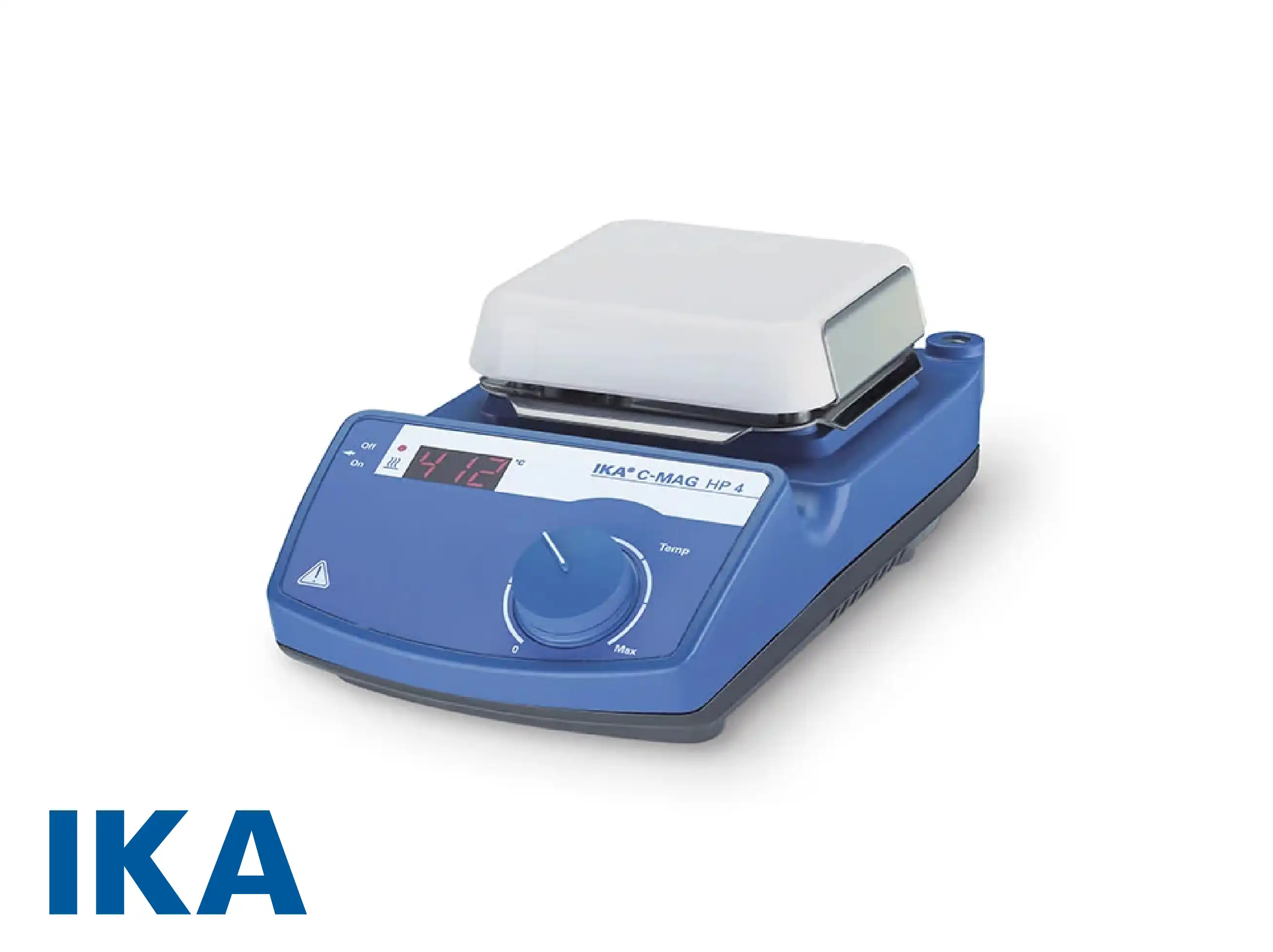
IKA Hot Plates
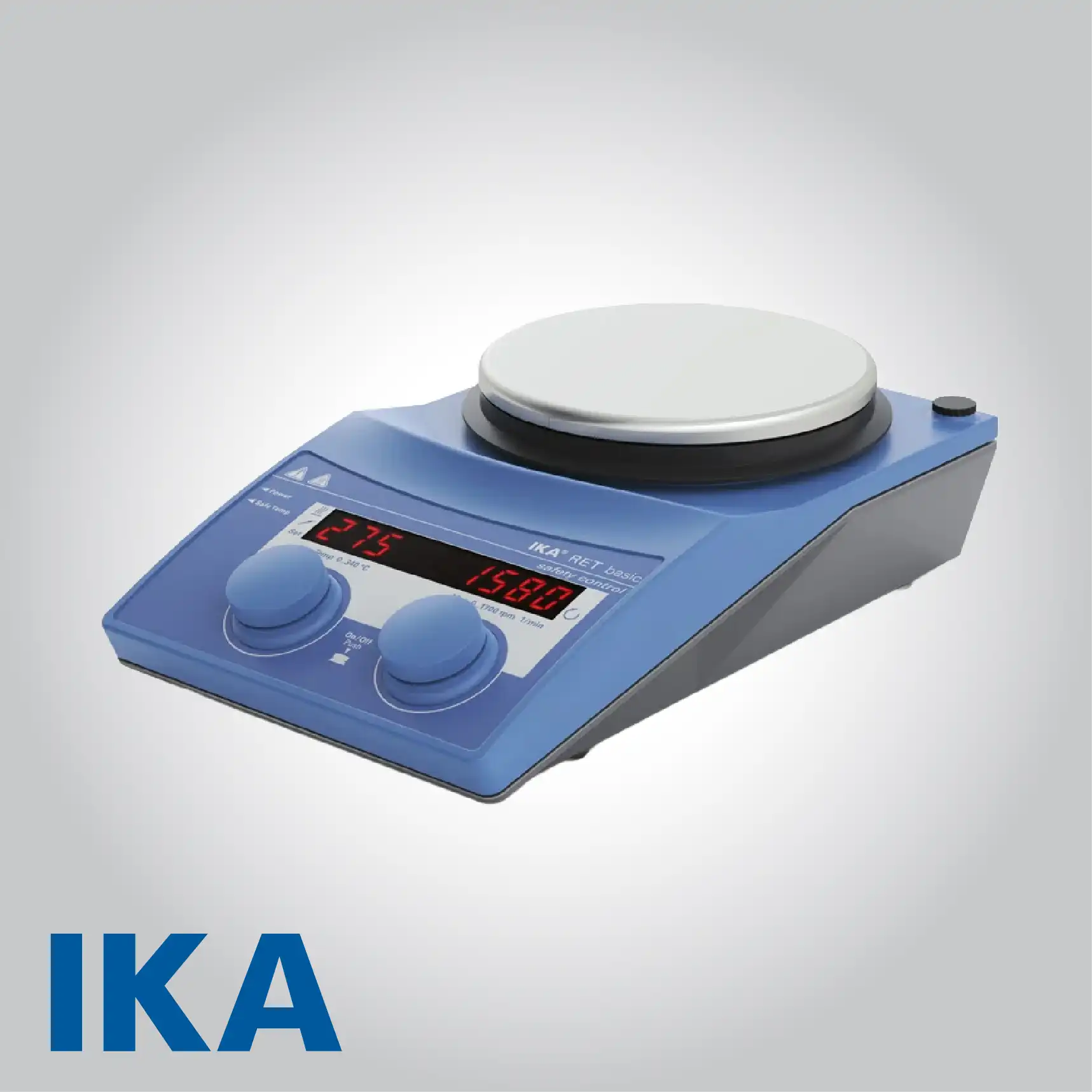
Safety and process monitoring are central to the technical architecture of IKA heating technology. The instruments feature independent safety circuits and a "Hot" surface warning indicator that remains active even when the device is switched off, protecting laboratory personnel from accidental burns.
Technically, these hot plates support the connection of external temperature sensors, enabling direct control of the medium's temperature rather than just the plate surface. This closed-loop control system, combined with digital displays for real-time monitoring, ensures that the reaction environment remains consistent, preventing thermal overshoot and ensuring the safety of volatile or sensitive chemical processes.
Material Properties of Glass-Ceramic Heating Surfaces
Technically, the choice of glass-ceramic for the heating surface is driven by its unique thermal and chemical properties. This material allows for a high degree of infrared transmission and minimal thermal expansion, ensuring that the plate does not warp under extreme heat. Furthermore, its non-porous surface is highly resistant to acids, bases, and organic solvents, making it ideal for laboratories handling aggressive chemicals where surface integrity is paramount for consistent heat conduction.
Microprocessor-Controlled Thermal Regulation
To ensure precise temperature management, IKA hot plates utilize microprocessor technology. This technical regulation allows for the exact setting of target temperatures via digital interfaces. The system continuously monitors the actual surface temperature against the setpoint, making micro-adjustments to the power output. This prevents significant temperature fluctuations, which is critical for sensitive synthesis and incubation tasks where steady-state thermal conditions are required.
Integrated Safety Circuits and Temperature Limiting
A fundamental technical safeguard in IKA hot plates is the inclusion of independent safety circuits. These circuits are designed to monitor the heating process and trigger an automatic shutdown if a predefined temperature limit is exceeded. This technical redundancy ensures that even in the event of a sensor failure in the primary control loop, the device remains safe, preventing thermal runaway and protecting the laboratory environment from hazardous overheating.
External Sensor Integration for Precise Medium Control
For applications requiring exact control over the sample's internal temperature, IKA hot plates support the connection of external temperature probes like the PT 1000. Technically, this transforms the heating process into a closed-loop system where the power output is dictated by the actual temperature of the liquid medium. This eliminates the thermal lag associated with measuring only the plate surface, ensuring that the sample reaches the setpoint accurately without overheating.
High-Performance Heating Elements and Rapid Elevation
The technical efficiency of these hot plates is defined by their high-wattage heating elements. These components are strategically distributed beneath the surface to ensure rapid heat-up times and uniform temperature distribution across the entire contact area. This reduces the waiting time for the sample to reach the desired state and ensures that multiple vessels placed on the same plate experience identical thermal conditions.
Visual Monitoring and Digital Display Systems
Modern laboratory hot plates feature high-resolution digital displays that provide real-time feedback on thermal parameters. Technically, these screens show both the target setpoint and the current actual temperature. This digital transparency allows operators to monitor the heating curve closely, ensuring that the process adheres to the specific heating rates required for complex chemical reactions or material testing protocols.
Warning Indicators for Residual Heat Management
Safety is technically enhanced through visual warning systems, such as the "Hot" surface indicator. This sensor-driven LED flashes as long as the plate temperature is above a safe threshold (typically 50 °C), even after the heating function has been deactivated or the device is disconnected from the power. This technical feature is vital for preventing accidental contact with hot surfaces during the cooling phase in busy laboratory settings.
Robust Housing and Chemical Resistance Design
The structural engineering of IKA hot plates focuses on durability in harsh research environments. The housings are typically constructed from chemically resistant materials and designed to prevent the ingress of liquids into the electronic components. Technically, this protects the internal microprocessor and heating circuitry from corrosion caused by vapors or accidental spills, extending the service life of the instrument in demanding industrial and academic laboratories.
Click here for more information about IKA range of products.