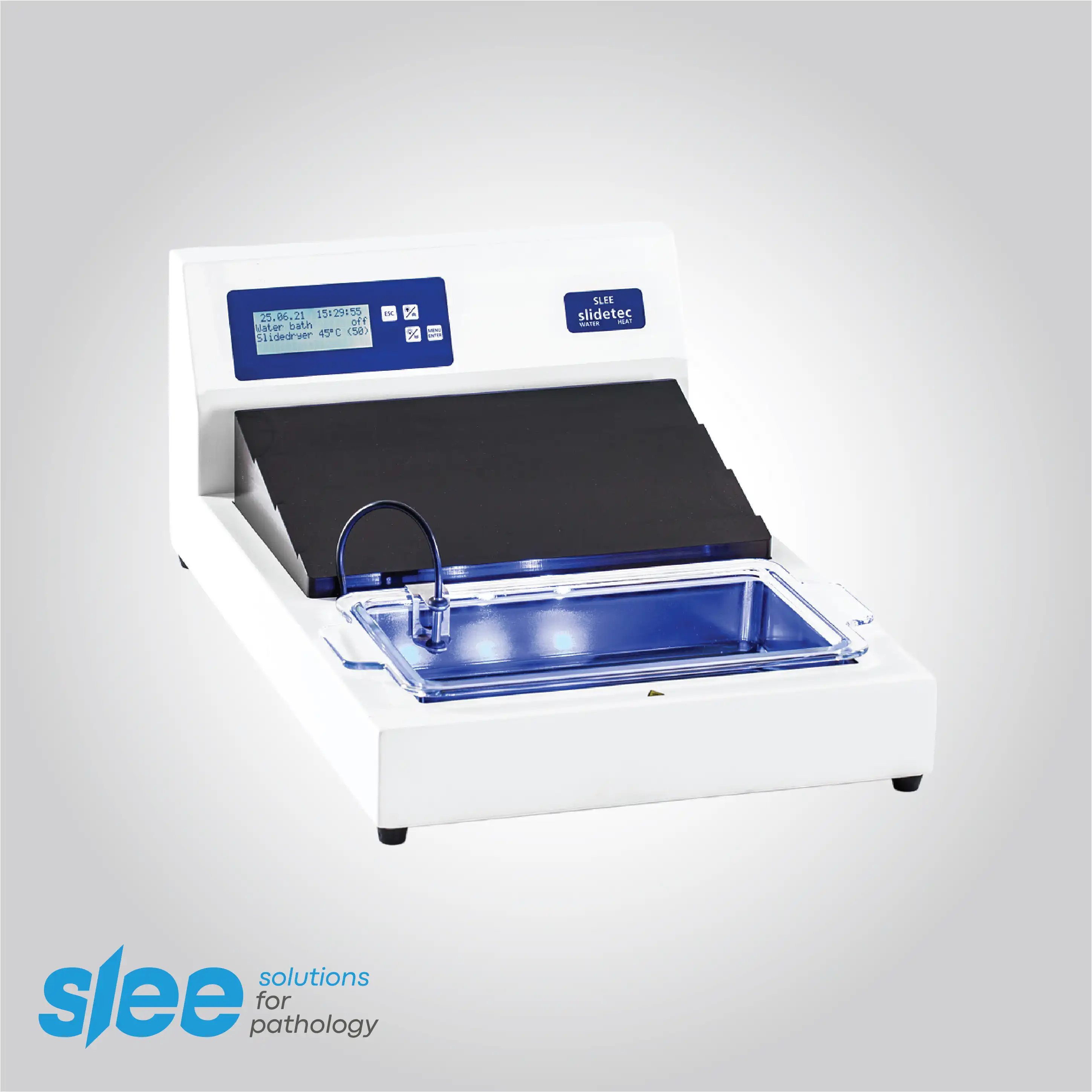

Cryostats
|
Floorstanding High-end cryostat
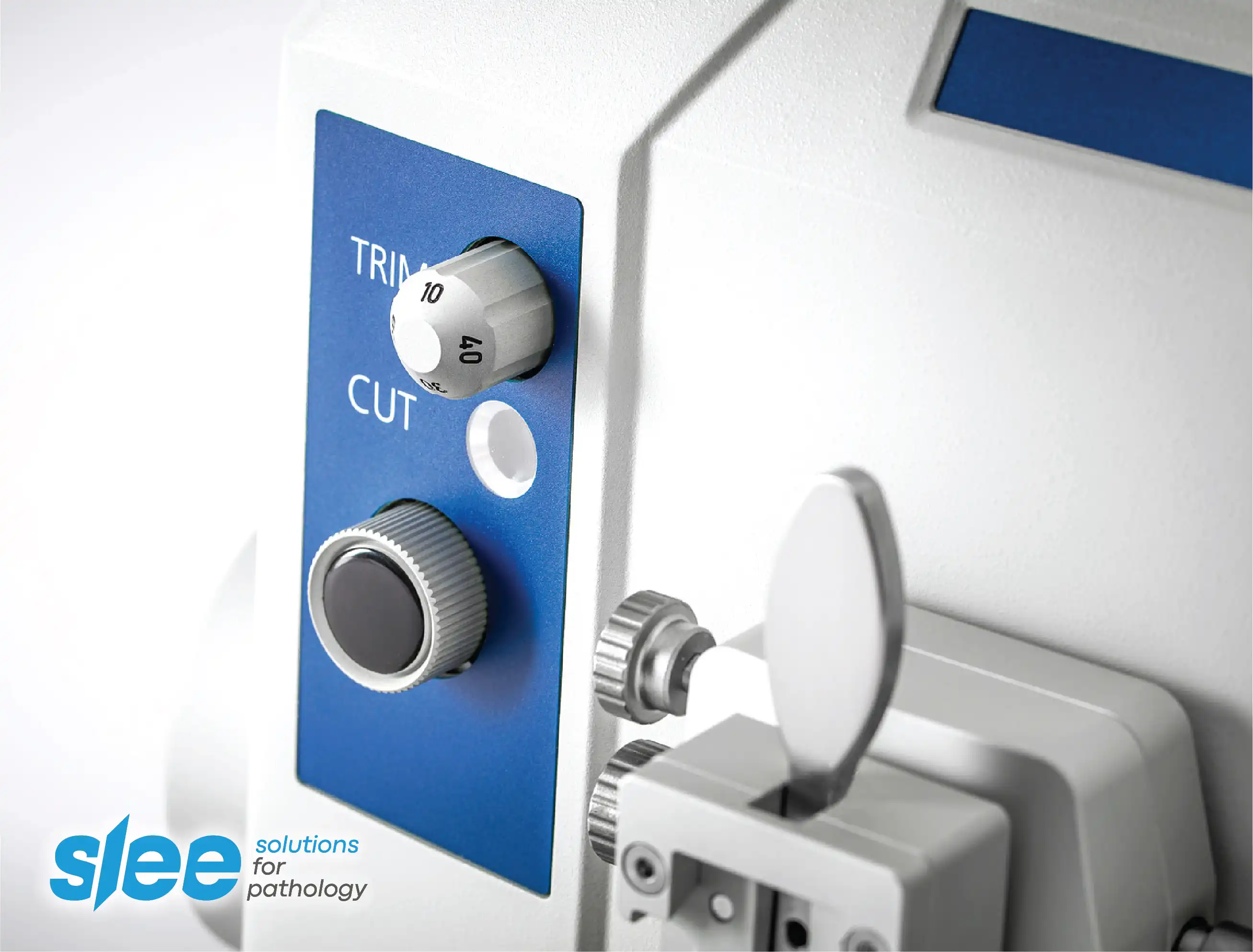
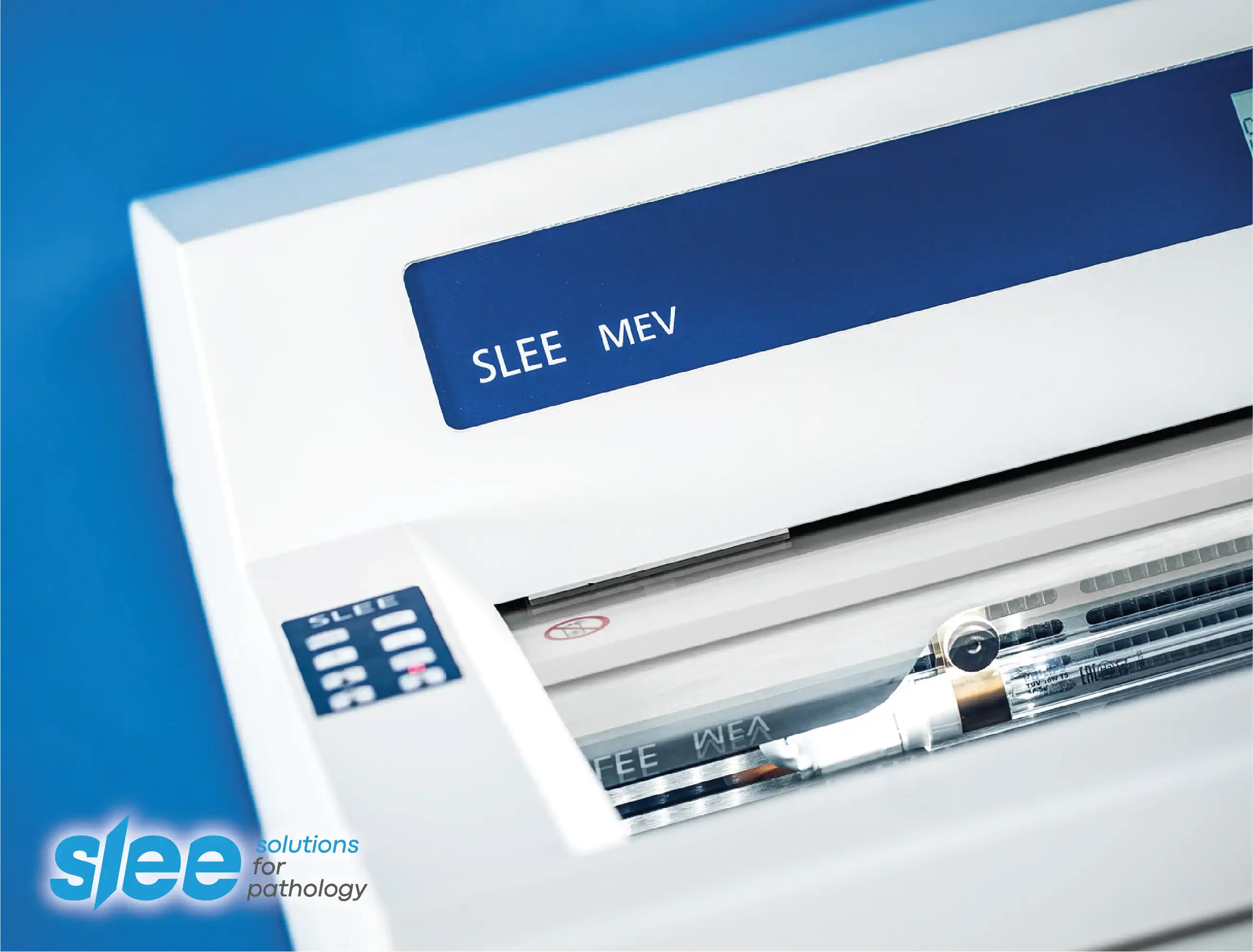
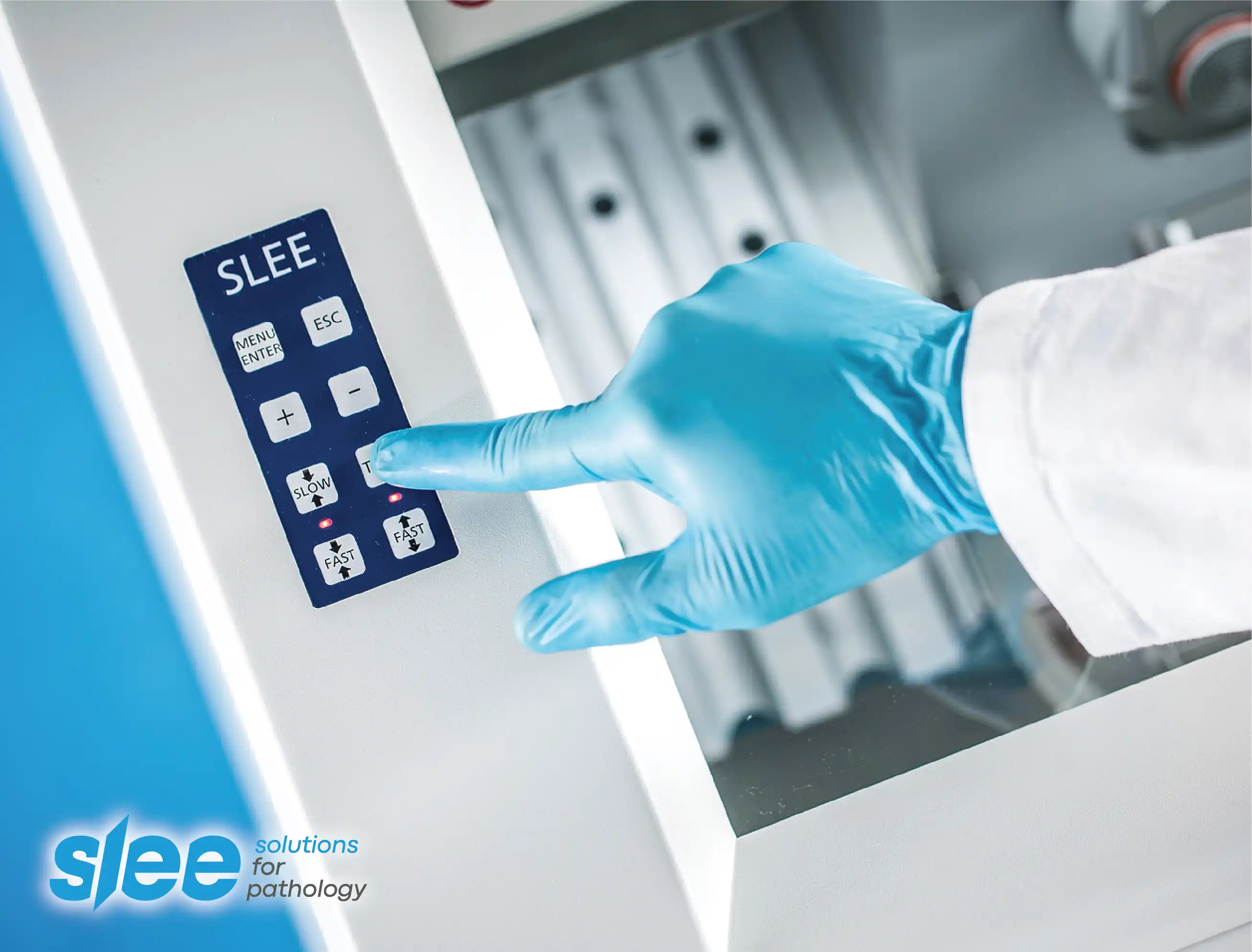
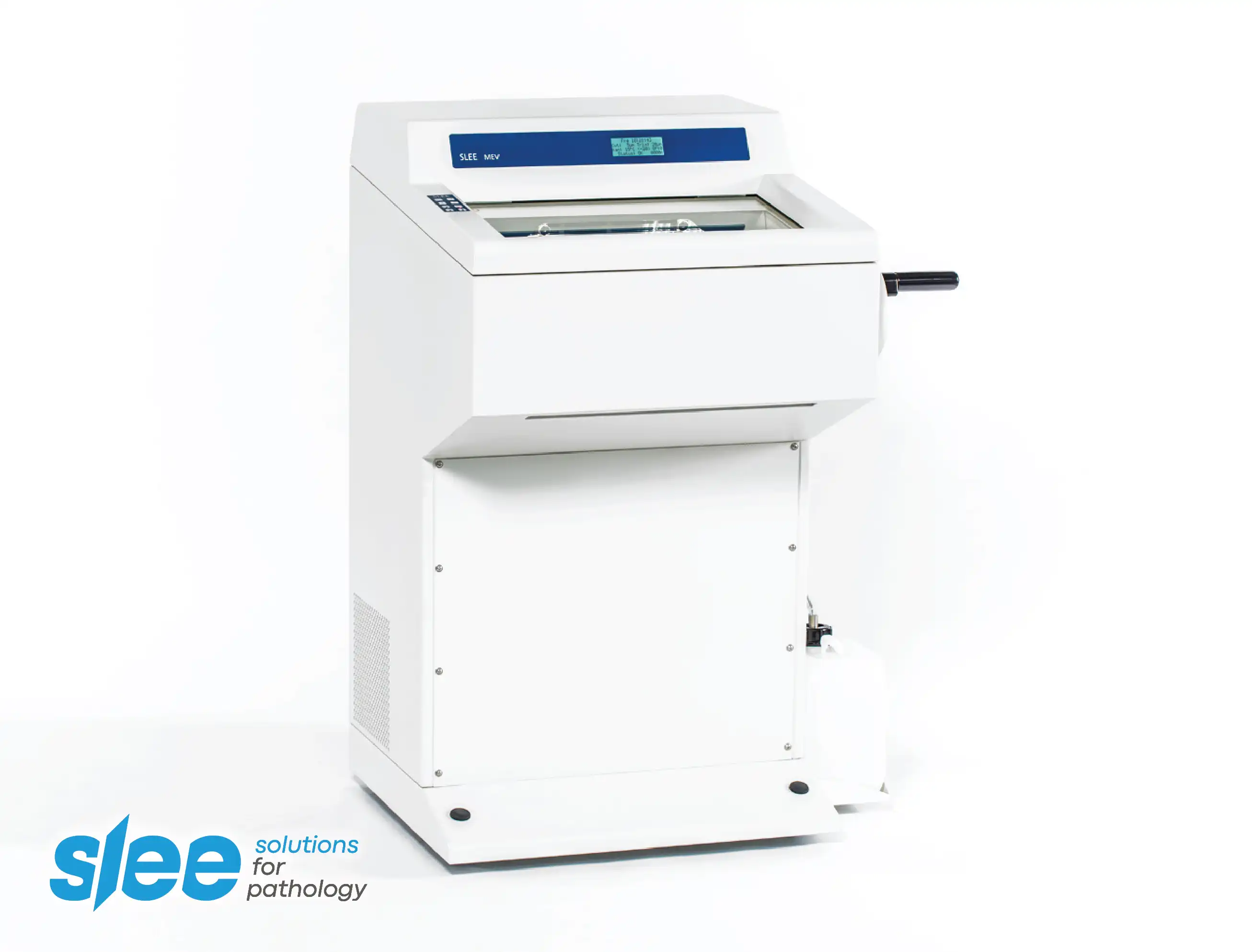
Slee Cryostats
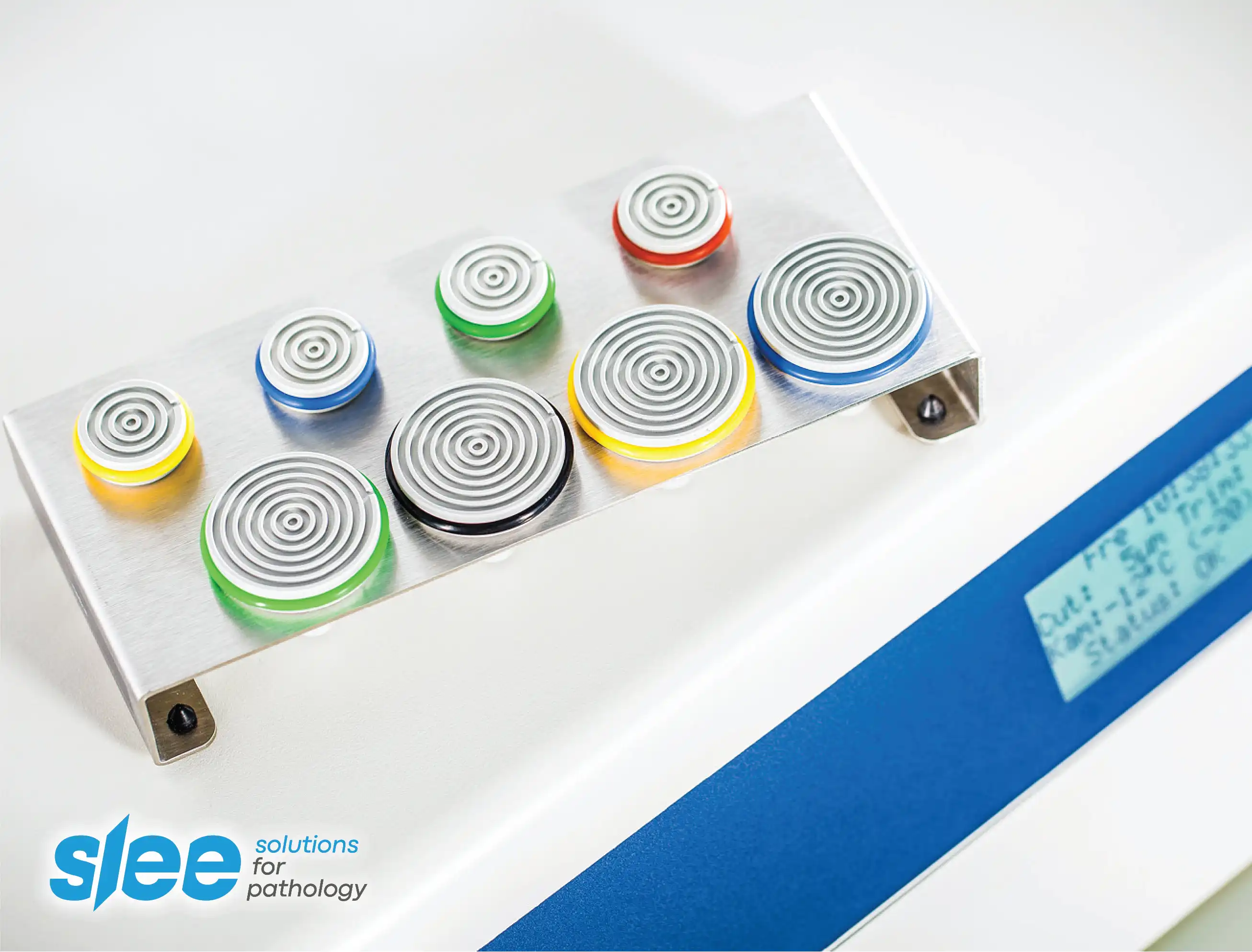
The foundational technical capability of a cryostat is maintaining ultra-low temperatures within the large working chamber, typically reaching around -35 °C. This stable thermal environment is achieved through an effective, integrated cryochamber cooling system. Complementary to this is the dedicated freezing bar, which provides multiple positions for rapid and effective freezing of tissue samples prior to mounting and sectioning, a crucial step for preserving cell morphology during the frozen process.
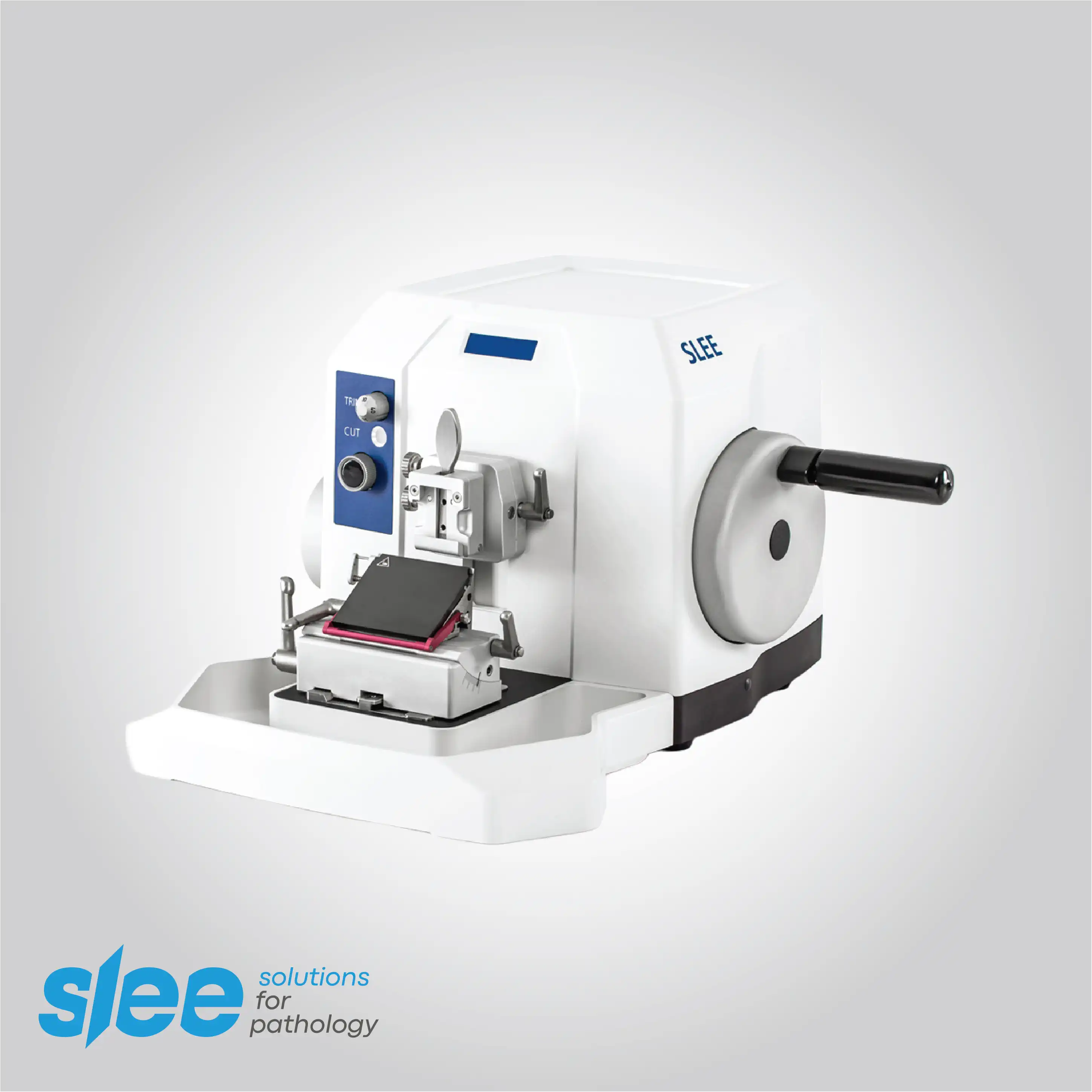
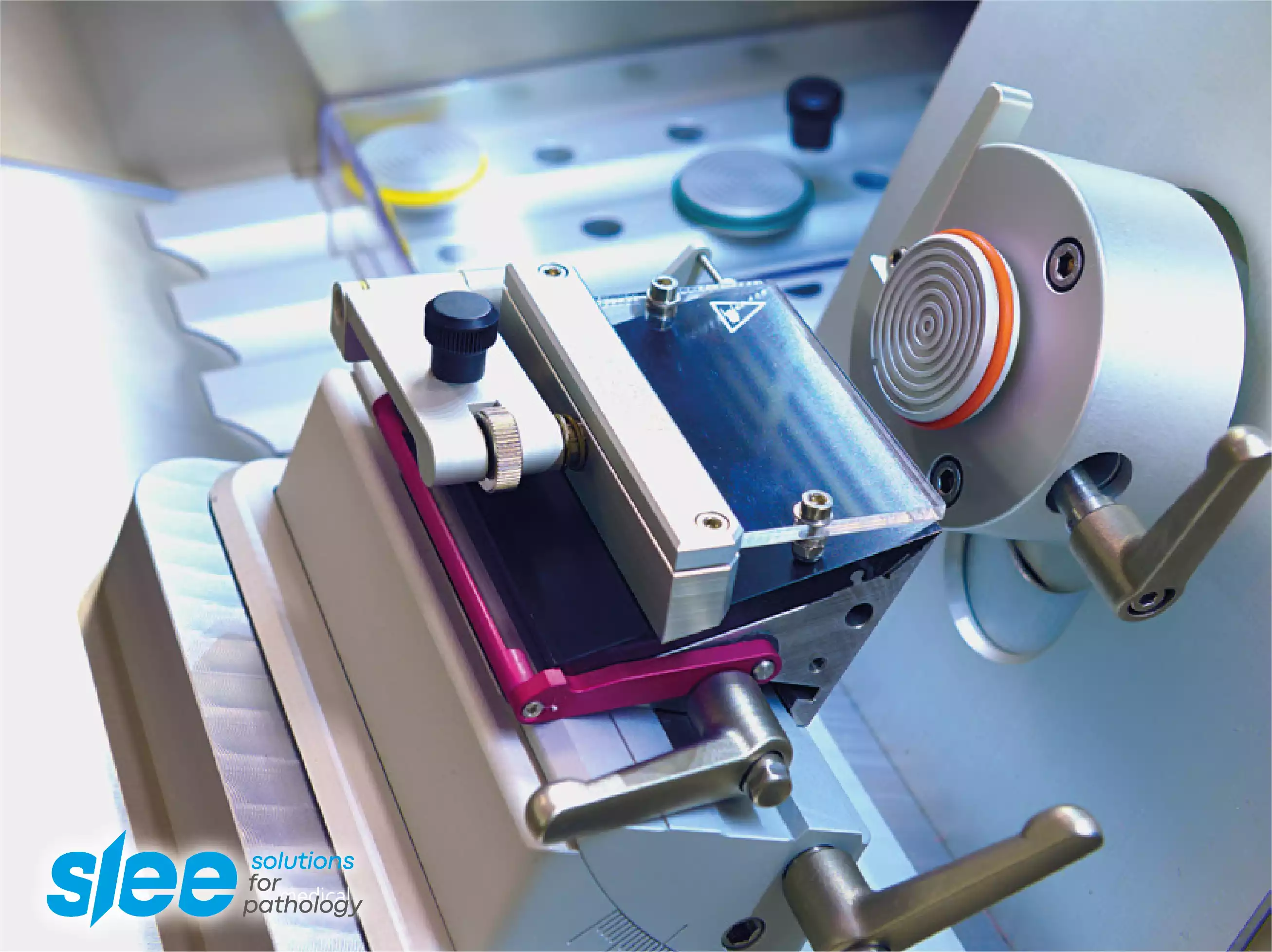
The cryostats incorporate modern microtome technology, often utilizing a rotary microtome configuration. In high-end models, this microtome features extremely high mechanical stability coupled with backlash-free roller guides. This precision mechanical assembly ensures the controlled, reproducible advance of the specimen block and minimizes vibration, which is paramount for consistently producing thin, uniform, and artifact-free frozen sections for diagnostic purposes.
Cryochamber Construction and Capacity
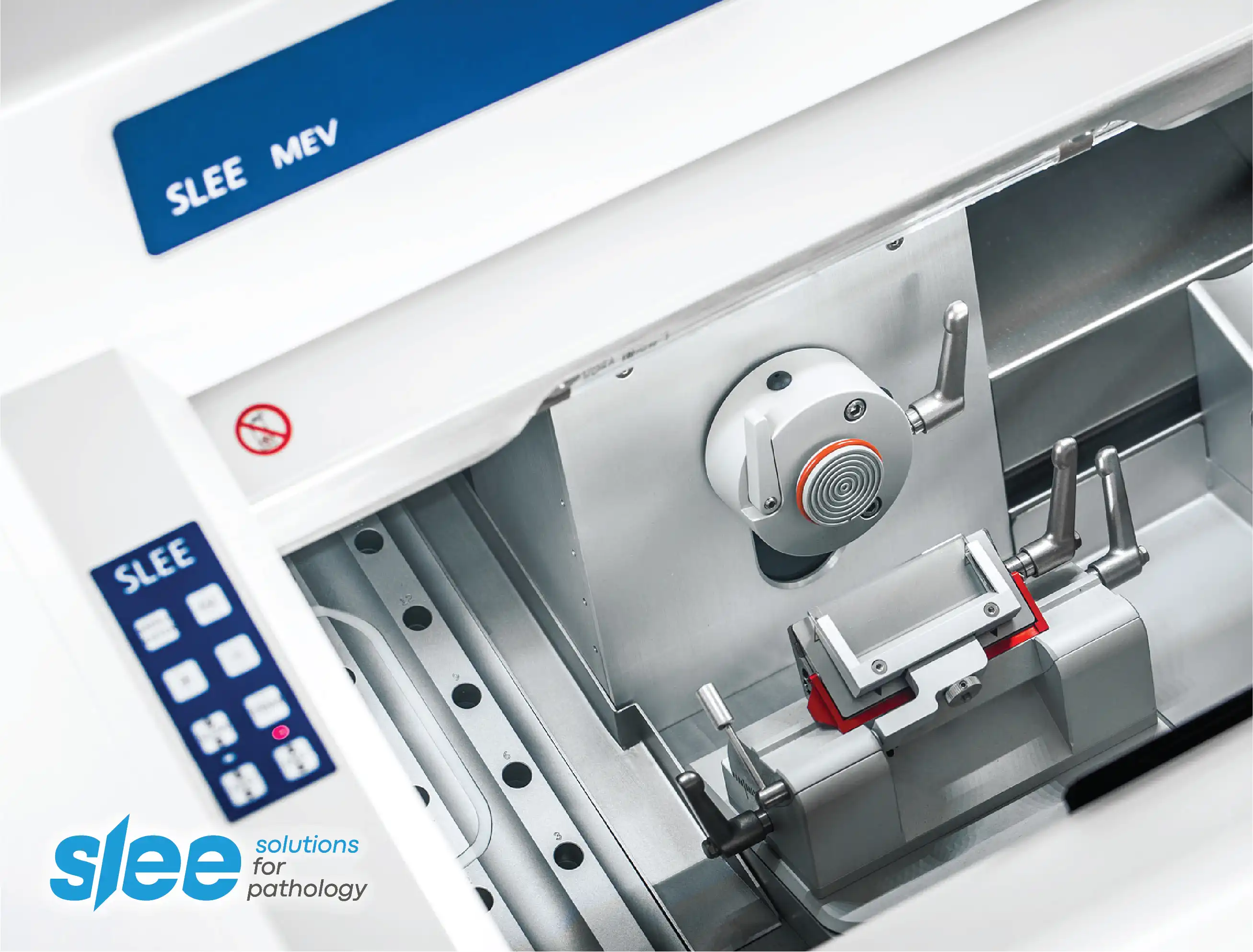
The cryochamber forms the heart of the system, constructed from large stainless steel for durability, easy cleaning, and excellent thermal stability. Its design is space-saving yet encompasses sufficient volume for ease of operation. The effective internal cooling system ensures that the entire chamber atmosphere maintains the desired low temperature for tissue sectioning. Furthermore, the chamber includes a freezing bar that can accommodate up to 24 specimen positions, maximizing throughput and preparation efficiency during high-volume diagnostic procedures.
High-End Microtome Mechanical Stability
High-end cryostats are distinguished by their utilization of a fully automatic rotary microtome mechanism. This internal component is built for exceptional performance, featuring extremely high mechanical stability to eliminate vibration during the cutting stroke. Critical to its precision are the integrated backlash-free roller guides, which ensure flawless, linear specimen movement and accurate section thickness settings, essential for reliable pathological diagnosis.
Automated and Semi-Automated Operation
Cryostats are available in varying degrees of automation. While certain models emphasize convenient operation with a modern rotary microtome, others provide a fully automatic system where the cutting and trimming processes are motorized and controlled electronically. This automation provides the highest level of sectioning consistency and reduces the physical effort and variability associated with manual operation, making it ideal for high-throughput routine laboratories.
Efficient Specimen Freezing Capabilities
Effective specimen preparation requires rapid cooling. The devices incorporate an effective freezing bar built into the chamber that is capable of accommodating a significant number of samples concurrently. This rapid-freezing capability ensures that the tissue blocks achieve the optimal cutting temperature quickly. This feature is crucial for time-sensitive procedures like Mohs surgery or urgent intraoperative diagnosis, enhancing both convenience and workflow.
Microtome Precision and Rotary Principle
All integrated microtomes adhere to strict precision standards, whether manual or automatic. They rely on the proven rotary microtome principle for advancing the specimen block. This rotary movement, combined with precise micrometer feed mechanisms and stable guides, allows for highly accurate control over the section thickness. The fundamental stability of the mechanism is key to producing thin, uniform sections necessary for detailed microscopic examination.
Safety and Operational Convenience
Cryostats prioritize operator safety and operational convenience. The space-saving, modern design ensures the instrument fits well into laboratory environments. While the source only implies a modern, convenient design, the inclusion of a large stainless steel chamber directly contributes to safety through its ease of cleaning and sterilization. The overall design covers the most common requirements most frequently needed in routine histology, including ease of access to the internal components.
Applications in Histopathology and Research
The technological capabilities of the cryostats make them suitable for a wide range of analytical applications. Beyond routine histopathology, these instruments are robust enough to meet the demands of research applications and specialized uses in industry for quality control and materials research. The combination of ultra-low temperature maintenance and mechanical sectioning precision enables the accurate analysis of diverse, temperature-sensitive materials.
Meeting Routine Histology Requirements
Specific cryostat configurations are designed to cover the most common requirements frequently encountered in routine histology. This means the features—such as chamber size, cooling speed, microtome function, and operational convenience—are optimized for the standard diagnostic workflow. These reliable models ensure that laboratories can consistently produce diagnostic-grade frozen sections with high speed and minimal technical complexity.
Read more about Slee Products Here