
Home » Products » Chromatography/Mass Spectrometry » Gas Chromatograph-Mass Spectrometry » Shimadzu Triple Quadrupole GC-MS/MS
Triple Quadrupole GC-MS/MS
|
Ultra-High Sensitivity
.webp)
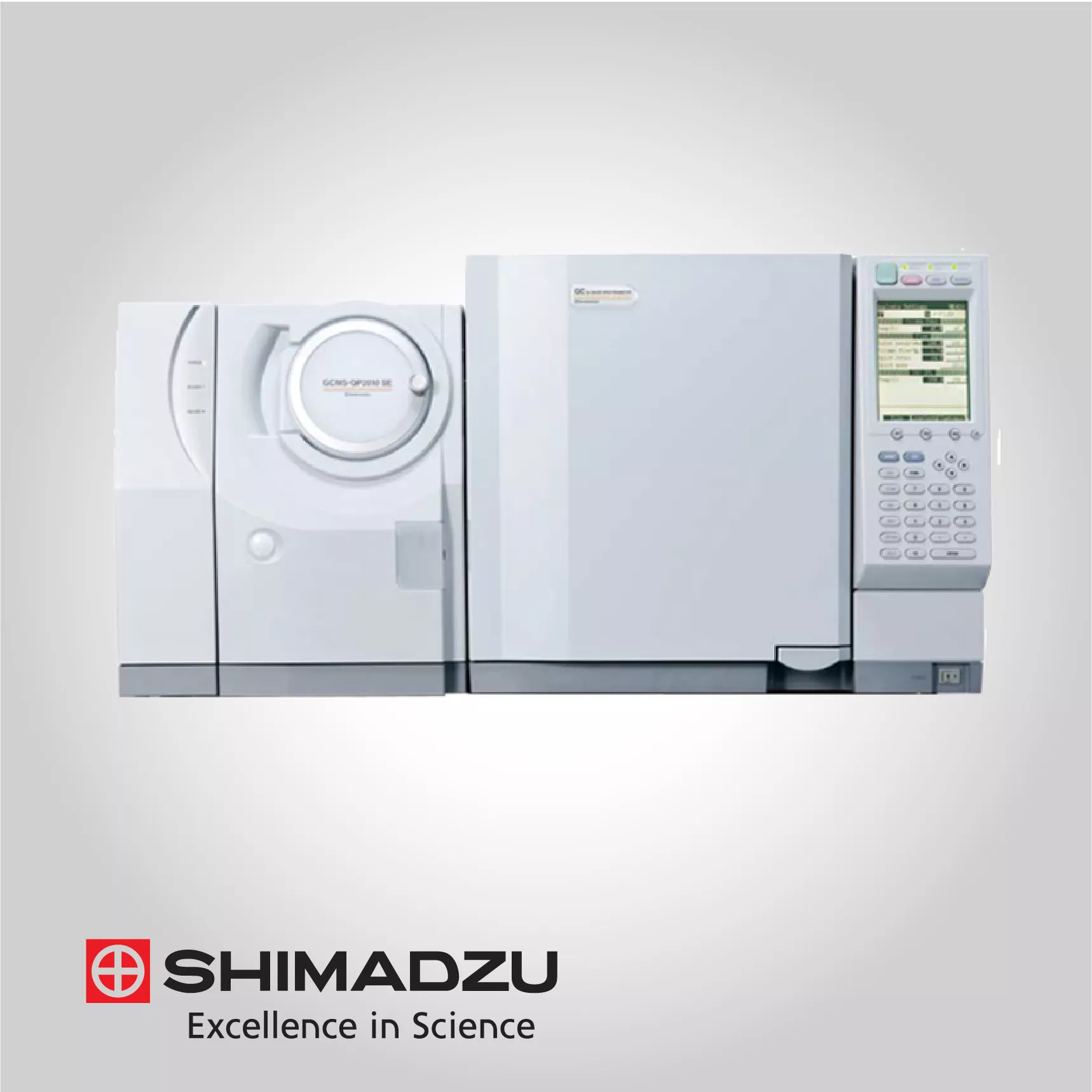
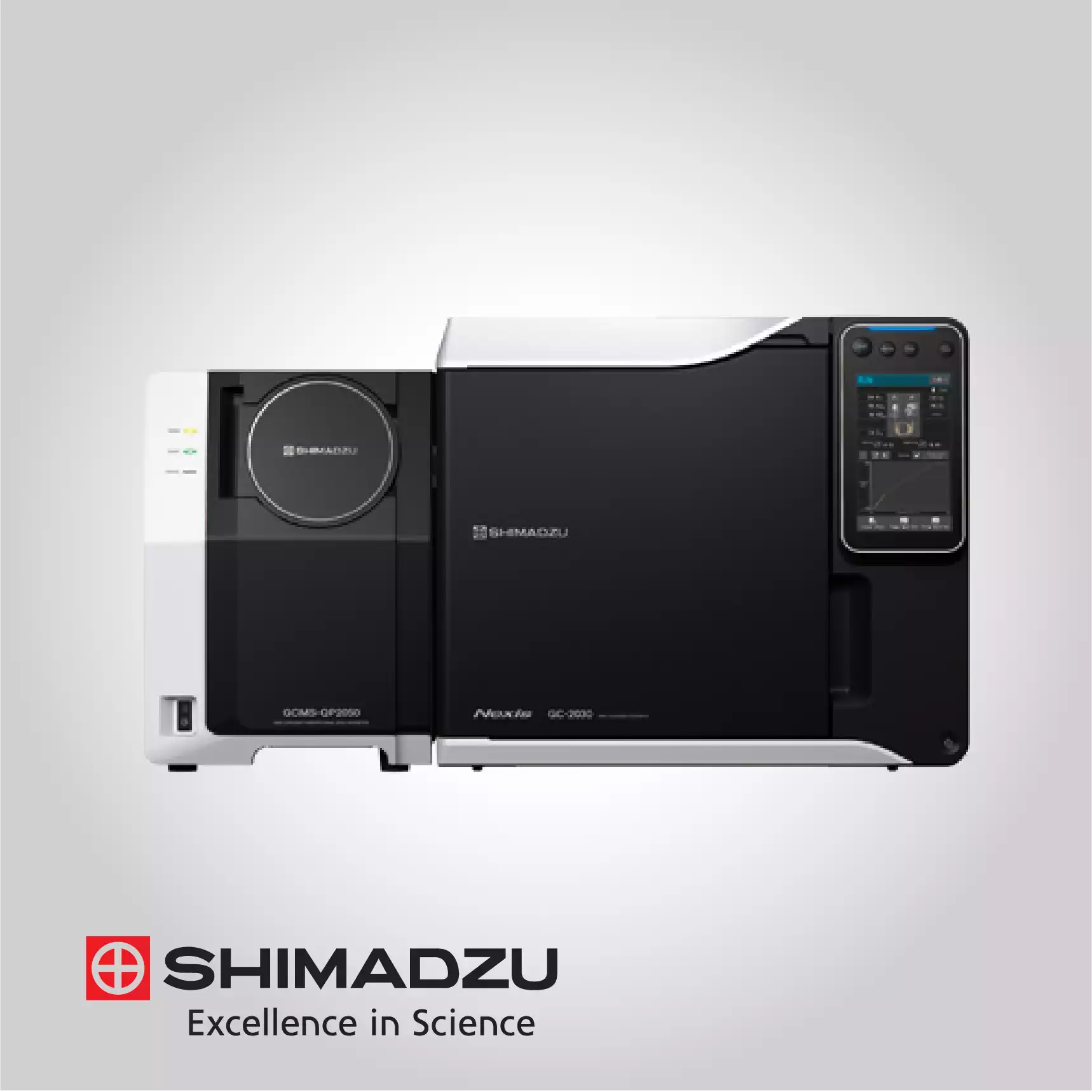
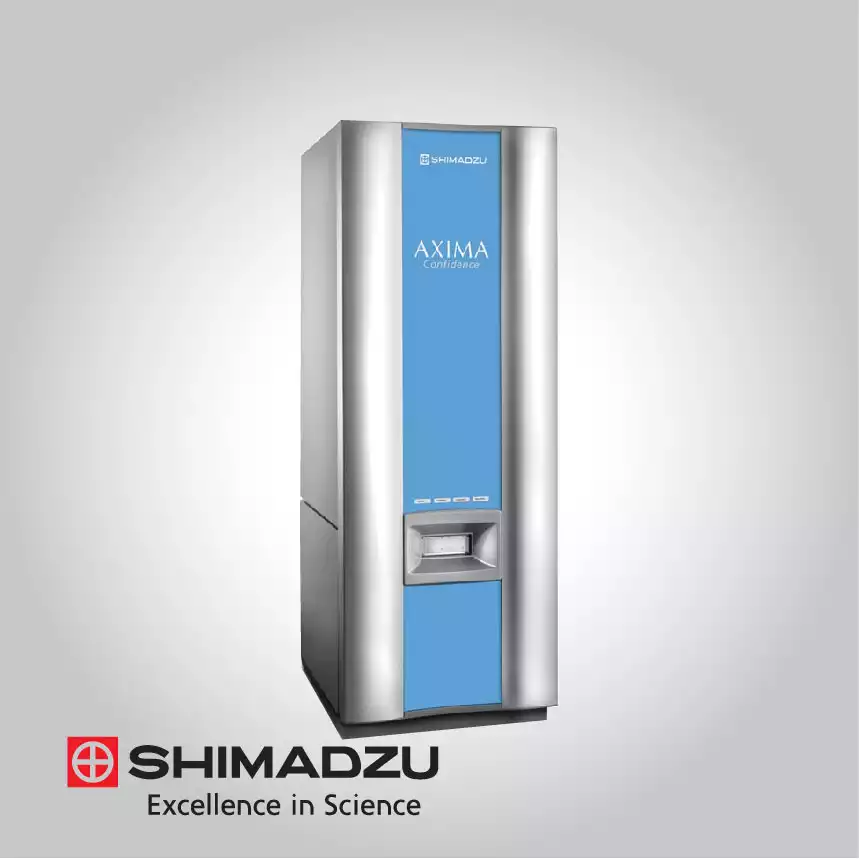
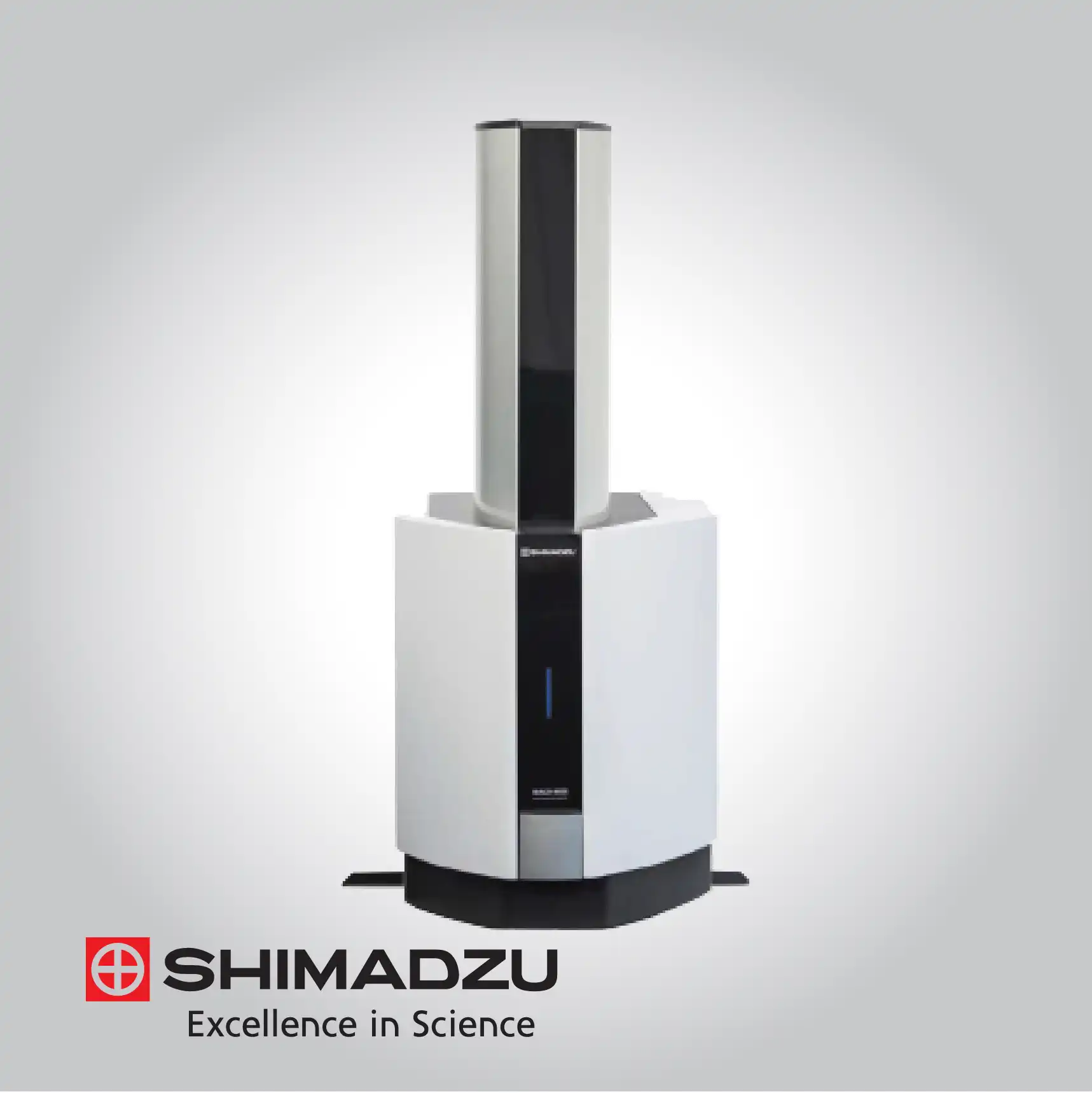
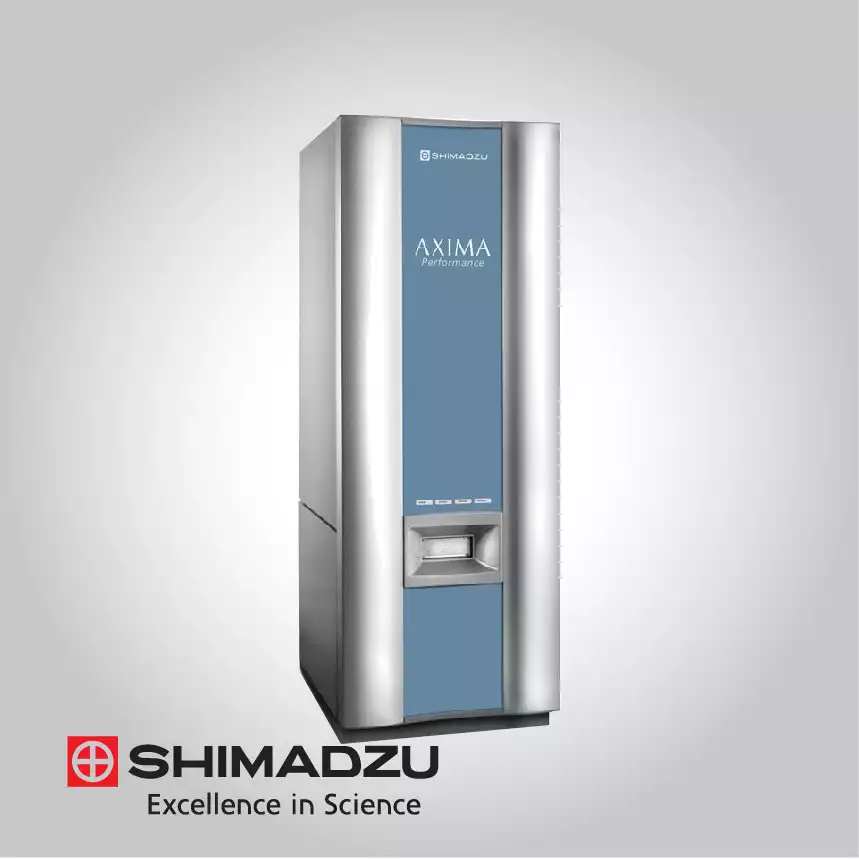
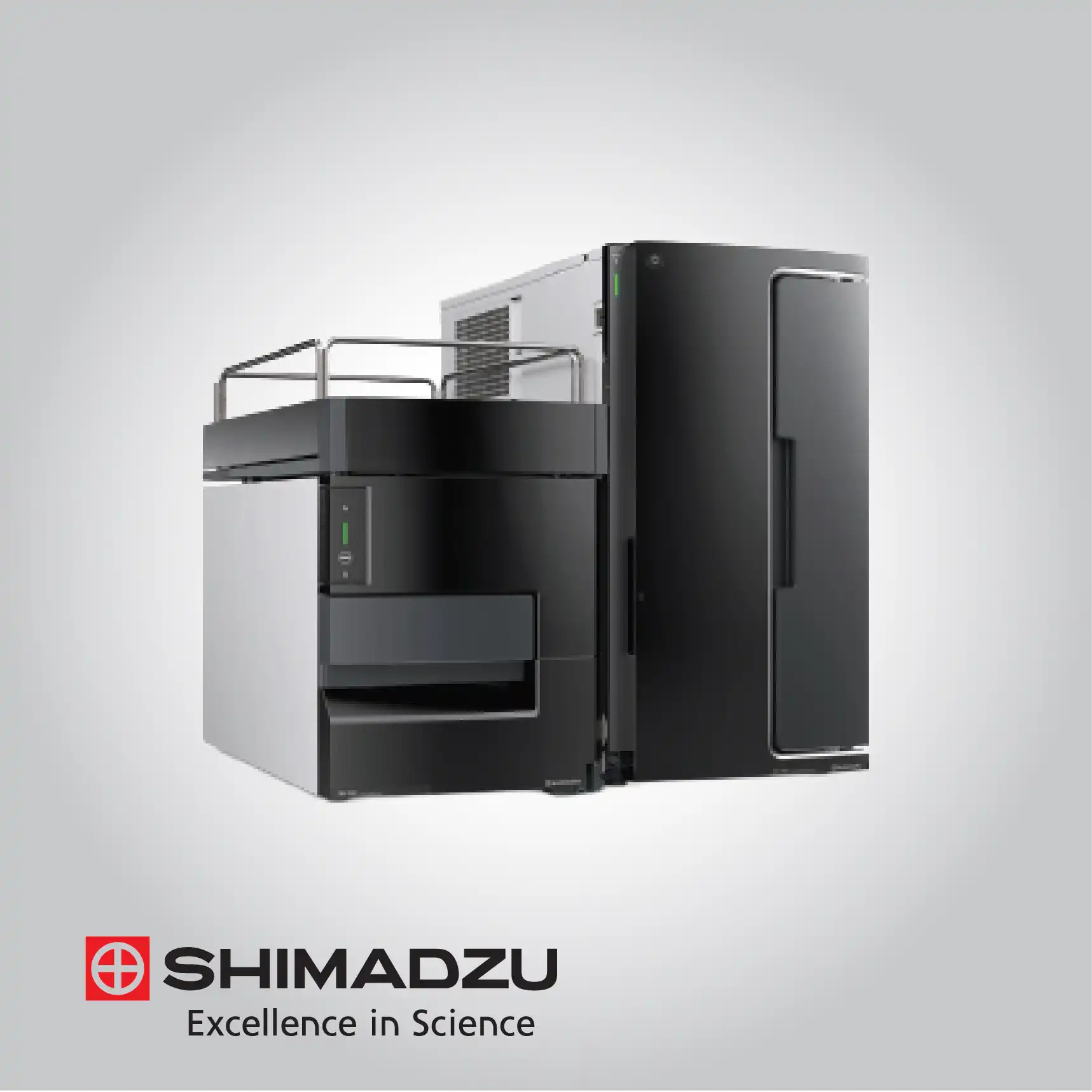
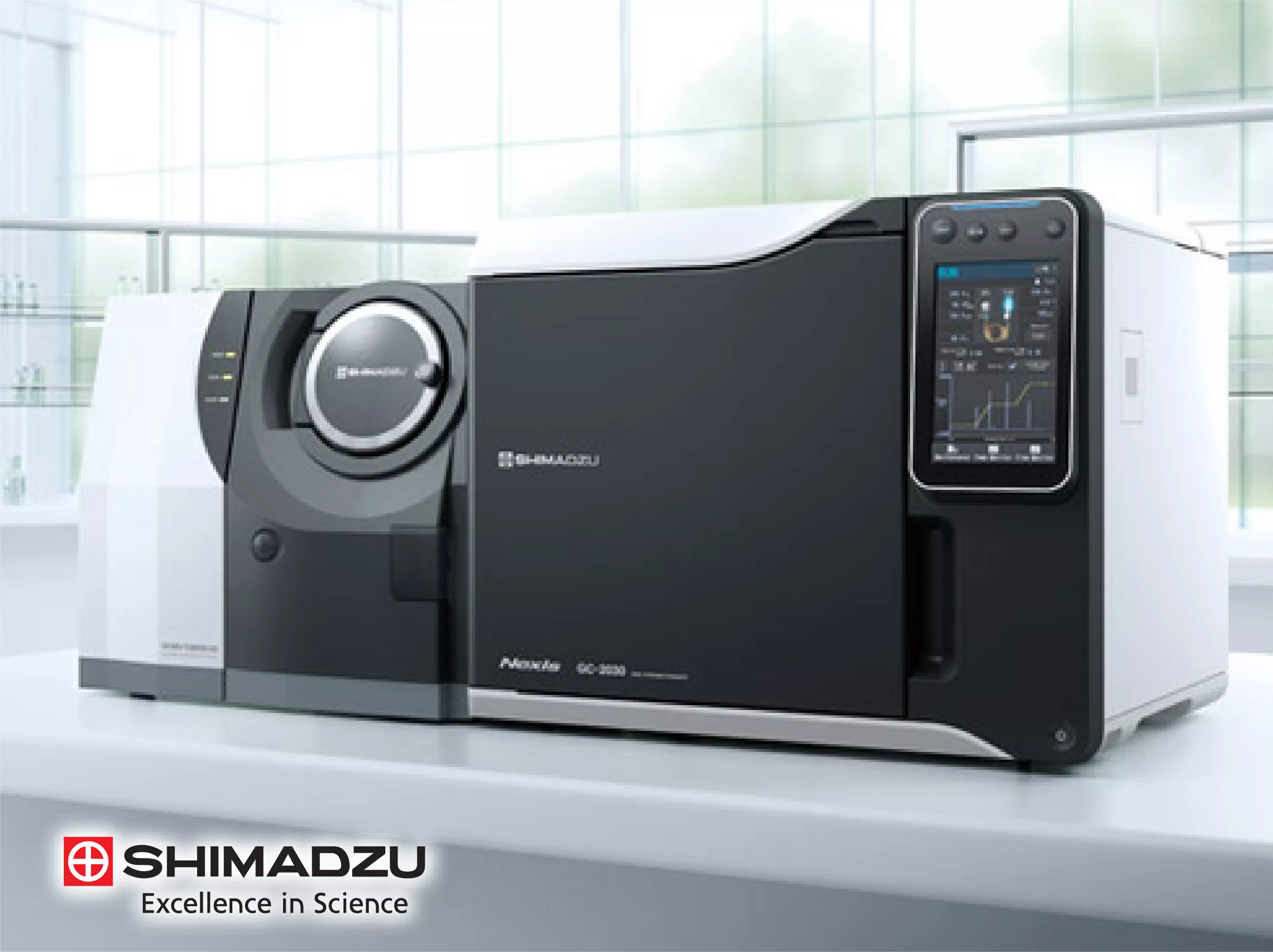
Shimadzu Triple Quadrupole GC-MS/MS
These GC-MS/MS platforms incorporate "Analytical Intelligence" to streamline laboratory operations and enhance data reliability. The hardware features a specialized ion source design that allows for easy maintenance without breaking the vacuum, significantly reducing instrument downtime. Technically, the system is supported by advanced software that automates method development and MRM optimization, allowing users to create complex multi-component methods with ease.
With features like Smart MRM and automated system checks, these systems ensure that the instrument is always operating at peak performance, providing consistent results for high-throughput laboratories while maintaining the integrity of qualitative and quantitative data.
Ultra-Fast Mass Spectrometry (UFMS) Capabilities
Shimadzu’s triple quadrupole GC-MS/MS systems utilize UFMS technology to achieve high-speed MRM transitions and ultra-fast scanning speeds. Technically, this allows the system to monitor hundreds of MRM transitions per second without compromising sensitivity. This high speed is essential for the analysis of multi-component pesticide residues or environmental contaminants where many compounds elute within a short timeframe. The rapid data acquisition ensures that each chromatographic peak is defined by a sufficient number of data points for accurate quantitation.
High-Efficiency Ion Source and Shield Design
The ion source is technically engineered to maintain high sensitivity over long periods, even when analyzing complex samples. The inclusion of a specialized ion source shield prevents the accumulation of contaminants on the critical ion optics, which is a major factor in maintaining signal stability. This design ensures that the system remains robust during continuous operation, reducing the frequency of cleaning cycles and ensuring consistent ionization efficiency for both electron ionization (EI) and chemical ionization (CI) modes.
Advanced Collision Cell for Reduced Crosstalk
The collision cell in these systems is technically optimized for high-speed ion cooling and efficient fragmentation. By utilizing a high-speed collision cell, the system eliminates "crosstalk"—the interference of ions from a previous transition with the current one. This ensures that the MS/MS spectra are clean and that the signal-to-noise ratio is maximized. The efficiency of the collision cell allows for very short dwell times, facilitating the simultaneous analysis of a vast number of target analytes in a single run.
Smart MRM and Automated Method Development
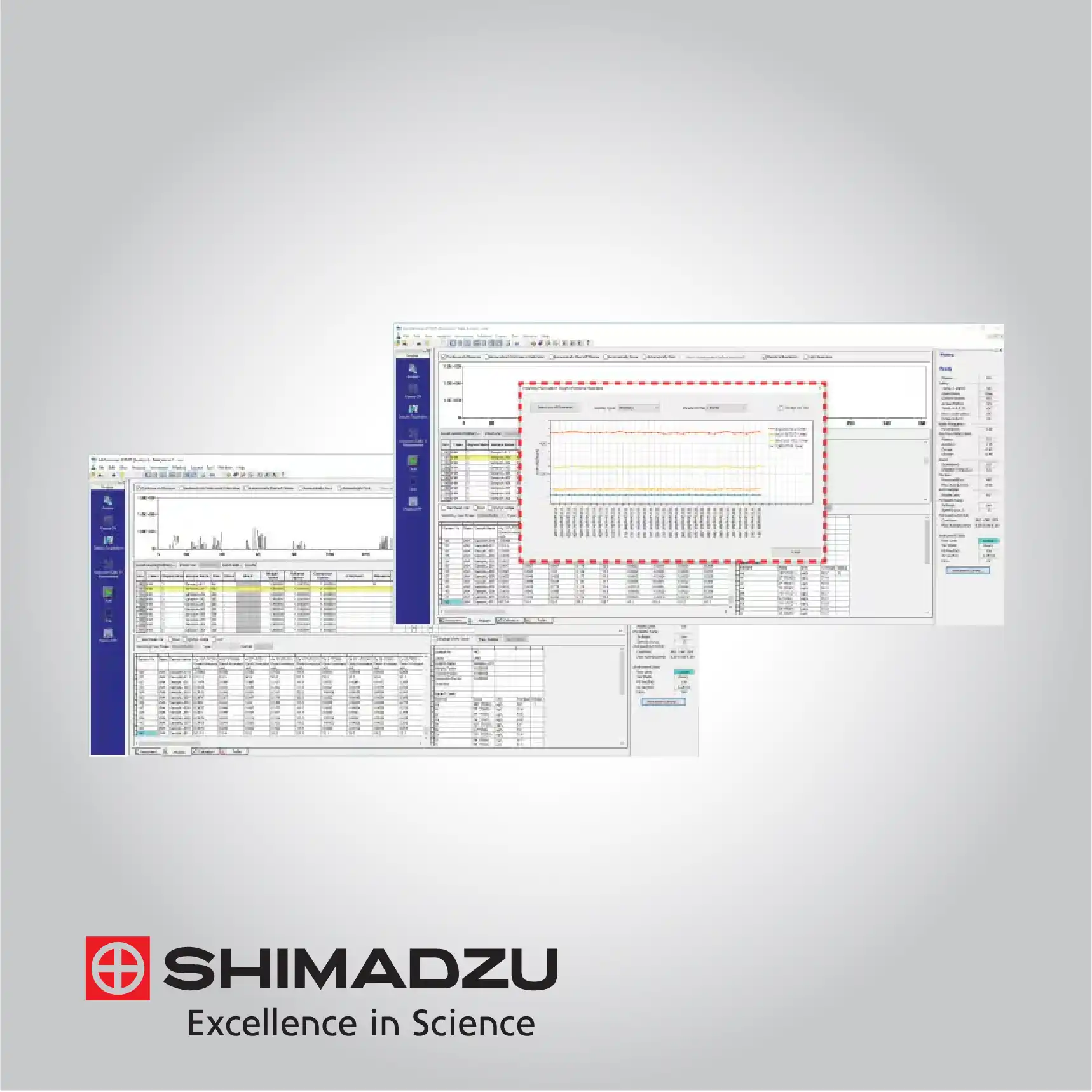
The Smart MRM function is a technical software tool that simplifies the creation of complex MRM methods. It automatically optimizes the dwell time and MRM transitions for each compound based on its elution time. This ensures that the system focuses its analytical resources precisely when the analytes are expected to elute, maximizing sensitivity. The software also includes comprehensive databases for pesticides, forensics, and environmental pollutants, allowing for rapid method setup and reducing the technical burden on the analyst.
Tool-Free Maintenance and Vacuum Management
To maximize instrument uptime, the GC-MS/MS systems are designed for easy, tool-free maintenance of the ion source. Technically, the ion source can be removed and cleaned without venting the entire vacuum system in specialized configurations. This ensures that the instrument can be returned to operational status in a fraction of the time required by conventional systems. The vacuum system itself is robust, utilizing high-capacity turbomolecular pumps to ensure stable operating conditions and rapid pump-down times.
High-Sensitivity Detection in Complex Matrices
Analyzing trace-level analytes in complex matrices like food or soil requires exceptional selectivity. The triple quadrupole architecture allows for the selection of a specific precursor ion in the first quadrupole ($Q1$), fragmentation in the collision cell ($q2$), and detection of specific product ions in the third quadrupole ($Q3$). This technical process, known as MRM, effectively filters out background noise and matrix interferences, providing a clear signal for the target analyte and enabling lower detection limits than single quadrupole systems.
Integrated "Analytical Intelligence" for Smart Workflows
Shimadzu's "Analytical Intelligence" incorporates features like automated system startup, peak integration, and diagnosis. Technically, the system monitors its own performance and can alert the user if maintenance is required or if a performance check fails. The "Peakintelligence" AI engine can also be utilized for automated peak integration, using deep learning to process complex chromatograms without manual parameter adjustment. This automation ensures that the system delivers high-quality data with minimal human intervention.
Flexible Ionization Modes for Diverse Applications
These systems support a variety of ionization modes, including Electron Ionization (EI), Positive Chemical Ionization (PCI), and Negative Chemical Ionization (NCI). Technically, the hardware allows for easy switching between these modes to accommodate different chemical classes. For example, NCI is exceptionally sensitive for halogenated compounds like certain pesticides or flame retardants. This versatility makes the triple quadrupole GC-MS/MS an ideal platform for laboratories handling a wide range of sample types and analytical requirements.
Click here for more information about Shimadzu range of products
.webp)