
Home » Products » Chromatography/Mass Spectrometry » MALDI-Based Instruments and Solutions » Shimadzu MALDI Floor Standing Instruments
MALDI Floor Standing Instruments
|
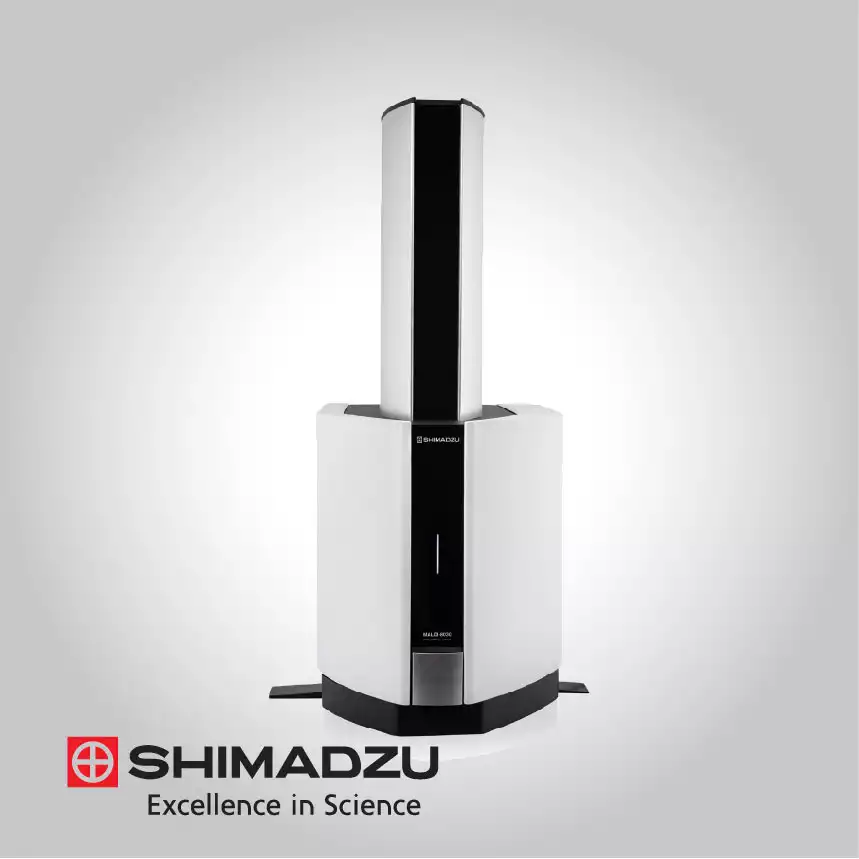
High-Performance Floor-Standing MALDI-TOF Solutions
.webp)
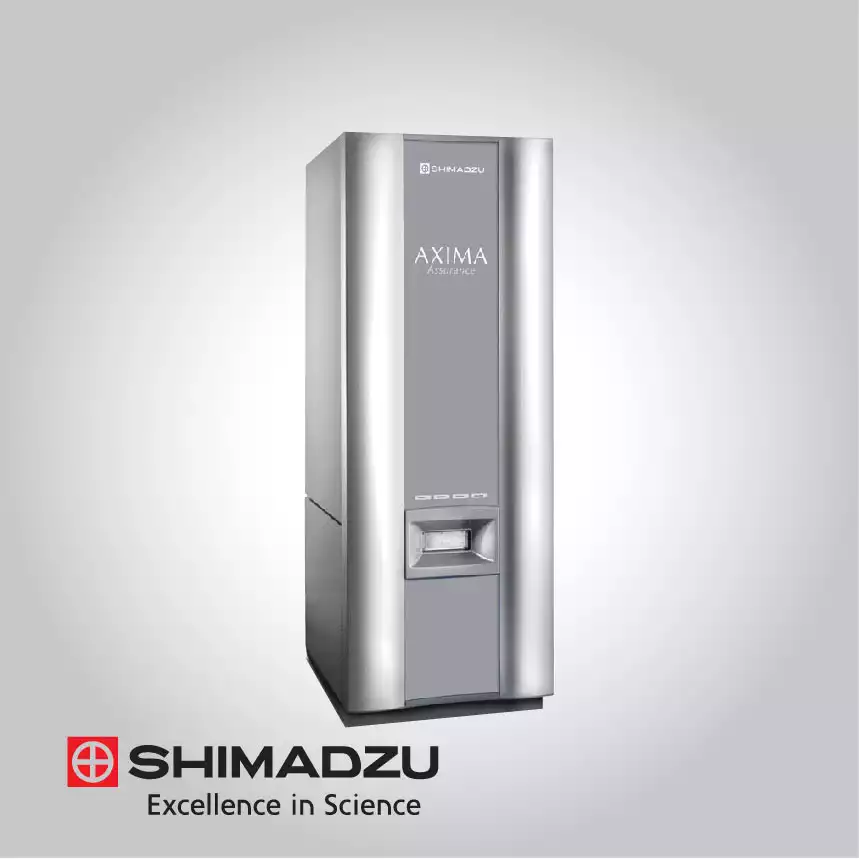
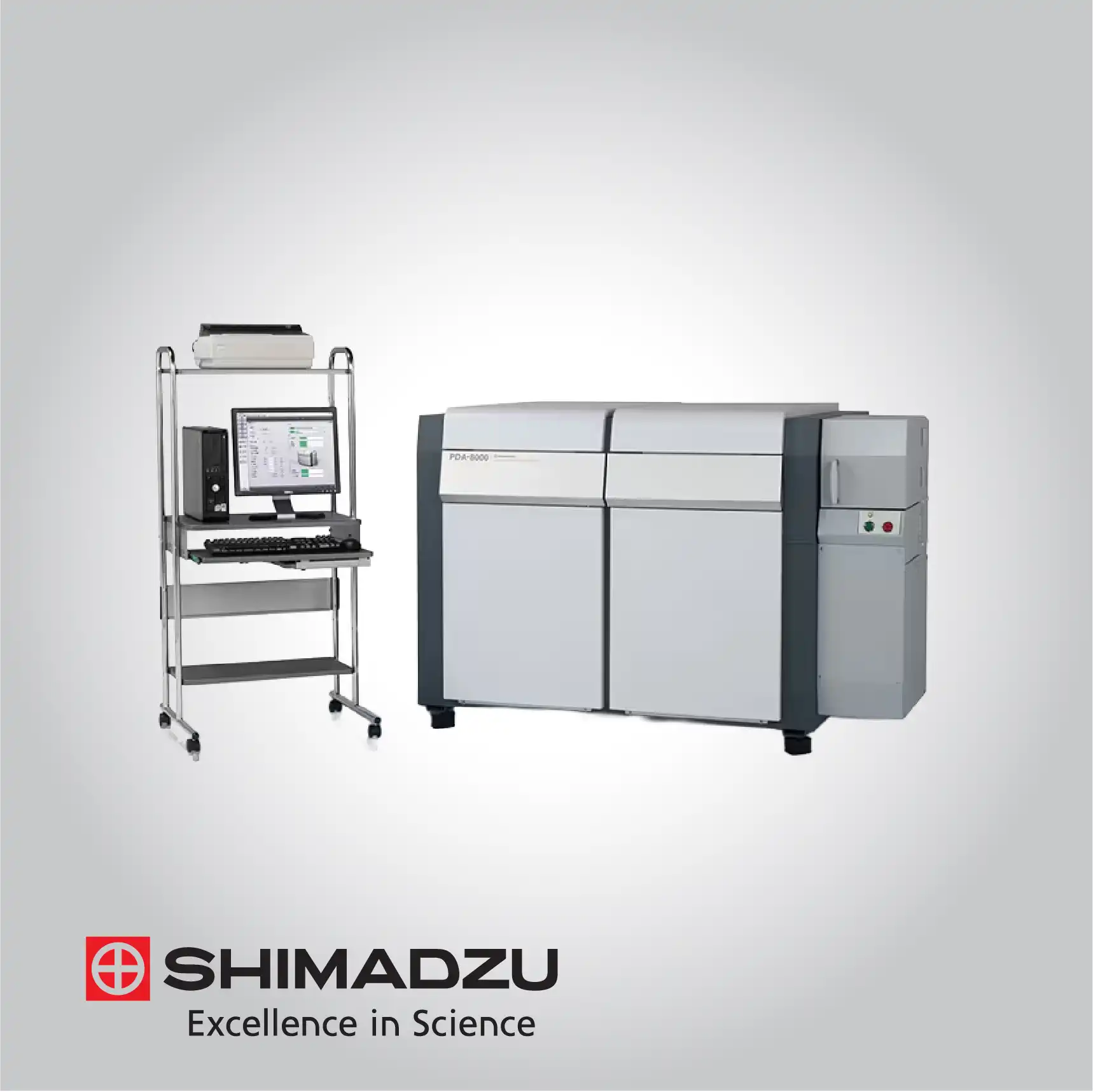
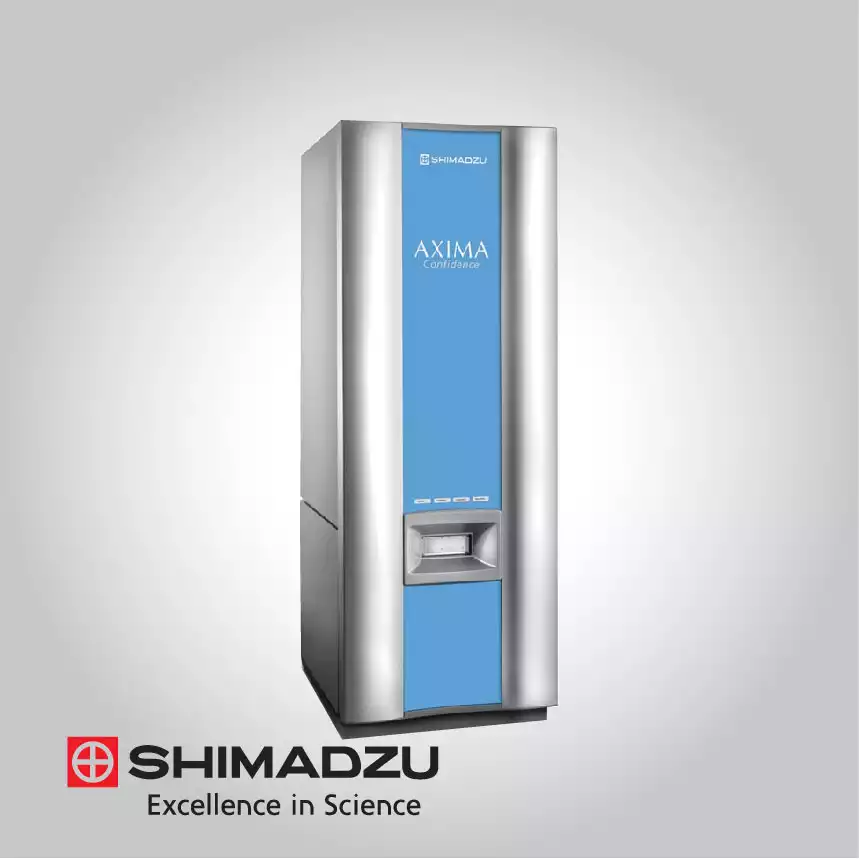
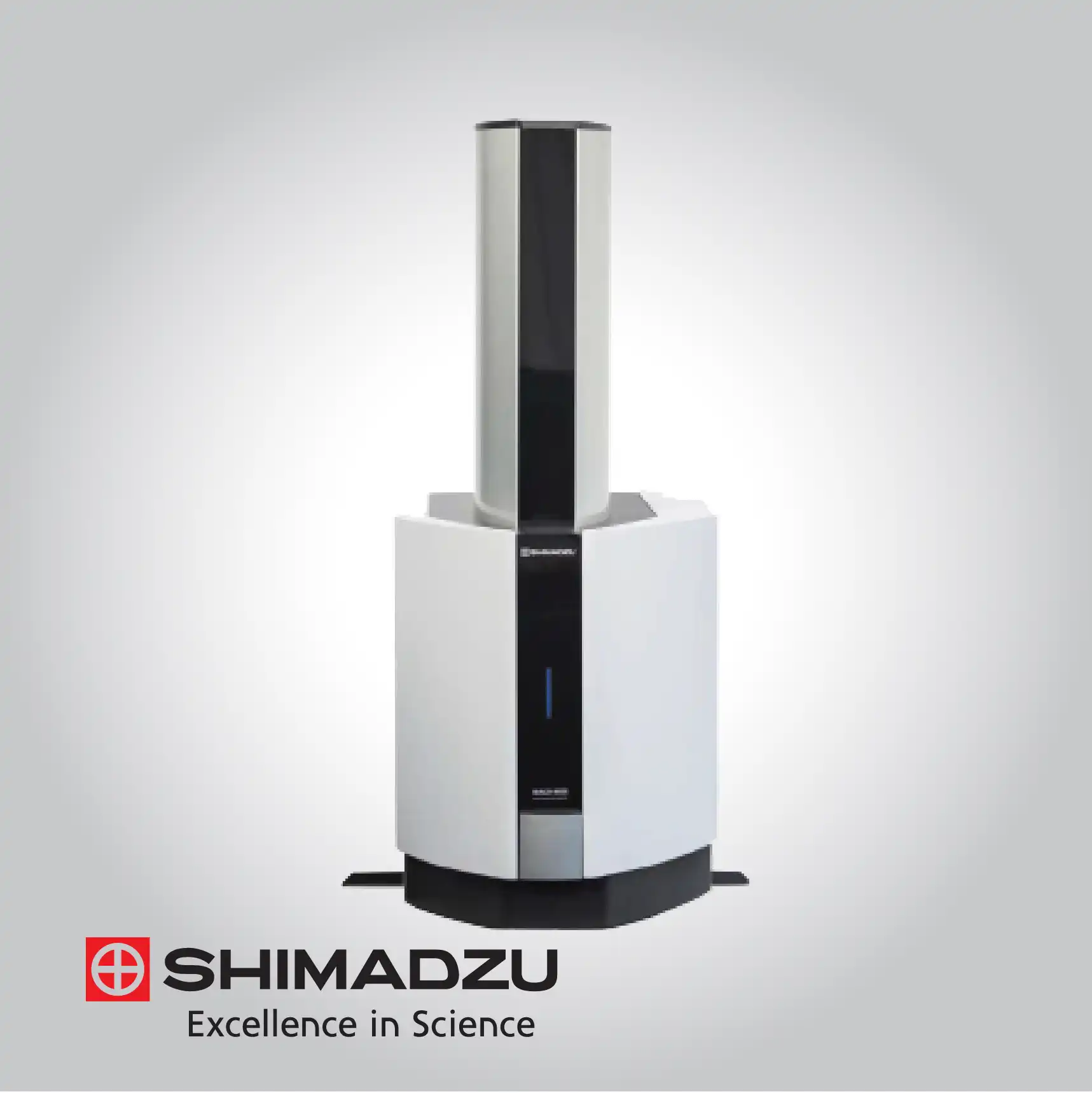
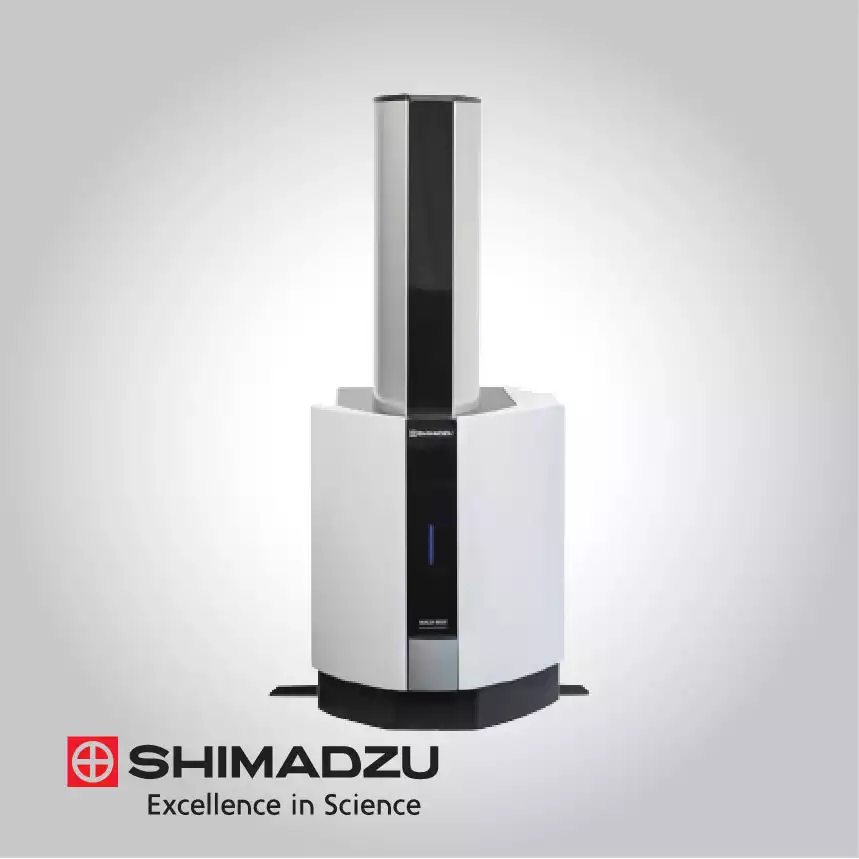
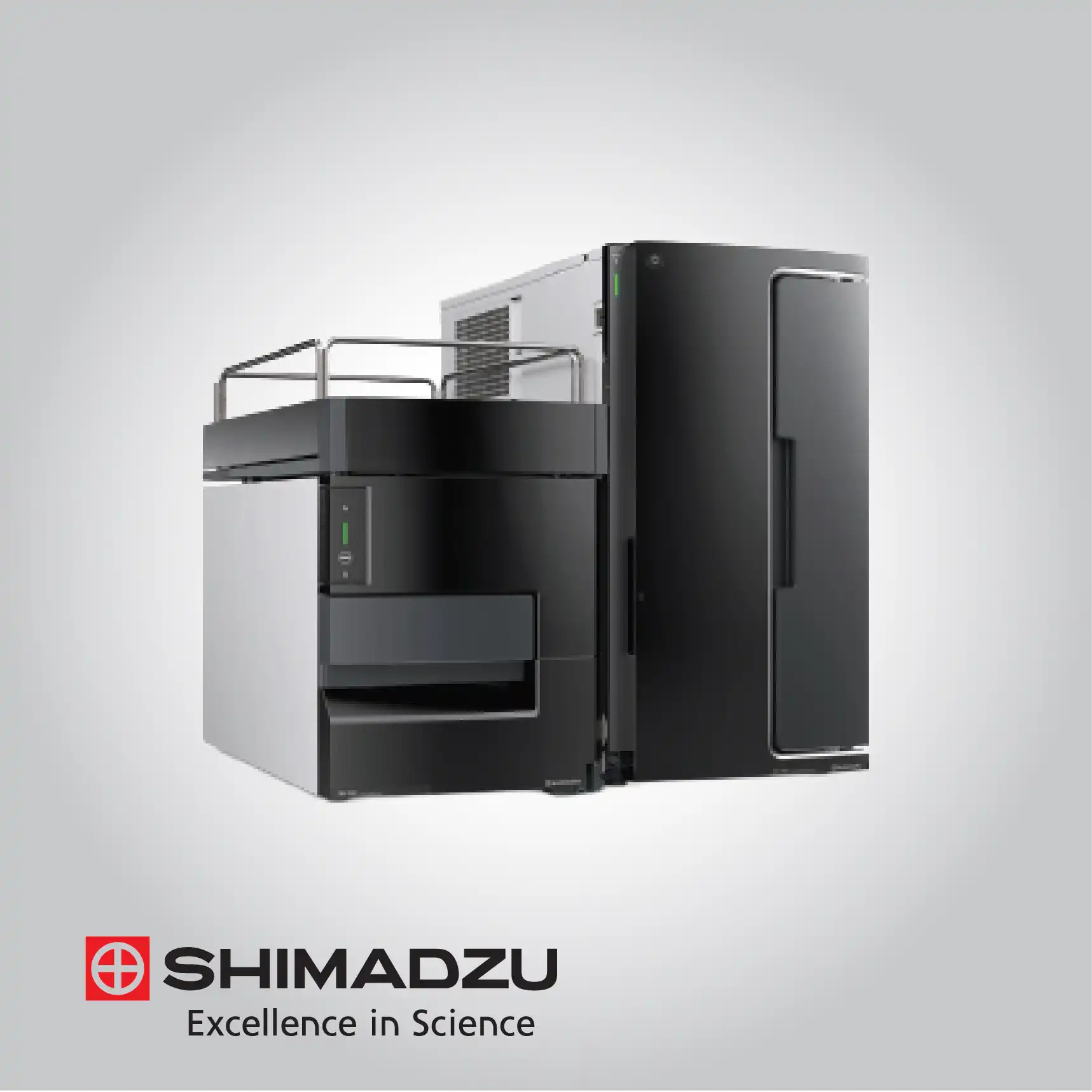
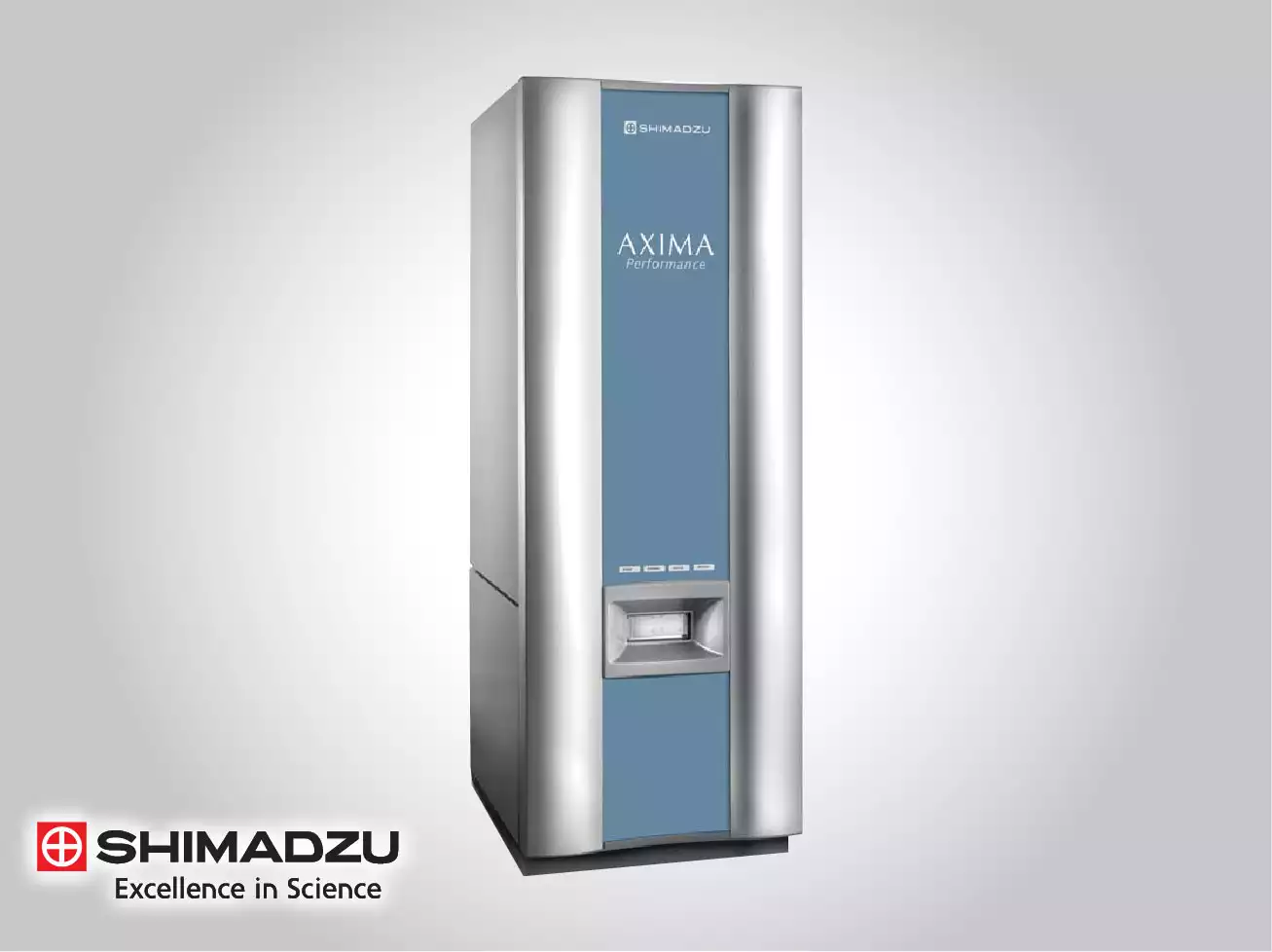
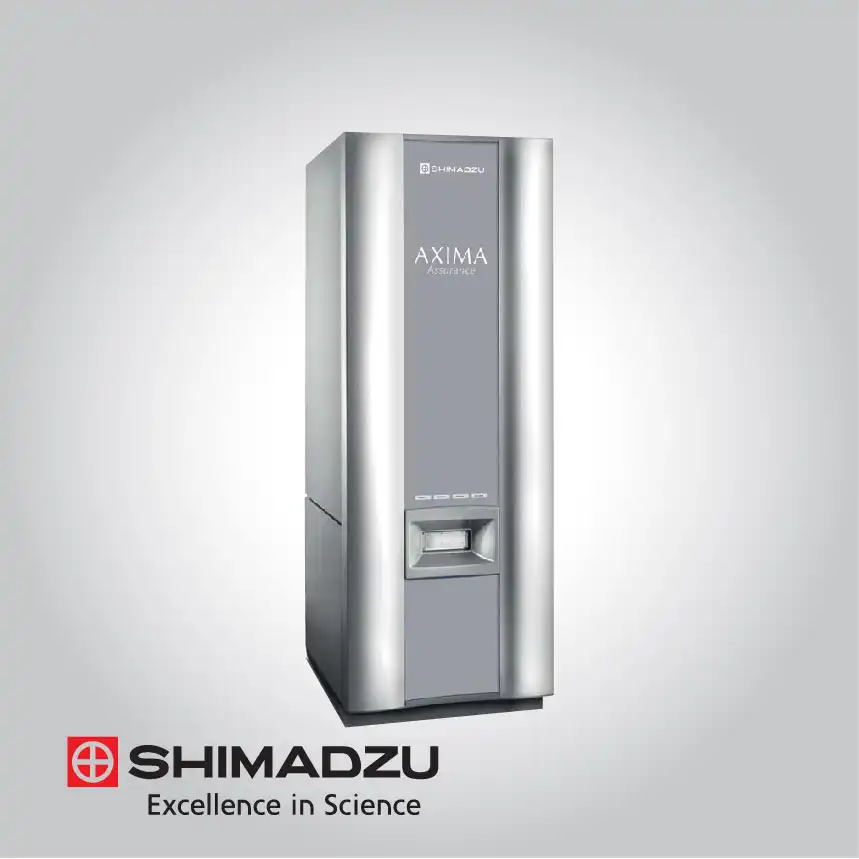
Shimadzu MALDI Floor Standing Instruments
The technical framework of Shimadzu’s floor-standing MALDI instruments focuses on high-energy fragmentation capabilities, such as High-Energy Collision-Induced Dissociation (HE-CID). This feature is critical for the unambiguous identification of structural isomers and the sequencing of challenging biomolecules.
The systems are optimized for high-throughput workflows, utilizing automated sample loading and high-repetition-rate lasers that significantly reduce the time required for data acquisition. By combining advanced vacuum technology with high-speed electronics, these instruments provide a reliable and powerful solution for comprehensive molecular characterization in both academic research and industrial biotechnology environments.
Extended Flight Tube for Superior Resolution
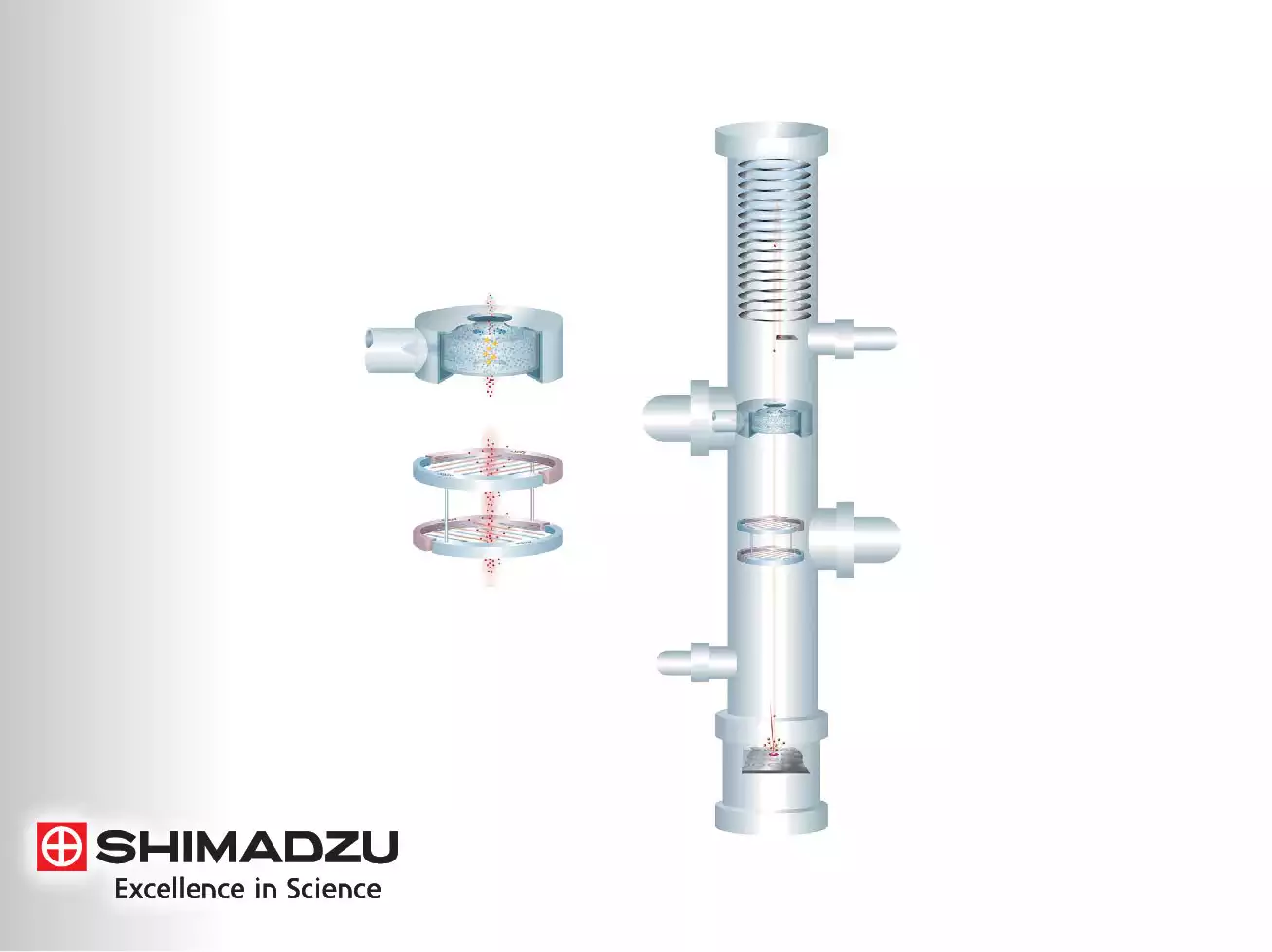
Floor-standing MALDI-TOF instruments technically utilize an extended flight tube design to increase the distance ions travel, which directly improves mass resolution. This architecture allows for the precise separation of ions with nearly identical mass-to-charge ratios, which is essential for identifying fine isotopic patterns and resolving overlapping peaks in complex biological samples. The thermal stability of the flight tube ensures that mass accuracy is maintained even during fluctuations in the laboratory environment.
High-Energy Collision-Induced Dissociation (HE-CID)
A key technical advantage of these systems is the inclusion of High-Energy CID for MS/MS analysis. Unlike low-energy fragmentation, HE-CID provides a more comprehensive fragmentation pattern, yielding specific side-chain and backbone cleavage. This is particularly valuable for the structural elucidation of glycans, lipids, and synthetic polymers where detailed information about branching and end-group chemistry is required for full characterization.
Digital Ion Trap (DIT) Integration
Some floor-standing configurations integrate Digital Ion Trap (DIT) technology, which allows for multi-stage mass spectrometry ($MS^n$). Technically, this enables the isolation of specific precursor ions followed by multiple rounds of fragmentation and analysis. The DIT architecture provides high sensitivity and the ability to trap ions regardless of their mass range, making it a versatile tool for the detailed investigation of post-translational modifications and complex mixtures.
High-Frequency Lasers and High-Throughput Screening
These instruments are equipped with high-repetition-rate solid-state lasers that support rapid data acquisition. Technically, the laser system is synchronized with high-speed stage movement to enable the analysis of thousands of sample spots in a single run. This capability is vital for high-throughput proteomics and imaging mass spectrometry (IMS), where high spatial resolution and speed are necessary to map the distribution of molecules across tissue sections.
Advanced Vacuum and Ion Optics Management
The floor-standing design accommodates a more robust vacuum system, utilizing multiple high-capacity turbomolecular pumps. Technically, this ensures that the ion optics and mass analyzers remain free from contaminants, maintaining consistent signal intensity and mass accuracy. The precision-engineered ion lenses are designed to focus the ion beam efficiently into the TOF analyzer, maximizing ion transmission and reducing noise levels in the resulting spectra.
Automated Sample Loading and Multi-Plate Capability
To support unattended operation and high-throughput demands, these systems feature automated sample plate loaders. Technically, the system can handle multiple target plates at once, switching between them without human intervention. This automation is managed by sophisticated software that tracks each plate's position and sample coordinates, ensuring full traceability and high efficiency for large-scale analytical batches.
Superior Dynamic Range for Trace Analysis
The detection electronics in floor-standing MALDI systems are technically optimized for a superior dynamic range. This allows for the detection of trace-level components in the presence of highly abundant species, such as detecting impurities in pharmaceutical products or low-abundance proteins in blood serum. The high-sensitivity detectors provide a linear response across several orders of magnitude, ensuring accurate quantitation and qualitative identification.
Imaging Mass Spectrometry (IMS) Technical Optimization
These floor-standing platforms are technically designed for high-resolution mass spectrometry imaging. The hardware supports narrow laser diameters and precise X-Y stage micro-movements, allowing for the visualization of molecular distributions in tissue sections at the micrometer scale. The software integrates these measurements to create detailed heat maps of specific ions, providing a powerful tool for biomarker discovery and drug distribution studies in biological research.
Click here for more information about Shimadzu range of products