
Home » Products » Chromatography/Mass Spectrometry » Liquid Chromatograph-Mass Spectrometry » Shimadzu Triple Quadrupole LC-MS/MS
Triple Quadrupole LC-MS/MS
|
Ultrafast Track to Your Success


Shimadzu Triple Quadrupole LC-MS/MS
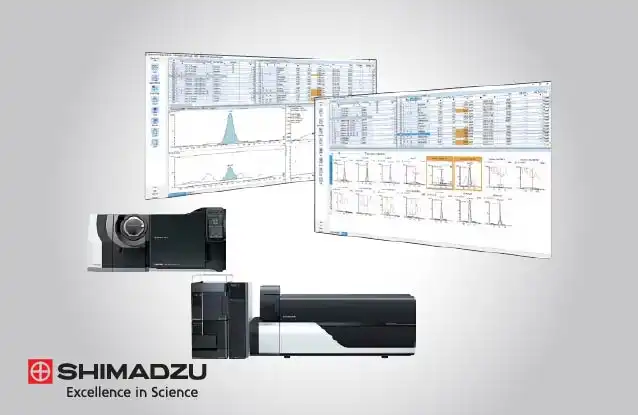
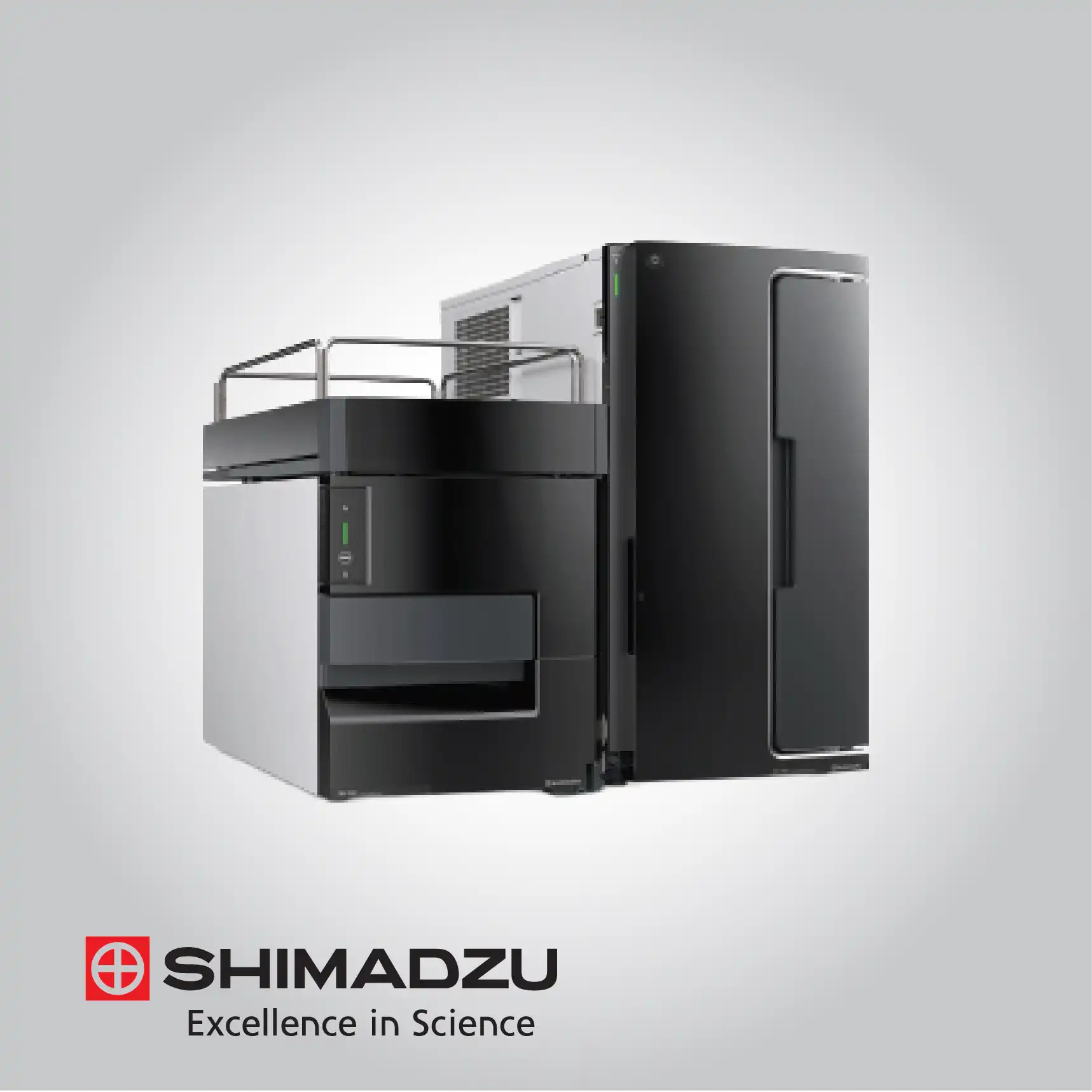
Shimadzu’s Triple Quadrupole LC-MS/MS systems are engineered to redefine the boundaries of analytical sensitivity and speed, providing robust solutions for complex quantitative challenges. Technically, these systems integrate ultra-fast mass spectrometry (UFMS) technologies, including high-speed polarity switching and rapid MRM (Multiple Reaction Monitoring) transition speeds, ensuring that narrow UHPLC peaks are captured with sufficient data points.
The hardware features advanced ion source designs and heated electrospray ionization (ESI) probes that optimize desolvation efficiency. This technical synergy allows for the detection of trace-level components in complicated matrices, making these systems indispensable for applications in food safety, environmental monitoring, and pharmaceutical bioanalysis.
Ultra-Fast Mass Spectrometry (UFMS) Technology
The core technical advantage of these systems lies in Ultra-Fast Mass Spectrometry (UFMS) capabilities. This technology enables high-speed Multiple Reaction Monitoring (MRM) transitions and ultra-fast polarity switching times (as low as $5\text{ ms}$). This ensures that even when analyzing hundreds of compounds simultaneously in a single run, the system maintains enough data points across each chromatographic peak to ensure accurate and reproducible quantitation.
High-Efficiency Ion Source Design
The ion source is technically optimized to maximize ion production while minimizing noise. Using a heated ESI probe and specialized nebulizer gas flow dynamics, the system achieves superior desolvation of the mobile phase. This enhances the ionization efficiency of target molecules, particularly for those in high-flow-rate UHPLC applications. The design also facilitates easy maintenance, allowing for tool-free replacement of the ESI capillary to minimize system downtime.
Advanced Ion Optics and Focus Systems
To ensure maximum sensitivity, the systems utilize advanced ion optics that guide ions from the source into the vacuum chamber with minimal loss. Technically, the use of specialized ion guides and focusing lenses reduces chemical noise by preventing neutral particles and large droplets from entering the mass analyzer. This high ion transmission efficiency is a key factor in achieving ultra-trace detection limits in difficult biological or environmental matrices.
High-Speed Collision Cell for Reduced Crosstalk
The collision cell is engineered to support ultra-fast MRM transitions without the risk of "crosstalk" (the interference of ions from a previous transition with the current one). By utilizing high-speed ion cooling and efficient gas collision technology, the cell ensures that product ions are rapidly cleared and directed to the second quadrupole. This technical precision allows for the measurement of high-concentration and low-concentration compounds in the same method without carryover effects.
Seamless Integration with UHPLC Systems
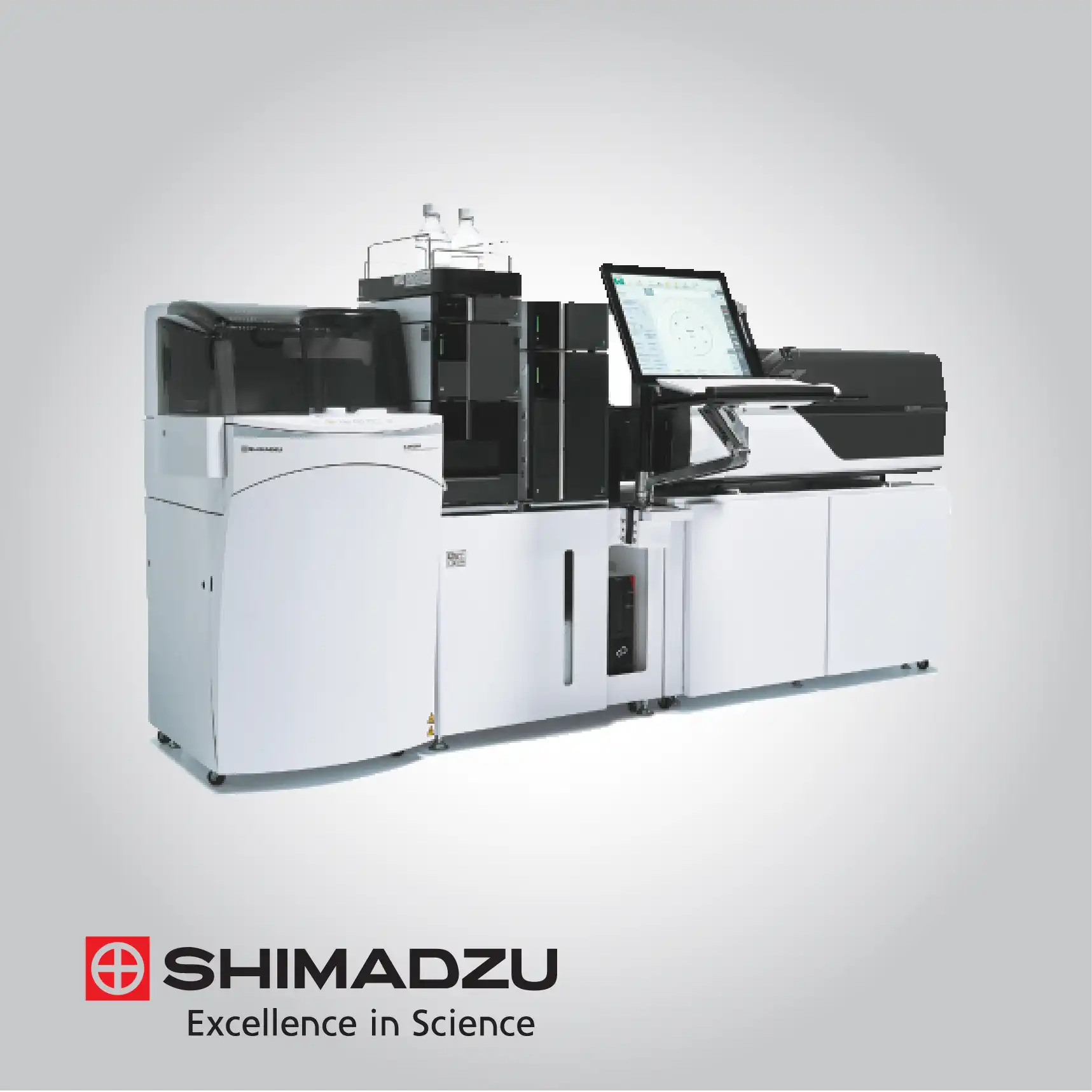
Shimadzu LC-MS/MS systems are technically designed for perfect synchronization with high-performance liquid chromatography hardware. The communication protocols between the LC and MS ensure that data acquisition starts exactly as the sample is injected. The low delay volumes of the integrated system ensure that the high-resolution separations achieved by the UHPLC column are preserved as the sample transitions into the mass spectrometer, providing sharp peaks and maximum sensitivity.
Automated MRM Optimization and Method Development
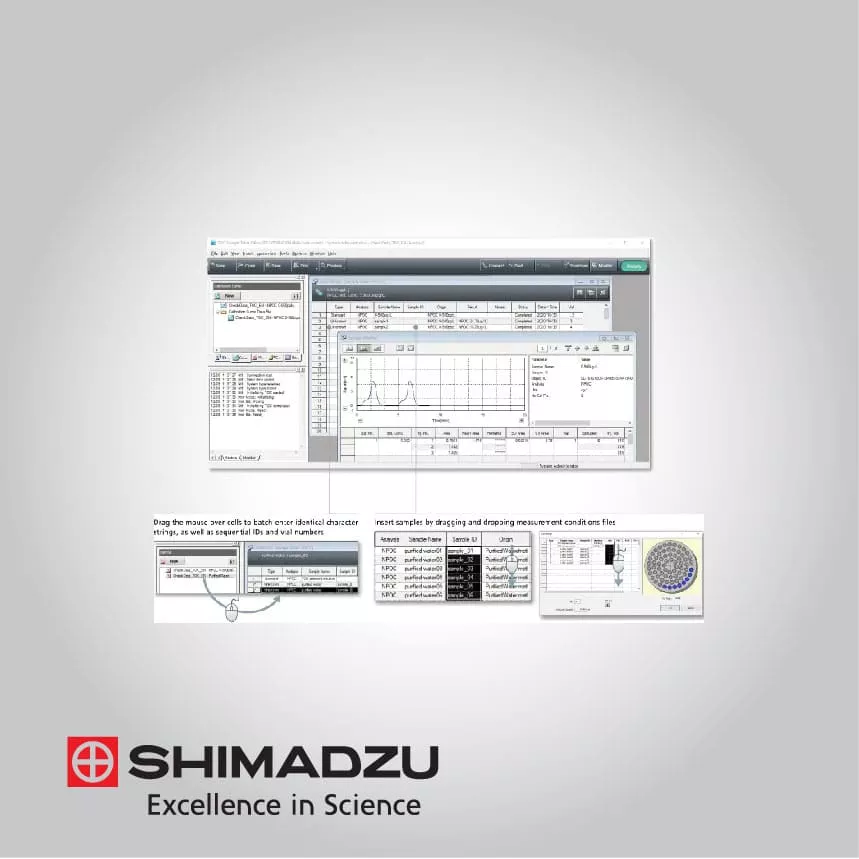
Developing complex quantitative methods is simplified through automated software tools. The system can automatically perform precursor and product ion scans, followed by a collision energy ramp, to determine the optimal MRM transitions for any given molecule. This technical automation removes the guesswork from method development, ensuring that every compound is measured using its most sensitive and selective parameters.
Robust Data Integrity and Regulatory Compliance
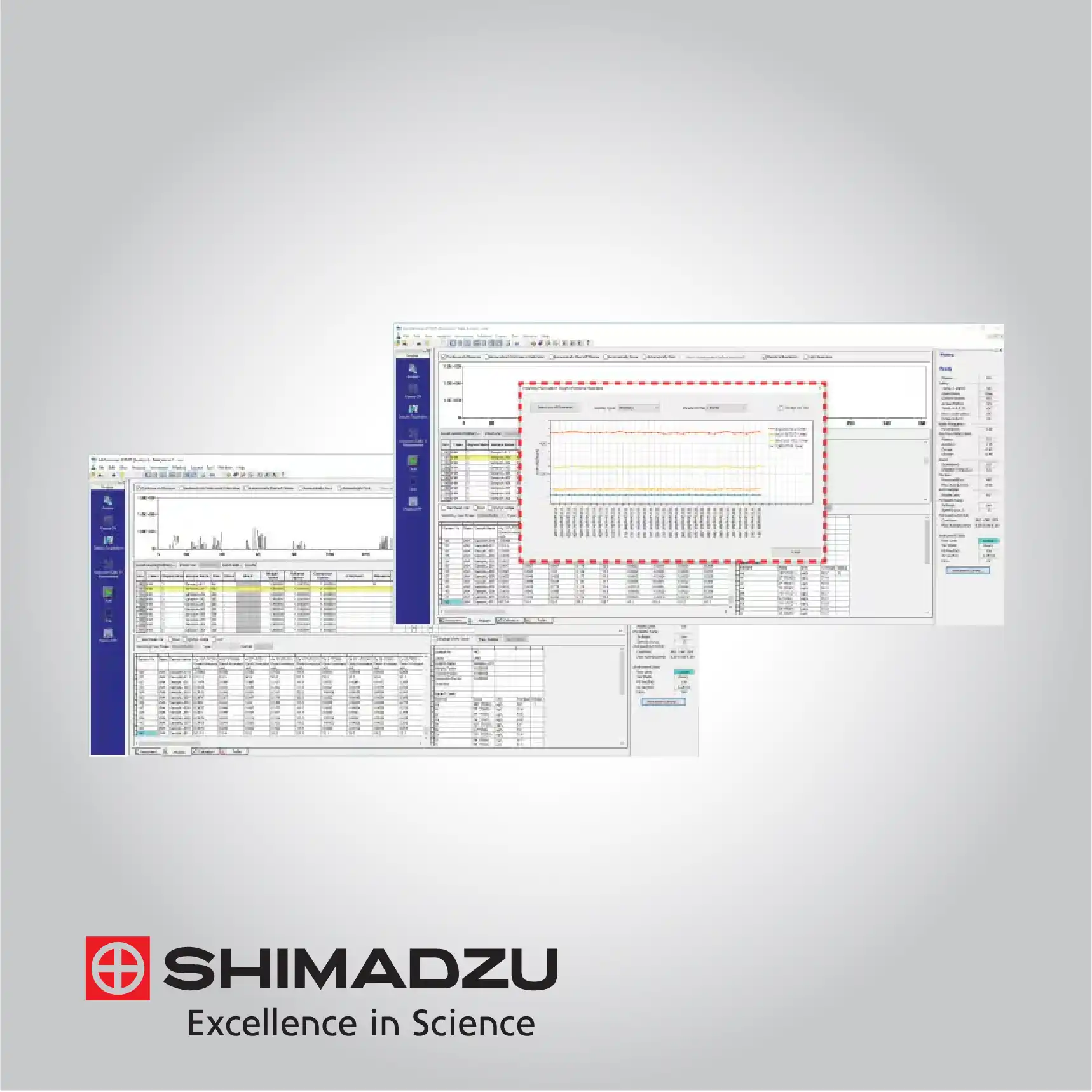
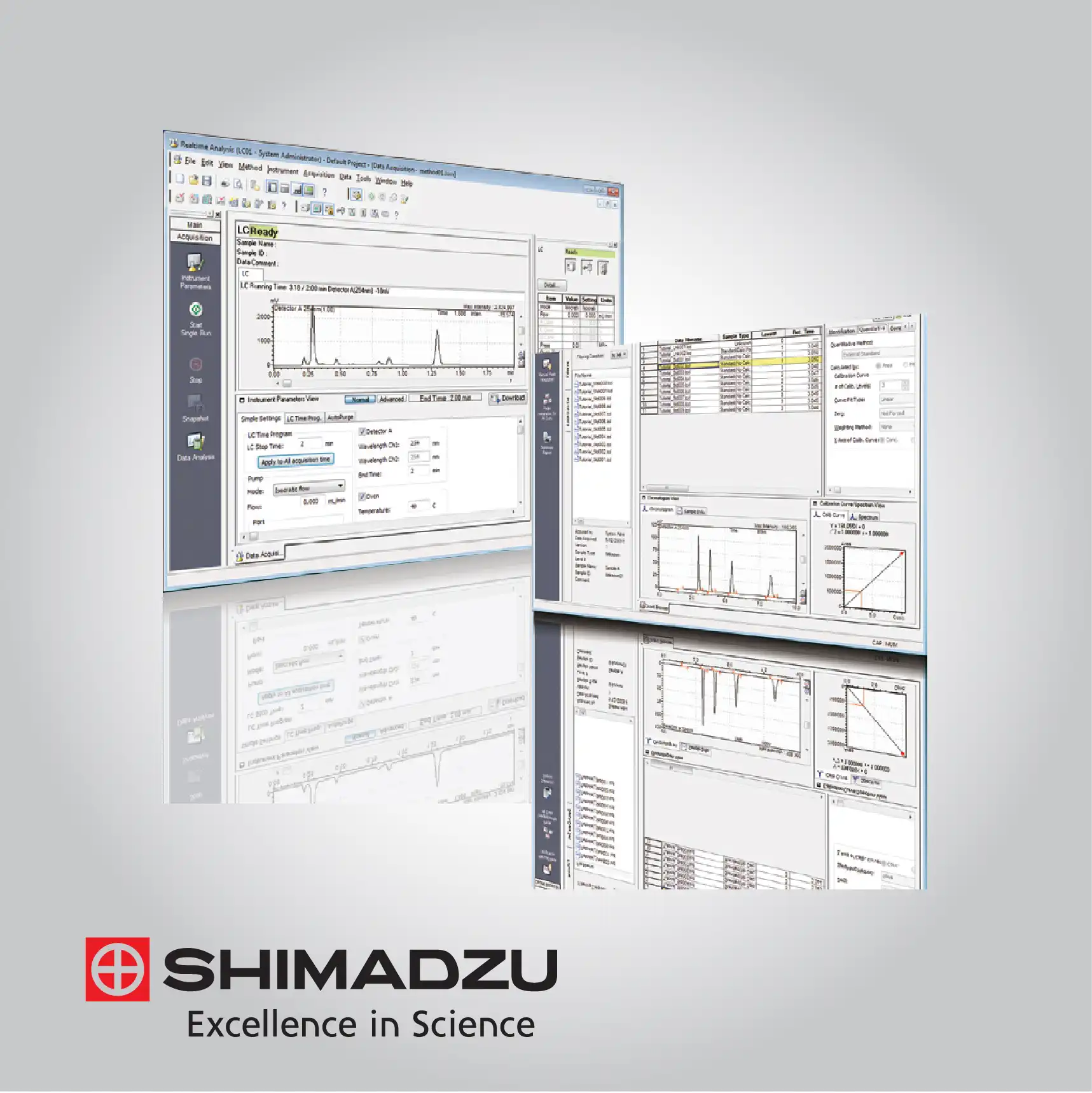
The software platforms managing the LC-MS/MS hardware are built with a focus on data integrity, supporting compliance with FDA 21 CFR Part 11. Technically, this includes secure audit trails, multi-level user access controls, and centralized data management. Every step of the analytical process—from method tuning to final reporting—is recorded, ensuring that the laboratory can provide full traceability for every quantitative result during audits.
Superior Quantitative Dynamic Range
One of the most critical technical attributes of these systems is the wide linear dynamic range. The detector and electronics are engineered to handle signal intensities spanning up to six orders of magnitude. This allows laboratories to quantify both trace impurities and high-concentration main components in a single injection, reducing the need for multiple dilutions and re-analysis, thereby increasing overall laboratory efficiency and reducing solvent consumption.
Read more about Triple Quadrupole LC-MS/MS here