.webp)
Home » Products » General labs » Mixing » IKA Thermoshakers
IKA Thermoshakers
|
Integrated Thermostatic Agitation for Precision Research
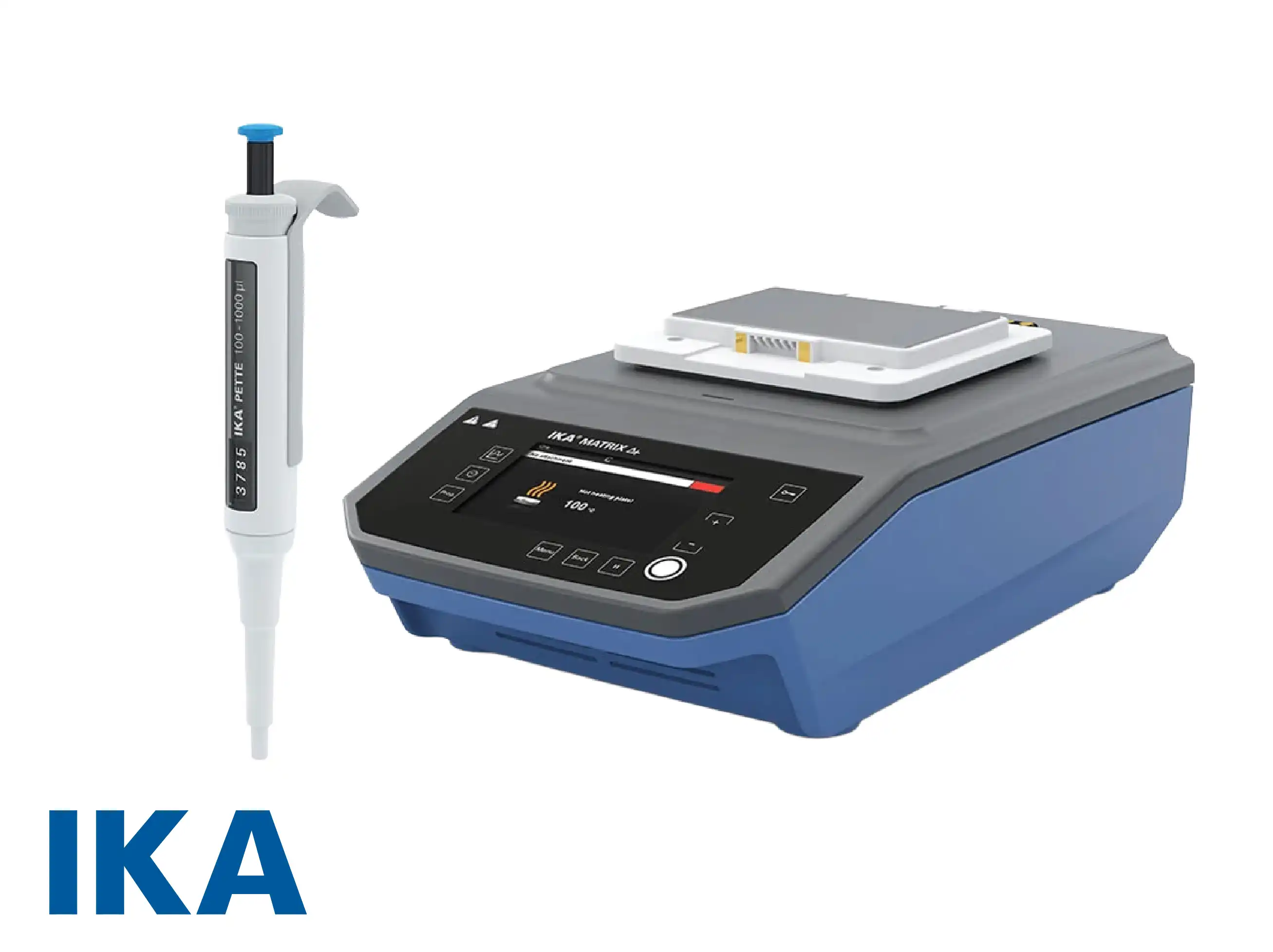
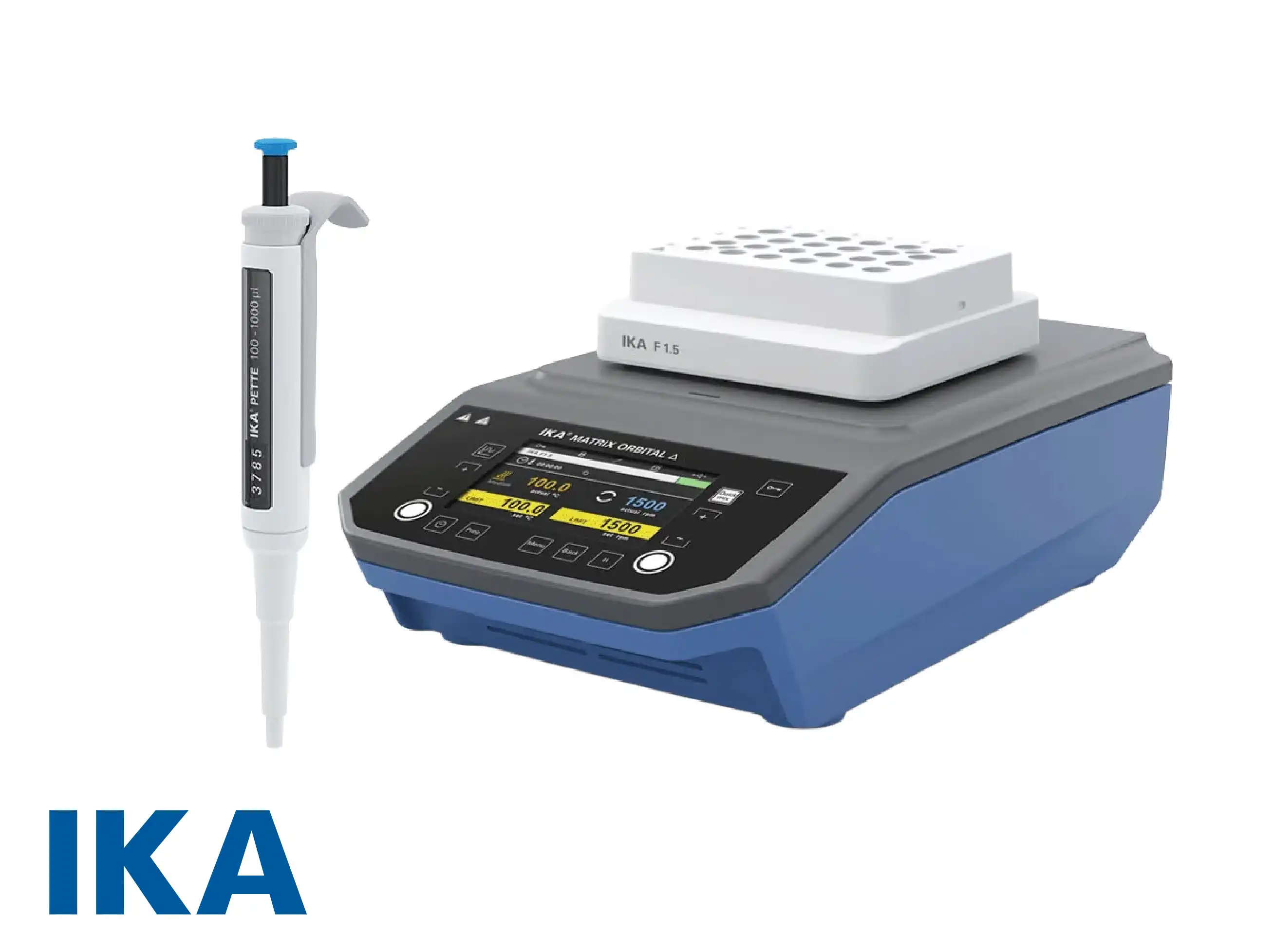
IKA Thermoshakers
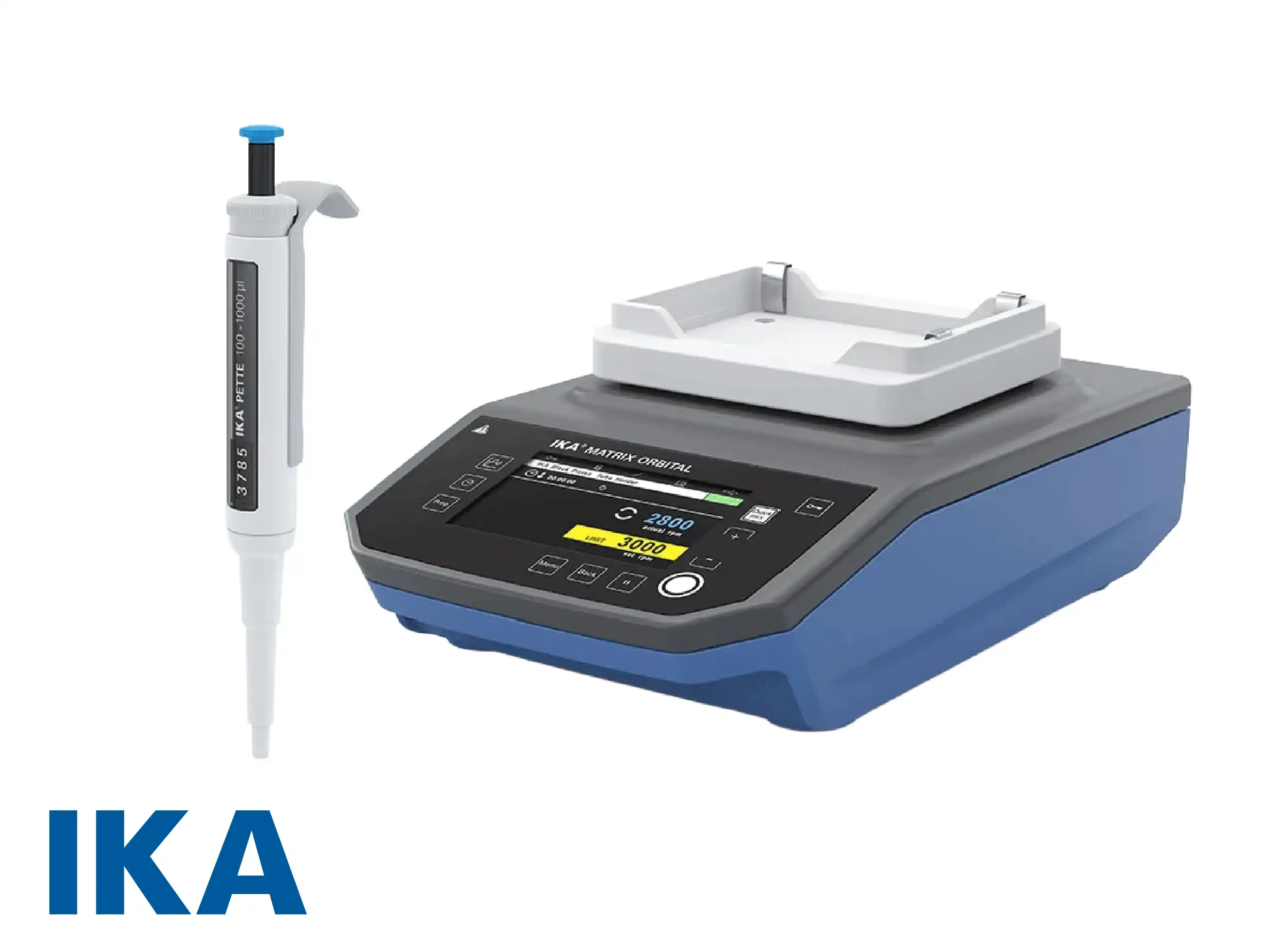
The technical architecture of these systems emphasizes versatility and operational safety through modularity. The units feature a stable quick-lock mechanism for fast interchange of various inserts, such as PCR plates, microcentrifuge tubes, and deep-well plates. Advanced technical features include automatic attachment detection, which prevents the system from exceeding safe speed limits for specific configurations.
Furthermore, the integration of a heated lid, or "ThermoCover," ensures homogeneous sample temperatures and prevents condensation, thereby maintaining constant sample concentration during long-term reactions. This robust design, housed in aluminum die-cast casings, provides the stability required for high-speed operation in demanding laboratory environments.
Integration of Tri-Functional Performance: Mixing, Heating, and Cooling
Technically, the modern thermoshaker platform combines three critical laboratory functions into a single footprint. Depending on the specific configuration, these devices can mix, mix and heat, or perform full-spectrum mixing, heating, and cooling. This integration is essential for protocols like enzymatic reactions or DNA denaturation where precise thermal transitions must be synchronized with mechanical agitation to ensure optimal reaction rates and product homogeneity.
High-Speed Orbital Agitation and Stroke Dynamics
Agitation efficiency is technically defined by the relationship between rotation speed and shaking stroke. IKA units feature a standardized 3 mm shaking stroke combined with adjustable speeds of up to 3,000 rpm. This technical specification generates high centrifugal forces within micro-vessels, creating a vigorous vortex that ensures complete blending of reagents in microtiter plates and reaction tubes, even in volumes as small as a few microliters.
Precision Thermal Control and Stability Parameters
The thermal performance of these units is governed by microprocessor-controlled heating and cooling elements. Technically, the systems offer a set temperature resolution of ±1 °C and maintain a control accuracy of ±0.5 °C within standard operating ranges (20 to 45 °C). This level of precision is vital for sensitive applications like cDNA synthesis or ELISA assays, where minor fluctuations in temperature can significantly impact the validity and reproducibility of the analytical results.
Automated Attachment Detection and Intelligent Speed Limiting
A key technical safeguard is the automatic recognition of variable inserts and attachments. Once an attachment—such as a PCR plate holder or a deep-well plate block—is locked into place, the system identifies the specific load profile. Technically, this allows the unit to automatically restrict the maximum rpm to a safe operating window, preventing mechanical instability, sample splashing, or hardware damage caused by excessive centrifugal forces on larger attachments.
Condensation Control via Heated Lid Technology
During heating cycles, sample evaporation and subsequent condensation on the vessel lid can alter reagent concentrations. Technically, the "ThermoCover" heated lid addresses this by maintaining a higher temperature at the top of the vessel than in the reaction medium. This prevents the formation of droplets on the lid, ensuring that the sample volume remains constant and the concentration of critical components like enzymes or primers is preserved throughout the incubation period.
Programmable Ramps and Automated Workflow Execution
For complex laboratory protocols, these thermoshakers offer programmable ramps for both speed and temperature. Technically, this allows users to pre-set automated sequences where the device transitions between different thermal setpoints or agitation intensities at specific intervals. This automation reduces manual intervention and ensures that multi-step procedures, such as ligation or protein denaturation, are executed with high technical precision and consistency.
Robust Structural Engineering with Aluminum Die-Cast Housing
To maintain high-speed stability at 3,000 rpm, the unit's structural integrity is paramount. These thermoshakers are technically constructed with an aluminum die-cast housing. This provides a low center of gravity and high mass, which effectively dampens vibrations and prevents "walking" or displacement on the laboratory bench. The robust housing also serves as a protective barrier for the internal electronics against chemical spills and mechanical wear.
Modular Interface for Diverse Vessel Compatibility
The technical versatility of the system is facilitated by a stable quick-release fastener that supports a wide range of exchangeable attachments. These include fixed and variable inserts for 0.5 ml, 1.5 ml, and 2.0 ml microcentrifuge tubes, as well as universal holders for microtiter plates (MTP) and deep-well plates (DWP). This modularity ensures that a single thermoshaker can be technically adapted to various workflows in microbiology, biochemistry, and clinical research.
Click here for more information about IKA range of products