
Home » Products » Testing Instruments » Pharmaceutical Testing Instruments » Sotax Dissolution Testing Systems
Dissolution Testing Systems
|
Compendial Pharmacopeial Testing and Dissolution System Configuration
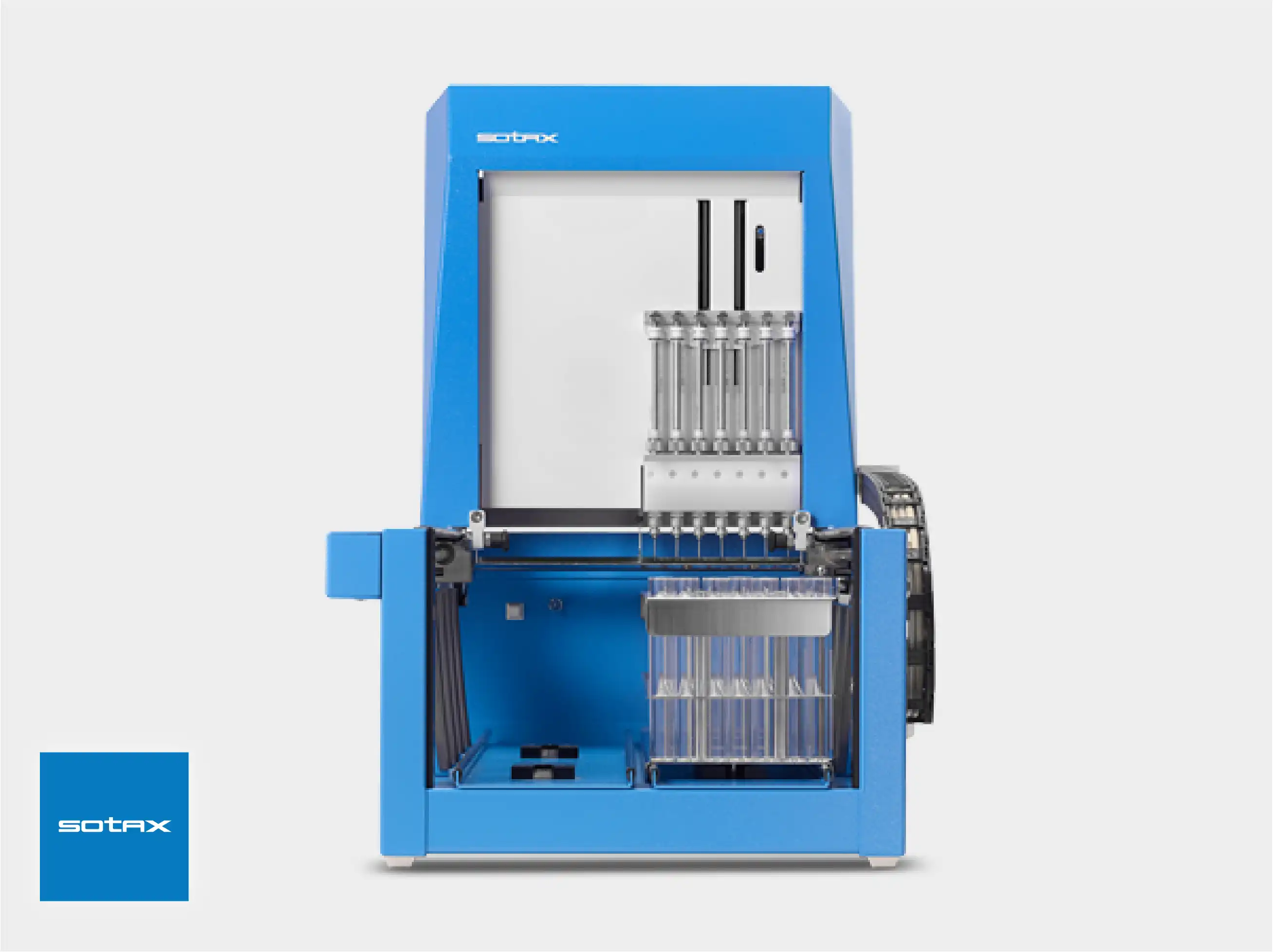
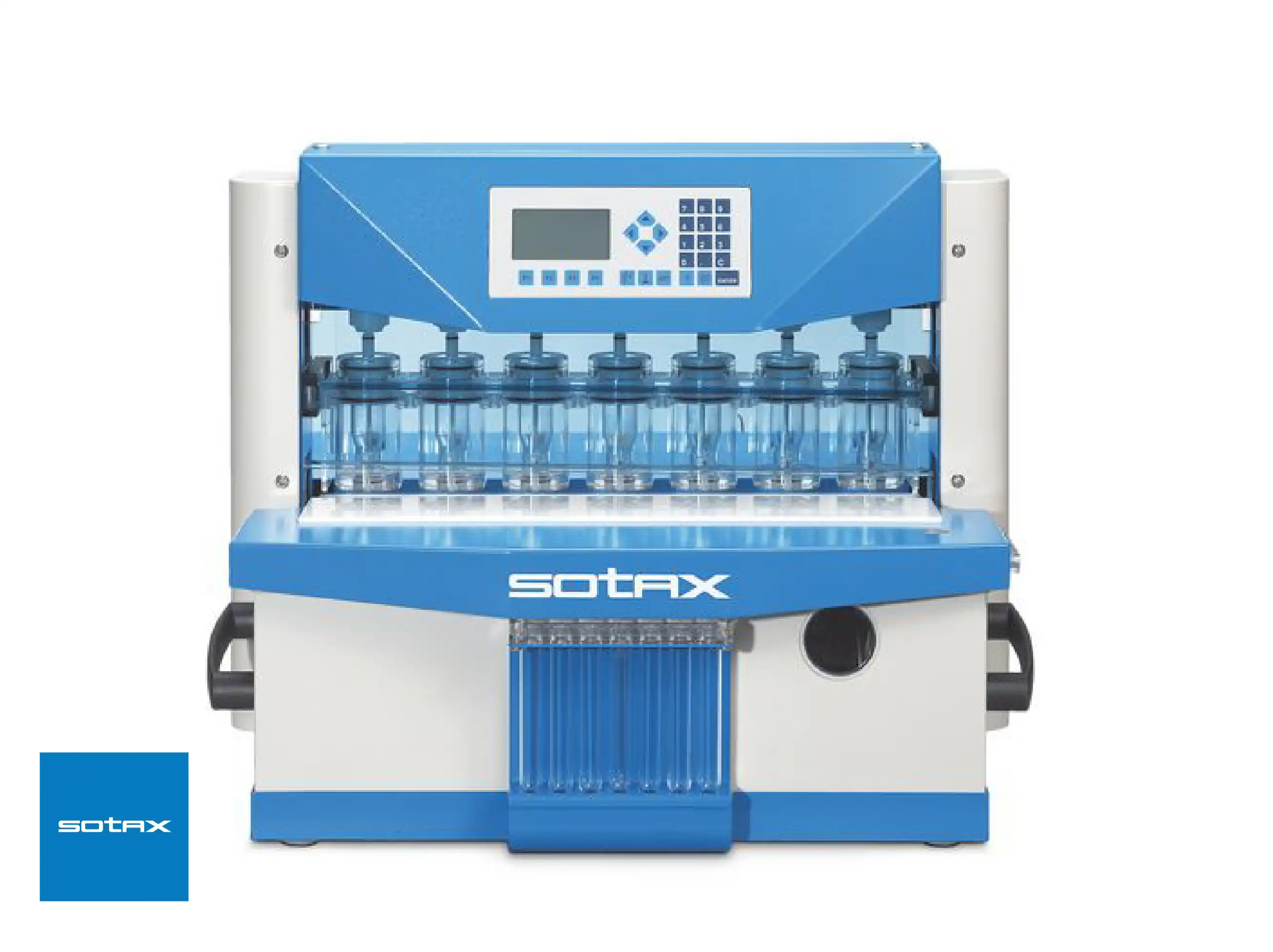
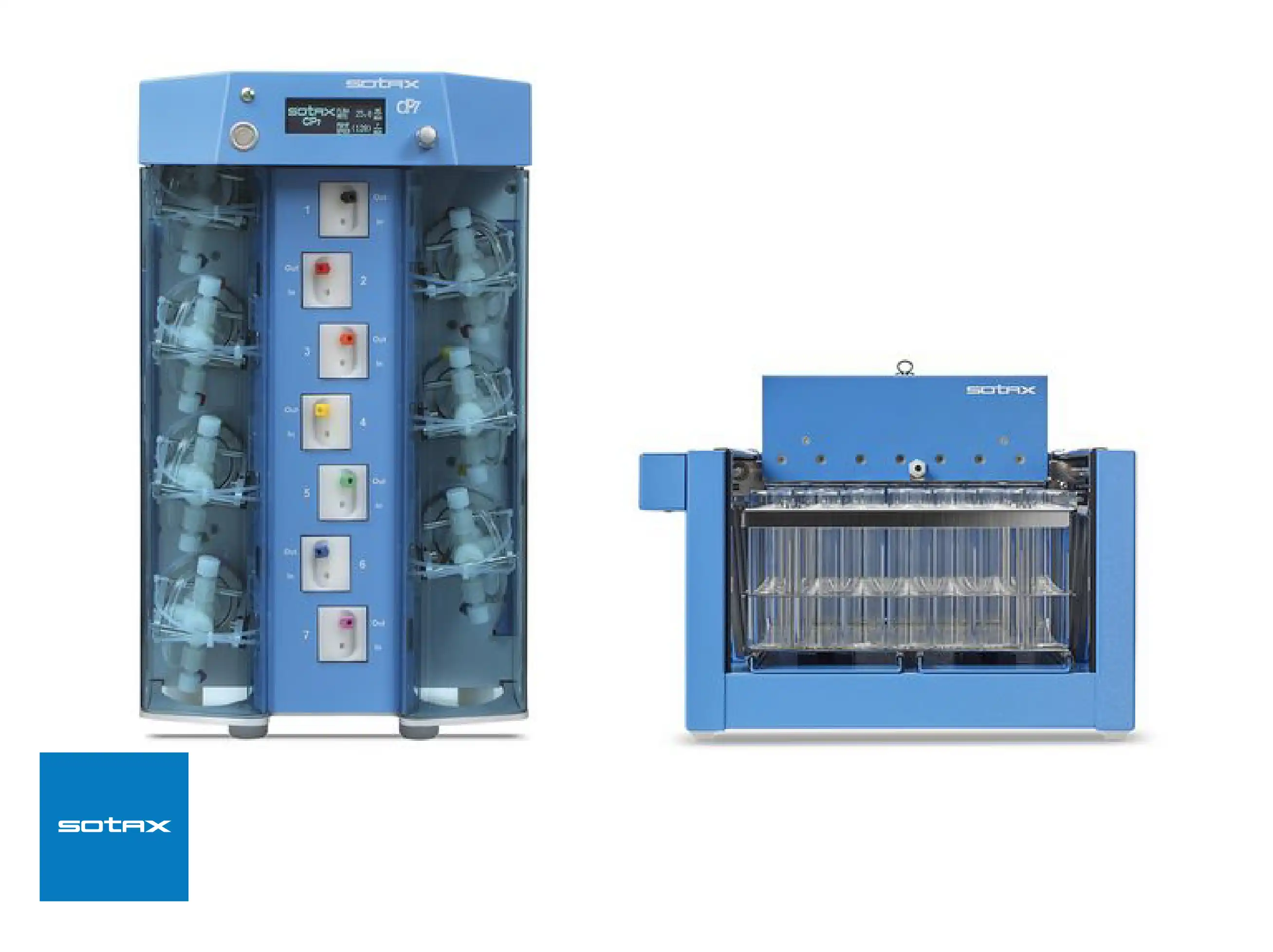
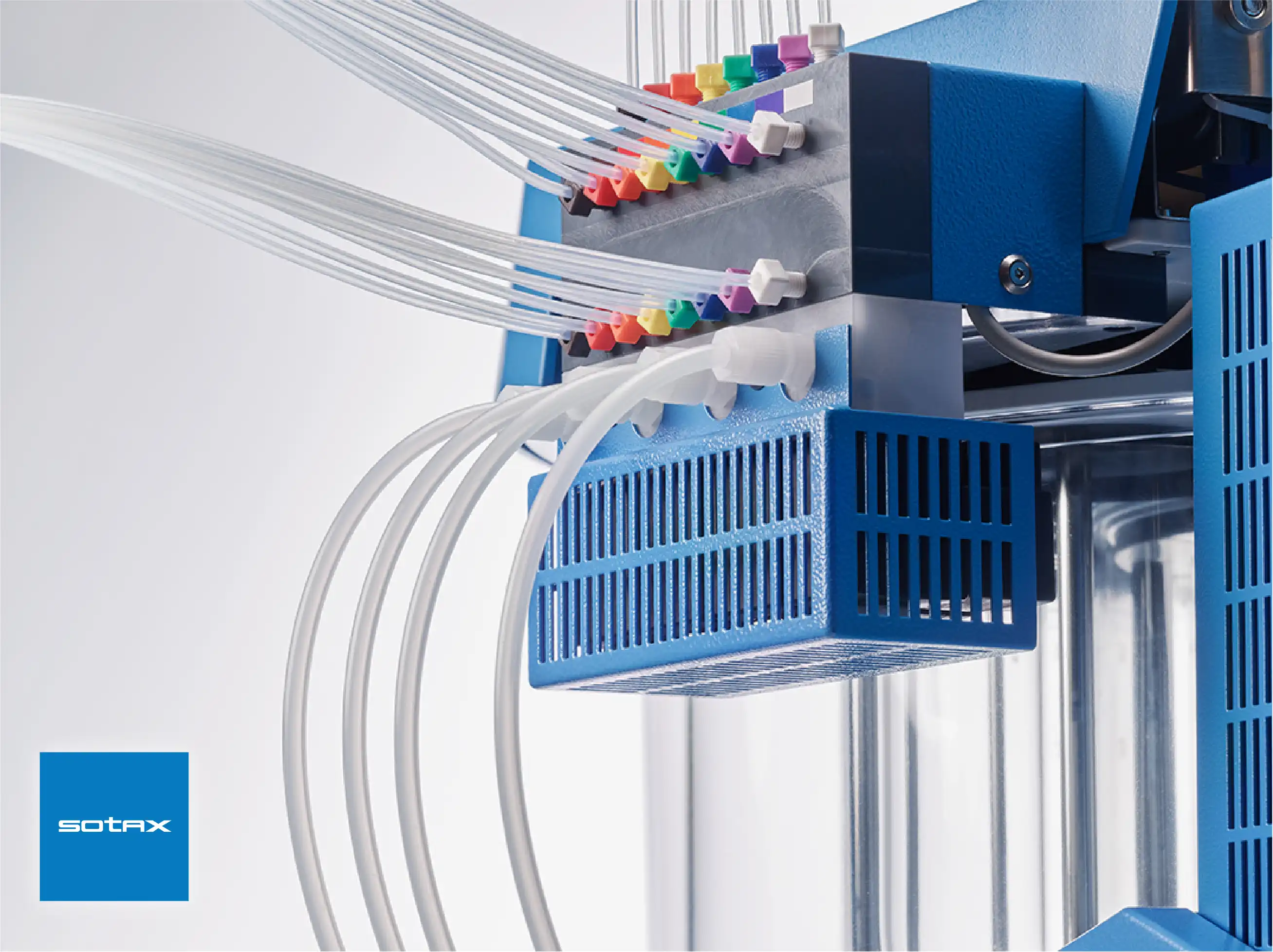
Sotax Dissolution Testing Systems
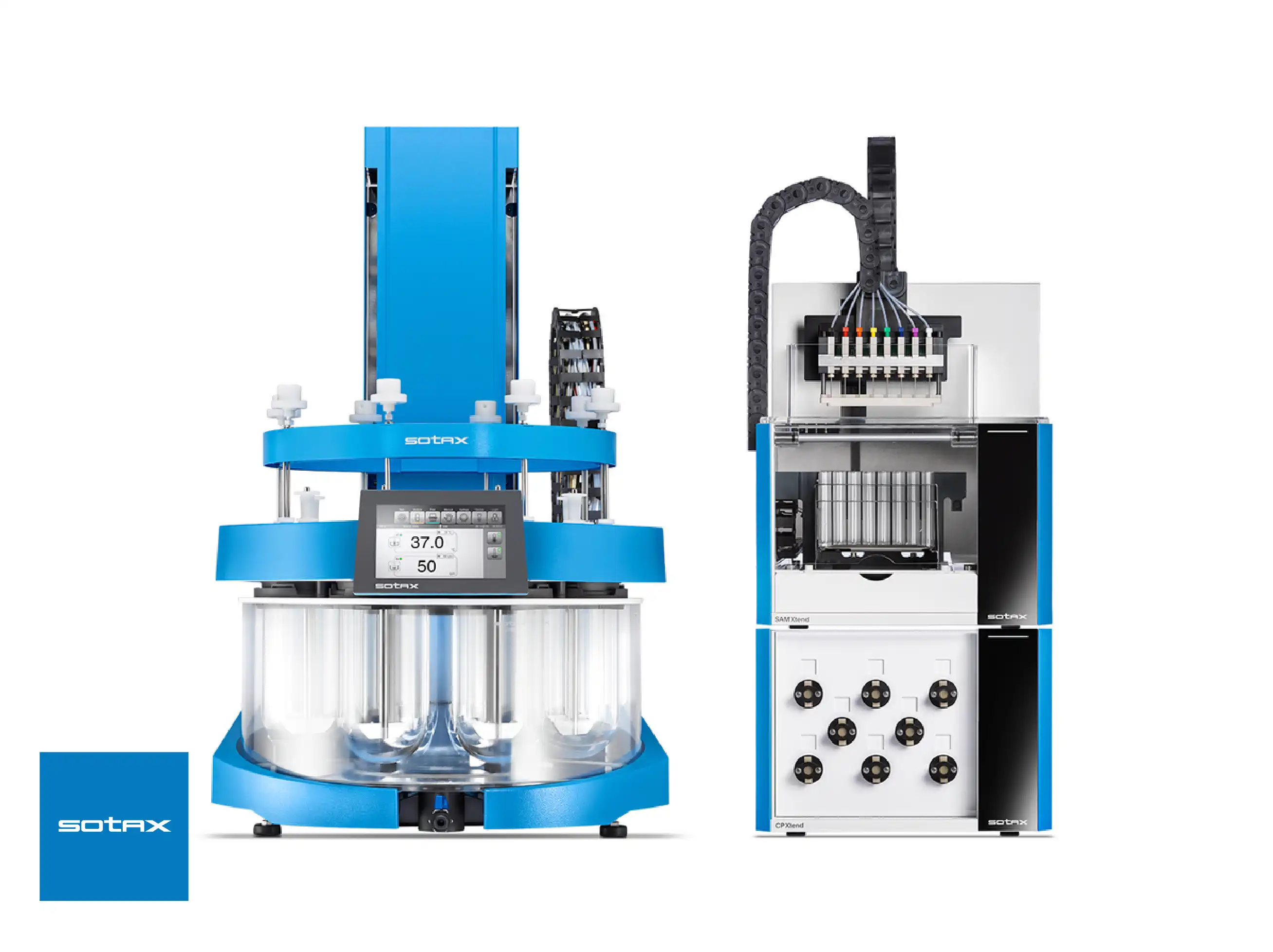
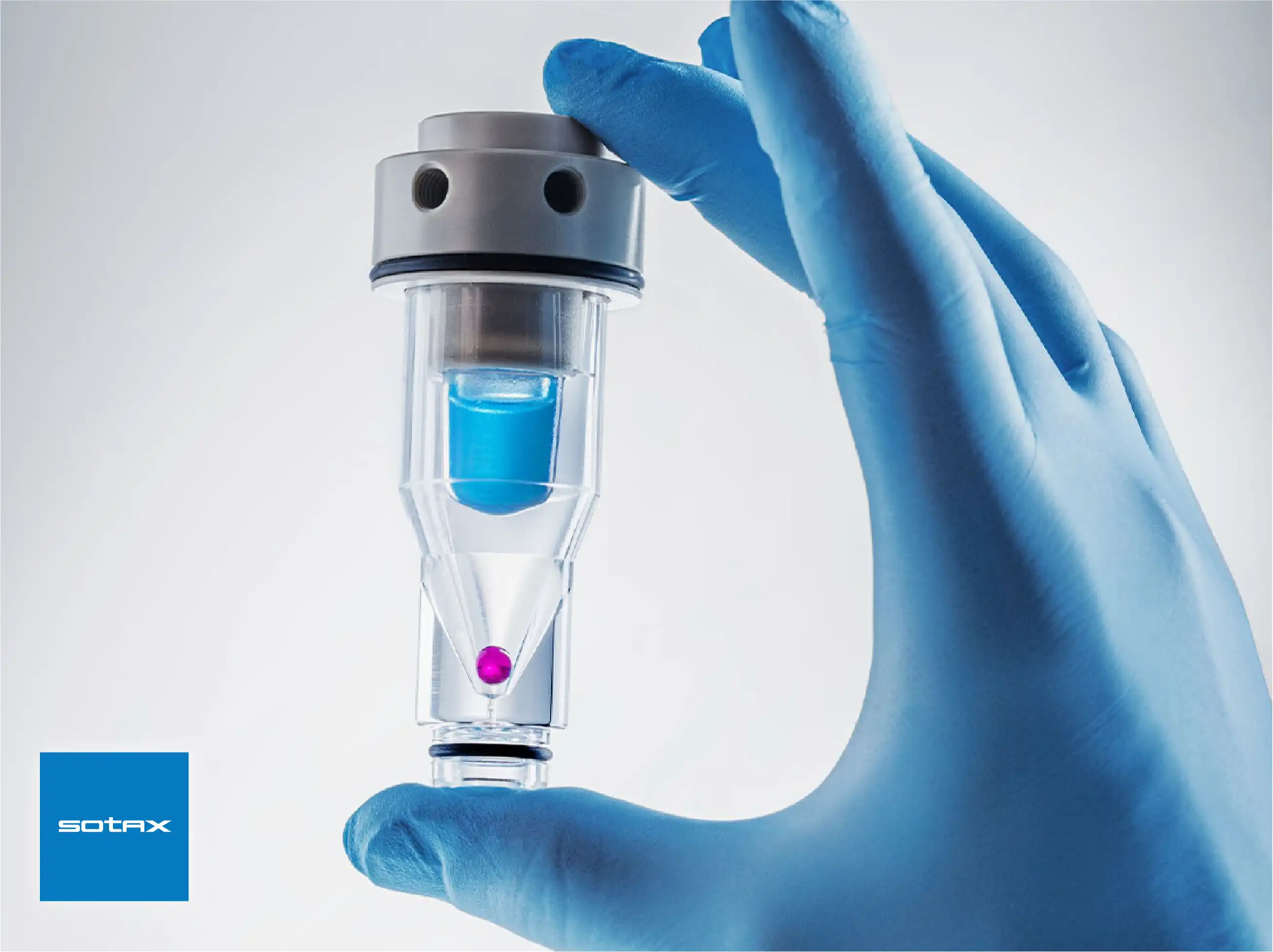
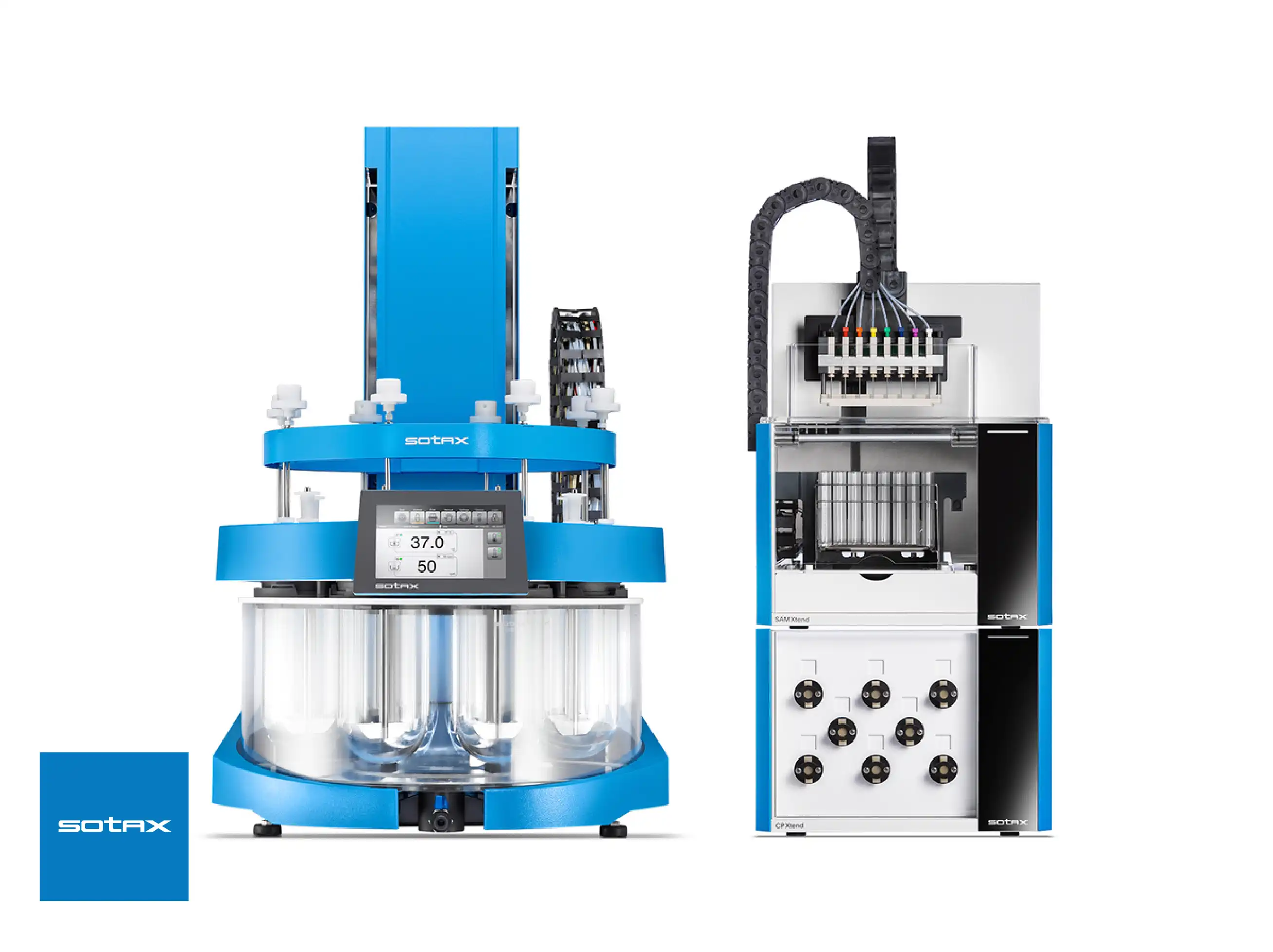
SOTAX dissolution testing solutions represent modular instrumentation platforms engineered to measure the release rate and total drug amount of active pharmaceutical ingredients (APIs) over time. Designed in absolute accordance with harmonized international pharmacopeia guidelines, these systems fully support standardized compendial methodologies, including basket, paddle, paddle-over-disk, rotating cylinder, and flow-through cell configurations.
The hardware layout ensures strict mechanical alignment, self-centering vessel geometries, and low wobble ratings to eliminate hydrodynamic anomalies. By providing a scalable pathway from standalone manual apparatuses to advanced robotic units, this technology standardizes critical testing parameters across diverse pharmaceutical dosage forms.
Standardization of Compendial Apparatus Geometries and Regulations
Technically, dissolution testing demands absolute adherence to harmonized international pharmacopeia standards, including USP, Ph. Eur., and FDA guidelines. SOTAX testing hardware is engineered with compliance built directly into the mechanical design, maintaining precise spatial relationships inside the water bath. The apparatus layouts accommodate standard basket and paddle configurations, alongside specialized setups for transdermal patches and poorly soluble compounds using flow-through cell technology. Fixed shaft heights, low mechanical wobble ratings, and self-centering vessel frameworks ensure that every test run occurs under standardized, reproducible hydrodynamic conditions without manual adjustments.
Advanced Manual Sampling with Non-Disruptive Hollow Shaft Technology
Executing manual sample withdrawal precisely within designated time windows presents significant repeatability challenges for laboratory operators. To eliminate human variability, the dissolution testing architecture incorporates a specialized hollow drive shaft system that enables direct sample suction. Operators draw fluid directly through the core of the rotation shaft, which features a fixed sampling position that complies with compendial height requirements. This integrated fluidic path eliminates the need to introduce external sampling cannulas or probes into the active media, preventing any undesired hydrodynamic disruption or turbulent interference during critical timepoints.
Transition to Semi-Automated Fluid Retrieval and Filtration Modules
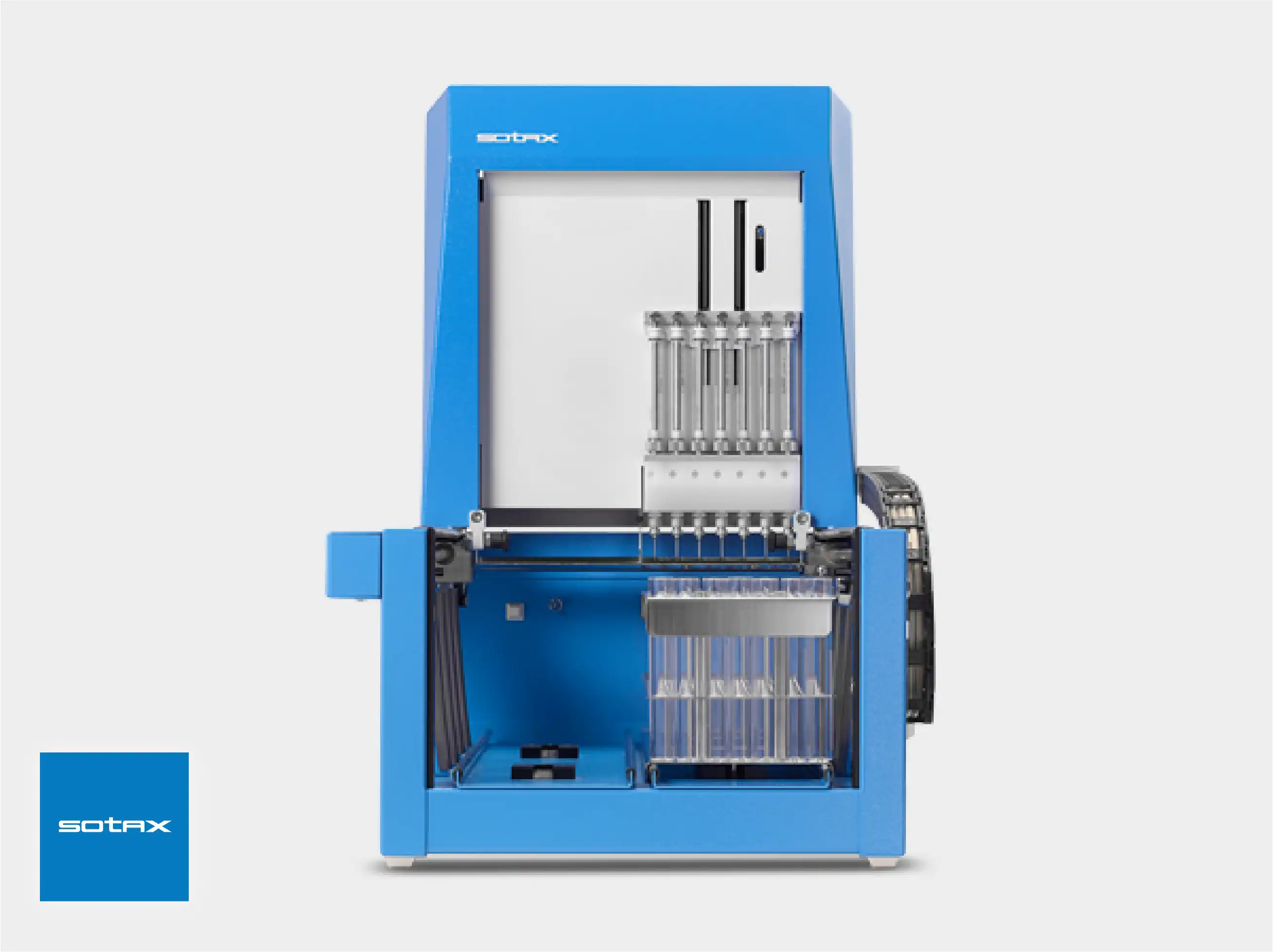
Upgrading a basic testing bath to a semi-automated configuration introduces automated sampling modules that standardize physical fluid handling. The system simultaneously withdraws samples from all active vessels using integrated high-precision pumps, completely eliminating technician-dependent pulling force variance. The fluid is driven through inline filtration units—capable of pushing through fine porosity discs or syringe filters down to 0.2 microns—even when processing complex formulations containing heavy surfactants. The filtered fractions are then collected directly into sealed LC vials or wellplates, preserving sample concentration and preventing evaporation.
Real-Time In-Vessel Parameter Recording and Video Monitoring Architecture
Comprehensive protocolling of environmental variables during a dissolution run is crucial for modern quality control validation. The testing apparatus can be configured with automated sensor arrays that measure and log individual vessel temperatures immediately prior to sample withdrawal. Furthermore, the circular water bath design is specifically optimized for visual and electronic observation. Integrated video monitoring systems provide an unobstructed, full-vessel view from both the exterior and interior of the bath. This continuous recording capability allows scientists to visualize real-time dosage form behavior, tablet disintegration patterns, and capsule coning effects.
Online Spectrophotometric and Chromatographic Analytical Integration
To maximize operational efficiency and achieve immediate data visibility, semi-automated and automated dissolution systems can be directly coupled with analytical instruments. The fluidic lines interface with online UV-Vis spectrophotometers or automated injection loops connected directly to HPLC and UPLC networks. For online optical analysis, media is continuously circulated through flow-through cells inside the spectrophotometer for real-time absorbance measurement before returning to the vessel. This direct synchronization eliminates manual fraction collection steps, removes sample transcription risks, and generates dense, real-time dissolution profiles automatically.
Full End-to-End Automation for Unattended Multi-Batch Workflows
Fully automated dissolution systems eliminate human intervention across multiple sequential testing runs, turning labor-intensive procedures into an independent robotic workflow. The mechanical architecture controls the entire testing cycle entirely unattended, from automated media preparation, heating, and vacuum deaeration to automated vessel filling. Built-in balance modules execute gravimetric verification of the filled volumes inside each vessel before automated dosage form introduction occurs. The system runs consecutive batches autonomously, significantly multiplying weekly test frequencies while maintaining identical operational handling across all cycles.
Automated Self-Cleaning and Tube-Flushing Routines between Test Runs
Operating multi-batch automated testing platforms requires a rigorous, validated mechanical sequence to prevent product cross-contamination and residue carryover. Upon completion of a testing method, the system executes a automated, one-touch self-cleaning routine. By connecting a dedicated flush source to the multi-purpose fluidic selector, the internal pumps drive cleaning solvents and purified water through all automated lines, sample tubes, and filtration blocks. Fully automated configurations go even further, mechanically washing the internal vessels and stirring shafts, completely eliminating manual teardown time while documenting the wash history.
Automated Pharmacopeial Staging Workflows and Algorithmic Evaluations
Interpreting multi-stage dissolution metrics becomes mathematically complex when evaluating formulations that progress through sequential acceptance criteria. The analytical software integrated with the testing hardware automates pharmacopeial staging evaluations by applying built-in logic to raw data streams. The system automatically guides operators through the stepwise progression from initial stages up to advanced evaluation tiers, adjusting required sample sizes and cross-referencing values against exact regulatory limits. This algorithmic evaluation ensures consistent, compliant decisions without manual calculation errors, expediting final batch releases.
Click here for more information about Sotax range of products