
Home » Products » General labs » Crushing » IKA Dispersers
Dispersers
|
Technical Excellence in Rotor-Stator Mixing Technology

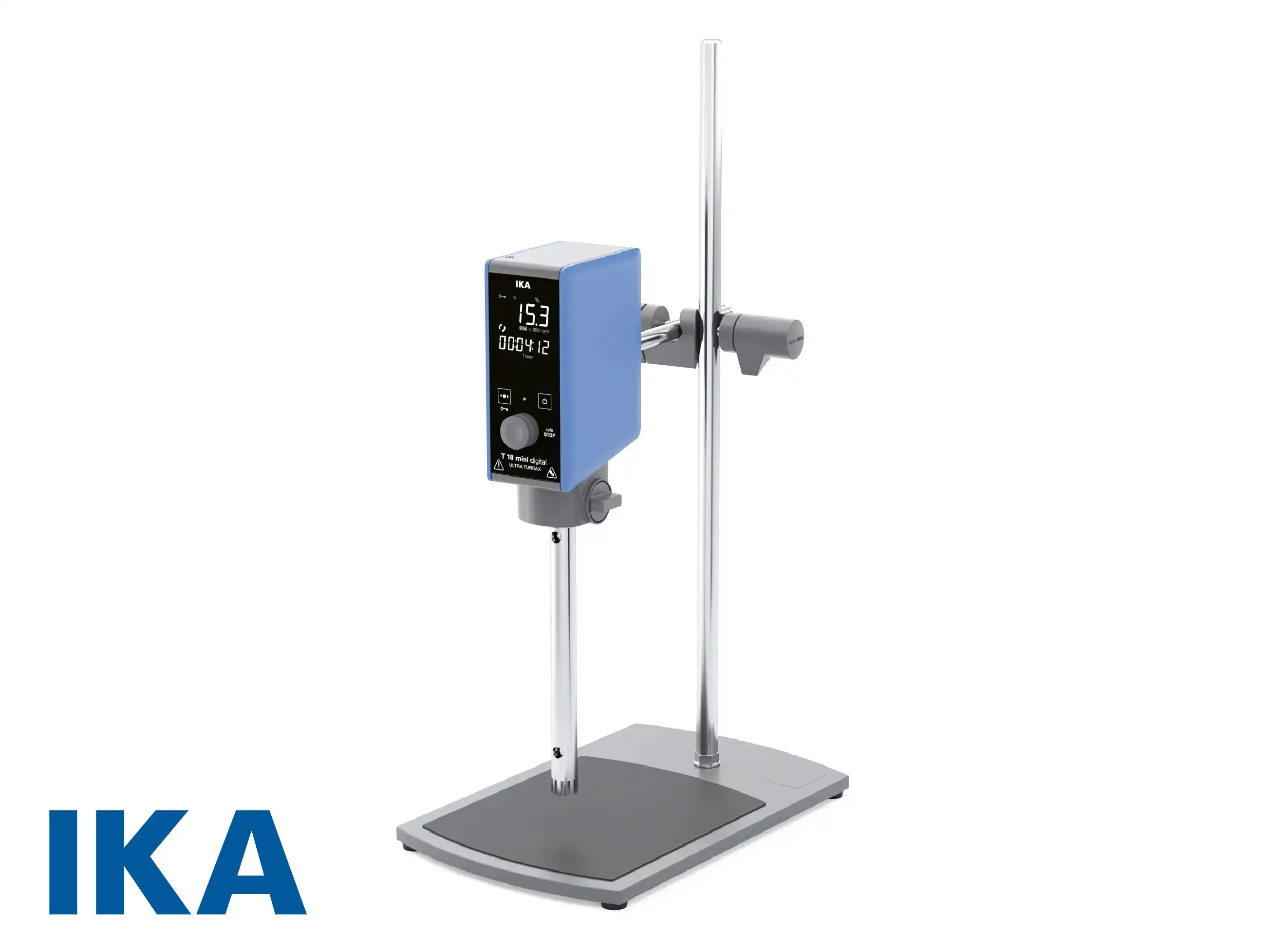
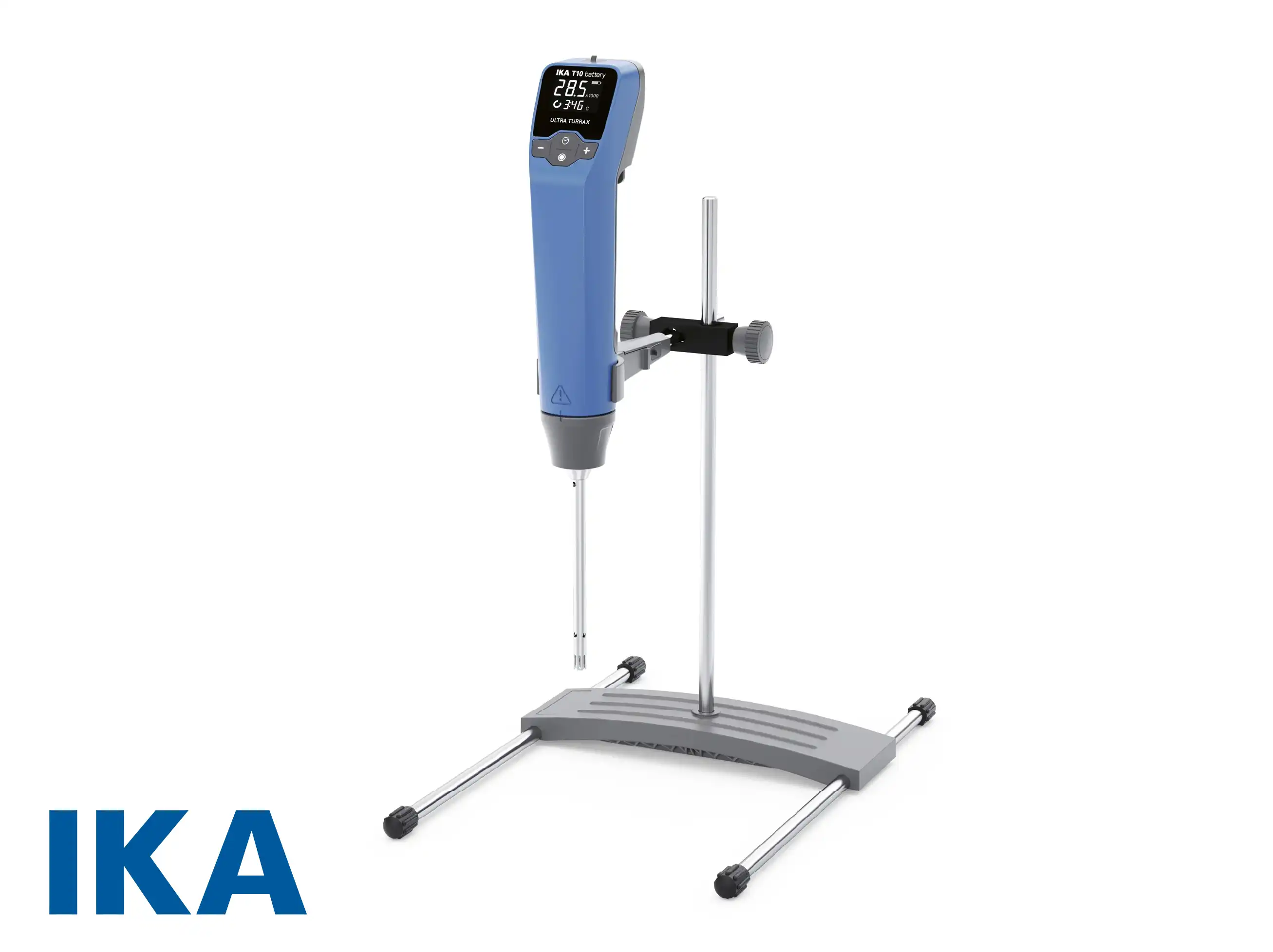
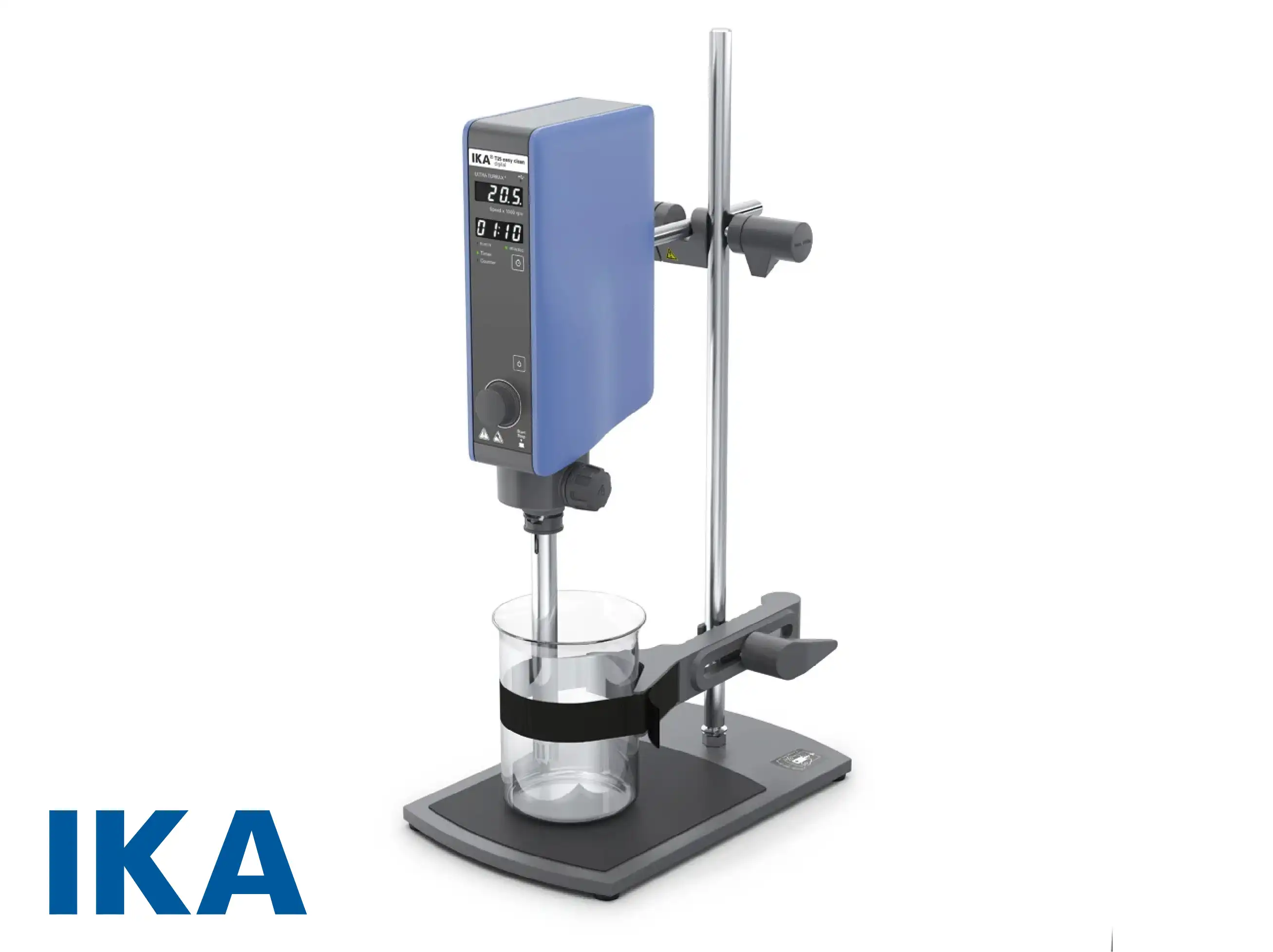

IKA Dispersers
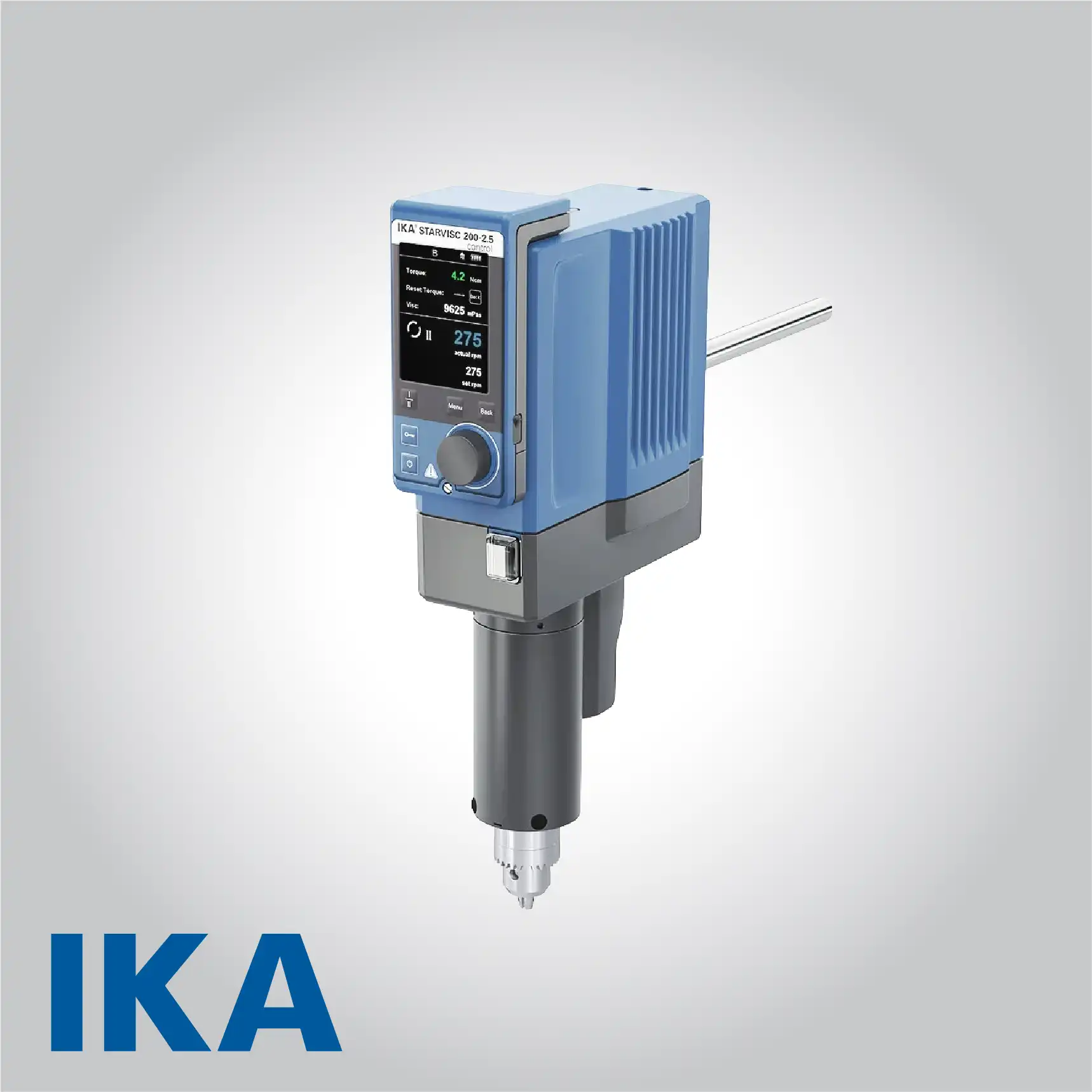
The technical versatility of IKA’s dispersing portfolio is characterized by a modular design that supports a variety of exchangeable dispersing tools. These tools are constructed from high-grade materials like stainless steel and PTFE to ensure chemical compatibility and facilitate easy sterilization. Advanced features include electronic speed control, which maintains a constant rotation rate under varying loads, and integrated safety circuits to prevent motor overheating.
Whether for laboratory-scale research or pilot-plant trials, these dispersers provide the technical precision required for tasks such as cell disruption, tissue homogenization, and the creation of fine-grained emulsions in the pharmaceutical, cosmetic, and food industries.
Theoretical Principles of the Rotor-Stator Mechanism
Technically, the efficiency of IKA dispersers is rooted in the rotor-stator principle. The rotor operates at high circumferential speeds, creating a vacuum that pulls the liquid and solid components into the dispersing head. As the material is expelled through the stator slots at high velocity, it is subjected to intense shear and cavitation forces. This mechanical energy is technically necessary to overcome the surface tension of droplets or the cohesive forces of solid aggregates, resulting in a significantly reduced particle size distribution.
Optimization of High-Shear Forces for Emulsification
In the creation of emulsions, the technical objective is to achieve the smallest possible droplet size to ensure long-term stability. IKA dispersers provide the high shear rates required to break down immiscible liquids into fine-grained emulsions. Technically, the narrow gap between the rotor and stator is precisely engineered to maximize the shear gradient. This ensures that the energy input is focused on the interface between the phases, preventing coalescence and resulting in a uniform mixture that meets strict pharmaceutical and cosmetic standards.
Particle Size Reduction in Suspension Preparation
For the preparation of suspensions, IKA dispersers technically facilitate the rapid wetting and de-agglomeration of solid powders in a liquid medium. The high-velocity impact within the dispersing tool breaks up solid clusters and ensures that individual particles are evenly distributed. Technically, this leads to a stable suspension with minimal sediment formation. The ability to control the rotation speed allows researchers to tailor the energy input to the specific hardness and concentration of the solid phase.
Specialized Dispersing Tools for Diverse Media
The technical flexibility of the system is enhanced by an extensive range of exchangeable dispersing tools. IKA provides tools with different geometries, such as saw-tooth designs for fibrous materials or specialized configurations for highly viscous substances. Technically, these tools are designed for quick assembly and disassembly, allowing for efficient cleaning and sterilization. The use of high-quality bearings and seals ensures that the tools can withstand continuous operation at speeds up to 30,000 rpm.
Electronic Speed Regulation and Load Compensation
Maintaining a constant shear rate is a technical requirement for reproducible homogenization. IKA dispersers are equipped with electronic speed control systems that monitor the motor's performance. Technically, if the viscosity of the sample increases, the system automatically adjusts the power input to maintain the set rpm. This load compensation ensures that the dispersing intensity remains consistent throughout the entire process, which is critical for standardized laboratory protocols and quality control.
Cell Disruption and Tissue Homogenization
In biotechnology and life sciences, the technical challenge often involves breaking open cells to release intracellular components without damaging the target molecules. IKA dispersers are technically optimized for these delicate tasks, providing high-shear action that effectively disrupts cell walls and tissues. By using small-diameter dispersing tools and precise speed control, researchers can achieve high yields of proteins or DNA while minimizing the heat generation that could lead to thermal degradation of the sample.
Hardware Durability and Chemical Resistance
Laboratory dispersing often involves aggressive chemicals and abrasive particles. Technically, IKA dispersers are built with robust housings and fluid-contact parts made from 316L stainless steel and high-performance plastics. This ensures that the instrument is resistant to corrosion and mechanical wear. The technical design often includes double-sealed shafts or specialized coatings to prevent the ingress of contaminants into the motor, extending the service life of the equipment in harsh research environments.
Safety Engineering and Operational Protection
High-speed rotation involves technical risks that require integrated safety features. IKA dispersers incorporate electronic safety circuits that protect the motor against overload and overheating. Technically, the system can trigger an automatic shutdown if a blockage is detected or if the temperature exceeds a safe threshold. Furthermore, the stable stands and clamping mechanisms ensure that the disperser remains securely positioned during operation, preventing mechanical instability and ensuring the safety of the laboratory personnel.
Click here for more information about IKA range of products.